
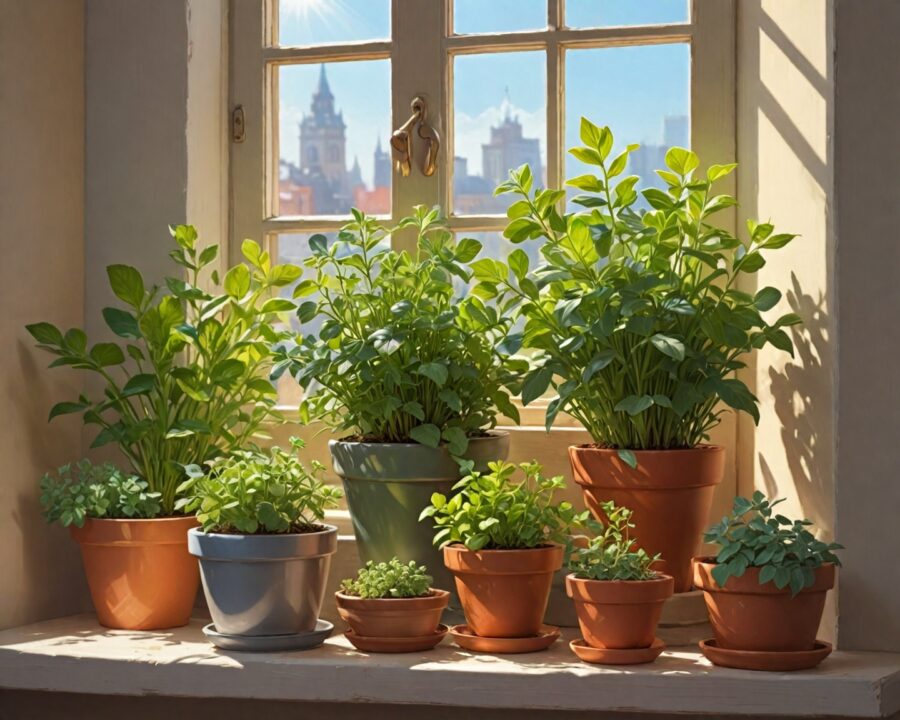
Growing herbs indoors has become an increasingly popular option for apartment dwellers who enjoy the convenience and aesthetics of fresh plants without the luxury of a backyard garden. With limited space and sometimes less-than-ideal light conditions, cultivating an indoor herb garden can seem like a challenge. However, with some creativity and planning, anyone can create a thriving indoor garden that adds flavor to their meals and beauty to their living space.
Apartment living often means challenges in terms of space and natural light, making it essential to consider innovative gardening methods. This article explores creative indoor herb garden ideas for apartment dwellers, providing solutions for maximizing space utilization, container choices, light management, and ongoing care. Whether you’re new to gardening or an experienced green thumb, these ideas will help you create a personal green oasis right in your living room.
Why grow herbs indoors in an apartment?
One of the primary reasons to grow herbs indoors is the immediate access to fresh ingredients. There’s a significant difference in flavor between fresh and dried herbs, and having a supply ready at your fingertips can enhance your cooking tremendously. For apartment dwellers, the convenience of cultivating her own culinary herbs eliminates the need for frequent grocery trips for fresh supplies.
Beyond culinary benefits, growing herbs indoors supports overall well-being. Gardening can be a therapeutic activity, reducing stress and improving mood. Having indoor plants helps purify the air and introduce a touch of nature indoors, offering health benefits such as improved air quality and a more calming environment.
Moreover, indoor herb gardens bring a new aesthetic dimension to apartments. They are more than just functional; when thoughtfully designed, they can add vibrant greenery and life to otherwise plain spaces. Whether placed in kitchen alcoves or living room corners, these living art pieces fit effortlessly into a range of decor styles.
Best herbs to grow in small spaces
Selecting the right herbs is crucial when space is limited. Luckily, there are many herbs that thrive indoors and require minimal space. Here are some ideal options for apartment growers:
- Basil: Known for its vibrant color and unique aroma, basil grows well in pots and thrives on sunny windowsills.
- Mint: An adaptable herb, mint requires little light and grows quickly, perfect for those new to gardening.
- Cilantro: With a relatively short growth cycle, cilantro can be harvested regularly, providing a continuous supply.
In addition to these, other herbs like thyme, rosemary, and chives are great for indoor cultivation. They usually require less maintenance and can be grown in smaller containers, making them excellent choices for limited spaces. Compact and aromatic, they also beautify any room they inhabit.
When choosing which herbs to grow, consider your cooking habits and the light conditions available in your apartment. Fast-growing herbs like basil are excellent for sunny spots, while perennial favorites like rosemary can do well in less direct light. Personal preference and practical usage should guide your choices.
Choosing the right containers for indoor herb gardens
The choice of container can impact the health and growth of your herbs. Given that most herbs have relatively modest root systems, you don’t need very large pots. However, proper drainage is crucial, so make sure your chosen containers have adequate holes at the bottom.
Materials for containers vary, and each has its own advantages:
- Terracotta pots: Traditional and breathable, they prevent root rot by allowing moisture to evaporate.
- Plastic containers: Lightweight and colorful, though they retain moisture longer, which can be beneficial in dry apartments.
- Self-watering pots: Great for those who might forget regular watering, these pots provide a consistent moisture level.
Consider the aesthetics of your space when selecting containers. If you’re aiming for a modern look, sleek ceramic pots could complement your decor. For a more rustic feel, repurposing tin cans or mason jars can give a quirky edge while being budget-friendly.
Lighting solutions for indoor herb gardening
Proper lighting is essential for growing herbs indoors, as most herbs require ample sunshine to flourish. However, many apartments lack adequate natural light, necessitating creative solutions.
Sunny windowsills are ideal for positioning herb gardens, particularly those facing south or west. However, if these aren’t available, you can supplement natural light with artificial sources. LED grow lights are an excellent solution, mimicking the sun’s spectrum to ensure healthy plant growth.
| Light Source | Pros | Cons |
|---|---|---|
| Natural Light | Cost-effective, natural spectrum | Limited in many apartments |
| LED Grow Lights | Customizable spectrum, energy-efficient | Initial cost, placement required |
| Fluorescent Bulbs | Inexpensive, accessible | Less energy-efficient, fixed spectrum |
The placement of lights is crucial. Ideally, the lights should be positioned 6-12 inches above the plants and need to operate for about 12-16 hours a day for optimal growth. Keeping a regular light schedule, much like the natural day/night cycle, helps plants grow well.
How to care for herbs in an apartment setting
Caring for indoor herbs aligns closely with managing watering, lighting, and repotting needs to ensure a long, productive life for your plants. Start by maintaining consistent watering habits. Avoid overwatering, as this can lead to root rot. It is typically best to water herbs when the top inch of soil feels dry.
Humidity can also be a concern, especially in apartments with air conditioning or heating. Misting the plants regularly or placing a small humidifier nearby can prevent herbs from drying out. Adequate airflow is necessary too, helping to prevent diseases. Occasionally rotating pots ensures even sunlight exposure and helps in even growth.
Lastly, pruning herbs regularly is vital for promoting bushy growth. Trim your herbs just above a leaf pair to encourage new stems from that point. Regular harvesting also keeps your plants healthy and productive.
Creative vertical gardening ideas for apartments
Vertical gardening is an innovative way to maximize space when floor space is at a premium. Utilizing walls or vertical structures can create a lush, green environment without cluttering your living space.
One approach is using tiered shelving units, which allows multiple layers of plants in a small footprint. Hanging planters can turn any wall into a verdant display. For a more structured setup, vertical planters with pockets are ideal for a variety of herbs and can be hung on walls or doors, making use of previously unused space.
Another creative method involves using repurposed items like shoe organizers or PVC pipes attached to walls, providing an affordable and functional vertical garden. Schwartz et al. (2020) note that these solutions not only save space but also add visual interest and texture to an apartment.
DIY indoor herb garden projects
Creating your own herb garden setups can be a fun DIY project, allowing for customization to fit your style and needs. These projects can be as simple or complex as you desire, offering a sense of accomplishment alongside a thriving garden.
One straightforward project involves turning a wooden pallet into a vertical planter. With some minor adjustments, such as adding landscape fabric and soil, and mounting it against a wall, it becomes an efficient herb growing space. For those interested in a zero-waste approach, using recycled tins as plant pots can also be an eco-friendly endeavor.
Moreover, utilizing mason jars can both conserve space and look visually appealing. Attach them to a piece of wood with metal clamps; you can then fix this setup to a wall or place it in a light-abundant area for easy access to your herbs.
Common challenges and how to overcome them
Growing herbs indoors comes with its own set of challenges, including pests, fluctuating temperatures, and limited sunlight. Identifying these issues early and taking proactive measures helps overcome these obstacles effectively.
Pests such as aphids or gnats are common; using natural remedies like neem oil or introducing beneficial insects like ladybugs can maintain a pest-free zone. Maintaining cleanliness and removing any dead leaves can also reduce insect attraction.
Temperature fluctuations can stress plants. Keep herbs away from drafts, such as those from air conditioning units or heaters, which can dry out plants or cause shock. If temperature variations are extreme, consider moving the plants to more stable areas temporarily.
Finally, insufficient sunlight can hinder growth, but this can be mitigated by relocating plants to better-lit areas or employing supplemental lighting as discussed earlier. Careful observation and adjustment ensure your herbs thrive despite these challenges.
Budget-friendly herb garden setups
You don’t need a large budget to start an indoor herb garden. With a bit of creativity and resourcefulness, you can construct a functional and appealing setup without breaking the bank.
Start by sourcing used or repurposed materials. Old jars, cans, and containers provide excellent vessels for herbs. They can be jazzed up with a coat of paint or simple decorations to blend with your interior style. Social media marketplaces are a great place to find free or discounted used pots and gardening tools.
| Item | Estimated Cost | DIY Alternative |
|---|---|---|
| Terracotta pots | $5-$10 each | Use painted old tins or glass jars |
| Grow lights | $20-$50 | Focus on window placement for natural light |
| Plant shelves/stands | $30-$100 | Use thrifted furniture or wooden crates |
Focus on purchasing quality soil and seeds, which are worth the investment for healthier plants. Herbs like basil, parsley, and chives can be regrown from grocery store cuttings, providing a free source of some plants.
Tips for maintaining a thriving indoor herb garden
Maintaining an indoor herb garden requires consistent effort and attention to detail. Here are some key tips for apartment dwellers to keep their herbs thriving:
- Regular Watering and Drainage: Ensure your pots have good drainage, and avoid over-watering by checking soil moisture levels before each watering.
- Light Management: Rotate plants weekly to ensure even light exposure and supplement with grow lights if necessary.
- Nutrient Management: Fertilize the soil with a balanced liquid fertilizer every few weeks to supply essential nutrients.
- Pruning Methodology: Regularly prune herbs to promote bushy growth and prevent them from becoming leggy.
By implementing these routine practices, you’ll maintain a vibrant and healthy indoor herb garden that continues to produce fresh ingredients for your culinary adventures.
FAQ
Can I grow herbs in a north-facing apartment?
Yes, you can grow herbs in a north-facing apartment, but it’s advisable to choose herbs that tolerate lower light levels, such as mint or parsley, or supplement with LED grow lights for better results.
What is the easiest herb to grow indoors for beginners?
Basil is often cited as the easiest herb for beginners due to its rapid growth and minimal care requirements. Regular watering and a sunny spot can yield a bountiful harvest.
How can I prevent pests in my indoor herb garden?
Maintain cleanliness around the plants, ensure proper drainage, and consider homemade remedies like neem oil to deter pests. Regularly inspecting plants also helps identify and treat issues early.
How often should I water my indoor herbs?
Water frequency depends on the environment and pot size but generally, it’s best to water when the top inch of soil feels dry. Overwatering should be avoided to prevent root rot.
Can I grow multiple types of herbs in one container?
Yes, multiple herbs can be grown in one container as long as they have similar light and water needs. Ensure adequate spacing to prevent overcrowding and competition for resources.
Recap
In this exploration of indoor herb garden ideas for apartment dwellers, we’ve covered why growing herbs indoors is beneficial for both culinary uses and personal well-being. We’ve also delved into the best types of herbs for indoor growth, container options, and the importance of proper lighting. Practical solutions for vertical gardening, DIY projects, budget-friendly setups, and overcoming common challenges provide avenues for every apartment dweller to enjoy a lush indoor herb garden. Finally, maintenance tips and answers to common questions offer guidance to ensure your indoor garden thrives.
Conclusion
Creating an indoor herb garden in an apartment space is not only a practical solution for those seeking fresh herbs but also an enriching hobby that brings nature indoors. The aesthetic and health benefits of having a vibrant green space in one’s living quarters need not be limited by square footage. Through creative use of containers, vertical space, and supplemental lighting, anyone can cultivate an indoor herb sanctuary.
Despite challenges such as limited space and varying light conditions, solutions are available for every constraint, allowing herb gardens to thrive in urban settings. Whether you choose to incorporate DIY projects or invest in specific gardening products, there’s a method for everyone to enhance their living space with the hues and aromas of an indoor herb garden.
With the right approach and ongoing care, an indoor herb garden can transform your apartment into a lush, green oasis. It not only provides fresh ingredients for cooking but also fosters a closer connection with the natural world, right from the comfort of your home.