
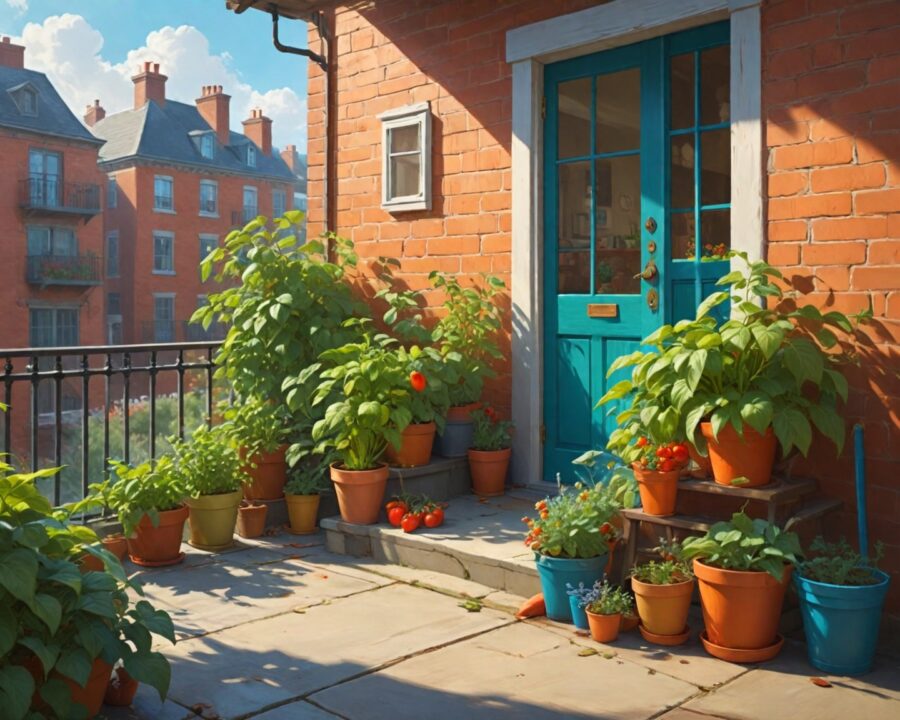
Growing your own vegetables has never been so accessible, even for city dwellers and those without sprawling backyards. Container gardening, particularly on balconies, is a wonderful way to cultivate fresh produce right at home while making the most of limited space. Not only does it provide an opportunity to enjoy home-grown vegetables, but it also contributes to a more sustainable lifestyle by reducing the need for mass-produced goods. Best of all, it allows those with a green thumb to indulge their passion in even the smallest of spaces, such as urban apartments or high-rise condos.
There is something truly rewarding about stepping out onto your balcony and harvesting food that you’ve nurtured and watched grow. Balcony gardens can not only supplement your diet but also enhance your living space with their lush greenery and vibrant colors. In this post, we’ll explore the essentials of balcony container gardening, introduce ten easy vegetables perfect for beginners, and provide guidance on choosing containers, caring for your plants, and maximizing your balcony space.
Introduction to Container Gardening and Its Benefits
Container gardening offers a range of benefits that make it an ideal choice for urban living. One of the most significant advantages is the ability to garden in limited spaces. Containers can be placed on balconies, patios, or even indoors near windows, allowing individuals with little or no outdoor space to grow their own food. This form of gardening also grants the gardener greater control over the growing environment, as containers can be easily moved to take advantage of sunlight or to protect plants from adverse weather.
Furthermore, container gardening reduces the risk of pest infestations and soil-borne diseases, since each plant can be monitored closely. By using soilless potting mixes, avoid common pests and diseases found in garden soil. Additionally, container gardens can be less labor-intensive as they typically require less weeding and maintenance compared to traditional garden beds.
Another benefit of container gardening is the potential for creativity and personalization. With a wide variety of containers available, from traditional pots to repurposed items like buckets or crates, gardeners can design a space that reflects their style and meets the practical needs of their plants. This adaptability can turn any balcony into a thriving and decorative garden.
Why Growing Vegetables on Your Balcony is a Great Idea
Growing vegetables on your balcony offers numerous advantages that go beyond the benefits of traditional gardening. For one, it provides a sustainable way to reduce your carbon footprint. By growing your own produce, you cut down on the need for packaging and transportation, leading to fewer emissions and waste. Another advantage is the ability to control the quality of your food. Unlike store-bought vegetables, you can ensure your balcony-grown produce is free from harmful pesticides and cultivated under environmentally-friendly conditions.
Beyond sustainability, growing vegetables on your balcony can significantly enhance your lifestyle. Balcony gardening is a therapeutic pastime that promotes relaxation and reduces stress. It connects individuals with nature, bringing an element of calm and mindfulness to the sometimes hectic pace of city living. Additionally, a lush balcony garden can increase the aesthetic appeal of your home, turning it into a green oasis amid urban surroundings.
Increasing food security is another compelling reason to start a balcony vegetable garden. With unpredictable market prices and concerns about food availability, having access to your own source of fresh produce can provide peace of mind. Simply having the capability to pick a handful of tomatoes or some fresh herbs from your garden can elevate everyday meals, adding flavor and nutritional value.
Essential Supplies for Balcony Container Gardening
Embarking on a balcony container gardening journey requires some essential supplies to ensure your garden thrives. The fundamental items include containers, soil, fertilizers, and seeds or seedlings of your chosen vegetables.
Containers are the backbone of container gardening, and it’s important to select the right type and size for each plant. Options range from traditional clay pots to inventive solutions like recycled buckets or even fabric grow bags. While aesthetics might guide your choice, ensure the container has drainage holes to prevent waterlogging, which can harm plant roots.
Choosing the proper soil is equally critical, as it affects plant health and growth. Opt for high-quality potting soil rather than garden soil, as the latter can be too heavy and compact for container gardening. Potting soil with a lightweight, airy structure, often mixed with perlite or peat, promotes good drainage and root development. Adding a balanced, slow-release fertilizer to the soil will provide the nutrients your vegetables need throughout the growing season.
Finally, you’ll need seeds or seedlings of the vegetables you wish to grow. Many gardeners prefer starting with seedlings to give their plants a head start. However, seeds offer a greater variety and can be more cost-effective. Alongside these essentials, you might also consider tools like a hand trowel, watering can, and plant labels to make gardening more streamlined and efficient.
Top 10 Easy Vegetables to Grow in Containers
Selecting vegetables that are well-suited for container gardening is key to a successful balcony garden. Here’s a rundown of ten easy-to-grow vegetables that thrive in confined spaces and are perfect for beginners:
-
Lettuce: Ideal for container gardening due to its shallow roots. It grows quickly and can be harvested multiple times.
-
Radishes: Fast-growing and require little maintenance, radishes are a perfect option for containers.
-
Tomatoes: With compact varieties available, tomatoes are a popular choice that can produce an abundant harvest.
-
Spinach: Easy to grow and nutrient-rich, spinach is a versatile vegetable for container gardening.
-
Peppers: Both sweet and hot pepper varieties do well in containers, providing colorful and flavorful yields.
-
Carrots: Opt for shorter, round varieties which adapt better to containers with limited depth.
-
Green Beans: A climbing plant, green beans can be grown with stakes or trellises in containers to save space.
-
Herbs (basil, parsley, cilantro): Essential for culinary use, most herbs thrive in pots and can be grown year-round indoors.
-
Chard: Known for its vibrant stalks and highly nutritious leaves, chard is an excellent container vegetable.
-
Arugula: With its peppery flavor, arugula grows quickly and is well-suited to container gardening.
These vegetables not only complement a range of culinary dishes but are also convenient for novice gardeners due to their adaptability and ease of maintenance.
How to Choose the Right Containers for Your Vegetables
Selecting the right containers is crucial for a successful balcony vegetable garden. When choosing containers, consider the size, material, and drainage. Different plants have varying space requirements, so opt for containers that provide adequate room for root development.
| Vegetable | Recommended Container Size | Ideal Container Material | Drainage Needs |
|---|---|---|---|
| Lettuce | 4-6 inches deep | Plastic or clay | Good drainage |
| Tomatoes | At least 5 gallons | Fabric pot or plastic | Heavy drainage |
| Carrots | 12 inches deep | Wood or plastic | Moderate drainage |
| Peppers | 3-5 gallons | Ceramic or plastic | Good drainage |
Container material affects the weight, durability, and aesthetic appeal of your garden. Plastic pots are lightweight and retain moisture well, making them an excellent choice for those who need to move their plants often. Clay and ceramic containers offer a classic look but are heavier and can dry out more quickly. Fabric pots promote excellent drainage and air circulation, though they may require more frequent watering.
Regardless of the material, ensure that all containers have one or more drainage holes to prevent root rot from excess water buildup. Adding a layer of gravel at the bottom of containers can enhance drainage and maintain soil moisture balance.
Best Soil and Fertilizers for Container Gardening
The foundation of any thriving container garden is high-quality soil. Unlike traditional garden beds, container gardens rely on a specially formulated potting mix that provides the right balance of water retention, aeration, and nutrient availability.
Ideal potting soil is light, airy, and free-draining, often comprising peat moss, perlite, or vermiculite, which help to retain moisture while preventing compaction. It’s important to avoid using regular garden soil in containers as it can be too heavy, increase the loss of nutrients, and may harbor pests or diseases.
Alongside rich soil, the use of fertilizer is essential in container gardening due to the confined space and limited nutrients available to plants. Slow-release fertilizers mixed into the soil provide a steady supply of nutrients to plants throughout the growing season. Liquid fertilizers, diluted and applied during watering, deliver an immediate nutrient boost, especially beneficial during flowering or when plants show signs of nutrient deficiency.
Consider organic fertilizers such as compost, worm castings, or fish emulsion, which provide a natural method to enrich the soil. They contribute to healthy soil structure and fertility, supporting long-term plant health.
Watering and Sunlight Requirements for Balcony Vegetables
Understanding watering and sunlight needs is critical for successful container gardening. Balcony vegetable gardens often face unique challenges due to exposure to wind and sun, causing containers to dry out faster than traditional gardens.
Watering frequency depends on the type of plant, size of the container, and environmental conditions. As a general rule, ensure soil remains consistently moist but not waterlogged. During hot spells, daily watering might be necessary, whereas cooler weather could allow for watering every other day.
Drip irrigation systems can automate watering, ensuring consistent moisture levels without over-saturating the soil. Another useful technique is using self-watering pots that contain a reservoir to keep the soil evenly moist without constant monitoring.
When it comes to sunlight, most vegetables require at least six to eight hours of direct sunlight per day. Position your containers to maximize exposure, using mirrors or reflective surfaces to direct more light toward the plants if needed. For shadier balconies, choose shade-tolerant vegetables like spinach and lettuce, which can thrive with minimal direct sunshine.
Common Challenges and How to Overcome Them
Gardening on balconies comes with its own set of challenges, from space constraints to variable weather conditions. Being aware of these can help you prepare and develop strategies to keep your plants healthy.
One common issue is pests, which can attack the plants despite the limited space. Regular inspection of leaves and stems for signs of disease or pest activity is essential. Natural remedies like neem oil or homemade insect soap sprays are effective ways to deter unwanted pests without harming the plants.
Wind can also pose a challenge, causing damage to delicate leaves or new growth. Placing windbreaks like garden fabric or installing trellises can protect your balcony garden from strong winds. Moreover, clustering plants together can create a microclimate that reduces the risk of wind damage.
Lastly, addressing fluctuations in temperature is critical. During cooler nights or unexpected frosts, consider bringing potted vegetables indoors or covering them with a lightweight cloth to retain heat. Conversely, during extreme heat, provide shade using umbrellas or light garden nets to prevent plants from wilting or getting sunburned.
Tips for Maximizing Space on Small Balconies
Maximizing space on a small balcony is essential for a successful container garden. Utilizing vertical space can significantly increase the growing area and enhance the overall aesthetic of your garden. Here are some strategies:
- Vertical gardens: Install wall-mounted planters or utilize hanging pots to grow trailing herbs or leafy greens that don’t need much root space.
- Tiered shelves: Use tiered plant stands to layer different heights of containers, making it easier to access and care for each plant.
- Trellises and climbing aids: incorporate trellises or stakes for climbing vegetables like beans and peas to grow upwards rather than outwards.
Repurpose household items like old bookshelves or shoe organizers as creative planters for a charming touch. Use planters with integrated self-watering systems to conserve space and reduce maintenance needs.
Consider rotating crops and staggering planting dates to maximize productivity and ensure continuous harvests. By employing efficient space-use practices, you can cultivate a thriving garden regardless of the size limitations of your balcony.
Harvesting and Maintaining Your Balcony Vegetable Garden
The reward of container gardening comes in the form of a bountiful harvest. Regular harvesting encourages new growth and prolongs the productivity of your plants. When picking vegetables like lettuce or spinach, opt for using scissors to snip leaves cleanly, which reduces plant stress and encourages regrowth.
For vegetables such as tomatoes or peppers, ensure they’re fully ripened before harvest to maximize flavor and nutritional benefits. Harvest roots like radishes or carrots when they are appropriately sized, as over-mature roots can become woody and less palatable.
Maintenance is key to sustaining your garden’s health. Routine tasks include deadheading, removing yellowing leaves, and thinning crowded seedlings to improve air circulation. Keep an eye on plant growth patterns and adjust watering, feeding, or repositioning to encourage optimal conditions.
Additionally, monitor environmental factors, like sunlight exposure and temperature, to ensure plants receive adequate light and are protected from adverse weather. With a commitment to regular care and observation, your balcony garden will yield a rewarding and delightful source of fresh vegetables.
Frequently Asked Questions
Can all vegetables be grown in containers?
While many vegetables are adaptable to container growing, not all are ideal for this method. Root vegetables that need depth, like large carrots or potatoes, and very large plants like corn or sprawling squash, can be challenging to grow in containers due to their space requirements.
How often should I water my balcony garden?
Watering frequency depends on several factors, including plant type, container size, and weather conditions. Generally, aim to keep soil consistently moist. During hot or windy periods, daily watering may be necessary, while cooler, shadier conditions may require less frequent watering.
What is the best type of soil for container gardening?
The best soil for container gardening is a high-quality potting mix designed to retain moisture while allowing for adequate drainage. Avoid garden soil, as it can be too dense and may not drain well in containers.
How can I improve drainage in my containers?
To improve drainage, ensure containers have multiple drainage holes. Adding a layer of gravel or small stones at the bottom of the pot can further facilitate drainage and prevent soggy soil conditions.
How can I protect vegetables on my balcony from pests?
Regularly inspect your plants for signs of pests and promptly treat infestations with natural remedies like neem oil or insecticidal soap. Introducing beneficial insects and using barriers like nets can also help protect plants from unwanted critters.
Recap
Balcony container gardening opens a world of possibilities for urban dwellers to grow fresh, healthy produce. This method harnesses the benefits of limited space usage, pest management ease, and personalized garden aesthetics. Starting with simple vegetables like lettuce, radishes, and tomatoes can offer delightful yields, even for first-time gardeners. Choosing the right containers, soil, and employing thoughtful strategies for watering, sunshine, and space maximization are crucial steps toward a successful endeavor. Addressing challenges such as pests and environmental fluctuations with informed solutions further enhances gardening success.
Conclusion
Container gardening on a balcony combines the joy of growing your own food with the practicalities of urban living. As you embark on this rewarding journey, you’ll not only enhance your culinary experiences with fresh vegetables but also foster a deeper connection with nature and a sustainable lifestyle. Whether you’re planting a single herb or cultivating an array of vegetables, this method promises satisfaction and numerous benefits.
In the process, discover the calming routine of tending to your garden amidst the cityscape, transforming your balcony into a thriving green retreat. The simple pleasure of nurturing plants, witnessing their growth, and enjoying their harvest is a timeless endeavor that enriches life regardless of geographic or spatial limitations.