
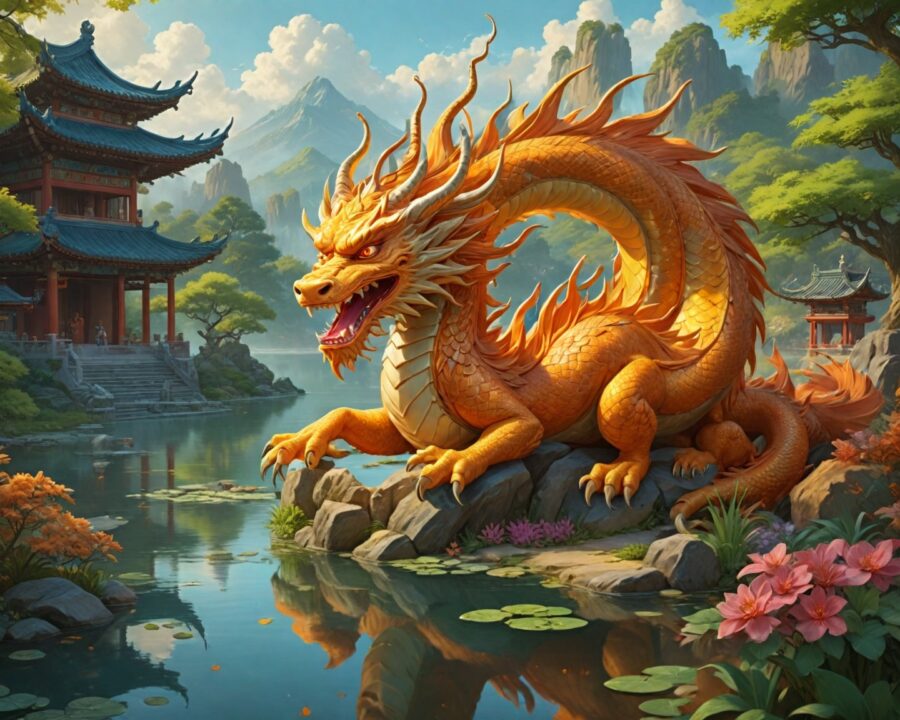
Asian mythology, with its rich diversity and profound historical roots, is a vital component of the world’s collective cultural heritage. It encompasses an array of stories, legends, and beliefs that stem from countries and cultures across the continent, each with its unique interpretation and presentation of the ancient and the mystical. These myths have not only shaped the cultural and social fabric of Asian societies but have also extended their influence far beyond, contributing to global storytelling traditions. As we delve into the mystique and complexity of these ancient narratives, it becomes clear that Asian mythology is much more than a set of stories; it is an exploration of the human experience, a mirror reflecting the values, fears, hopes, and imaginings of a multitude of peoples.
The study and understanding of Asian mythology are essential for anyone who wishes to gain deeper insights into the various cultures that populate this vast continent. These myths serve as cultural cornerstones, offering explanations for the natural world, institutional traditions, and spiritual beliefs. Moreover, they foster a sense of identity and continuity within cultures, acting as a bridge between past generations and the present day. By exploring these myths, one gains a greater appreciation for the diversity and depth of human civilization, learning from ancient wisdom that continues to echo through time.
The Role of Myths in Asian Cultures and Traditions
Asian myths play a significant part in the cultural and traditional fabric of the continent, reflecting the unique belief systems and societal norms of various regions. In many Asian cultures, myths are not mere stories; they are vehicles of tradition, embodying moral values and life lessons. These tales are often passed down through generations, becoming core elements of a society’s identity and providing continuity within rapidly changing environments.
In East Asian cultures, like those of China and Japan, myths such as those of dragons and ancient gods are interwoven with philosophical and religious beliefs. These myths often serve dual purposes: explaining the origins of the world and instilling ethical teachings. For example, the story of the Chinese dragon is deeply tied to the concept of prosperity and imperial authority. Similarly, the Japanese myth of Amaterasu, the Sun Goddess, embodies themes of light and darkness and explores the balance of harmony in human life.
In South Asian cultures, myths are deeply intertwined with religion and rituals. Hindu mythology, rich with tales of gods, goddesses, demons, and heroes, plays a crucial role in shaping cultural traditions and social norms. The epic tales of the Ramayana and Mahabharata are revered not just as stories but as sacred texts that offer guidance on righteousness, duty, and the eternal struggle between good and evil.
Famous Creation Myths from Asia
Creation myths are a central component of any mythological tradition, providing a narrative framework for understanding the origins of the universe, the earth, and humanity. Asian mythology is no different, offering compelling and varied creation stories that reflect the cultural contexts from which they originate.
One of the most famous creation myths comes from Hindu mythology, the tale of the cosmic egg or “Brahmanda.” According to this story, the universe was born from the golden egg laid by the cosmic bird in the chaotic waters of the primordial sea. This egg hatched to produce Brahma, the creator god, who then shaped the universe, expanding from the inside out, giving birth to everything in existence.
In Chinese mythology, the creation story is closely associated with the primordial being Pangu. Legend has it that Pangu emerged from a cosmic egg and, using an axe, separated the sky from the earth. His body transformed into the world’s elements—mountains, rivers, plants, and animals—after his death. This myth not only explains the physical world but also embodies the philosophical concept of dualism, with his body dividing to create balance in the universe.
Japanese mythology offers the tale of Izanagi and Izanami, the divine couple tasked with creating the islands of Japan. Standing on the floating bridge of heaven, they stirred the ocean with a jeweled spear, and as drops of water fell back, they formed the first island, symbolizing birth and creation. This myth illustrates the divine origin of the Japanese archipelago and intertwines with Shinto beliefs about purity and the natural world.
Legendary Creatures in Asian Folklore
The pantheon of legendary creatures in Asian folklore is both vast and varied, reflecting the rich tapestry of cultures across the continent. These creatures not only add intrigue and fascination to myths but also carry symbolic meanings and serve as metaphors for human qualities and natural forces.
One of the most iconic creatures in Asian mythology is the dragon. Unlike the fire-breathing dragons of Western lore, Asian dragons, particularly in Chinese and Japanese myths, are revered as benevolent, wise, and harbingers of good fortune. They symbolize power, strength, and auspiciousness, often associated with water and weather, controlling rainfall and bringing prosperity to the lands.
In Indian mythology, the Garuda features prominently as a legendary bird with immense size and power, serving as the mount of the god Vishnu. Garuda is celebrated as a symbol of speed, martial prowess, and keen judgment, playing a crucial role in various mythological narratives where he overcomes formidable adversaries and aids the gods.
Korean folklore introduces the dokkaebi, mischievous goblin-like creatures known for their playful and sometimes malevolent tricks. Unlike traditional goblins, dokkaebi are often depicted engaging with humans, sometimes rewarding those who outsmart them with wealth and prosperity. Their tales emphasize morality and wit, teaching lessons on behavior and ethics.
Myths Explaining Natural Phenomena in Asia
Asian myths have long served as narrative tools for explaining natural phenomena and the world around us. These stories provided ancient peoples with context and comfort in understanding the unpredictable forces of nature.
In Chinese mythology, the story of the goddess Nüwa is central to the understanding of natural calamities. After the pillar supporting the sky broke, causing chaos and floods, Nüwa repaired it using five colored stones, thus saving humanity and restoring order. This myth not only explains natural disasters but also embodies the resilience and divine intervention in restoring harmony.
Japanese myth attributes the appearance of volcanic activity to the wrath of the god of fire, Kagutsuchi. It is said that Kagutsuchi’s birth caused his mother’s death, and in his anger, his father, Izanagi, decapitated him, scattering his parts to form volcanoes. This tale not only illustrated the origins of volcanoes but also reinforced beliefs about respect for divine and natural forces.
In Filipino folklore, the myth of Bakunawa, a dragon-like sea serpent, is used to explain the lunar eclipses. It is believed that Bakunawa would rise up from the sea to devour the moon, causing the eclipse. To save the moon, ancient Filipinos would make noise to scare the creature away, representing an allegorical explanation that served cultural and ritualistic purposes.
The Influence of Asian Myths on Modern Storytelling
Asian mythology has significantly influenced modern storytelling, both within the continent and globally. The universal themes and fascinating narratives continue to inspire contemporary creators, offering rich material for books, films, and other forms of media.
Filmmakers, particularly in Asia, have frequently drawn upon mythological tales to create movies that resonate with local and international audiences alike. For instance, the works of Japanese filmmaker Hayao Miyazaki often incorporate elements of Shinto beliefs and mythological creatures, blending them into magical, immersive worlds that explore human relationships with nature and spirituality.
In literature, modern authors often revisit classical Asian myths, reinterpreting them through contemporary lenses. Novels such as Neil Gaiman’s “American Gods” and Madeline Miller’s “Circe” draw upon a blend of mythological traditions, including those from Asia, to weave new narratives that address modern societal questions while retaining their mythic roots.
Comic books and graphic novels have also become a popular medium for retelling Asian myths, making them accessible to younger generations. Titles such as “The Monkey King” or those involving the adventures of Rama and Sita bring these age-old stories into modern contexts, combining visual art with narrative storytelling to engage audiences worldwide.
Common Themes Across Asian Myths
Despite their regional differences, many Asian myths share common themes, providing a glimpse into shared human experiences and values across cultures. These themes reflect universal concerns that resonate through generations, demonstrating the power of storytelling as a means of exploring fundamental truths.
One predominant theme in Asian mythology is the concept of balance. Whether in the dualistic nature of the universe in Chinese myths or the cyclical nature of life in Hindu beliefs, balance is crucial in understanding morality and the natural world. Myths often emphasize equilibrium between opposing forces, such as good and evil, creation and destruction, highlighting the importance of harmony.
Transformation is another recurring theme, where heroes, gods, or creatures undergo physical or spiritual changes. This is evident in narratives such as the Japanese myth of Izanagi’s purification or the Indian story of Vishnu’s incarnations, where transformation symbolizes growth, redemption, and the attainment of enlightenment.
Myths across Asia often grapple with the hero’s journey, embodying the quest for wisdom, courage, or power. These journeys represent personal growth and the struggle between aspirations and obstacles, seen in epic tales like the Chinese “Journey to the West” or the Hindu “Ramayana.” Through the hero’s journey, these myths convey lessons on virtue, endurance, and the human condition.
Debunking Misconceptions About Asian Mythology
While Asian mythology is rich and varied, it is often subject to misconceptions and stereotypes, particularly when viewed from an outside cultural perspective. These misunderstandings highlight the importance of approaching these myths with nuance and respect.
One common misconception is that Asian myths are static and unchanging. In reality, like any other cultural tradition, Asian mythology is dynamic, with variations and adaptations influencing interpretations across regions and eras. Each retelling of a myth adds layers of complexity, influenced by local customs, religious beliefs, and historical contexts.
Another stereotype is the portrayal of Asian myths as solely religious texts. While many myths have religious aspects, they move beyond spiritual storytelling. They offer life lessons, entertainment, and philosophical insights, functioning on multiple levels and serving diverse purposes within their respective cultures.
Additionally, it is crucial to recognize that “Asian mythology” is not monolithic. The term encompasses a vast range of distinct traditions from countries as diverse as China, India, Japan, Korea, and the Philippines. Ignoring these differences can result in oversimplifications and obscure the rich diversity of thought and belief that characterizes this rich tapestry of myths.
How to Explore Asian Myths Through Literature and Media
For those intrigued by the mystery and magic of Asian mythology, there is a wealth of resources available in literature and media to explore these tales more deeply. Engaging with these stories offers a window into the diverse cultural landscapes from which they emerge.
Diving into classic literature is an excellent starting point. Epic texts such as the “Mahabharata,” “Ramayana,” and “Journey to the West” provide an authentic insight into the traditional narratives and are foundational to understanding their respective cultures. Modern retellings and reinterpretations of these myths also offer accessible entry points for new audiences.
Movies and television series that draw inspiration from Asian myths can bring these ancient tales to life. Productions such as Studio Ghibli films and historical dramas from Asian cinema often integrate mythological themes and characters, offering visually stunning depictions of these storied worlds.
Interactive media, such as video games, have also begun to explore the rich narratives of Asian mythology. Games like “Okami” and “Journey” incorporate mythological elements, offering players immersive experiences where they can actively engage with these ancient stories and their underlying themes.
Why Understanding Asian Myths Enriches Cultural Appreciation
Engaging with Asian myths is more than an academic exercise; it fosters a deeper appreciation of the continent’s cultural diversity and humanity’s shared heritage. Understanding these myths enriches one’s perspective, offering valuable insights into the values, traditions, and philosophies that have shaped Asian societies.
By studying these myths, individuals gain greater awareness of how storytelling influences cultural identity and continuity. Myths serve as repositories of collective wisdom and history, offering accounts of cultural priorities and transformations over time. They reveal the ways in which communities interpret their environment and societal roles.
Moreover, appreciating Asian mythology enables individuals to connect with people from different cultural backgrounds, fostering cross-cultural understanding and empathy. The themes explored in myths embody universal human concerns, allowing individuals to recognize and celebrate both the differences and commonalities shared across global cultures.
| Mythological Element | Common Region |
|---|---|
| Dragons | East Asia |
| Garuda | South Asia |
| Dokkaebi | Korea |
| Pangu Creation | China |
| Izanagi and Izanami | Japan |
FAQ
What is Asian mythology?
Asian mythology refers to the collection of myths and traditional stories that originate from the various cultures of Asia. These myths often involve gods, mythical creatures, and narratives that explain natural phenomena or convey moral lessons.
Why are dragons significant in Asian myths?
Dragons in Asian mythology, unlike their Western counterparts, are typically seen as benevolent and wise creatures. They symbolize power, strength, and good fortune, often associated with natural elements like water and weather.
How do Asian myths differ from Western myths?
Asian myths often emphasize themes of balance, harmony, and transformation. They frequently integrate spiritual beliefs and philosophical concepts, while Western myths traditionally focus on heroism and individualism.
How do myths explain natural phenomena in Asian cultures?
Asian myths often explain natural phenomena by attributing them to the actions of gods or mythical creatures, offering narratives that help communities understand and make sense of the world around them.
Can I find modern adaptations of Asian myths?
Yes, modern adaptations of Asian myths are prevalent in literature, film, television, and video games. These adaptations reinterpret classic tales and make them accessible to contemporary audiences around the world.
Are there common themes in Asian mythology?
Common themes in Asian mythology include the balance between opposing forces, the hero’s journey, and transformation. These themes reflect universal human concerns and are prevalent across different regional traditions.
How can I begin exploring Asian myths?
To explore Asian myths, start with foundational texts such as the “Ramayana” or “Journey to the West.” You can also engage with modern media adaptations, including films, television series, and video games that draw on mythological themes.
Recap
In this article, we explored the vast and diverse world of Asian mythology, highlighting the significant role these myths play in cultural traditions and storytelling. We examined famous creation myths, legendary creatures, and the way myths explain natural phenomena. We discussed the influence of Asian myths on modern storytelling and identified common themes as well as misconceptions. Additionally, we provided ways to explore these myths through literature and media and discussed the cultural enrichment gained from understanding Asian myths.
Conclusion
Asian mythology offers a profound glimpse into the ancient wisdom and cultural heritage of a vast continent. Through its rich narratives and deeply symbolic stories, it continues to captivate and inspire individuals worldwide. The myths explored in this article are more than just tales; they represent the intricate tapestry of beliefs, values, and historical contexts of diverse Asian cultures. By engaging with these stories, we build a greater appreciation of the human spirit and our shared journey throughout history.
As cultural barriers diminish in our interconnected world, the insights offered by Asian mythology serve as a powerful reminder of the rich diversity of human thought and experience. Embracing these myths allows us to foster genuine understanding and respect across cultural divides, enriching our collective human heritage and inspiring future generations.