
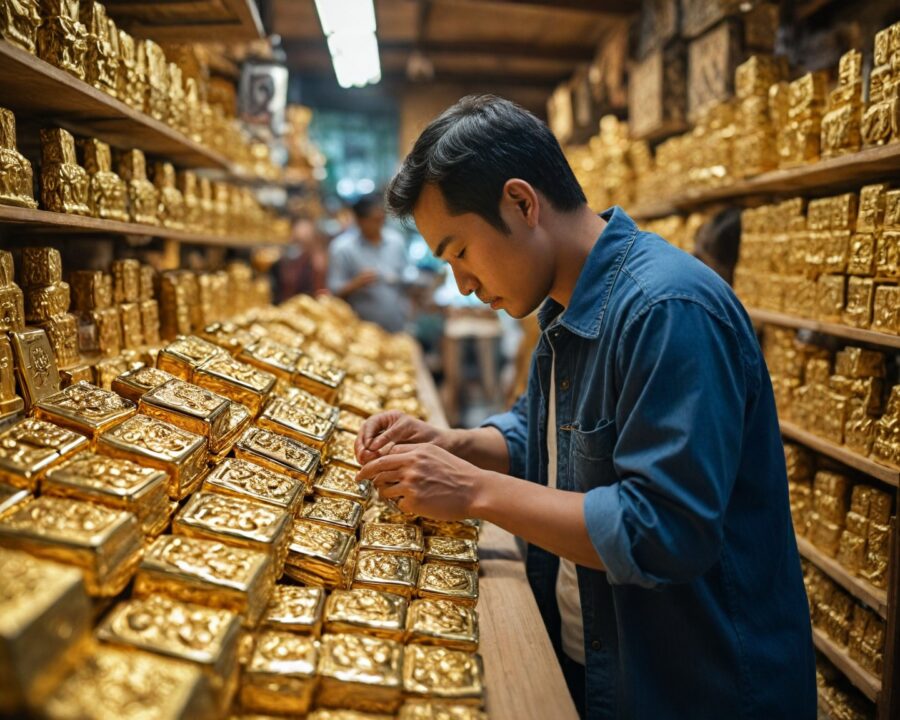
Introduction to Gold as a Travel Souvenir
For centuries, gold has been revered not only for its intrinsic value but also for its symbolic significance across various cultures. When travelers embark on a journey, the allure of bringing back a piece of this precious metal in the form of a souvenir is undeniable. Gold, in its many forms, offers a tangible piece of the locale visited, serving as a timeless reminder of the experiences and adventures undertaken.
The quest for unique souvenirs has become an integral part of traveling. While many tourists opt for postcards, magnets, or textiles, adding gold to the list of collectible items can offer both aesthetic pleasure and financial benefits. Imagine holding a finely crafted gold artifact from a distant bazaar in Istanbul, or a uniquely designed pendant from the streets of Bangkok—each item telling a story, encapsulating the essence of the place and its traditions.
Incorporating gold souvenirs into your travel adventures not only celebrates the beauty and craftsmanship of the item but also enriches your journey with a deeper connection to the locale’s culture and history. As you traverse different landscapes, seeking out artisanal gold pieces can become a rewarding challenge, allowing you to engage with local artisans and markets.
However, the pursuit of gold souvenirs requires discernment and knowledge. Understanding the authenticity, artistic value, and ethical considerations of these pieces is vital to ensure that your collectibles are genuine and responsibly sourced. As we delve deeper into this guide, you’ll discover how to navigate the world of gold collectables, ensuring each addition to your collection is both meaningful and valuable.
Historical Significance of Gold in Different Cultures
Gold has long played a pivotal role in the historical narratives of civilizations around the world, symbolizing power, divinity, and wealth. In ancient Egypt, gold was revered as the flesh of the gods, embodying the divine glow of the sun. Pharaohs were often buried with extravagant gold artifacts to accompany them into the afterlife, as seen in the treasures unearthed from Tutankhamun’s tomb.
In India, gold has been integral to the cultural and religious fabric for thousands of years. Celebrated in festivals like Akshaya Tritiya, it is considered auspicious and a symbol of prosperity and good fortune. Traditional Indian wedding jewelry, known for its intricate craftsmanship, exemplifies the cultural importance of gold in marking life’s significant milestones.
Mesoamerican societies like the Aztecs and the Incas also held gold in high esteem, albeit with different perspectives. For these cultures, gold was the sweat of the sun, a mere adornment rather than currency, which played a role in their eventual conquest by gold-hungry European explorers. Each culture infused gold with unique meanings, reflecting their values and beliefs.
Throughout history, gold’s significance has transcended mere ornamentation. It has acted as a medium of exchange, a signifier of status, and a vehicle of storytelling passed down through generations. As such, when purchasing gold souvenirs, understanding their historical context can elevate them beyond mere material objects, transforming them into vehicles of cultural heritage and historical reflection.
How to Identify Authentic Gold Souvenirs
Authenticity is paramount when collecting gold souvenirs. As with any valuable commodity, gold can be subject to counterfeiting. To ensure the pieces you acquire are genuine, understanding a few key principles can safeguard your investments and enhance your travel experience.
Firstly, check for hallmarks. Authentic gold items typically carry stamps indicating their purity level, such as “24k,” “18k,” or “14k,” reflecting the amount of pure gold in the item. These stamps often reside on an inconspicuous part of the jewelry or artifact. If a gold piece lacks such marks, consider it a red flag.
Secondly, conduct a simple magnet test where possible. Gold is non-magnetic, so if the item is attracted to a magnet, it likely contains other magnetic materials and not pure gold. This elementary test can quickly help rule out many counterfeit products, though it doesn’t confirm authenticity on its own.
Lastly, purchasing from reputable sellers is essential. Markets and shops with established reputations are less likely to offer counterfeit goods. Researching well-reviewed vendors and artisans, or seeking out certified local goldsmiths, can enhance the likelihood of acquiring genuine, high-quality pieces. Remember, an informed purchase not only protects your investments but also respects the craftsmanship of the artisans who produce these gold treasures.
Top Destinations for Gold Souvenir Shopping
When it comes to searching for gold souvenirs, certain destinations around the world stand out for their rich heritage and exceptional craftsmanship. These places offer travelers the opportunity to explore unique markets and engage with skilled artisans.
Dubai, United Arab Emirates
The Gold Souk in Dubai is legendary for its vast selection and competitive prices. Here, shopping for gold becomes an experience in itself, with vendors displaying exquisite jewelry crafted with precision and artistry. Bargaining is common practice, and visitors should be ready to engage in the traditional haggling etiquette.
Istanbul, Turkey
Istanbul’s Grand Bazaar is a historical hub filled with a stunning array of gold jewelry and ornamental pieces. Turkish goldsmiths are famed for their work with intricate filigree designs and traditional motifs. The eclectic blend of East meets West in these creations makes each item a noteworthy addition to any collection.
Bangkok, Thailand
Thailand is known for its high-quality gold craftsmanship, and Bangkok’s Chinatown is a haven for gold enthusiasts. Thai gold is typically 23-24 karats, lending a rich hue to jewelry and artifacts. Whether you’re looking for a special keepsake or everyday wear, the markets of Bangkok offer a diverse range of styles to explore.
Jaipur, India
In Jaipur, often referred to as the “Pink City,” you’ll find an extraordinary selection of gold jewelry. Known for their Kundan and Meenakari styles, Jaipur goldsmiths create pieces featuring elaborate handwork and colorful enamels. These adornments reflect the grandeur of Indian tradition and make for truly distinctive souvenirs.
When exploring these destinations, immerse yourself in the rich gold culture they have to offer. From bazaars to artisan boutiques, these places provide a gateway to discovering gold in its most beautiful and storied forms.
Tips for Bargaining and Purchasing Gold Abroad
Navigating the art markets and bazaars of foreign lands can be daunting, but mastering the skill of bargaining can lead to rewarding purchases. Here are some practical tips to enhance your shopping experience abroad:
Do Your Research
Understanding the going rate for gold in the country you’re visiting can empower you during negotiations. Checking daily gold prices online gives you a baseline to compare against the vendor’s initial offer. Moreover, familiarize yourself with the local customs and etiquette surrounding bargaining to avoid offending sellers.
Start Low
When haggling, it’s typically wise to start at a lower offer than you’re willing to pay. Vendors often quote prices higher than their minimum to allow room for bargaining. Your initial offer should be countered with a price halfway to what you’re ultimately willing to spend.
Read the Room
Pay attention to the vendor’s responses and body language. Seasoned sellers reveal subtle cues indicating whether they’re flexible in pricing. If they appear uninterested in negotiating further, be prepared to walk away; often, they’ll call you back with a better offer.
Adopting these strategies can enhance your ability to secure authentic gold souvenirs at fair prices, making the experience both enriching and economically sensible.
Caring for Your Gold Souvenirs
Once you have acquired your precious gold souvenirs, proper care is essential to maintain their beauty and value over time. Unlike many other types of materials, gold is relatively low-maintenance, but attention to a few critical factors can help preserve its allure.
Regular Cleaning
To keep gold items looking their best, regular cleaning is vital. Use a mild dish detergent mixed with warm water, and gently scrub your gold pieces with a soft brush. Rinse thoroughly and dry with a soft cloth. This routine prevents the accumulation of oils and debris which can dull gold’s natural shine.
Protection from Chemicals
Chemicals found in household cleaning agents, perfumes, and even cosmetics can tarnish or damage your gold items. To prevent this, remove jewelry when engaging in activities involving exposure to such substances, or consider wearing a protective layer.
Proper Storage
Store your gold souvenirs in a secure, dry place, preferably in a cloth-lined jewelry box or a separate compartment. This storage strategy prevents scratches and minimizes tarnish risks, ensuring your treasures remain as lustrous as the day you acquired them.
By following these simple guidelines, your gold souvenirs will continue to remind you of your adventures for many years, serving as lasting tokens of your travels.
Incorporating Gold Souvenirs into Home Decor
Gold souvenirs need not be confined to a jewelry box; they can be creatively integrated into your home decor to serve as focal points and conversation starters. With a touch of thoughtfulness, these cherished items can enhance your living space’s aesthetic appeal.
Creating Vignettes
Curate small thematic displays featuring your gold pieces atop bookshelves, mantels, or side tables. Combining these items with other decor elements like candles, plants, or framed photos can create visually appealing narratives depicting your journeys.
Wall Displays
Framed gold artifacts or jewelry can be showcased as art pieces on your wall. Seek unique and elegant frames that complement the style of your gold pieces, allowing them to be appreciated even when they’re not being worn or handled.
Incorporating into Existing Decor
Gold souvenirs can add a subtle touch of opulence to any room. Consider using gold items as part of a table centerpiece, adornments for shadow boxes, or even as decorative elements on pillows and throws.
By integrating gold souvenirs into your home’s design, you keep the memories of your travels alive and visible, enriching your daily environment with stories from around the world.
The Value of Gold Souvenirs as Investments
Collecting gold souvenirs provides more than aesthetic or sentimental value; it can also serve as a strategic investment. While the primary goal of tourism is cultural enrichment, gold purchases can have long-term financial benefits due to the enduring value of this precious metal.
Hedge Against Inflation
Gold has traditionally been considered a hedge against inflation. Its value tends to increase during economic downturns, making it a resilient asset to offset the eroding effects of inflation, while other investments might falter.
Tangible Asset
Unlike stocks and bonds, gold is a tangible asset that you can physically possess and appreciate. This characteristic gives it intrinsic value besides the market fluctuations, providing both security and pleasure as part of a diversified investment portfolio.
Demand and Liquidity
Gold is consistently in demand around the globe, translating into a liquid asset that can be quickly sold if needed. While the designs and origin might add a premium, the core value is retained, potentially offering returns over time.
Collecting gold souvenirs, therefore, poses the prospect of blending cultural discovery with prudent financial planning, enriching both your experiences and your portfolio.
Ethical Considerations When Buying Gold Souvenirs
When purchasing gold souvenirs, understanding the implications of your purchase extends to the ethics of gold sourcing and its broader environmental and social impacts. Making informed choices not only ensures personal gain but also supports responsible practices in the industry.
Know the Source
Seek out information about the origins of the gold you are buying. Ethical sourcing is growing within the industry, with initiatives such as the Fairmined label ensuring responsible mining practices that respect labor rights and environmental standards.
Support Local Artisans
Buying directly from local artisans over chain retailers not only assures better income distribution but also honors traditional craftsmanship and sustains cultural heritage. Engaging with artisans allows you to learn about their craft and contribute positively to their communities.
Avoid Exploitative Practices
Be wary of deals that seem too good to be true, as they might involve exploitative labor practices or the degradation of local ecosystems. Awareness and vigilance about these issues can guide more informed decisions, promoting a more ethical marketplace.
By considering these ethical factors, your gold souvenir purchases can have a positive impact, contributing to global sustainability efforts while providing you with meaningful keepsakes.
Personal Stories: Travelers and Their Gold Souvenirs
The allure of gold traveling souvenirs is not just in the items themselves, but in the stories they hold. Here are a few personal narratives from travelers who have found unique, golden reminders of their adventures.
Sarah’s Tale from Cairo
While roaming the vibrant streets of Cairo, Sarah stumbled upon a local bazaar selling stunning handcrafted gold bracelets. Drawn to their delicate designs, she learned about the ancient craft techniques passed down through generations of the artisan’s family. Her bracelet now holds memories of the rich Egyptian culture and the warm hospitality she encountered.
Marco’s Market Find in Jaipur
Marco’s exploration of Jaipur’s bustling markets led him to an elegant gold pendant adorned with colorful gemstones. The vendor, a skilled goldsmith, shared the history of the city’s renowned Kundan jewelry. The piece not only enriches Marco’s collection but serves as a testament to India’s intricate artistry.
Lisa’s Quest in Rio de Janeiro
In Rio de Janeiro, Lisa was captivated by a gold Cristo Redentor necklace. Engaging with a local designer, she discovered how the piece symbolized more than faith; it represented the city’s vibrant spirit. This souvenir captures the essence of Rio, preserving the joyous memories of her journey.
These stories highlight how each gold souvenir carries more than just monetary value—it captures moments and emotions, becoming a cherished chapter in a traveler’s story.
Conclusion: Making Gold a Part of Your Travel Memories
Gold-infused travel souvenirs offer a unique blend of history, culture, and artistry. They bring home more than just a fragment of the places visited; they encapsulate stories, people, and the spirit of a locale. Integrating these luxurious collectibles into your journeys can add depth and significance to your travel experiences.
As you explore various destinations and cultures, seeking out authentic and ethical gold souvenirs allows you to contribute to sustainable practices while gaining meaningful keepsakes. These items can serve not only as decor or adornment but as lasting mementos of your travels, providing both personal joy and potential financial benefit.
Ultimately, the fusion of travel and gold collectibles is a journey of tasteful exploration and cultural appreciation. It serves to enhance your adventures, ensuring that the treasures you bring back are not merely objects, but cherished links to the world’s diverse tapestries.
FAQ
How can I tell if my gold souvenir is genuine?
To determine the authenticity of gold, check for hallmarks or stamps indicating purity, perform a magnet test, and purchase only from reputable sellers. Hallmarks might include stamps like “24k” or “18k,” and genuine gold should not be magnetic.
What destinations are known for gold souvenir shopping?
Dubai, Istanbul, Bangkok, and Jaipur are renowned for their gold markets, offering a variety of authentic and beautifully crafted gold keepsakes.
What should I be aware of when bargaining for gold abroad?
Research local gold prices, start negotiations with a lower price, and observe the seller’s reactions to gauge flexibility in pricing. Understanding local bargaining practices helps in securing a fair deal.
Are gold souvenirs a good investment?
Yes, gold holds intrinsic value and can serve as a hedge against inflation. Its liquidity and enduring demand make it a viable long-term investment option.
How do I care for my gold souvenirs to ensure they remain in good condition?
Regularly clean with mild soap and warm water, store properly to avoid scratches, and guard against exposure to harmful chemicals and abrasives.
Is it important to consider ethical practices when buying gold?
Absolutely. Ensuring that your gold is ethically sourced supports sustainable practices, protects labor rights, and contributes positively to local economies.
Recap
Gold souvenirs are more than just trip mementos—they’re vessels carrying the essence of your travel adventures. Understanding their historical contexts, careful sourcing, and proper care ensures that these treasures are preserved as enduring keepsakes. When chosen responsibly, they serve as ethical investments, enriching both personal memories and financial portfolios, all while telling stories of cultural encounters and cherished moments from around the world.