
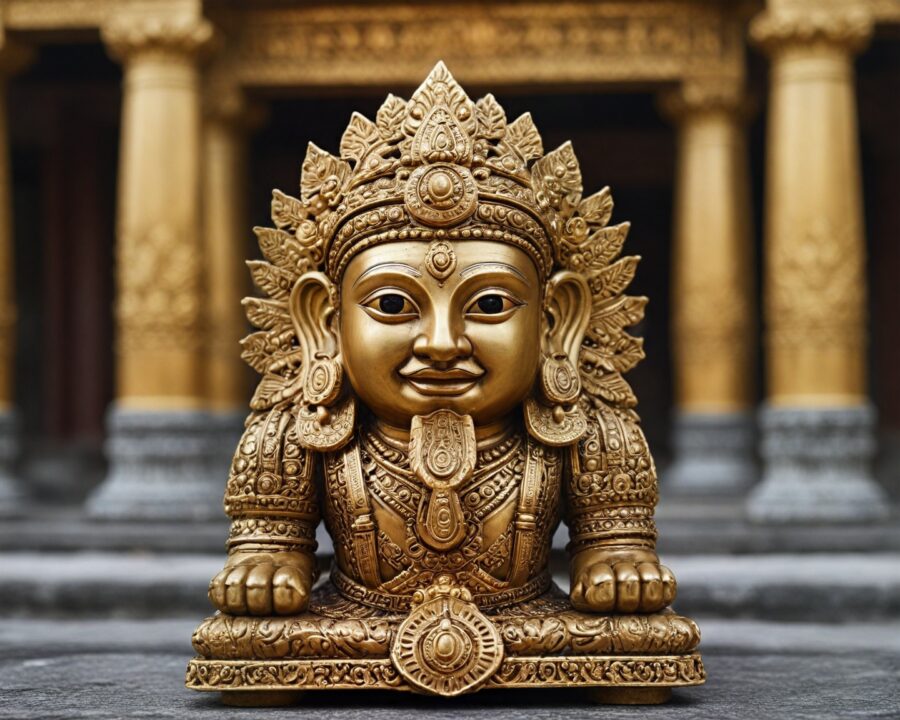
Introduction to Gold in Eastern Mythologies
Gold has captivated human imagination since time immemorial. In the realm of Eastern mythologies, its allure is not merely due to its intrinsic value or brilliance but also because of the deep symbolic meanings it holds. Eastern cultures, with their rich tapestry of traditions, beliefs, and stories, have imbued gold with significance that transcends the material sphere. From sacred texts to folktales, gold is frequently portrayed not just as a valuable commodity but as an essential element in the spiritual and cultural narratives of the East.
Eastern mythologies, ranging from the divine epics of Hindu civilization to the intricate lore of Chinese dragons, present gold as a multifaceted symbol. This article delves into the historical contexts, mythical narratives, and cultural expressions surrounding gold in Eastern traditions, exploring how this precious metal has been intertwined with ideas of divinity, power, and eternal life. As we journey through these narratives, we will uncover not only the ancient stories that gold has helped to shape but also its lasting impact on modern culture and art.
Historical Context of Gold in Eastern Cultures
Throughout history, Eastern cultures have held gold in the highest regard, using it in various forms of adornment, currency, and religious artifacts. The precious metal’s presence in Eastern societies dates back thousands of years, with archaeological discoveries revealing gold artifacts in ancient civilizations such as those in India, China, and Persia.
In ancient India, gold was more than a measure of wealth; it was a symbol of divine favor and spiritual advancement. Indian societies utilized gold in religious ceremonies, symbolizing purity and immortality. Similarly, the Chinese dynasties of antiquity viewed gold as an essential part of their cultural and economic landscape. Gold mined from China’s vast territories helped fuel the development of sophisticated artifacts and was a crucial component of their monetary system.
The historical context of gold in Eastern cultures highlights its dual role as both a tangible asset and a spiritual symbol. Across ancient Persia, gold symbolized divine kingship and was often associated with the glory and splendor of the royal court. These ancient perspectives demonstrate how deeply gold was embedded in the cultural fabric, influencing socio-economic structures and religious rites.
Gold as a Symbol of Wealth and Power
Gold has perpetually been a symbol of wealth and power across all cultures, and the East is no exception. Its indestructible nature and dazzling appearance have made it the preferred medium for expressing authority and grandeur. Rulers and emperors throughout Eastern history have leveraged gold to assert their dominance and bright legacy.
The opulent courts of Chinese emperors, for instance, glittered with gold treasures, from intricate jewelry to gilded palaces. Possessing gold was not only indicative of a ruler’s wealth but also represented heavenly favor and the divine right to rule. Similarly, in ancient India, gold thrones and crowns were common among royalty, denoting divine authority and worldly power.
Furthermore, in Persia, the concept of “king of kings” was often illustrated through the exhibition of gold. The Achaemenid Empire particularly made lavish use of gold to produce ceremonial objects and paraphernalia, showcasing the unity and might of its vast domain. Thus, gold has always been an essential tool for monarchs to convey strength, fulfill political ends, and maintain their influence.
Religious and Spiritual Significance of Gold
The religious significance of gold is incredibly profound in Eastern societies, where it is seen as a direct connection to the divine. Many religions prevalent in the East, including Hinduism and Buddhism, incorporate gold into their rituals and iconography, using it as a stand-in for divine light and spiritual purity.
In Hinduism, the deities are often depicted with gold embellishments, which symbolize their divine nature and otherworldliness. Gold’s ability to reflect light is seen as an embodiment of the divine energy that radiates from these gods and goddesses. In temples across India, gold is abundant, used in everything from icons to the gilded walls that house the sacred images.
Buddhism likewise holds gold in high spiritual regard. The material is found abundantly in Buddhist temples, from towering golden statues of the Buddha to the gold leaf applied in layers by devotees. Gold in Buddhist tradition signifies enlightenment, the most exalted state of being one can achieve, mirroring the pure and unfettered spirit that is the essence of Buddha’s teachings.
Gold in Chinese Mythology: Dragons and Immortals
Chinese mythology is replete with tales where gold plays a central role, especially in association with dragons and immortals. The dragon, a symbol of strength and good fortune, is often depicted in golden colors, representing its ties to prosperity and celestial power. In these myths, dragons are guardians of precious metals, including gold, which underscores their role in sustaining wealth and abundance.
Moreover, the legend of the Eight Immortals in Taoist mythology frequently mentions gold. These figures, who have achieved eternal life, are often associated with golden artifacts, symbolizing their eternal nature and the wealth of spiritual knowledge they possess. Gold in such stories acts as a link between the mortal world and the divine, suggesting that spiritual enlightenment is akin to acquiring an invaluable treasure.
In addition, many Chinese folktales incorporate gold as a transformative and protective element, where it guards against evil and brings fortune. The symbolic use of gold in these myths underscores a universal theme throughout Chinese mythology: the balance between material wealth and spiritual enlightenment.
The Role of Gold in Hindu Mythology: Gods and Legends
Hindu mythology is abundant with references to gold, especially through its association with gods and legendary narratives. The Hindu pantheon is richly adorned with golden imagery, symbolizing the brilliance and divine nature of its deities. These mythological texts frequently describe gods residing in celestial abodes made of gold, reflecting their immortality and unearthly status.
According to Hindu legends, one of the earliest references to gold is in the story of the churning of the ocean (Samudra Manthan), where precious materials, including gold, emerged from the sea alongside divine ambrosia. This cosmic event signifies the interconnectedness of the material and the divine, portraying gold as an asset of divine origin.
Gold is also significant in various Hindu ceremonies and rituals, indicating prosperity and auspiciousness. Weddings, festivals, and temple offerings often involve gold, signifying the presence of divine benevolence and blessing. Its use in religious icons and temple statuaries affirms its role as a conduit of spiritual power.
Gold in Japanese Mythology: Folklore and Traditions
Japanese mythology and folklore also afford special significance to gold, weaving it into various narratives and traditional beliefs. The metal is often regarded as a bringer of harmony and balance, aligning with the Japanese value of aesthetic beauty and order.
The folktale of Kintaro, the Golden Boy, illustrates gold’s association with fortune and valor. Kintaro is an exemplary figure known for his strength and fearless adventures, symbolizing the prosperity and vigor that gold embodies. His very name, “Kin,” means gold in Japanese, highlighting gold’s role as a harbinger of good luck and courage.
In traditional Noh theater, gold is prominently featured in costumes and face paint, symbolizing nobility and the characters’ elevated statuses. Gold foil also finds its way into the craft of Kintsugi, the art of repairing broken pottery with gold lacquer, symbolizing the beauty of imperfection and the value of redemption.
Symbolic Meanings of Gold in Buddhist Traditions
Buddhism’s aesthetic and spiritual practices are enriched through the use of gold, which represents transcendence and enlightenment. Gold’s immaculate luster becomes a metaphor for the enlightened mind, equals in purity and brilliance. This association elevates gold to a celebrated position within Buddhist iconography.
The creation of gold statues and paintings of the Buddha and bodhisattvas often serves as an offering from devotees seeking spiritual merit. Temples, especially in Thailand and other Southeast Asian countries, are lush with golden motifs, affirming teachings of compassion, wisdom, and continual striving towards nirvana.
Moreover, gold plays a role in higher rituals such as the veneration of sacred texts and symbolic regalia worn by monks. As gold signifies enduring truth and purity, it assists practitioners in their pursuit of the unfettered path, illuminating the joys and serenity found in Buddhist teachings.
Gold in Ancient Persian Myths and Legends
Ancient Persian myths are rife with references to gold, portraying it as an emblem of divine sovereignty and monumental achievement. In Zoroastrianism, Persians believed in the divine blessing of kingship conferred with gold, aligning it directly with heavenly ordination.
A renowned legend involves the hero Rustam, who possessed golden armor and weaponry. His invincibility and heroic feats reflect the intrinsic worth and strength of gold. Similar stories link Persian heroes to golden objects, amplifying their valor and divine connection in an ancient context.
Additionally, gold is recurrent in tales of paradise and utopia within Persian lore. Rare and invaluable, gold in these stories denotes immortality and the opulent wisdom of lost ages. These legends underscore the profound spiritual significance that continues to captivate and inspire to this day.
The Influence of Gold on Eastern Art and Architecture
The impact of gold on Eastern art and architecture cannot be understated. Its use has transcended mere adornment, influencing the very aesthetics and spiritual dimensions of art forms throughout history. Gold has been used to convey opulence and the divine within temple architecture, religious statuary, and more.
| Region | Art Form | Influence of Gold |
|---|---|---|
| India | Temple Architecture | Gilded towers, gold leaf patterns |
| China | Porcelain and Ceramics | Gold glaze, decorative inlays |
| Persia | Metalwork | Intricate gold filigree designs |
In India, grand temples with gold adornments serve as seats of devotion and aesthetic achievement. The Akshardham Temple in New Delhi and the Golden Temple in Amritsar stand out for their prodigious use of gold to enhance spirituality.
Chinese art traditions often integrate gold into porcelain, forming enchanting designs that enhance cultural motifs. Persian artisans have crafted exquisitely detailed gold metal works that celebrate both functional and decorative arts, leaving an indelible mark on history and modern cultural expressions.
Conclusion: The Enduring Legacy of Gold in Eastern Cultures
The narratives surrounding gold in Eastern mythologies underscore an enduring legacy that transcends time and geography. Its presence in ancient texts, legends, and rituals illustrates a rich tradition steeped in symbolism and reverence. To this day, gold continues to reflect notions of divinity, power, and prosperity across Eastern societies, pervading not just cultural memory, but also contemporary art and architecture.
Eastern mythology’s portrayal of gold as a divine and transformative substance invites deeper exploration and understanding of the values and ideals that define these rich cultures. From the lands where it is mined to the stories it inspires, gold’s light guides our appreciation of Eastern mythological traditions and how they continue to shape our historical consciousness and artistic expressions.
FAQ
What role does gold play in Eastern mythology?
Gold is often depicted as a symbol of divinity, power, and eternal life in Eastern mythology. It appears in various narratives and is associated with gods, heroes, and significant cultural tales, representing prosperity and spiritual enlightenment.
How is gold used in Eastern religious practices?
In Eastern religious practices, gold is used in temple decorations, statues, and religious artifacts to symbolize purity and divine presence. It plays a critical role in rituals and as offerings that demonstrate devotion and respect for the divine.
Why is gold important in Chinese mythology?
Chinese mythology often associates gold with dragons and immortals, symbolizing prosperity, strength, and fortune. Gold is depicted in tales as a protective element and a giver of wisdom, connecting it to celestial power and endurance.
How does Hindu mythology incorporate gold?
Hindu mythology uses gold as a representation of divine qualities and cosmic events. Gold appears in stories about gods and is involved in significant rituals that symbolize prosperity, purity, and divine favor.
What are the symbolic meanings of gold in Buddhist traditions?
In Buddhism, gold signifies purity, enlightenment, and the unfettered spirit. It is prominent in statues and religious regalia, symbolizing the enlightened mind and the virtues of the Buddha’s teachings.
What influence does gold have on Eastern art and architecture?
Gold has profoundly influenced Eastern art and architecture, enhancing religious and cultural expressions through gilding and decorative motifs. It signifies opulence and sanctity, leaving a lasting mark on temple structures and artifacts.
How is gold depicted in Japanese mythology?
Gold in Japanese mythology symbolizes fortune, valor, and harmony. It appears in literature like the story of Kintaro and traditional crafts such as Kintsugi, representing beauty and redemption in imperfection.
What is the historical significance of gold in Eastern cultures?
Historically, gold in Eastern cultures has been central to economic systems, religious ceremonies, and as a symbol of divine and royal power. It is deeply embedded in cultural narratives and continues to be a potent emblem of wealth and spirituality.
Recap
This article explored the multifaceted symbolism of gold in Eastern mythologies and its impactful role in socio-cultural contexts. We examined how gold features in Chinese, Hindu, Japanese, and Persian myths, its religious and spiritual significances, and how it has inspired Eastern art and architecture. Gold remains a powerful symbol of enlightenment, prosperity, and divine connection across these diverse cultures.
Conclusion
The exploration of gold in Eastern mythologies reveals its profound and enduring significance. It transcends mere material wealth, resonating as a symbol of divinity and eternal life. Its portrayal within ancient tales and religious practices showcases a rich tapestry of beliefs that continue to influence modern cultural and spiritual traditions. As societies evolve, the timeless legacy of gold endures, shimmering through narratives that span centuries and continents. Understanding these meanings enriches our appreciation of Eastern cultures and highlights the universal values that connect us across eras and paradigms.