
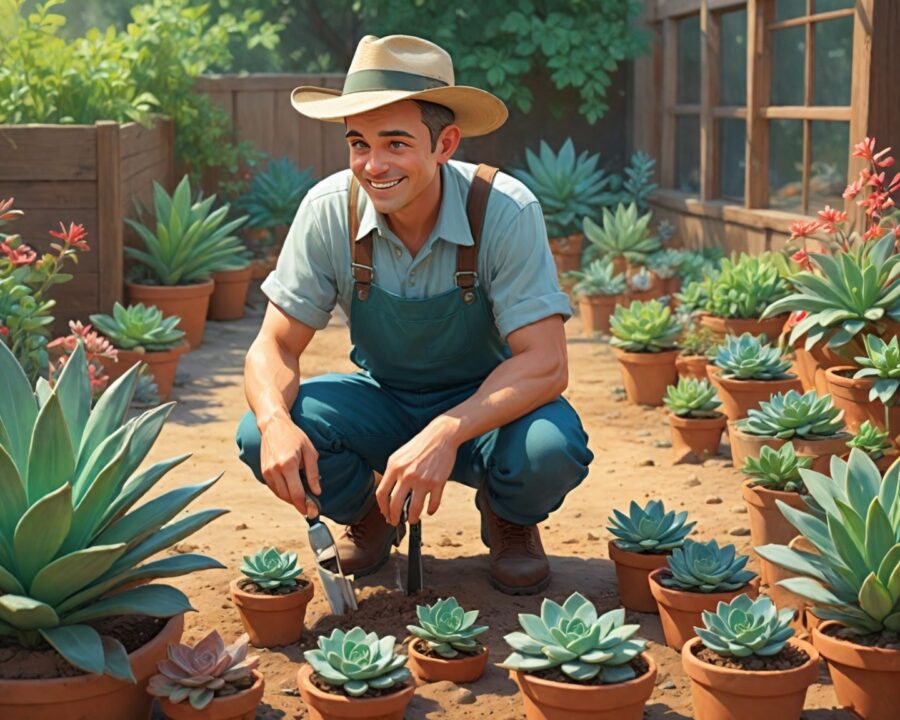
Creating a garden can seem intimidating, especially for beginners who fear the complexities of garden maintenance. However, crafting a low-maintenance garden can make the process manageable and rewardingly simple. Such gardens cater to those who wish to enjoy the beauty of nature without being overwhelmed by constant upkeep. With proper planning and the right choice of plants, you can create a beautiful space that requires minimal effort, allowing you to enjoy the pleasures of gardening without it becoming a burden.
Low-maintenance gardens are ideal for beginners because they introduce the basics of gardening in an approachable way. By incorporating easy-care plants and thoughtful design, these gardens serve as an excellent entry point into the world of horticulture. Below, we’ll guide you through the steps to create your low-maintenance oasis, from selecting essential tools and designing your garden layout to providing care tips and sustainable practices. Whether you have a small balcony or a spacious backyard, you can start your gardening journey with ease.
What is a Low-Maintenance Garden and Why It’s Ideal for Beginners
A low-maintenance garden is one designed to minimize the time and effort required for upkeep. It’s perfect for beginners due to its simplicity and focus on durable, pest-resistant plants that thrive in local conditions. Unlike traditional gardens, low-maintenance versions require less frequent watering, fertilizing, and pruning, making them easy to manage for those with limited gardening experience.
The appeal of low-maintenance gardens lies in their adaptability. You can scale them to fit any space, from a container garden on an apartment balcony to a backyard landscape. These gardens typically focus on hardy plants that are less sensitive to changes in weather, reducing the risk of plant failure and boosting the gardener’s confidence.
For beginners, such gardens ease the learning curve associated with traditional gardening. They offer an opportunity to successfully nurture plants and see tangible results without the frustration often accompanied by high-maintenance designs. This increased success rate fosters a sense of accomplishment and provides a solid foundation for future gardening endeavors.
Essential Tools and Materials for a Beginner-Friendly Garden
Before launching into the planting stage, gathering the right tools is essential to streamline the process and achieve optimal results for your low-maintenance garden. Having the right equipment on hand not only makes gardening tasks more manageable but also enhances the overall experience for a fledgling gardener.
To get started, consider investing in essential gardening tools such as a trowel, hand pruner, and a durable pair of gardening gloves. A trowel assists with the planting and transplanting process, while hand pruners are necessary for trimming dead or overgrown foliage. Gardening gloves protect your hands from potential injuries and help maintain a comfortable grip when working with soil or prickly plants.
In addition to tools, materials such as quality soil, mulch, and organic fertilizers are crucial. Soil provides the foundation for your plants, so selecting the right type is pivotal to their growth. Mulch helps retain moisture and suppress weeds, reducing your maintenance workload. Using organic fertilizers boosts soil fertility and ensures healthy plant growth, leading to a thriving garden with minimal intervention.
Choosing the Best Low-Maintenance Plants for Your Garden
Selecting plants well-suited for low-maintenance gardening is the next critical step. It involves considering factors such as climate compatibility, drought resistance, and pest resilience. Opt for native species that are well-adapted to your region’s conditions for a successful outcome without intensive care.
Native perennials, ornamental grasses, and succulents are popular choices for their durability and ease of care. These plants typically thrive with less water and are more resistant to local pests and diseases. They also require less pruning and can tolerate varying soil conditions, making them ideal for the novice gardener.
Here’s a quick comparison table to help you select the best low-maintenance plants:
| Plant Type | Key Characteristics | Climate Suitability | Maintenance Level |
|---|---|---|---|
| Native Perennials | Long-lasting blooms, drought-resistant | Varies by region | Low |
| Ornamental Grasses | Hardy, tolerate less-than-ideal soils | Temperate, arid | Very low |
| Succulents | Water-storing, sun-loving | Dry, warm | Minimal |
| Shrubs | Act as a structural foundation | Wide range | Moderate to low |
Evaluating your garden’s environmental conditions, such as sunlight exposure and soil type, is crucial in making informed plant choices. Selecting the best plants aligned with those factors will significantly reduce the effort needed to care for your garden.
How to Design a Simple and Functional Garden Layout
Designing a garden layout that balances aesthetics and functionality is pivotal for a low-maintenance garden. It involves strategic planning to ensure maximum use of space while minimizing the efforts required for regular upkeep.
Begin by sketching your garden’s boundary and marking out areas for planting, paths, and any other features you wish to include, such as a seating area or decorative elements. Incorporate paths that allow easy access to plants for watering and maintenance without disturbing the soil bed excessively.
Divide the planted zones according to the needs of the various plants, placing sun-loving plants in areas with maximum exposure and shade-tolerant ones under trees or structures. Group plants with similar watering and sunlight needs together to streamline their care.
Finally, consider adding layers to your garden design. Use taller plants or shrubs as a backdrop and smaller plants in the foreground. This not only enhances visual appeal but also ensures that each plant receives adequate sunlight and ventilation, creating a harmonious and efficient garden environment.
Tips for Soil Preparation and Easy Maintenance
Preparing your soil appropriately is crucial for the health and sustainability of your low-maintenance garden. Quality soil encourages robust plant growth with fewer resources. Here are some tips to ensure your soil is up to the task:
-
Test Your Soil: Begin by testing your soil to determine its pH and nutrient levels. Many local extension services offer testing kits and recommendations to balance the nutrients as needed.
-
Amend the Soil: Based on test results, amend your soil with compost or well-rotted manure to improve its structure and fertility. Organic matter increases water retention and improves aeration, making it easier for plant roots to develop.
-
Mulch Application: Apply a layer of mulch around your plants after planting. Mulch reduces water evaporation, suppresses weeds, and maintains consistent soil temperatures, all contributing to less maintenance.
Once soil preparation is complete, choose slow-release fertilizers to reduce the frequency of nutrient applications. Ensuring your soil is in peak condition from the outset will help establish your garden successfully and reduce the need for constant intervention.
Watering Strategies for a Low-Maintenance Garden
Watering effectively is crucial to the success of any garden, particularly if you’re focusing on low maintenance. Efficient watering strategies can save time and resources while promoting healthy plants even in demanding climates.
One strategy involves implementing a drip irrigation system. Drip irrigation delivers water directly to the roots, reducing waste and ensuring efficient usage. It requires minimal adjustment once established, making it a perfect choice for low-maintenance gardening.
Alternatively, if you prefer manual watering, invest in a soaker hose. Soaker hoses, like drip irrigation, deliver water directly to a plant’s base, concentrating moisture where it’s needed most and minimizing evaporation. They are easy to adjust and move, offering flexibility for small garden spaces.
Water plants in the early morning or late afternoon to reduce evaporation and give foliage time to dry, minimizing the possibility of fungal diseases. This practice ensures plants have adequate hydration to thrive with minimal effort.
Common Beginner Mistakes and How to Avoid Them
Like any project, creating a low-maintenance garden comes with its unique challenges and pitfalls. Beginner gardeners may encounter several common mistakes that can be avoided with some foresight and planning.
One frequent mistake is over-planting, which can lead to overcrowding and competition for resources. Begin with a few plants, allowing them space to grow to their full potential before introducing more. This approach also helps you manage your garden more effectively without feeling overwhelmed.
Another common error is ignoring the specifics of your chosen plants in terms of sunlight, water, and soil requirements. Each plant type has its needs, and grouping those with similar demands simplifies care. Conduct research on compatible plant types and pair them in the same area to streamline maintenance tasks.
Lastly, avoiding regular checks can lead to problems going unnoticed until they become significant. Allocate a set time weekly to inspect your garden for signs of pests, diseases, or any stress symptoms in your plants. Early detection makes it easier to apply corrective measures promptly.
Seasonal Care Tips to Keep Your Garden Thriving
Seasonal changes present varying challenges and opportunities in your garden. Adapting care routines to suit these changes is essential for a thriving low-maintenance garden.
In spring, focus on tidying up from winter. Clear any fallen debris and prune any dead growth to encourage new shoots. Cultivate your beds by applying a fresh layer of organic mulch to prepare for active planting months.
Summer is often the growing season when plants require consistent watering. Monitor moisture levels and adjust your irrigation accordingly. Fertilize lightly if necessary and keep a watchful eye on pest activity.
Autumn signifies a period of transition. Remove spent plants and incorporate organic matter into beds to bolster soil health. It’s also an ideal time to plant perennials that will perform well the following year.
During winter, protection is key. Depending on your climate, cover sensitive plants with frost blankets and mulch to insulate roots against freeze damage. While activity may slow, these precautionary measures ensure your garden remains healthy and ready for spring growth.
Incorporating Sustainable Practices in Your Garden
Sustainability can enhance the benefits of a low-maintenance garden by reducing reliance on external resources and promoting environmental responsibility. By adopting eco-friendly practices, you can maintain a healthy garden with less impact on the planet.
A fundamental principle of sustainability in gardening is composting. By recycling kitchen scraps and garden debris into rich compost, you can create a nutrient-dense soil amendment that reduces the need for synthetic fertilizers.
Incorporating rainwater harvest systems is another impactful practice. Collecting rainwater through barrels helps reduce water bills and provides a chemical-free water source for your plants.
Lastly, encourage biodiversity by creating habitats for beneficial insects and wildlife. Incorporating native plants, bird feeders, or bee hotels supports local ecosystems and enhances pollination, contributing to a robust garden environment with minimal human intervention.
Next Steps: Expanding Your Garden with Confidence
Once you’ve established your low-maintenance garden, you may feel inspired to expand or diversify your efforts. Begin by considering areas in your garden where enhancements or additions could be made, whether it’s introducing new plant varieties or expanding plant beds.
Research new plants that complement your current selections and offer additional attributes such as varied blooms or textures. You might also try your hand at companion planting, integrating species that support mutual growth while maintaining a low-maintenance approach.
Should you wish to explore further, consider integrating themed sections into your garden such as a herb garden or a sensory area with plants that enthuse the senses. Ensure any expansions continue to align with the low-maintenance philosophy to ensure sustainability and ease of management.
Frequently Asked Questions
How often should I water my low-maintenance garden?
The frequency of watering depends on your climate and plant selection. Generally, low-maintenance gardens require less frequent watering than traditional gardens, as plants are selected based on drought tolerance. However, aim to water deeply and less often to encourage root growth.
Can I have a low-maintenance garden indoors?
Yes, a low-maintenance garden can be established indoors using suitable plants such as succulents, spider plants, and ZZ plants. These plants are forgiving in terms of water and light requirements and thrive well in home environments with minimal care.
What are the indications that I might be overwatering my plants?
Signs of overwatering include yellowing leaves, weak or rotting roots, and the appearance of mold on the soil surface. Always check the soil moisture before watering, ensuring the top few inches have dried out between waterings.
How do I know if a plant is suitable for a low-maintenance garden?
Research the plant’s characteristics and preferences. Suitable plants for low-maintenance gardens typically include native selections, perennials, succulents, and grasses known for drought tolerance, pest resistance, and minimal pruning needs.
Is it expensive to create a low-maintenance garden?
It doesn’t have to be; the cost depends on the size and plant choices. Focus on starting small, utilizing native plants that usually have lower prices, and repurposing materials like compost. Over time, the reduced maintenance requirements also save money on resources like water and fertilizers.
Recap
In this article, we covered how to create a low-maintenance garden for beginners, focusing on key areas such as choosing appropriate tools and low-maintenance plants. We also highlighted the importance of proper soil preparation, effective watering strategies, and avoiding beginner pitfalls. Seasonal care tips and sustainable practices were discussed to further simplify garden management while promoting environmental responsibility. Lastly, we provided a roadmap for expanding your garden with newfound confidence.
Conclusion
Embarking on the journey of creating a low-maintenance garden can open up a world of discovery and fulfillment. By simplifying the processes involved, you gain the freedom to enjoy the beauty and tranquility that a garden offers without the stress of constant upkeep. With thoughtful planning and intentional care, even those new to gardening can cultivate a space that thrives naturally and beautifully.
As you implement these principles, anticipate a rewarding experience that not only connects you with nature but also extends your gardening skills. Let the joy and simplicity of a low-maintenance garden inspire your continued growth, inviting you to explore new horizons within your green oasis.