
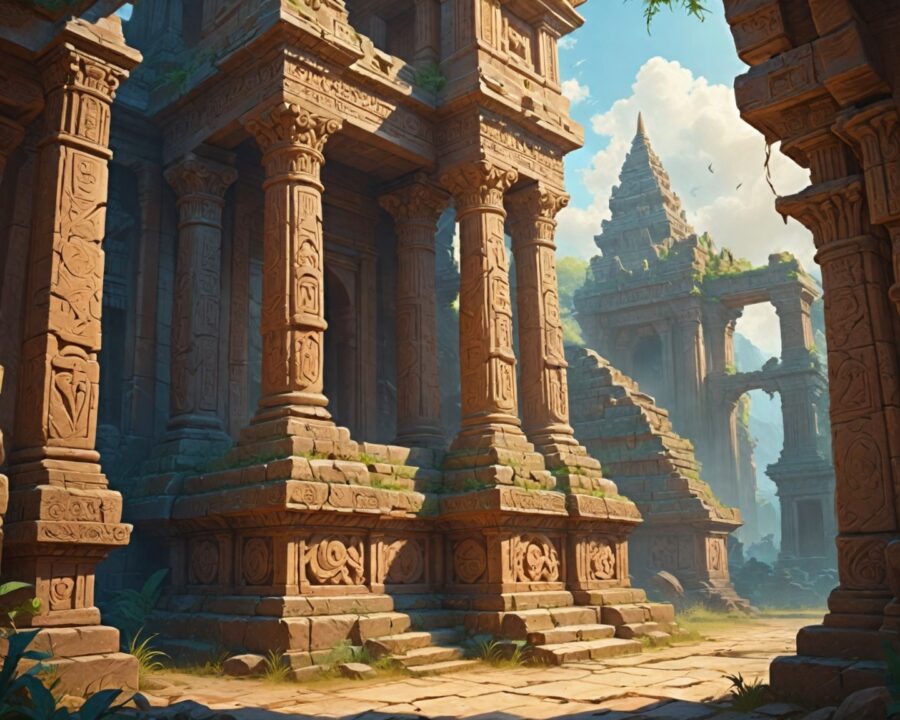
Introduction to Mythology and Its Cultural Significance
Mythology has been a cornerstone of human culture, playing a critical role in shaping societies, beliefs, and even architecture across various civilizations. Myths are not merely stories but profound explanations of the cosmos, life, and the divine workings of the world. They encapsulate the values, beliefs, and traditions of the cultures from which they originate. Through these narratives, civilizations express their understanding of creation, morality, and the divine order, influencing not only the spiritual aspects of life but also material culture, including art and architecture.
The significance of mythology extends far beyond storytelling. It serves as a cultural lens that interprets and reflects the human condition and natural phenomena. Throughout history, the interplay between mythology and daily life has fostered monumental achievements in art and architecture. Ancient civilizations heavily relied on mythological themes to guide the construction of their iconic structures that still captivate us today. From grand temples dedicated to gods and goddesses to intricate carvings depicting legendary tales, the influence of mythology is intricately woven into the fabric of ancient architecture, guiding the design philosophy of these bygone eras.
Overview of Ancient Architecture Across Civilizations
Ancient architecture offers a fascinating glimpse into the minds of our ancestors and their interactions with the world around them. Different civilizations, each with their unique mythological beliefs, created structures that were not only functional but also rich in symbolism and meaning. The architectural achievements of ancient times reflect an exceptional understanding of engineering, artistry, and a profound appreciation for the divine.
Each civilization had its distinct style and approach to architecture. The Egyptians are renowned for their colossal pyramids and majestic temples, reflecting a society deeply connected with the afterlife and their gods. In Greece, the elegance of the column and the harmony of proportions found in structures like the Parthenon exemplify the Greek pursuit of beauty and perfection. The Romans, master builders of their age, incorporated arches, vaults, and domes in their architecture, showcasing their advanced engineering skills and desire to embody the vastness of their empire.
Similarly, civilizations in the East, such as India and China, developed architecture that echo their spiritual narratives. Indian temples, for instance, were designed as cosmic diagrams on earth, guiding spiritual ascent and offering a glimpse of the divine cosmos. Chinese architecture, deeply influenced by geomancy and Confucian values, emphasizes balance, harmony, and order, embodying a cosmological interpretation of the universe.
Key Mythological Themes Reflected in Architecture
Mythologies often serve as the blueprint for the aesthetic and structural concepts in ancient architecture. The continuity of life, divine intervention, and the representation of cosmic elements are recurring themes in many of these structures. These themes are expressed through motifs, structural designs, and orientation of buildings.
One major theme is the cosmic axis or the world tree, a symbolic representation central to many myths worldwide. This is often represented by pillars or towers reaching towards the heavens. Many ancient structures align with celestial bodies, underscoring the connection between the divine and the earthly realm. This architectural alignment demonstrates a profound knowledge of astronomy and the belief in the influence of celestial bodies on earthly affairs.
Another prevalent theme is the journey to the afterlife, as seen in structures like the pyramids of Egypt, designed to facilitate the passage of pharaohs into the next world. This belief is reflected in the intricacy of internal pathways and chambers that depict texts and symbols meant to guide and protect the soul in its journey. Moreover, many civilizational architectures include spaces for religious rituals and sacrifices, exemplifying the reverence for higher powers and the importance of myths in dictating cultural and spiritual practices.
Examples of Myth-Inspired Structures in Ancient Greece
Greek mythology’s influence permeates the architectural marvels of ancient Greece. The Greeks integrated their myths into daily life and art, reflected in the richness of their temples and public buildings. Structures such as the Parthenon exemplify how architecture was used to honor deities and convey mythological narratives.
The Parthenon, dedicated to Athena, the goddess of wisdom and war, is a pinnacle of Greek architectural achievement. Its architectural style, known as Doric, reflects the harmony and order that Greek myths often allude to. The elaborate sculptures and friezes around the temple depict various mythological scenes, such as the Panathenaic procession, celebrating Athena’s birthday, reinforcing her cultural and spiritual significance.
Similarly, the Temple of Apollo at Delphi was not just a place of worship but a cultural hub where people sought divine guidance through the oracle. The temple’s position and orientation reflect Apollo’s mythological association with the sun. The legend of the naval stone or omphalos, considered the center of the world by ancient Greeks, underscores the site’s mythological significance, indicating where Zeus’s two eagles met after flying from opposite ends of the world.
The Role of Mythology in Egyptian Temple Design
Egyptian architecture stands as a testament to the civilization’s religious and mythological fervor. Temples in ancient Egypt were designed as earthly abodes of the gods, meticulously aligned to astronomical phenomena and imbued with rich mythological symbolism. Their designs were intended not only as places of worship but also as platforms for religious ceremonies and communication with the divine realm.
Key elements in Egyptian temple design include grand pylons, hypostyle halls, and sanctuaries brimming with hieroglyphic inscriptions and carvings depicting mythological tales. The alignment of these structures with the stars and the sun highlights the Egyptian belief in the divine order of the cosmos. Temples such as the Karnak and Luxor were architecturally conceived to honor their pantheon of gods and illustrate narratives from Egyptian mythology, acting as a bridge between the human and divine.
The Temple of Horus at Edfu exemplifies how mythology played a role in architectural orientation and design. The temple was a site of pilgrimage where the story of Horus’s victory over Seth was celebrated annually. The intricate carvings and layout of the temple are nothing less than a dramatization of this myth, guiding participants through a ritualistic journey designed to ensure cosmic stability and the continued triumph of good over evil.
Symbolism in Roman Architectural Elements
Roman architecture, which borrowed heavily from its Greek predecessors, incorporated extensive symbolism derived from a blend of Roman mythology, imperial ideologies, and practical necessities. Key elements such as the arch, the dome, and the aqueduct are not only engineering marvels but also carry profound symbolic weight.
The arch, for example, symbolizes victory and strength, resonating with Roman mythology and the aspirations of the empire. Triumphal arches were constructed to commemorate significant military victories and honor emperors, embodying the divine favor of the gods and the might of Rome. Structures like the Arch of Titus served both as architectural feats and narrative devices, illustrating mythological and historical victories through sculptural reliefs.
The Pantheon in Rome, with its iconic dome and oculus, represents a microcosm of the Roman universe. The dome’s design reflects celestial cosmology and the sphere of heaven, with the oculus symbolizing the all-seeing eye of Jupiter, chief deity of Roman mythology. This architectural element was a testament to the Roman pursuit of divine connection and world domination, highlighting their desire to bring the heavens down to earth within the boundaries of stone and mortar.
How Mythology Influenced Sacred Spaces in India
In India, mythology has significantly influenced the architectural design of its sacred spaces, primarily temples. These temples are not mere places of worship but are seen as divine abodes on earth, reflecting the intricate structure of the cosmos and serving as conduits for spiritual energy. Indian temple architecture is deeply intertwined with the stories and symbols found in Hindu mythology.
The basic layout of a Hindu temple mirrors the cosmic order, with the sanctum sanctorum, or the garbhagriha, symbolizing the divine energy or the womb of the universe. Temples like the Brihadeeswarar Temple in Tamil Nadu or the Khajuraho group of temples are testaments to the deep integration of myth and architecture. The temples’ exterior and interior surfaces are adorned with intricate carvings depicting scenes from epic tales like the Ramayana or Mahabharata.
Another quintessential element is the tower, or vimana, which represents the mythical Mount Meru, the axis of the universe in Indian cosmology. Ornamental sculptures of deities, demons, and heavenly beings are strategically placed to narrate stories and foster spiritual contemplation. This mythological inspiration has made Indian temples not only significant spiritual centers but also repositories of culture and art.
Common Questions: Why Mythology Was Central to Ancient Design
Why was mythology so important to ancient architects?
Mythology provided a cultural and spiritual framework that informed the design and purpose of ancient structures. Architects used mythological themes to convey divine narratives and cosmological concepts, ensuring that buildings resonated with cultural beliefs and religious practices.
How did myths influence the layout of ancient temples?
Myths often dictated architectural layouts by incorporating symbolic elements such as cosmic alignments, mythical battles, and representations of the divine. These elements were crucial in aligning structures with cosmological events or mythological tales, enhancing their spiritual significance.
Did mythology only influence religious buildings?
While mythology predominantly influenced religious buildings, its impact extended to civic structures as well. Monuments, palaces, and public buildings often incorporated mythological symbols to reflect power, divinity, and cultural ideals.
Were mythical symbols universal across ancient architectures?
While certain mythological symbols are universal, like the use of celestial alignment, many symbols were unique to specific cultures, reflecting their distinctive myths and interpretations of the universe.
How did mythology contribute to architectural innovation in ancient times?
Mythological demands led architects to innovate with new building techniques and forms, like the use of monumental pillars or the development of the arch and dome, to create structures that embodied divine attributes and narratives.
Are there any mythological elements still present in modern architecture?
Yes, modern architecture occasionally draws on mythological themes to imbue contemporary structures with symbolic depth and narrative. This includes the use of classical styles and motifs that echo ancient myth-based designs.
How can one identify mythological influences in ancient architecture?
Look for iconography related to deities, mythical creatures, and cosmological symbols. Architectural alignments with celestial phenomena and narrative reliefs are often indicative of mythological influence.
Modern Interpretations of Mythological Architecture
In contemporary times, the fascination with mythological architecture has persisted, inspiring architects and designers to reinterpret these ancient inspirations in new contexts. Modern architecture frequently revisits these themes, incorporating mythological symbols and styles into new creations that pay homage to the past while accommodating modern sensibilities.
Incorporating mythological elements in modern architecture can be seen in the revival of classical styles, where columns, sculptures, and ornamental details recall ancient Greek and Roman structures. The integration of mythological symbolism offers a timeless aesthetic that resonates with people across cultures, providing a sense of continuity and connection with history.
Moreover, the environmental movement in architecture has led to a renewed interest in the spiritual and cosmic facets of mythology. Eco-friendly designs often draw upon ancient principles that emphasized harmony with nature, mirroring the cosmic balance depicted in many mythologies. Structures are designed to be in harmony with their surroundings, incorporating natural elements that reflect ancient mythological reverence for the earth and cosmos.
Practical Steps to Explore Myth-Inspired Architecture Today
For those interested in exploring myth-inspired architecture, several practical steps can help you embark on this cultural and educational journey. Engaging with mythological architecture allows one to appreciate the depth and beauty of past civilizations and to understand the intricate connection between myth and structural design.
-
Visit Historical Sites: Plan trips to historical sites known for their mythological architecture, such as the Acropolis in Greece, the Karnak Temple in Egypt, or ancient Vedic temples in India. These experiences offer firsthand insights into the architectural representations of myth and the cultural contexts of these structures.
-
Study Iconography: Spend time understanding the iconography related to different myths. Recognize symbols, motifs, and narratives depicted in architectural details, which can provide a deeper understanding of the cultural significance of these structures.
-
Attend Lectures or Courses: Enroll in architecture or history courses that focus on the impact of mythology on ancient designs. Many universities and cultural organizations offer lectures and seminars that delve into these topics, providing expert insight and a comprehensive understanding.
-
Read Books and Articles: Delve into literature that explores the relationship between mythology and architecture. Books and academic articles often provide detailed analyses and interpretations that can enhance your appreciation.
-
Engage with Cultural Experts: Meet with archaeologists, historians, or architects who specialize in ancient civilizations. Their expertise can guide you in interpreting the mythological contexts and architectural innovations of different eras.
-
Participate in Virtual Tours: In the digital age, virtual tours offer an accessible way to explore mythological architecture from around the world. Many museums and cultural sites provide online access to their collections, allowing virtual visitors to explore and learn.
-
Join Cultural Societies or Groups: Engaging with cultural societies or groups dedicated to historical or architectural interests can provide community support and resources as you explore myth-inspired architecture.
| Step | Description |
|---|---|
| Visit Historical Sites | Explore places known for mythological architecture to experience these structures firsthand. |
| Study Iconography | Learn the symbols and motifs that hold mythological significance in architecture. |
| Attend Lectures or Courses | Enroll in educational opportunities focusing on mythology’s impact on architecture. |
| Read Books and Articles | Research through literature for detailed insights into mythological and architectural relationships. |
| Engage with Cultural Experts | Consult with specialists for professional interpretations and context. |
| Participate in Virtual Tours | Utilize online platforms to view and learn about ancient sites from afar. |
| Join Cultural Societies or Groups | Connect with communities for shared knowledge and resources. |
Recap of the Main Points
Throughout history, mythology has interwoven itself with architecture, shaping the design and spiritual significance of structures across civilizations. From the monumental pyramids of Egypt to the intricate temples of India, mythological themes have been integral in guiding architectural concepts and construction. Greek, Roman, and Egyptian architectures show a profound connection between myth and design, using symbolic elements to honor deities and illustrate cosmic narratives. In contemporary contexts, mythological themes continue to inspire architectural innovation, resonating with cultural and ecological sensibilities. Exploring these ancient structures and their underlying myths offers valuable insights into our shared human heritage and the civilizations that have come before.
Conclusion
The intricate connection between mythology and ancient architecture remains an astonishing chapter in the history of human achievement. These enduring structures stand as a testament to the artistic and cultural legacy of civilizations long gone. By embedding mythological themes into their architecture, our ancestors created works that transcend mere utility, offering insight into their cosmological views and religious life.
Understanding the mythological foundations of these structures allows us to appreciate not just their physical beauty but also their cultural significance. They were more than mere buildings; they were embodiments of cultural identity and spiritual beliefs, bridging the earthly realm with the divine. Today, their influence continues to be felt, as modern architects and designers draw on these timeless elements to enrich contemporary projects with depth and meaning.
In conclusion, the legacy of mythological influence on ancient architecture is a profound testament to the enduring power of human creativity and belief. As we continue to explore and understand these monumental achievements, we gain not only an appreciation for the craftsmanship of the past but also inspiration for the future—where myth and architecture can once again converge to create spaces that reflect our shared aspirations and cultural stories.