
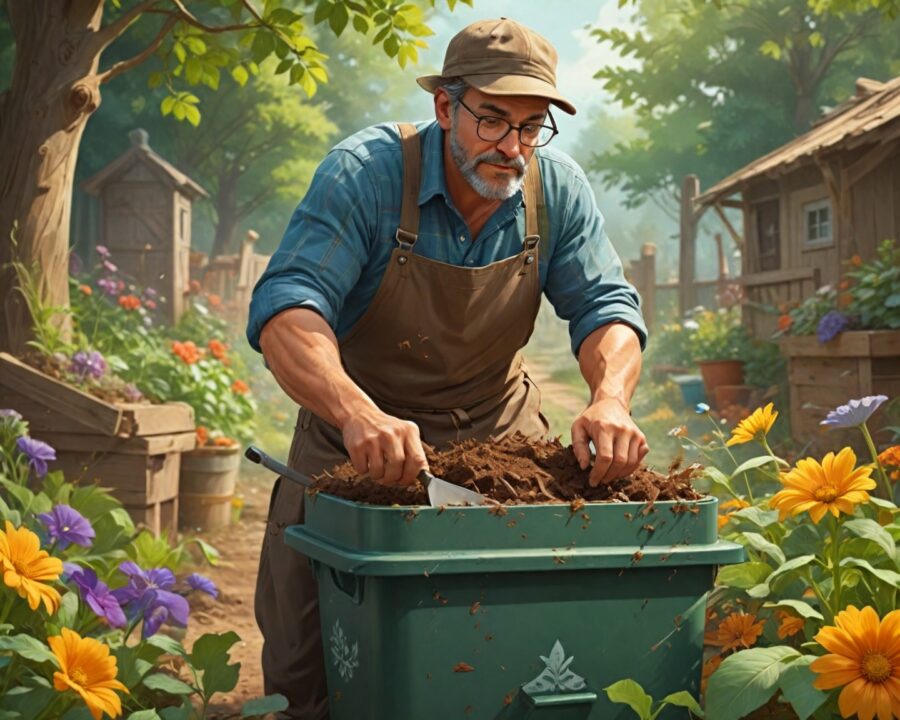
Introduction to Kitchen Scraps as Fertilizer
In recent years, a significant shift towards sustainable living and gardening practices has prompted individuals and communities alike to seek eco-friendly solutions for everyday waste. A major part of this movement involves turning kitchen scraps into something beneficial, like nurturing fertilizers for gardens. Kitchen waste is often viewed as rubbish, but it actually contains a wealth of nutrients that, when recycled properly, can enhance soil quality and promote lush plant growth.
Composting kitchen waste, the process by which organic material is broken down into a rich soil amendment, stands out as an environmentally friendly and cost-effective solution. By incorporating simple composting techniques into daily routines, individuals can contribute hugely to reducing landfill waste while simultaneously enriching their garden soil. This article explores the various facets of converting kitchen scraps into valuable fertilizer, providing insights and practical guidance for those eager to harness nature’s cycle to their advantage.
Benefits of Using Kitchen Scraps for Gardening
Utilizing kitchen scraps for gardening purposes offers a multitude of environmental and practical benefits. One of the foremost advantages is waste reduction. By composting organic waste, individuals can significantly cut down on the amount of garbage they generate. This not only reduces landfill contributions but also lessens the release of methane—a potent greenhouse gas generated from waste decomposition in landfills.
Moreover, homemade compost acts as an excellent soil conditioner. It enhances soil structure, improves moisture retention, and provides essential nutrients. Unlike synthetic fertilizers, compost is a slow-release source of nutrients, ensuring that plants receive a steady supply over time. This can lead to healthier plants with more robust root systems, better drought resistance, and, ultimately, more bountiful harvests.
Additionally, composting is economically beneficial. Making your own fertilizer from kitchen scraps eliminates the need to purchase commercial soil amendments. It turns waste into a resource, supporting a closed-loop system that can be particularly advantageous for home gardeners on a budget. The process also promotes biodiversity in the soil, encouraging microorganisms that help plants absorb nutrients more efficiently.
Types of Kitchen Scraps Suitable for Composting
When starting a compost pile, selecting the right types of kitchen scraps is crucial to creating a balanced and effective compost. Not all kitchen waste is suitable for composting; understanding what can and cannot be added is essential. Generally, kitchen scraps can be categorized into “greens” and “browns.”
Greens are nitrogen-rich materials that include:
- Fruit and vegetable peels and cores
- Coffee grounds and filters
- Tea bags (ensure they do not contain synthetic materials)
- Fresh grass clippings and plant trimmings
Browns are carbon-rich materials that include:
- Dried leaves
- Shredded paper and cardboard (avoid glossy paper)
- Eggshells (although they add minimal carbon, they are beneficial for calcium)
- Nut shells and sawdust (from untreated wood)
Items to avoid placing in a compost pile include meat, dairy, oils, and cooked foods, as these can attract pests and create odors. Similarly, glossy paper, non-biodegradable materials, and pet waste should not be included, as they can complicate the composting process or contaminate the final product.
Step-by-Step Guide to Composting Kitchen Waste
Composting kitchen waste involves a simple yet structured approach that can be easily integrated into daily routines. Here is a step-by-step guide to help you start composting:
-
Select a Composting Method: There are various composting methods, from a traditional heap or bin to vermicomposting with worms. Choose one that suits your space and lifestyle.
-
Choose a Location: Pick a dry, shady spot near a water source. Place your compost bin or pile directly on the soil to encourage beneficial microbes.
-
Build Your Base Layer: Start with a layer of coarse materials like small branches or twigs. This aids aeration and drainage.
-
Add Kitchen Scraps: Begin layering kitchen scraps, alternating between greens and browns. Aim for a roughly equal mix to maintain balance.
-
Monitor and Maintain: Regularly turn the pile with a shovel or a pitchfork to aerate it and fasten decomposition. Add water if the pile is dry but ensure it remains only as damp as a wrung-out sponge.
-
Harvest: After several months to a year, depending on your conditions, your compost should be ready. It will be dark, crumbly, and rich in nutrients.
By adhering to these steps, you can successfully create nutrient-rich compost to enhance your garden.
Common Mistakes to Avoid When Composting
Beginning composters often encounter hurdles that can impede the process or even make it counterproductive. Recognizing common mistakes can help in avoiding them and ensuring a smooth composting experience.
One frequent error is not maintaining the right balance between green and brown materials. An excess of greens can result in a mushy, smelly mess, whereas too many browns can slow down the decomposition process. It’s crucial to keep these inputs balanced for efficient composting.
Another mistake is neglecting to turn the compost pile. Aeration is key to preventing anaerobic conditions, which can lead to foul odors and slow decomposition. Turning the pile every couple of weeks will combat this issue.
Lastly, many people forget to monitor moisture levels. Compost piles that are too dry will not decompose well, much as piles that are too wet can attract pests and produce odors. Striking the right moisture balance is essential for successful composting.
How to Balance Green and Brown Materials in Compost
Achieving a balance of green and brown materials in your compost pile is essential to maintain a healthy decomposition process. The ideal ratio is often cited as 30 parts carbon to 1 part nitrogen (30:1), translating roughly to equal layers of greens and browns.
Steps to Balance Your Compost:
- Layering Technique: Alternate layers of green and brown materials as you add them to the pile.
- Observation and Adjustment: Monitor the pile’s moisture and feel. If it’s too wet and smells, add more browns like dried leaves. If it’s too dry, add more greens or a bit of water.
- Use of Bulky Browns: Incorporate materials like straw or small sticks to aid aeration and prevent compacting.
Maintaining this balance will create an optimal environment for microbes to decompose the materials efficiently, resulting in rich, fertile compost.
Using Compost Tea for Plant Nourishment
Compost tea is a liquid fertilizer that can be made from finished compost and used to feed plants more directly. It provides the beneficial microorganisms and nutrients found in compost in a form that plants can absorb quickly.
How to Make Compost Tea:
- Fill a container with water and place a large cloth bag of finished compost inside.
- Allow it to steep for 24-48 hours. Stir occasionally to oxygenate the mixture.
- Strain the liquid and use it to water plants or as a foliar spray.
Benefits of Compost Tea:
- Enhances nutrient uptake by plants.
- Acts as a natural disease suppressor.
- Rapidly improves plant growth and yields.
Using compost tea regularly helps maintain plant health and soil vitality, making it a worthy addition to any gardener’s repertoire.
Addressing Common Concerns About Composting Odors
A common deterrent to composting is the fear of unpleasant odors. However, a well-managed compost pile should not emit any significant smells. Understanding the causes of odor and how to manage them can alleviate these concerns.
Causes of Composting Odors:
- Overly wet pile or excess greens leading to anaerobic decay.
- Incorrect balance of materials or lack of aeration.
Solutions:
- Add more browns to soak up excess moisture.
- Turn the compost regularly to introduce oxygen.
- Avoid adding high-odor foods like meat and dairy.
By maintaining a balanced, aerated, and appropriately moist compost pile, odors can be effectively kept at bay, making composting a pleasant and sustainable practice.
Tips for Speeding Up the Composting Process
The composting process naturally takes time, but certain techniques can accelerate decomposition, allowing new compost to be produced more quickly for garden use.
Effective Techniques for Faster Composting:
- Shred Materials: Breaking scraps into smaller pieces increases surface area and speeds up decomposition.
- Regular Turning: Turning the compost pile every 1-2 weeks improves aeration and redistributes heat.
- Optimal Moisture and Temperature: Keep the pile moist and cover with a tarp in cooler weather to trap heat.
Using these methods, gardeners can reduce the overall composting time, making the process more efficient without compromising the quality of the finished product.
Practical Applications: Fertilizing Your Garden with Homemade Compost
Once your compost is ready, implementing it in the garden can significantly impact plant health and productivity.
Ways to Use Homemade Compost:
- As a Soil Amendment: Mix compost into garden beds before planting to enhance soil fertility.
- As a Mulch: Spread a layer of compost over soil surfaces to reduce weed growth and conserve moisture.
- As a Potting Mix: Combine with soil to create a nutrient-rich medium for container plants.
| Application Method | Benefits |
|---|---|
| Soil Amendment | Improves soil structure and nutrients |
| Mulch | Retains moisture, suppresses weeds |
| Potting Mix | Suitable for container gardening |
Using homemade compost effectively can transform a garden, fostering vibrant plant growth and abundant harvests with minimal effort.
Frequently Asked Questions (FAQ)
Is it safe to compost all kitchen scraps?
Not all kitchen scraps should be composted. Avoid composting meat, dairy, oily foods, and Allium scraps like garlic and onion as they can attract pests and produce odors.
How long does it take for compost to be ready?
Compost can take from 3 months to a year to be ready, depending on conditions like material size, temperature, and how often the pile is turned.
Can composting be done indoors?
Yes, vermicomposting with worms is an effective indoor method for composting. It requires a worm bin and produces rich compost known as worm castings.
What should I do if my compost pile is too dry?
If your compost is too dry, add water carefully and increase the proportion of green kitchen scraps to improve moisture and accelerate decomposition.
Can I add weeds to my compost pile?
You can add weeds, but avoid any that have gone to seed as they may sprout when the compost is used. It’s best to hot compost these to ensure seeds are killed.
Does composting attract pests?
Composting shouldn’t attract pests if meat and dairy are avoided and the pile is maintained properly. Using a secure bin can help deter animals.
Recap
In turning kitchen scraps into eco-friendly fertilizer, the focus should be on understanding the balance of green and brown materials, maintaining proper composting conditions, and incorporating practices such as using compost tea to enhance plant growth. Key steps include avoiding common mistakes, accelerating the composting process through proper techniques, and effectively applying finished compost in the garden to maximize benefits.
Conclusion
Embracing composting as a method to recycle kitchen waste into valuable fertilizer aligns with sustainable gardening practices that are both environmentally and economically favorable. By transforming what is often discarded into a rich soil amendment, individuals not only reduce their waste footprint but also enrich their landscapes.
The benefits of using kitchen scraps in gardening extend beyond the immediate. It fosters a deeper connection with the environment and encourages a circular mindset, ultimately leading to more sustainable living. Furthermore, the tactile experience of creating and using compost can be deeply fulfilling, providing a sense of achievement as waste is visibly transformed into a resource that sustains life.
As gardeners integrate these practices, they share in shaping a green revolution that begins right at the kitchen table, fostering a more balanced and harmonious relationship with nature. The cycle of growth and renewal turns, and with each new pile of compost, the garden—and the gardener—flourish together.