
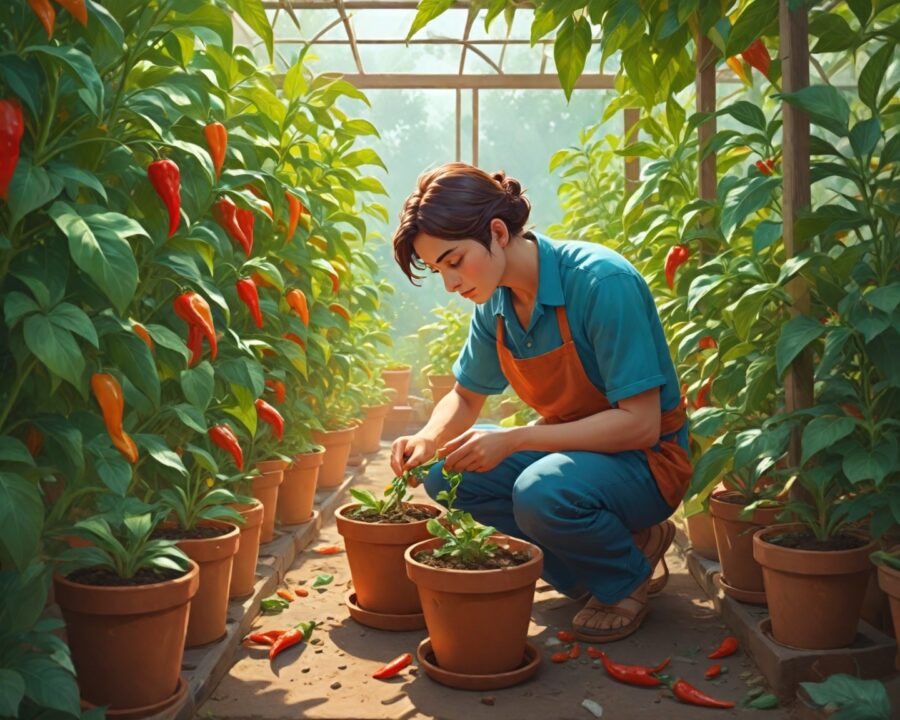
Introduction to Growing Peppers in Small Gardens
Growing peppers in small spaces can be a rewarding endeavor for anyone with a penchant for gardening. Even if you don’t have an extensive plot of land, you can still enjoy the satisfaction of cultivating your own pepper plants. With their vivid colors and crisp flavors, homegrown peppers offer a delicious bounty for your kitchen. Whether you’re growing hot chilies or sweet bell peppers, a little bit of effort and knowledge can transform your small garden into a pepper paradise.
In this guide, we will walk you through the essentials of growing peppers in a limited space. We will cover everything from selecting the most suitable pepper varieties, preparing your garden, nurturing your plants, to harvesting and using your peppers creatively. By the end of this article, you’ll be equipped with all the knowledge you need to turn your small garden into a productive and colorful pepper farm.
Choosing the Right Pepper Varieties for Small Spaces
Selecting the right pepper varieties is crucial when cultivating in compact environments. Not all peppers are created equal, and some thrive better in confined conditions than others. For small gardens, it’s best to choose varieties that are naturally smaller in size and have shorter growing cycles. Compact and bushy growth habits are particularly advantageous in space-restricted gardens.
Here are some pepper varieties that are well-suited to small spaces:
- Baby Bell Peppers: These are smaller versions of the typical bell pepper, making them perfect for smaller gardens or even container gardening.
- Jalapeño: This is a compact variety that produces a good yield even when grown in tighter quarters.
- Cayenne: Known for their slim size, cayenne peppers can grow vertically and use limited space efficiently.
Additionally, dwarf pepper plants or varieties labeled as “mini” can be great choices for gardeners squeezing multiple plants into small areas. It’s important to consider the climate and your preferred taste profile when selecting pepper varieties. Heat tolerance, harvest time, and culinary uses are factors that influence your selection.
Preparing Your Small Garden for Pepper Plants
Before planting peppers, preparing your garden bed is essential to ensure success. Good preparation involves a few key steps: assessing sunlight, preparing the soil, and planning the garden layout.
Most pepper varieties require a lot of sunlight to produce abundant fruit. Ideally, peppers need at least six to eight hours of direct sunlight each day. Identify a spot in your garden that meets this requirement. If natural lighting is a challenge, you might need to consider reflective surfaces or artificial lights to maximize exposure.
Soil preparation is equally vital. Peppers prefer well-drained, nutrient-rich soil. Here’s how to create an ideal growing environment:
- Testing Soil: Conduct a soil test to determine pH and nutrient levels. Peppers like slightly acidic to neutral soil, with a pH ranging from 6.0 to 7.0.
- Amending Soil: Depending on your soil test results, incorporate organic matter such as compost to enrich the soil and improve drainage.
- Arranging the Layout: Use raised beds or containers if your in-ground option is limited. Raised beds can prevent overcrowding and provide easy access to each plant.
By investing time in preparing your garden properly, you lay a strong foundation for healthy pepper plant growth.
Planting Peppers: Spacing and Soil Requirements
Successful planting starts with understanding how to properly space your pepper plants and ensuring they have the right soil ecosystem to thrive. When space is at a premium, careful planning is even more necessary.
The spacing requirement is key to prevent overcrowding and promote air circulation, which helps prevent disease. For compact pepper varieties, space plants about 12 inches apart. For larger varieties, spacing of 18 to 24 inches is more appropriate. If using containers, ensure each contains only one or two plants depending on size.
Here’s how to provide the best soil conditions for your peppers:
- Rich in Nutrients: Amend soil with a balanced fertilizer containing nitrogen, phosphorus, and potassium.
- Well-Drained: Incorporate materials like sand or perlite into the soil mix if drainage is an issue.
- Soil Consistency: Create a loamy mixture which retains moisture but drains excess water efficiently.
Peppers have deep root systems, so deeper planting beds (12 inches or more) will ensure roots can spread adequately. With these steps, your pepper plants will have the essential soil support to grow vigorously.
Watering and Fertilizing Tips for Healthy Pepper Growth
Peppers may be forgiving vegetables, but their watering and fertilizing needs are specific. Proper hydration and nutrition are the linchpins of healthy pepper development and maximizing yield.
Watering Guidelines:
- Consistency is Key: Peppers thrive on consistent moisture levels. Water your plants deeply at least once a week, ensuring the soil remains moist several inches below the surface.
- Avoid Overwatering: Too much water can lead to root rot and other diseases. Allow the soil surface to dry between waterings.
- Morning Routine: Water in the morning to prevent evaporation and give plants all-day hydration.
Fertilizing Strategy:
- Balanced Nutrients: Use a balanced fertilizer every two weeks during the growing season. Look for a 10-10-10 or similar NPK ratio.
- Slow-Release Options: Consider incorporating slow-release pellets when planting to provide a steady nutrient supply.
- Foliar Feeding: Occasionally apply a diluted liquid fertilizer directly to leaves for a growth boost.
By adhering to these practices, your peppers will receive the support they need to produce bountifully.
Managing Pests and Diseases in Small Garden Peppers
While growing peppers in small spaces can minimize some pest issues, it doesn’t eliminate them entirely. Some common threats include aphids, spider mites, and fungal infections. Understanding how to prevent and manage these issues is essential.
Preventative Steps:
- Companion Planting: Use plants like marigolds and basil that naturally repel pests when planted next to peppers.
- Physical Barriers: In small gardens, row covers or cloches can protect young plants from pests.
- Regular Inspection: Examine plants regularly for any signs of disease or infestation.
Control Methods:
- Hand Picking: Manually remove visible pests like caterpillars or beetles.
- Organic Sprays: Use insecticidal soap or neem oil to target soft-bodied insects.
- Removing Infected Plants: Promptly eliminate plants showing signs of severe fungal disease.
By staying proactive in managing pests and diseases, you can ensure your pepper plants remain healthy and productive.
Maximizing Yield in Limited Garden Space
To get the most out of your limited garden space, smart gardening techniques can help increase your pepper yield. Here are some innovative methods:
- Vertical Gardening: Use vertical supports such as trellises or cages to encourage upward growth, freeing up ground space for additional plants.
- Succession Planting: Stagger planting times to maximize use of the warm growing season and continually harvest fresh peppers.
- Intercropping: Plant peppers alongside compatible crops like tomatoes or herbs, optimizing space usage and boosting deterrent effects on pests.
- Pruning: Regularly prune lower leaves to boost air circulation, allowing plants to focus energy on fruit production.
Strategically utilizing available space, lighting conditions, and plant arrangement can significantly enhance your garden’s productivity.
Common Mistakes to Avoid When Growing Peppers
Even the most avid gardeners can make mistakes when growing peppers, particularly in small spaces. Here are some pitfalls to watch out for:
- Overcrowding: Packing plants too closely jeopardizes airflow and increases susceptibility to disease.
- Inconsistent Watering: Irregular watering leads to uneven growth and can result in blossom-end rot.
- Ignoring the Soil: Poor soil preparation limits nutrient uptake, weakening plants and reducing yield.
Avoiding these mistakes requires attention to detail and a willingness to adjust practices based on plant performance and environmental conditions.
Harvesting and Storing Your Homegrown Peppers
Proper harvesting and storage techniques ensure that the effort put into cultivating peppers pays off in fresh produce that enhances your culinary creations.
Harvesting Tips:
- Timing is Crucial: Wait for peppers to reach their mature color for full flavor. Depending on the variety, this may be red, orange, yellow, or another shade.
- Gentle Handling: Use garden scissors or pruners to cut peppers from the plant to prevent damage.
- Regular Harvesting: Promptly picking mature peppers encourages the plant to produce additional fruit.
Storing Techniques:
- Refrigeration: Store freshly picked peppers in the refrigerator in a breathable produce bag for one to two weeks.
- Long-Term Storage: Consider freezing, drying, or pickling peppers to extend their shelf life.
By mastering harvesting and storage, you’ll enjoy your garden’s bounty far beyond the growing season.
Creative Ways to Use Your Harvested Peppers in Recipes
Peppers harvested from your garden are more than just colorful garnishes; they can be the star ingredient in numerous dishes. Here are some creative uses:
- Stuffed Peppers: Fill bell peppers with a mixture of rice, meat, and spices for a hearty main course.
- Salsas and Sauces: Blend hot peppers into fiery salsas or spicy sauces that can be used as dips or condiments.
- Roasted Peppers: Roast peppers and blend them into soups or salads for a smoky flavor profile.
- Pickled Peppers: Create tangy pickles to enjoy as a snack or add to sandwiches.
By incorporating your peppers into a wide array of recipes, you can savor the fruits of your labor in varied and delicious forms.
Frequently Asked Questions
How much sunlight do pepper plants need?
Pepper plants require a minimum of six to eight hours of direct sunlight daily to thrive and produce fruits effectively.
Can I grow peppers in containers?
Yes, peppers grow well in containers as long as the pots are at least 12 inches deep and possess good drainage. Be sure to use a nutrient-rich potting mix.
What is the ideal temperature for growing peppers?
Peppers grow best in temperatures ranging from 70°F to 85°F during the day. Night temperatures should be between 60°F and 70°F.
How often should I water my pepper plants?
Water your pepper plants deeply once or twice a week to keep the soil consistently moist. Adjust frequency based on rainfall and temperature.
Can I grow different varieties of peppers close together?
You can plant different pepper varieties close together, but be aware of potential cross-pollination, which might affect the seeds’ characteristics.
How can I improve soil drainage for my pepper plants?
To improve drainage, mix sand, perlite, or well-rotted compost into your garden soil. Raised beds or containers also enhance drainage capability.
When is the best time to plant peppers outdoors?
Plant peppers outdoors after the last spring frost, when nighttime temperatures remain consistently above 60°F.
Recap
- Selecting suitable pepper varieties for small spaces is crucial.
- Proper garden preparation, including soil enrichment, sets the stage for healthy growth.
- Correct planting spacing and consistent care, including watering and fertilizing, are vital.
- Managing pests proactively helps prevent disease and damage.
- Using vertical gardening and intercropping can maximize yield.
- Harvesting and storing techniques ensure you enjoy peppers fresh or preserved.
- Peppers offer versatile culinary usage, enhancing diverse recipes from salsas to stuffed dishes.
- Avoid common gardening mistakes by being mindful of spacing, water, and soil quality.
Conclusion
Growing peppers in small garden spaces is not only possible but can also be highly rewarding with the right approach. By selecting the appropriate varieties, preparing your garden environment thoughtfully, and following best practices in plant care, you can achieve substantial yields even in limited spaces.
With perseverance and a little creativity, your small garden can become a vibrant pepper haven, producing plenty of produce for your kitchen. Hopefully, this guide has provided you with valuable insights and inspiration to start or refine your pepper-growing journey, bringing delicious and colorful flavors to your meals.