
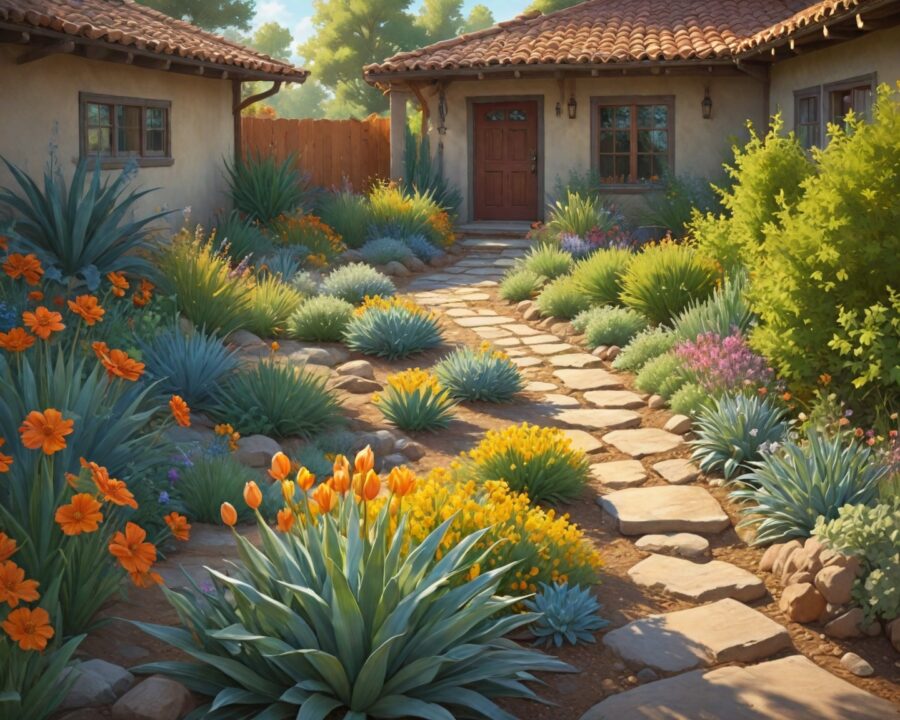
In the fast-paced world we live in today, finding ways to simplify our lives has never been more important. One area where this simplification can have a significant impact is in our gardens and yards. Low maintenance gardening is an approach that allows homeowners to enjoy beautiful outdoor spaces without the constant labor typically associated with yard care. By focusing on smart gardening practices, it’s possible to create a thriving garden that requires only minimal attention, freeing up more time to relax and enjoy the beauty of your environment.
The benefits of low maintenance gardening are manifold. For starters, it reduces the time and financial investment needed to keep a yard looking its best. This type of gardening emphasizes sustainability, making use of native plants and efficient irrigation practices that can significantly cut down on water usage. By embracing low maintenance strategies, you can create an outdoor space that is resilient, environmentally friendly, and aesthetically pleasing, while also contributing positively to local ecosystems.
Choosing the Right Plants for a Low Maintenance Yard
The cornerstone of any successful low maintenance garden is the careful selection of plants. The key is to choose species that are well-suited to your climate and soil conditions. Native plants often make the best choices, as they have evolved to thrive in local conditions, require less watering, and are more resistant to local pests and diseases.
Begin by assessing the environmental conditions in your yard. Consider factors such as sunlight, soil type, and local climate. Armed with this information, you can select plants that are robust and require minimal intervention to thrive. Popular choices for low maintenance gardens include succulents, ornamental grasses, and perennial wildflowers, all of which are known for their hardiness and drought resistance.
It’s also wise to group plants with similar water and sunlight needs together. This not only makes irrigation more efficient but also prevents weaker plants from being choked out by more aggressive species. By creating distinct zones within your yard, you can ensure that each area of the garden is optimized for the specific plants growing there.
The Role of Mulch in Reducing Yard Upkeep
Mulch plays a pivotal role in low maintenance gardening, acting as a powerful ally in the quest for reduced yard work. By covering the soil surface with mulch, you suppress weed growth, retain soil moisture, and stabilize soil temperature. This leads to healthier soil and plants, requiring less frequent watering.
There are various types of mulch available, including organic options like wood chips, bark, and straw, as well as inorganic choices such as stone or rubber pellets. The selection of mulch depends on your garden aesthetic and plant needs. Organic mulches are particularly beneficial as they decompose over time, enriching the soil with nutrients.
When applying mulch, ensure a layer of about two to three inches thick across the soil surface. Avoid piling it up against plant stems, as this can lead to rot. Proper mulching not only enhances the beauty of your garden but also dramatically cuts down on time spent weeding and watering.
Efficient Watering Techniques for Low Maintenance Gardens
Watering can be one of the most time-consuming aspects of yard maintenance, but with some smart strategies, it can become much less of a chore. Drip irrigation systems are highly recommended for low maintenance gardens, as they deliver water directly to the base of plants, reducing evaporation and ensuring that moisture gets directly to the roots.
Timely watering is another crucial aspect to consider. The best time to water plants is early in the morning or late in the evening when temperatures are cooler, minimizing water loss due to evaporation. Additionally, integrating rainwater harvesting systems can help utilize natural water sources, further reducing the need for supplemental irrigation.
Grouping plants with similar water requirements also simplifies watering routines. By creating a water schedule based on the needs of these groups, you can further minimize the time and effort required to keep your garden hydrated and thriving.
Using Native Plants to Minimize Yard Care
Incorporating native plants in your garden is one of the most effective ways to minimize yard care. Native plants are species that have naturally evolved in a specific area and consequently are perfectly adapted to the local climate and soil conditions. They usually require less water, fertilizers, and pesticides, making them ideal for a low maintenance garden.
Choosing native plants often means selecting species that are not only beautiful but are also resilient to local pests and diseases. This reduces the need for chemical interventions and supports local wildlife by providing habitats and food sources. Moreover, they contribute to the biodiversity of the area, ensuring a balanced ecosystem.
It’s essential to research the native plants suitable for your area, considering factors such as bloom times and mature size to ensure they fit well with your overall garden design. By prioritizing native plants, your garden will become a seamless part of the local landscape, thriving with minimal effort.
Incorporating Hardscaping for Easier Yard Management
Hardscaping refers to the installation of non-plant features in a garden, such as paths, patios, decks, and walls. These elements can play a crucial role in reducing yard maintenance by cutting down on the area that needs to be planted and cared for.
Consider integrating gravel paths or a stone patio into your yard design. These surfaces are not only attractive but also require little to no upkeep compared to traditional grass lawns. Additionally, hardscaping features like retaining walls can help manage sloped areas, reducing erosion and minimizing the work needed to maintain these challenging spots.
Moreover, incorporating seating areas, fire pits, or water features can enhance the usability of the space, making it more enjoyable year-round. Such elements not only add aesthetic value but also transform your yard into an inviting retreat that encourages relaxation and outdoor living with minimal maintenance.
Common Mistakes to Avoid in Low Maintenance Gardening
While the concept of low maintenance gardening is straightforward, there are common pitfalls that can sabotage your efforts. One of the most frequent mistakes is overplanting. It’s easy to underestimate how much space plants need to grow to their full size, leading to overcrowded gardens that require constant pruning and upkeep.
Another common mistake is not considering plant compatibility. Mixing plants with vastly different watering needs in a single area can lead to overwatering or underwatering, both of which can be detrimental to plant health. Always group plants with similar needs together to ensure a balanced condition.
Finally, neglecting to establish a regular maintenance schedule, even if minimal, can lead to problems down the line. Tasks such as clearing debris, checking for signs of pests, and ensuring irrigation systems are functioning correctly should be part of routine care. By staying attentive to these details, you can prevent minor issues from becoming significant problems.
How to Deal with Weeds in a Low Maintenance Yard
Weeds are the bane of any gardener’s existence, but they can be managed effectively in a low maintenance garden with some foresight and strategy. As previously mentioned, mulch is a powerful deterrent to weed growth, helping to block sunlight and suppress seed germination.
Another effective method is using landscape fabric. This material is laid down over soil before planting and mulching, creating a barrier that prevents weed growth while still allowing water and nutrients to permeate to your plants.
Regular hand-weeding, although seemingly contrary to low maintenance goals, can be minimized with proper planning. By removing weeds while they are small and young, you prevent them from seeding and spreading. Consider the use of natural weed killers, such as vinegar solutions, to tackle persistent invaders without resorting to harsh chemicals.
Seasonal Maintenance Tips for a Hassle-Free Yard
Despite striving for low maintenance, some seasonal tasks cannot be entirely avoided. However, they can be simplified and planned to cause minimal disruption. In spring, focus on preparing beds and potentially dividing perennials and removing dead foliage to allow new growth.
Summer maintenance should be more about monitoring watering and checking for pests or diseases. As the season progresses, light pruning may be required to maintain the shape and health of certain plants.
In fall, take the time to clean up leaves and debris to prevent mold and disease. This season is also ideal for planting trees and shrubs as the cooler weather helps them establish strong roots. Finally, during winter, cover any delicate plants that might succumb to frost and clear paths to maintain accessibility around your yard.
Practical Steps to Transform Your Yard into a Low Maintenance Space
Transforming your existing yard into a low maintenance haven may seem daunting, but it can be broken down into manageable steps. Begin by assessing your current space, identifying areas that require the most care, and determining which plants are high-maintenance.
Next, design a layout that incorporates both hardscaping and plant groupings tailored to their maintenance needs. Consider reducing lawn areas, replacing them with ground covers or patio spaces that require less attention.
Implement an irrigation system that suits your new design, ensuring water efficiency. Replace non-native, demanding plants with hardy natives that thrive in local conditions. Over time, add layers of mulch and potentially landscape fabric to combat weeds.
Finally, adopt a minimalist mindset when it comes to garden accessories and decorations. Choose durable, weather-resistant options that require little cleaning or upkeep. Through these strategic steps, you can enjoy a beautiful, stress-free yard that aligns with your lifestyle.
FAQ: Frequently Asked Questions
How do I start a low maintenance garden?
Start by planning your garden layout and selecting plants that are both native and require minimal care. Incorporate hardscaping elements to reduce the planted area, and establish an efficient irrigation system. Use mulch liberally to prevent weeds and retain moisture.
What are the best plants for a low maintenance garden?
Choose native plants suited to your local climate and soil conditions. Consider hardy options such as succulents, ornamental grasses, and drought-tolerant perennials. Group plants with similar water and sunlight needs for optimal care efficiency.
How often should I water a low maintenance yard?
The frequency depends on your climate and plant selections. Generally, a deep watering once a week is sufficient for most low maintenance gardens. Use drip irrigation and water early in the morning to maximize efficiency.
Can I have a lawn in a low maintenance garden?
Yes, but consider reducing its size and using drought-resistant grass varieties. Alternatively, replace traditional lawns with ground covers or clover, which require less mowing and watering.
How does mulch help in a low maintenance yard?
Mulch retains soil moisture, suppresses weeds, and stabilizes soil temperature. It reduces the need for frequent watering and weeding, thus decreasing overall yard maintenance efforts.
Is it possible to have color in a low maintenance garden?
Absolutely. Select flowering plants that bloom at different times of the year, ensuring constant color. Native wildflowers and perennial blooms are excellent low maintenance options that add vibrancy to your garden.
What is hardscaping, and why is it useful?
Hardscaping involves adding non-plant features like paths, patios, and walls to a garden. It reduces the area requiring plant care and maintenance while enhancing the garden’s usability and aesthetic appeal.
Recap
Creating a low maintenance yard involves choosing the right plants, particularly natives, that are adapted to your local environment, lowering the requirement for watering, fertilizing, and pest control. The use of mulch is key to stabilizing soil conditions while reducing weed growth. Incorporating hardscaping elements helps decrease the cultivated area, making yard management easier. To minimize water usage, efficient irrigation systems are essential. Avoiding common mistakes such as overcrowding and improper grouping can further ease maintenance burdens. Finally, transforming your garden into a low maintenance space is a step-by-step process that results in a more sustainable and enjoyable outdoor environment.
Conclusion
The dream of a beautiful, stress-free garden is within reach with the principles of low maintenance gardening. By making informed choices about plants, irrigation, and design, you can significantly reduce the time and effort required to maintain a vibrant and attractive yard. Emphasizing sustainability not only benefits you but also the local environment, supporting native wildlife and conserving precious resources.
Embarking on this journey requires initial planning and perhaps a shift in perspective, but the rewards are substantial. As you continue to refine your outdoor space, you’ll discover more ways to enjoy your garden and yard, appreciating the harmony achieved through mindful, low maintenance gardening practices.