
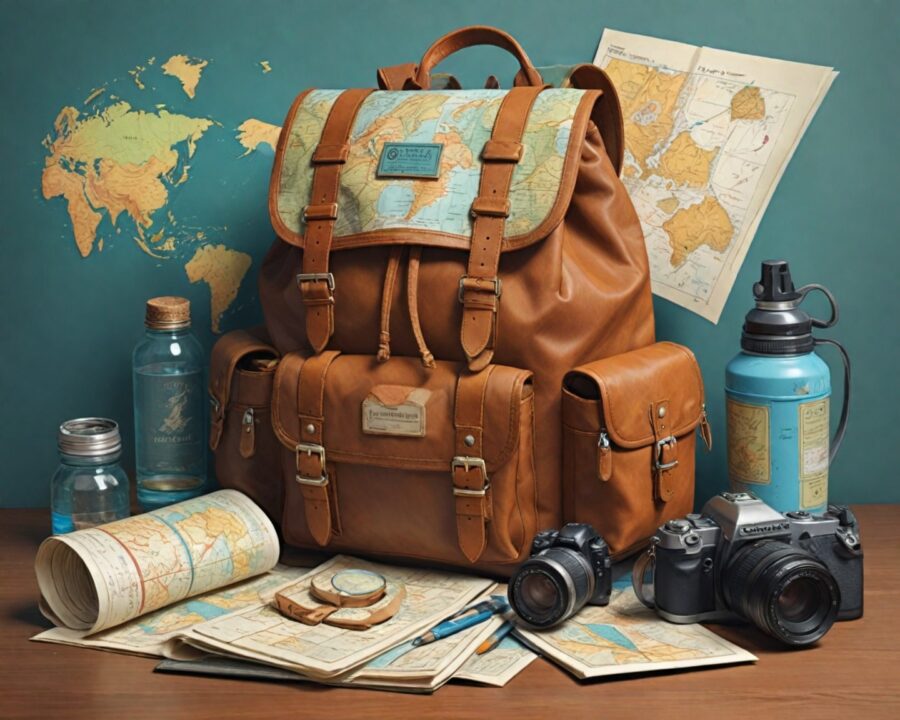
Introduction to Travel Backpack Essentials
When it comes to embarking on a travel adventure, whether it’s a weekend getaway or a month-long expedition, one of the most crucial aspects of your preparation is packing the right essentials in your travel backpack. Having the right items can make the difference between an enjoyable trip and one fraught with inconvenience and discomfort. Packing a travel backpack efficiently requires a careful selection of items that are functional, versatile, and suitable for the nature and duration of your trip. Regardless of whether you’re trekking through mountain trails or exploring urban landscapes, the contents of your backpack play a pivotal role in defining your travel experience.
Choosing the right items involves a well-thought-out strategy that considers the climate of your destination, your personal needs, and the activities you’ll be undertaking. As seasoned travelers can attest, packing light doesn’t necessarily mean leaving behind essentials. Instead, it’s about making smart choices on what to carry, ensuring that each item serves a purpose and contributes to the comfort and safety of your journey. This article will guide you through the essential items to pack in your travel backpack for any trip, providing tips and insights to help you prepare efficiently and avoid common packing pitfalls.
Why Choosing the Right Backpack Matters
Arguably, the most critical gear for any travel endeavor is the backpack itself. Selecting the right backpack can greatly influence your travel experience by providing comfort, functionality, and ease of access. A poorly chosen backpack can lead to physical discomfort, disrupted organization, and even difficulties in adhering to travel guidelines such as size and weight restrictions.
The first consideration when selecting a backpack is size. An appropriately sized backpack ensures that you can carry all necessary items without undue burden. Striking a balance between too small a pack, which might require compromises on essentials, and too large a pack, which may encourage overpacking and increase physical strain, is essential. Assess your usual packing needs and the nature of your trips to determine the optimal size.
Moreover, the design and structure of the backpack are equally significant. Features such as padded shoulder straps, a hip belt, and a well-ventilated back panel contribute to carrying comfort, especially on longer journeys. Additionally, compartments help organize your belongings, while features like waterproof material and a rain cover protect contents from adverse weather. Investing time in selecting a high-quality backpack will provide dividends in comfort and functionality throughout your travels.
Clothing Essentials for Different Climates
Packing clothing for your trip is a nuanced task that requires consideration of the climate and activities at your destination. Rather than packing everything in your wardrobe, strategic choices allow you to travel light while staying prepared for various weather conditions.
For warm climates, selecting lightweight and breathable fabrics is crucial. Moisture-wicking materials help you stay comfortable in humid weather, while sun-protective clothing can prevent skin damage from prolonged exposure to intense sunlight. Items such as hats, sunglasses, and swimsuits may also be necessary depending on your travel itinerary.
Conversely, colder climates necessitate layering to ensure you can adjust your clothing based on temperature fluctuations. A good layering system involves a moisture-wicking base layer, an insulating middle layer, and a weather-resistant outer layer. Don’t forget essential accessories like gloves, scarves, and thermal socks to keep extremities warm.
When traveling to destinations with varying climates, selecting versatile clothing pieces is wise. Convertible pants, zip-off jackets, and multi-functional outerwear can accommodate diverse weather scenarios without requiring excessive packing. In any climate, always prioritize comfort and practicality over fashion to ensure your clothing supports and enhances your travel experience.
Must-Have Toiletries and Personal Care Items
Toiletries and personal care items are critical components of any travel backpack, yet they often pose a challenge due to restrictions on liquid items and space limitations. Creating a concise and efficient toiletries kit ensures you remain fresh and comfortable, no matter where your journey leads.
Essential toiletries should include the basics: a toothbrush, toothpaste, deodorant, and any specific hygiene products you require regularly. Travel-sized containers are ideal for liquids such as shampoo, conditioner, body wash, and moisturizer, ensuring compliance with airline regulations and minimizing bulk.
For personal care, consider a small pack of cleansing wipes for quick refreshes on the go, and a compact first-aid kit for handling minor injuries. Women may also need to pack items like makeup basics, sanitary items, and hair care essentials. Use waterproof pouches to prevent any leakage inside your backpack, and remember to refill them as needed during your travels.
Tech Gadgets and Accessories for Travelers
In today’s technology-driven world, tech gadgets and accessories are increasingly seen as travel essentials, offering convenience, connectivity, and entertainment during your travels. Whether you’re a tech-savvy traveler or a casual user, certain gadgets can greatly enhance your travel experience.
Firstly, consider traveling with a reliable smartphone, not only for communication but also for maps, travel apps, and capturing memories. Complementing your smartphone, a portable charger ensures your devices stay powered during long rides or excursions. Additionally, power adapters or converters are necessary for international travel, ensuring compatibility with local electrical outlets.
If you’re a digital nomad or require a laptop for your trip, prioritize a lightweight and durable device. Noise-cancelling headphones or earbuds provide a peaceful listening experience, reducing stress from ambient noise during travel. For photography enthusiasts, a compact camera or a drone can capture high-quality images of your adventures. Make sure to include extra batteries and memory cards to avoid running out of space.
First-aid Kit and Emergency Supplies
Preparing for emergencies is an essential aspect of travel, particularly when venturing into remote or unfamiliar locations. A well-stocked first-aid kit is crucial in managing minor health issues that may arise, providing peace of mind and immediate care when needed.
Basic items for your first-aid kit include adhesive bandages, antiseptic wipes, gauze pads, and medical tape. Include over-the-counter medications for common travel ailments such as headaches, motion sickness, allergies, and digestive issues. If you have specific medical needs, ensure you pack an adequate supply of prescribed medications and any necessary medical devices.
Beyond medical supplies, including emergency items such as a flashlight, a whistle, and a compact multi-tool can be valuable. These tools can assist in navigation, signaling for help, or making small repairs. Always ensure your emergency supplies are easily accessible within your pack, and familiarize yourself with their use before your trip.
Snacks and Hydration Solutions for the Road
Proper nutrition and hydration are pivotal to maintaining energy and health during your travels, particularly on longer journeys or in areas where food options may be limited. Packing appropriate snacks and hydration solutions is a strategy for ensuring you can replenish your energy levels whenever necessary.
Compact and nutritious snacks such as granola bars, dried fruit, nuts, and jerky provide quick sustenance without occupying excessive space in your backpack. These items have long shelf lives and can satiate hunger during transit or excursions. For those who prefer homemade options, consider pre-packing sealed bags of trail mix or energy bites.
Hydration is equally crucial, and a reusable water bottle is a must-have for any traveler. Consider a bottle with a built-in filter if you’re uncertain about water quality at your destination. Hydration packs may also be an option for hikers or cyclists, providing a hands-free way to access water. Staying hydrated is essential for health and well-being, especially in hot climates or at high altitudes.
Organizational Tools to Keep Your Backpack Tidy
A well-organized backpack not only streamlines your travel experience but also reduces stress and saves time when locating items. Implementing organizational tools can help keep your backpack tidy and efficiently packed, making it easier to access your belongings.
Packing cubes are perfect for compartmentalizing clothing, which simplifies the packing process and keeps your apparel wrinkle-free. Color-coded or labeled cubes help quickly identify contents, enhancing overall packing efficiency. For electronics and small items, consider a tech pouch or organizer to safeguard cables, chargers, and other accessories.
Utilizing compression bags effectively reduces the volume of bulky items, providing additional space in your backpack for other essentials. Waterproof bags or dry sacks are practical for protecting valuables like documents, electronics, and cash from moisture. Lastly, always designate a specific pocket or pouch for travel documents such as passports, tickets, and itineraries to ensure they remain secure and accessible.
Common Mistakes to Avoid When Packing
While packing for travel, it’s easy to make mistakes that can lead to inconveniences or challenges during your journey. Being aware of common packing pitfalls can help you avoid them and ensure a smoother travel experience.
One frequent mistake is overpacking, which results in a heavier backpack and more difficulty navigating through airports, public transport, or challenging terrain. To prevent overpacking, prioritize essentials and multipurpose items and adhere to a packing list.
Another mistake is neglecting to check local weather and climate conditions, leading to inappropriate or insufficient clothing and gear. Always research your destination’s seasonal climate and pack accordingly. Additionally, forgetting to secure liquids can cause leakage and damage to other items in your backpack. Ensure all liquid items are sealed in leak-proof containers or bags.
Lastly, avoid packing valuable or irreplaceable items in your checked baggage if flying. Keep essentials like prescriptions, electronics, and travel documents in your carry-on for easy access and peace of mind in the event of delayed or lost luggage.
Final Checklist and Tips for Efficient Packing
As you prepare to pack your travel backpack, having a final checklist ensures no essential item is left behind. Here’s a comprehensive checklist to guide your preparation:
-
Backpack: Choose the right size and style with adequate compartments.
-
Clothing: Pack for the climate with lightweight, breathable, and layerable options.
-
Toiletries: Comply with liquid restrictions using travel-sized containers.
-
Tech Gadgets: Include essentials like a smartphone, charger, and adapters.
-
First-aid Kit: Stock with basic supplies and personalized medications.
-
Snacks and Hydration: Pack non-perishable snacks and a reusable water bottle.
-
Organizational Tools: Use packing cubes, pouches, and compression bags.
-
Important Documents: Secure passports, itineraries, and boarding passes.
In addition to the checklist, maintain a straightforward packing strategy: lay out all items before packing, segregate by category, and pack in a logical order, starting with heavier items at the bottom. Make use of every compartment, and continuously assess contents against your checklist to ensure efficiency.
Frequently Asked Questions
Can I carry a travel backpack as a carry-on item?
Yes, most travel backpacks designed for personal storage comply with standard airline carry-on specifications. Always verify size and weight restrictions with your airline before traveling.
How do I choose a travel backpack for a specific trip?
Consider the trip’s duration, activities, and climate. Select a backpack with appropriate size, compartments, and features suited for your needs and ensure it has comfort-focused design elements such as padded straps and a hip belt.
What are some packing tips for staying organized?
Use packing cubes to segment clothing, tech organizers for gadgets, and specific pouches for toiletries and travel documents. Always adhere to your packing list and maintain compartment designation within your backpack.
Are there any specific tech gadgets I should take?
A smartphone, portable charger, power adapters, and noise-cancelling headphones are key tech gadgets. Depending on the trip, consider carrying a laptop, compact camera, or additional devices for photography and entertainment.
How do I prepare a first-aid kit for travel?
Include basic first-aid supplies: bandages, antiseptic wipes, pain relievers, allergy medications, and custom prescriptions. Add tools like a thermometer and a pair of scissors, tailored to the needs of your destination and activities.
What clothing is best for a multi-climate trip?
Opt for versatile items such as lightweight layers and adaptable pieces like convertible pants and jackets. Fabrics that wick moisture and offer sun protection are ideal, and pack accessories for temperature extremes.
Is it safe to bring snacks through airport security?
Yes, solid snacks like granola bars and nuts are typically allowed through security. Be mindful of liquid or gel food items, which require adherence to TSA liquid rules.
How do I keep my travel backpack safe from theft?
Choose a backpack with secure zippers or anti-theft features, and always maintain awareness of your surroundings. Consider utilizing locks or wearing the pack on your front in crowded areas.
Recap
Packing a travel backpack appropriately involves recognizing essential items that promote comfort, convenience, and safety. Starting with choosing the right backpack, travelers must consider climate-suitable clothing, efficient toiletry kits, essential tech gadgets, well-equipped first-aid supplies, and sustainable hydration and snack solutions. By adopting organizational tools and avoiding common packing mistakes, travelers can enjoy a seamless transit and stay prepared for each day’s adventures.
Conclusion
Effective travel backpack packing is both an art and a science, requiring consideration, planning, and a systematic approach. By carefully selecting and organizing travel essentials, travelers can ensure a more comfortable, enjoyable, and worry-free journey. Whether you’re exploring familiar territories or venturing into the unknown, being prepared with the right items can enhance your experience and facilitate ease of travel from start to finish.
Ultimately, the goal of smart packing is to empower you to focus on the adventure itself, not the logistics of carrying your belongings. With this guide, you’re equipped with the knowledge and tools to pack efficiently, ensuring that your once-daunting task of preparation transforms into a simple matter of choosing, organizing, and embarking on the journey with confidence.