
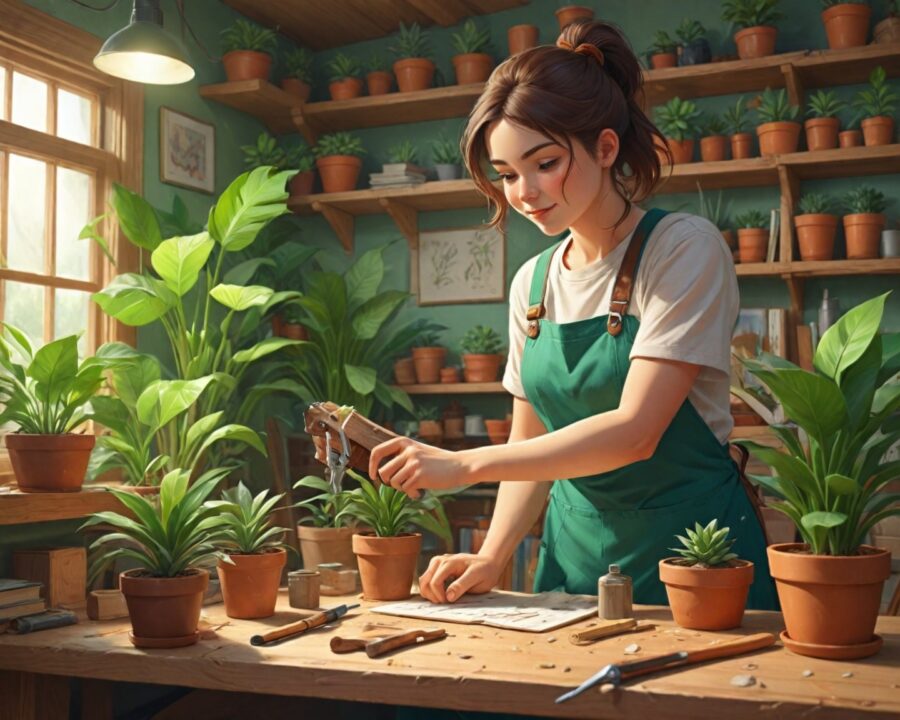
Introduction to DIY Plant Shelves and Their Benefits
Creating a space where plants can thrive within your home not only enhances aesthetic appeal but also improves overall indoor air quality. A well-designed DIY plant shelf serves as a functional and decorative piece, allowing you to showcase your favorite greenery while simultaneously contributing to the ambiance of your space. Beyond its practical uses, building a plant shelf can also be a fulfilling and enjoyable project, offering a sense of accomplishment once completed.
The benefits of a DIY plant shelf extend beyond mere practicality. This personalized approach allows you to customize your shelf according to the specific needs of your plants and the unique characteristics of your living space. Crafting your plant shelf offers an opportunity to learn new skills in woodworking and design, potentially sparking an interest in further DIY projects that enhance your home’s cohesion and personal charm.
Materials and Tools Needed for Building a Plant Shelf
Before diving into construction, it’s essential to gather all the necessary materials and tools. This preparation ensures a smooth building process and minimizes interruptions. The materials you choose will affect the shelf’s appearance, durability, and suitability for your chosen location.
Start with basic materials such as wood planks, screws, and brackets. Select a type of wood that matches your interior design. Pine is an affordable and easy-to-work-with option, whereas hardwood provides a more durable and polished look. Consider the weight of your plants when choosing board thickness and bracket strength.
Tools are equally important. Ensure you have a measuring tape, saw (hand saw or electric), a drill with drill bits, a screwdriver, sandpaper, and a level. Safety equipment is crucial; wear goggles and gloves to protect against splinters and inadvertent injuries. Organizing all materials and tools beforehand ensures an efficient build, maximizing both safety and success.
Step-by-Step Guide to Designing Your Plant Shelf
Designing your plant shelf is a personal journey that blends creativity with practicality. Begin by identifying the location where the shelf will be installed. Consider factors like sunlight availability and visibility, ensuring the shelf accentuates rather than clutters your space.
Start sketching your design by deciding the shelf dimensions. Consider the types of plants you intend to place: taller plants will require more vertical space, while smaller pots might need a broader but shallower design. Next, think about the number of tiers your shelf should have. A three-tier shelf often offers balance and symmetry, but a two-tier shelf might be more fitting if space is limited.
Incorporate unique elements such as angled shelves or custom edging to add personal flair. These customizations aren’t only aesthetically pleasing; they can be functional, helping manage different plant sizes and allowing for proper watering without drenching other shelves. Remember, the main goal is to create a cohesive unit that complements your room and cares for your plants’ needs.
How to Measure and Cut Wood for Your Shelf
Precision in measuring and cutting wood is critical in creating a solid and well-finished plant shelf. Begin by recording exact measurements according to your design. Clearly mark cut lines on the wood with a pencil to guide your saw accurately. These preparatory steps are vital in avoiding costly errors and material wastage.
With your measurements finalized, use a saw to make your cuts. A miter saw can make precise angle cuts, while a circular saw can handle long, straight lines. If using a hand saw, ensure you apply consistent pressure and guide the blade steadily to avoid splintering. Cutting accurate lengths is essential to maintain balance and support once the shelves are assembled.
Don’t skip finishing touches on the wood. Sand down edges and surfaces to smooth out rough spots, ensuring the safety of both you and your plants. This process also prepares the wood for any subsequent painting or staining, aiding in a clean, polished final appearance.
Assembling the Shelf: Tips for Stability and Durability
Assembling your DIY plant shelf requires patience and attention to detail to ensure stability and longevity. Begin by constructing each tier separately. Use brackets to connect the horizontal boards securely to their vertical supports, ensuring they are perpendicular.
When attaching the shelves, pre-drill holes to prevent the wood from splitting. Use a level to verify each shelf aligns properly, ensuring your plants don’t tilt once placed. A poorly leveled shelf can lead to an unstable setup, risking accidents and damage to your plants and floor.
Durability is another critical factor. Reinforce joins with extra screws or metal brackets where needed, especially if housing heavier pots. If placed near a wall, consider wall anchors or studs to further secure the shelf against potential tipping. Remember, a well-built shelf is determined not just by its initial construction but also by its ability to withstand weight and environmental changes over time.
Painting and Finishing Your DIY Plant Shelf
Finishing your plant shelf through painting or staining not only adds an extra layer of protection to the wood but also allows you to match or contrast it with your home decor. The decision between painting and staining affects the visual outcome and functional longevity of your shelf.
Start by applying a primer if painting. This base coat prepares the surface, ensuring the paint adheres smoothly. Pick a paint suited for your environment — a glossy finish is easier to clean, while matte can impart a sophisticated look. Apply in thin, even coats, allowing each layer to dry completely before adding the next.
For staining, choose a tone that complements your interior. A clear sealant over the stain protects against moisture, a common issue given the natural placement of plants. Finishing with a polyurethane layer further enhances durability, safeguarding against scratches and water damage. Accurate and mindful application of paint or stain not only enhances appearance but extends the lifespan of your shelf.
Creative Ideas for Arranging Plants on Your Shelf
Once your shelf is ready, the exciting process of arranging your plants can begin. A well-thought-out display enhances both the aesthetic and health of your plants by ensuring adequate light and space for each pot.
Consider varying heights and textures among your plants to create visual interest. Mixing tall foliage with low-lying succulents or trailing vines like pothos generates depth and dimension. This layered approach also mimics natural growing environments, potentially benefiting plant health.
Stay mindful of plant needs such as sunlight exposure. Position sun-loving plants like cacti closer to windows, while ferns and other low-light plants can thrive on lower tiers. Furthermore, rotating plants periodically ensures even light exposure, which supports robust growth. Design your arrangement to allow for easy access to water and attention, ensuring each plant remains healthy.
Common Mistakes to Avoid When Building a Plant Shelf
Avoiding common pitfalls during the construction of your DIY plant shelf can save time and materials, resulting in a more satisfying final product. One frequent error is incorrect measurements. Always double-check your measurements before cutting; mistakes lead to instability and imbalance in your design.
Another frequent misstep is using inappropriate materials. Light or weak wood slats may look appealing but can compromise the shelf’s strength, especially with heavier plants. Ensure the wood choice aligns with the functional demands of the shelf. Similarly, select the proper fasteners; screws and brackets should match the weight and size of your creation.
Lastly, disregarding finish and sealant can lead to premature wood decay, particularly given the moisture plants might introduce. Taking the extra time to sand, paint, or stain will significantly extend your shelf’s life and maintain its visual appeal.
How to Maintain and Care for Your Plant Shelf
Once completed, maintaining your plant shelf is key in preserving both its aesthetic and functional attributes. Regular dusting prevents allergens and maintains the shelf’s appearance. Use a damp cloth to avoid collecting dirt, especially around plant pots where soil might spill.
Inspect the shelf routinely for signs of wear or damage, particularly at joints or where moisture collects. Address any signs of trouble, such as loosening screws or growing mold, promptly to avoid larger issues down the road.
Finally, remember that plants can grow significantly over time. Be prepared to adapt their arrangement to their changing sizes and needs. Regularly reassessing both the condition of the shelf and the needs of your plants will ensure a harmonious and beautiful display persists.
Next Steps: Expanding Your DIY Skills with Other Plant Projects
Upon successfully creating your plant shelf, you may find yourself inspired to further develop your DIY capabilities. Consider exploring other projects that complement your shelf, like building a matching plant stand or crafting hanging planters to maximize vertical space.
Additional skills, such as learning about plant care or experimenting with macramé plant hangers, can deepen your connection with both the craft and the plants themselves. This integrated knowledge enhances not only your home’s aesthetic but contributes to a more holistic understanding of sustainable living.
Joining online communities or workshops can provide both inspiration and support as you continue on your DIY journey. These new skills could lead to a host of projects that personalize your space, all while supporting a love of nature and creative expression.
FAQ
How do I choose the right wood for my plant shelf?
Choose wood based on appearance, durability, and weight capacity. Pine is affordable and easy to work with, but hardwoods like oak provide better durability. Consider the weight of your plants and the shelf’s location when selecting your wood.
What tools are essential for building a plant shelf?
A basic tool set should include a saw (hand or electric), a drill with drill bits, measuring tape, a level, sandpaper, a screwdriver, and safety equipment like goggles and gloves.
Can I paint my plant shelf any color?
Absolutely, but ensure to use primer first for the best adherence. Consider the color scheme of your home to choose a suitable hue that complements or contrasts effectively.
How can I reinforce my shelf for heavier plants?
Use thicker boards and ensure all connections use sturdy screws or metal brackets. Attaching the shelf to supports like wall studs further enhances stability.
What are some creative ways to display plants on my shelf?
Mix and match varying heights and types of plants—combine tall plants, trailing vines, and succulents to create depth and visual interest. Group by sunlight needs for better plant health.
How do I protect my shelf from water damage?
Seal your shelf with a protective finish such as polyurethane to guard against water damage. Always allow pots to drain excess water thoroughly or use trays underneath.
What common mistakes should I avoid when building a shelf?
Avoid incorrect measurements, using inadequate materials, and neglecting to apply a durable finish. Double-check all dimensions and choose materials that match the intended use.
How often should I maintain my plant shelf?
Regular dusting and periodic checks for wear or moisture damage are recommended. Plant arrangements may need adjustment as they grow, ensuring optimal light and space conditions.
Recap
In this comprehensive guide to building a DIY plant shelf, you learned the importance of designing according to your space and plants’ needs, selecting the appropriate materials and tools, and the precise steps involved in construction. We covered the techniques for measuring and cutting wood, assembling the shelf with attention to detail for long-lasting stability, and applying finishes to protect and enhance your creation. Additionally, arranging plants creatively and maintaining the shelf over time were addressed to ensure a thriving indoor garden.
Conclusion
Building a DIY plant shelf not only brightens your living environment but also provides an excellent opportunity to cultivate new skills and hobbies. From initial design to final placement, each step is a testament to your creativity and effort. As you’ve discovered, every aspect of the project — from material selection to plant arrangement — has a significant impact on both your shelf’s functionality and aesthetic appeal.
Hopefully, this guide has equipped you with the knowledge and confidence to embark on this rewarding venture. Whether you’re looking to integrate more nature into your home or simply enjoy a new woodworking hobby, creating your own plant shelf might just be the perfect start. Let this accomplishment inspire further DIY adventures that continue to enrich your living space and refine your skills.