
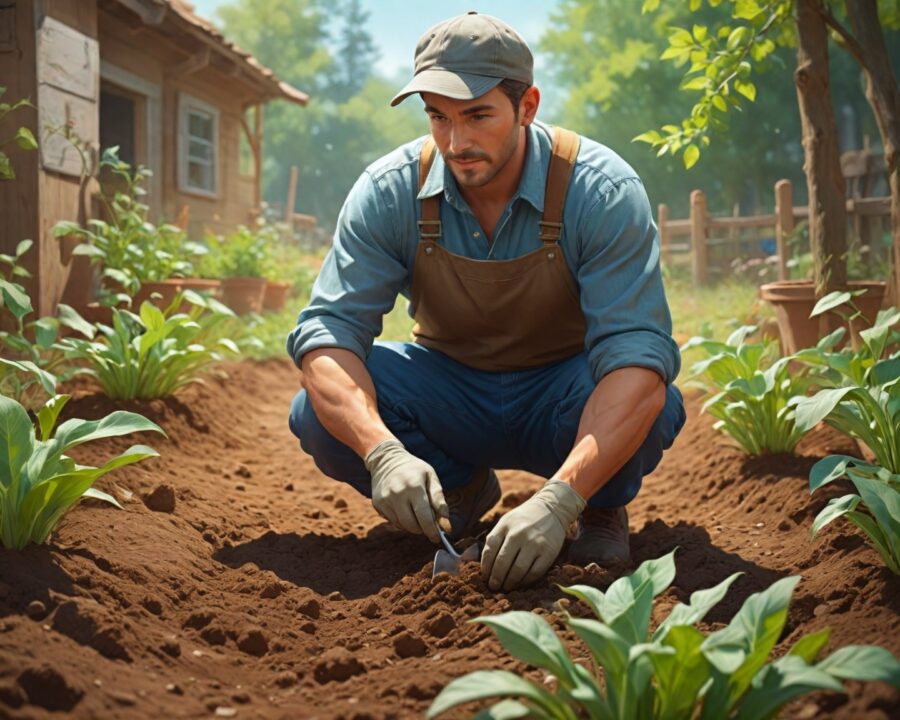
Planting seeds is a rewarding endeavor that connects us to nature and yields beautiful, tangible results. Whether you’re nurturing a vegetable plot, a flower bed, or simply cultivating an herb garden, understanding how to plant seeds and foster their growth is essential. This guide will explore the comprehensive steps involved in successful seed planting, from choosing the right seeds to keeping your garden thriving.
Gardening begins with a sense of curiosity and, perhaps, the desire to cultivate one’s own space. While the task may seem daunting at first glance, with the right information and a bit of practice, anyone can excel. This article will demystify the process, offering a detailed roadmap for novices and experienced gardeners alike. By understanding the principles of seed planting and care, you’ll be well on your way to a lush, productive garden.
Understanding the Basics of Seed Planting
Seed planting is the foundation of gardening. At its core, the process involves embedding seeds in soil and providing them with the conditions necessary for growth. Each seed contains an embryo of the plant and the nutrients needed for its initial growth until it can make its own food via photosynthesis.
The lifecycle of a plant begins with germination, where seeds absorb water, swell, and break their outer coats. Temperature, water, oxygen, and light are critical factors in this first step. After germination, seedlings emerge from the soil, heralding the start of a plant’s visible journey. The initial stages of life set the stage for the plant’s subsequent growth and development.
Successful seed planting not only depends on proper sowing techniques but also the gardener’s understanding of the biological needs of the seeds. Familiarity with these basic principles acts as a springboard to more complex gardening tasks, such as transplanting and managing pests.
Choosing the Right Seeds for Your Garden
Selecting the appropriate seeds is crucial for a fruitful garden. Consider climate, soil type, and the specific attributes of your garden when choosing seeds. Some plants thrive in full sunlight, while others may prefer partial shade.
Look to local sources when purchasing seeds, as they are more likely suited to your region’s climate and growing season. Research and choose between heirloom, hybrid, and genetically modified seeds. Heirloom seeds are valued for their genetic diversity and preservation of traditional plant varieties. Hybrids are engineered for specific qualities such as disease resistance or higher yield, while genetically modified seeds might offer resilience against certain pests.
Finally, consider your personal preferences and gardening goals. Do you wish to cultivate a vegetable garden for fresh produce, or are you more inclined toward a vibrant flower garden? Identifying your objectives will guide you in selecting seeds that align with your gardening vision.
Preparing the Soil for Optimal Growth
Healthy soil is the cornerstone of a successful garden. Begin by assessing your soil type, which can range from sandy to clay. A balanced, loamy soil mixture is ideal for most plants. Test your soil’s pH to ensure it falls within the desired range for your chosen plants, typically between 6.0 and 7.5.
Soil preparation involves amending it with organic material such as compost or well-rotted manure to improve fertility and structure. This not only enriches the soil but also aids in moisture retention and drainage. Ensure your soil is free of weeds and debris before planting, as these can compete with young seedlings for nutrients.
Cultivate the soil to a fine tilth by turning it to a depth of at least 12 inches. This aeration encourages root growth and improves water permeability. Once your soil is prepared, you can move on to planting, confident that your seeds have the best possible foundation.
How to Plant Seeds Step by Step
Planting seeds is a straightforward process when broken down into manageable steps. Here is an easy-to-follow guideline for getting your seeds into the soil successfully.
-
Timing is Elemental: Determine the right time to plant. This will depend on the specific seeds and your climate. Some seeds do best when planted directly outdoors while others need an indoor head start.
-
Choose Your Method: Decide whether to start seeds indoors or directly sow them outdoors. Indoor planting can extend the growing season, while direct sowing is convenient for hardy plants.
-
Spacing and Depth: Refer to seed packets for specifics on how deep and how far apart to plant seeds. As a general rule, seeds should be planted at a depth of twice their diameter.
-
Embedding in Soil: Poke holes or grooves into the prepared soil for your seeds. Place seeds within the holes, cover with soil, and lightly tamp down to secure them in place.
-
Labeling: Mark your rows with labels to keep track of different plant varieties and their expected germination times.
By following these steps, you’ll ensure that your seeds have the best start possible in their journey towards growth.
Watering and Sunlight Requirements for Seeds
Proper watering and sunlight are key factors in the successful germination and growth of seeds. Initially, ensure the soil is consistently moist. Use a fine spray or mist to avoid washing away seeds or disturbing fragile seedlings.
Seedlings have varying light requirements. Some prefer full sun, while others may need partial shade. Position seed trays or planters in appropriate spots to match these needs. As seedlings grow, adjust watering to ensure deeper root absorption and reduce mold issues.
A useful trick is to water in the early morning. This allows any excess moisture on leaves to dry quickly, reducing the risk of fungal diseases. Adjust watering frequency based on your local climate and seasonal changes, always monitoring your seedlings for signs of stress due to over or under-watering.
Common Mistakes to Avoid When Planting Seeds
Avoiding common pitfalls in seed planting can greatly enhance your success rate. The first mistake is overwatering. Many new gardeners provide too much water, not realizing that it can cause seeds to rot before germination.
Another typical error is planting seeds too deeply or not deep enough. Always adhere to the depth recommendations on the seed packet, as each plant has different requirements. Overcrowding is another frequent issue, leading to competition for light, nutrients, and space.
Lastly, ignoring local climate conditions when selecting seeds and timing plantings can hinder growth. It’s essential to understand the microclimates in your gardening area and choose seeds that can thrive within those conditions.
How to Care for Seedlings as They Grow
Once seedlings have emerged from the soil, they require attentive care. The transplanting phase is crucial for their development, so handle them with care when moving to larger containers or into the ground.
Ensure seedlings get enough light. Insufficient sunlight may cause them to become leggy and weak. A grow light can supplement natural light if necessary. Fertilize seedlings with an appropriate plant food once they establish their first set of true leaves.
Monitor seedlings for signs of stress or illness. Yellowing leaves, wilting, or stunted growth can all indicate problems. Adjust environmental factors and respond promptly to these signs to maintain healthy growth.
Dealing with Pests and Diseases in Young Plants
Young plants are vulnerable to pests and diseases, which can hinder their growth or compromise their health. One of the primary steps in managing these issues is maintaining garden hygiene. Clean your tools and containers, and clear debris around plants to remove hiding spots for pests.
Regular monitoring of plants will help you catch early signs of infestations or diseases. Look out for yellowing leaves, holes, or sticky secretions on leaves, which may signify the presence of pests such as aphids or caterpillars.
For organic pest control, consider companion planting and employing beneficial insects. Strategies like using neem oil or preparing insecticidal soap can be effective proprietary solutions against common threats.
When and How to Transplant Seedlings
Transplanting is an integral step in ensuring your seedlings have ample space to continue growing healthily. First, identify if they are ready for transplanting. Common signs include the development of a strong root system and multiple leaves.
Choose a cool, overcast day to minimize transplant shock. Prepare the new planting spot beforehand by ensuring the soil is rich and properly conditioned. Gently remove seedlings to avoid damaging their roots and place them into new holes matching their previous depth.
Water the transplants immediately after replanting to help them settle and incorporate into their new environment. Watch for signs of stress such as wilting, which might indicate an adjustment period or issues needing attention.
Tips for Maintaining a Thriving Garden
A thriving garden results from continued effort and application of good practices. Regular maintenance involves weeding, mulching, and ongoing soil conditioning. Mulching, such as with organic matter like straw or bark chips, helps conserve soil moisture and prevent weed growth.
Employ a strategic watering regime tailored to seasonal needs. Introduce water-efficient practices such as drip irrigation systems to ensure consistent and targeted watering, saving water, and providing optimum plant hydration.
Lastly, practice crop rotation annually if you’re maintaining an edible garden. This can prevent disease build-up and maintain soil fertility. By applying these practices, your garden will thrive, rewarding you with a bountiful yield and aesthetic beauty.
FAQ
How often should I water seeds after planting?
Water seeds daily to ensure the soil remains consistently moist but not waterlogged. A light misting with a spray bottle is often sufficient to keep the surface hydrated.
What should I do if my seedlings appear leggy?
Leggy seedlings typically arise from inadequate light. Gradually increase their exposure to direct sunlight or use a grow light to provide more appropriate lighting conditions.
When is the best time of day to plant seeds?
The best time to plant seeds is late afternoon or early evening. This avoids the hottest part of the day, reducing potential stress on the newly planted seeds due to high temperatures.
How can I prevent my plants from getting diseases?
Maintain healthy soil, avoid overhead watering, and keep plants spaced adequately to improve air circulation. Regularly inspect plants and remove any infected foliage immediately.
What is the recommended depth for planting seeds?
As a general guideline, plant seeds at a depth of twice their diameter. However, always follow the specific depth instructions provided on your seed packet for best results.
How can I improve my soil naturally?
Incorporate organic matter such as compost, manure, or green manure crops into your soil. This enriches soil nutrients and improves soil structure for better plant growth.
Should I thin my seedlings, and if so, when?
Thinning is necessary to prevent overcrowding. Thin seedlings once they have developed their first set of true leaves, ensuring that remaining plants have enough space to develop fully.
Recap
This article has detailed the step-by-step process of seed planting, from selecting the right seeds for your environment to ensuring young plants grow into healthy adults. Key areas covered include preparing the soil, watering and lighting requirements, common mistakes to avoid, caring for seedlings, pest and disease management, and best practices for transplanting seedlings. Additionally, maintaining long-term garden health via crop rotation and strategic practices is emphasized for a flourishing garden setup.
Conclusion
Gardening through seed planting offers a deeply fulfilling experience, connecting us to the environment while allowing for personal expression through our chosen plants. This comprehensive guide provides essential information and techniques to steer both new and seasoned gardeners towards success.
Starting with understanding the seed planting basics and diligently selecting appropriate seeds allows you to set a strong foundation for your garden. Further consideration of soil preparation and planting depth paves the way for healthy germination. Attentive care through calibrated watering, sunlight exposure, and vigilant pest management ensures sustained growth and vitality of your plants.
Gardeners who follow these steps and engage with the process thoughtfully are rewarded with a rich, vibrant garden. The journey from seed to plant enhances not only your natural environment but also affords a sense of accomplishment and serenity. Through persistent care and strategic practices, your garden can grace your home with life and bounty throughout the seasons.