
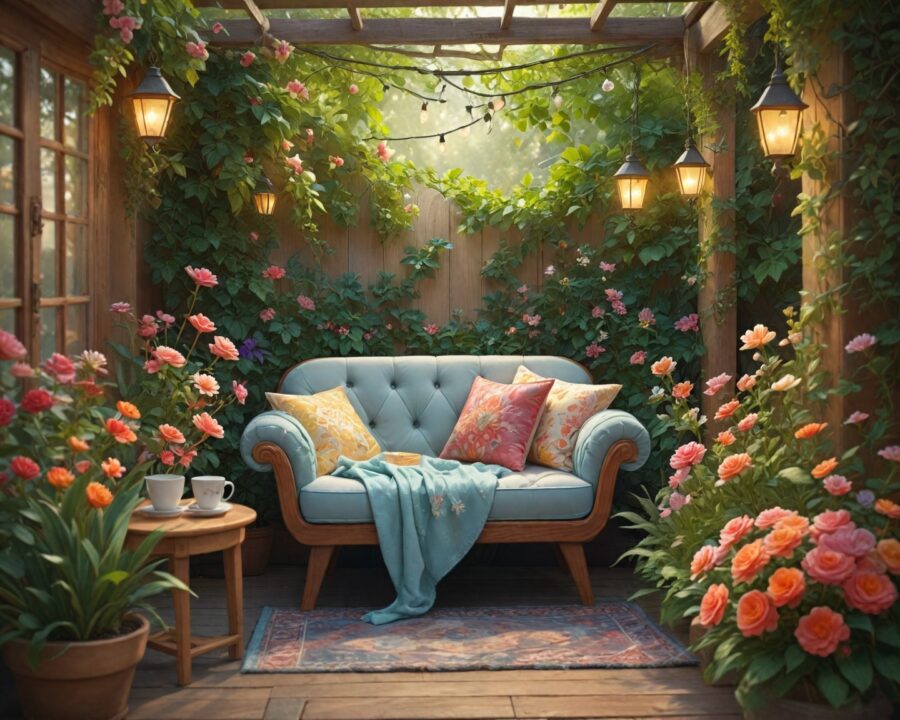
Creating a relaxing garden corner is more than just planting a few flowers and setting up a chair; it’s about designing a space that serves as an oasis for tranquility and rejuvenation. In our fast-paced world, having a private corner outdoors where you can unwind is a valuable asset for mental wellness. Not only does it serve as a personal retreat, but a well-planned garden corner can also add aesthetic value to your property. Whether you are sipping tea, reading a book, or meditating, a garden nook provides the perfect escape from daily stressors.
The beauty of a garden corner lies in its adaptability. Regardless of your garden’s size or your budget, there’s a way to tailor this sanctuary to fit your specific needs and style preferences. Let’s delve into understanding the benefits, planning, and execution of this green retreat by exploring the essential steps in creating a relaxing garden corner that caters to your lifestyle.
Understanding the Benefits of a Relaxing Garden Corner
Creating a garden corner specifically designed for relaxation brings a multitude of benefits that enhance not only your garden’s aesthetics but also your health and well-being. Firstly, connecting with nature and spending time in green spaces is known to reduce stress levels. A tranquil corner filled with lush greenery and blooming flowers can serve as a daily escape from the pressures of life, offering a calm environment for the mind to unwind.
Apart from mental health benefits, spending time outdoors in a well-crafted garden can also improve physical health. The exposure to fresh air contributes to better respiratory health while natural sunlight increases Vitamin D levels, which is essential for a healthy immune system. Additionally, the process of designing and maintaining your garden corner can provide gentle physical activity, promoting mobility and strength.
Moreover, having a personalized garden corner can boost creativity and productivity. The serene environment is perfect for introspection, helping ideas to flow freely. Whether you’re a writer in need of a beautiful backdrop for inspiration or someone who enjoys painting en plein air, the solitude provided by a garden corner can foster creativity in a way that an indoor environment might not.
Choosing the Perfect Location for Your Garden Corner
The first crucial step before you plant or purchase outdoor furniture is selecting the ideal spot for your garden corner. Location is fundamental as it influences every other decision, from plant selection to furniture style. The perfect location should align with your needs for sunlight, privacy, and view.
Consider the level of sunlight the area receives. Some plants thrive in full sun, while others do best in the shade. Your choice of plants will inform whether your corner should be sun-drenched or partially shaded. Moreover, consider how much sunlight you enjoy. If reading in midday sun isn’t your thing, look for areas with natural shade.
Privacy is equally important. A relaxing space should provide a sense of seclusion. Look for a spot that is away from the main pathways in your garden and shielded from neighbors or street view. This can be achieved using existing features like fences or walls, or by adding shrubs and trees for a natural barrier.
Lastly, consider the view. A good vantage point can enhance relaxation, whether it’s overlooking a water feature, a flower bed, or a sweeping lawn. Avoid areas where distractions like traffic noise might intrude. Envision different settings at various times of the day to find the perfect balance of light, shade, privacy, and view.
Essential Elements for a Cozy and Relaxing Setup
Creating a cozy and relaxing garden corner requires careful selection of elements that work together harmoniously. The key is to combine comfort, attractiveness, and functionality in a way that reflects your personal style. Start with a few basic elements to lay the foundation for your tranquil oasis.
Firstly, decide on the flooring or foundation. Grass can be a simple choice, but consider other options like wooden decking, stone paving, or gravel, depending on the desired look and feel. Each material has its advantages: wood provides warmth, stone offers a rustic feel, and gravel is low maintenance and provides good drainage.
Next, think about the borders. Defining your space with raised beds can create an intimate feel, while offering a place for colorful floral displays or a kitchen herb garden. Using borders made from stone, wood, or metal not only enhances the visual appeal but also keeps plants contained.
Lastly, incorporate multi-sensory features. Consider fragrant plants, such as jasmine or lavender, along with wind chimes or water features for sound. Textures are also important; mix leafy plants with those that have more coarse textures for visual interest. These elements combined will ensure that your garden corner feels enveloping and complete.
Selecting the Right Plants for a Tranquil Atmosphere
Choosing the right plants can make or break the serenity of your garden corner. The goal is to select plants that contribute to a sense of calm and relaxation while being easy to care for. The selection should consider color, fragrance, and growth habits.
Start with greenery, which forms the backbone of any garden design. Consider evergreen shrubs and ferns that offer year-long interest. These plants provide structure and can help create a secluded feel. For a lush, tropical vibe, include plants with large leaves, such as hostas or philodendrons.
Incorporate flowering plants to add splashes of color. Soft whites, purples, and blues are particularly calming. Lilacs, hydrangeas, and lavender not only provide color but also offer pleasant scents. Fragrant flowers heighten the sensory experience and enhance the feeling of tranquility.
Finally, consider the maintenance level of the plants selected. Choose plants that match your gardening expertise and time availability. Perennials like echinaceas or daylilies require less upkeep and bloom reliably each year, allowing you more time to relax and enjoy your garden corner rather than maintaining it.
Incorporating Comfortable Seating and Furniture
Comfortable seating is a cornerstone of any relaxing garden corner. Whether you opt for a single plush chair or a collection of seating options, focus on comfort, durability, and style. Start by considering how you plan to use your garden corner to guide your furniture choices.
For solitary reflection or reading, a cozy lounge chair or rocking chair might be perfect. If you envision entertaining guests, consider a small outdoor sofa or a few matching chairs with a coffee table. Materials should be weather-resistant, like teak, eucalyptus, or powder-coated metal, to withstand elements and ensure longevity.
Cushions and throws can add an extra layer of comfort and style. Opt for outdoor fabrics that are fade-resistant and quick-drying. Mix and match colors and patterns to create a personalized look; however, aim to keep things cohesive by adhering to a particular color palette or theme, such as coastal, bohemian, or minimalist.
Adding Decorative Elements Like Lighting and Water Features
Enhancing your garden corner with decorative elements such as lighting and water features can transform it from ordinary to extraordinary. Lighting allows you to use your space into the evening and creates a magical atmosphere, while water features add a soothing auditory element.
There are various lighting options to consider, including fairy lights, lanterns, or solar-powered path lights. String lights hanging overhead or wrapped around trees can create a cozy, enchanting vibe. For a more sophisticated look, consider lanterns on side tables or pillar candles for a warm glow.
Water features, such as small fountains or birdbaths, introduce gentle, calming sounds that mask unwanted noise and encourage wildlife. Choose features that complement your overall design — ceramic, stone, or metal finishes can each contribute differently to the vibe of the space.
Incorporating both functional and ornamental elements ensures that your garden corner is both a beautiful and practical retreat at any time of the day, appealing to a range of senses.
Creating Shade and Privacy for Your Garden Corner
Providing shade and privacy are essential for a garden corner dedicated to relaxation. Both elements contribute to making your space feel like a true escape from the outside world, offering comfort and seclusion.
There are several ways to introduce shade. Pergolas or trellises with climbing plants like wisteria or grapevine can offer partial shade. If you prefer a movable option, consider garden umbrellas or shade sails that can be adjusted as needed. The choice of shade structure should coordinate with the style of your garden.
Privacy can be achieved using both natural and artificial options. Plant tall hedging, such as bamboo or hedgerows, to create a natural screen. For more immediate privacy, install fences or lattices, which can also act as a base for climbing plants, subsequently adding greenery.
Ultimately, the balance of shade and privacy should enhance the comfort level of your garden corner, providing a space where you can fully unwind without the distraction of the outside world.
Maintaining Your Garden Corner for Long-Term Relaxation
Creating a relaxing garden corner requires an initial investment of time and resources, but maintenance ensures it remains a peaceful haven for years to come. Regular upkeep not only keeps the space inviting but also boosts plant health and longevity.
Firstly, establish a regular maintenance schedule. This might include weekly tasks like watering, weeding, and deadheading spent flowers, as well as seasonal chores like pruning and mulching. Adapting your maintenance routine to accommodate weather changes ensures plants receive the care they need throughout the year.
Furniture and decorative elements also require attention. Use weatherproof covers for chairs and tables during inclement weather or when not in use. Clean cushions and throw fabrics regularly to prevent mold and mildew. Check lighting connections and clean water features to keep them functioning properly.
Lastly, remain flexible with your design. As your needs or aesthetic preferences change, feel free to adjust your garden corner to accommodate these shifts. This might include refreshing plant beds, swapping out décor, or reconfiguring seating arrangements to keep your space aligned with your lifestyle.
Common Mistakes to Avoid When Designing a Garden Corner
Designing a garden corner can be a fulfilling project, but it’s important to steer clear of common pitfalls that can undermine your efforts. By understanding these potential missteps, you can save time and resources while creating a more effective and enjoyable space.
Firstly, avoid overcrowding. It’s easy to fall in love with plants and want to include many varieties, but overcrowding can lead to competition for resources and maintenance challenges. Instead, focus on fewer species with varying heights and textures to create visual interest without chaos.
A second mistake is neglecting scale and proportion. Oversized furniture can make a small space feel cramped, while undersized pieces might look out of place in a larger setting. Carefully measure your space and select elements that complement the proportions, ensuring a balanced and comfortable environment.
Lastly, be wary of neglecting maintenance needs. A flourishing garden corner requires ongoing care. Design your space considering the amount of time and energy you can realistically commit to maintenance. This ensures your garden remains a space of relaxation rather than a source of stress.
Practical Tips for Enhancing Your Garden Corner Experience
Creating a garden corner is only the beginning; enhancing your experience over time will keep your retreat fresh and enjoyable. Consider these practical tips to maximize the potential of your outdoor sanctuary:
-
Seasonal Updates: Refresh the look of your corner with seasonal plants and décor. Spring bulbs, summer annuals, fall foliage, and holiday decorations can keep your space dynamic and inviting throughout the year.
-
Multi-Sensory Features: Enhance sensory elements with herbal planters that smell delightful, or hang wind chimes for a gentle sound. These small touches enrich the atmosphere, making your garden corner a holistic experience.
-
Personal Touches: Incorporate personal items like family heirlooms or art pieces to add unique charm. Such elements make the space uniquely yours and can enhance your emotional connection to the garden.
-
Flexible Seating: Be open to rearranging furniture to adapt to different activities or accommodate guests. This versatility ensures your garden corner remains functional for various uses.
By following these practical suggestions, you can create an environment that continuously supports relaxation and personalization, adapting as your needs evolve.
| Element | Feature | Benefit |
|---|---|---|
| Plants | Evergreens, flowering shrubs | Year-round interest, adds color |
| Furniture | Weather-resistant materials | Durability and comfort |
| Lighting | Solar lanterns, fairy lights | Atmosphere-enhancing, energy-saving |
FAQ
How do I choose the right plants for my garden corner?
When selecting plants, consider the light conditions and climate in your area. Choose a mix of evergreen shrubs for structure and seasonal flowers for color. Consider low-maintenance options if you prefer a hands-off approach.
What are some low-maintenance furniture materials for a garden corner?
Furniture made from materials such as teak, eucalyptus, and powder-coated metal is ideal for outdoor settings as they are durable and weather-resistant, requiring minimal maintenance and upkeep.
How can I incorporate water features without a large garden space?
In a limited space, consider small-scale features like a tabletop fountain or a wall-mounted waterfall. These compact options offer the calming sound of water without taking up too much room.
How important is lighting in a garden corner?
Lighting extends the usability of your garden corner into the evening and adds ambiance. Options like solar-powered path lights, string lights, and lanterns can enhance aesthetic appeal while ensuring safety.
How do I maintain privacy in my garden corner?
Achieve privacy by installing fences, using trellises with climbing plants like ivy or jasmine, or planting tall hedging to shield your space naturally. These elements can act as visual and sound barriers.
Can I create a garden corner in a small backyard?
Yes, even small spaces can host a relaxing garden corner. Utilize vertical space with wall-mounted planters or small trellises, and opt for compact seating arrangements that maximize comfort without overwhelming the area.
Should my garden corner have a theme?
A theme isn’t necessary, but it can help guide your design choices. Popular themes include zen, tropical, Mediterranean, or minimalist, each offering a distinct look and feel that enhances the overall coherence of the space.
Recap
In creating a relaxing garden corner, consider its multifaceted benefits ranging from stress relief to enhanced creativity. Choose an ideal location balancing sunlight, privacy, and views. Key elements include appropriate floors and plant choices that align with your design and maintenance capacity. Don’t overlook the comfort of seating, and enhance the ambiance with lighting and water features. Exercise creativity while avoiding design pitfalls such as overcrowding and poor scale management. Lastly, maintain your idyll with seasonally appropriate updates and personal touches.
Conclusion
Designing a relaxing garden corner is an investment in personal well-being, providing a peaceful retreat that can improve mental and physical health, foster creativity, and beautify your home. By selecting the right elements and making thoughtful decisions about plantings, furniture, and decorative features, you can create a haven that adapts to your lifestyle and needs.
Regular maintenance will ensure your sanctuary continues to offer enjoyment and respite for years to come. Whether used for quiet contemplation, social gatherings, or creative endeavors, your garden corner can become a versatile part of your daily routine, contributing to a balanced and fulfilling life.
A well-designed garden corner offers more than mere aesthetics; it becomes an integral part of a healthy, serene living environment. By following the steps outlined in this guide, you can craft a space that welcomes you, nurtures your senses, and harmonizes with nature for a truly rejuvenating experience.