
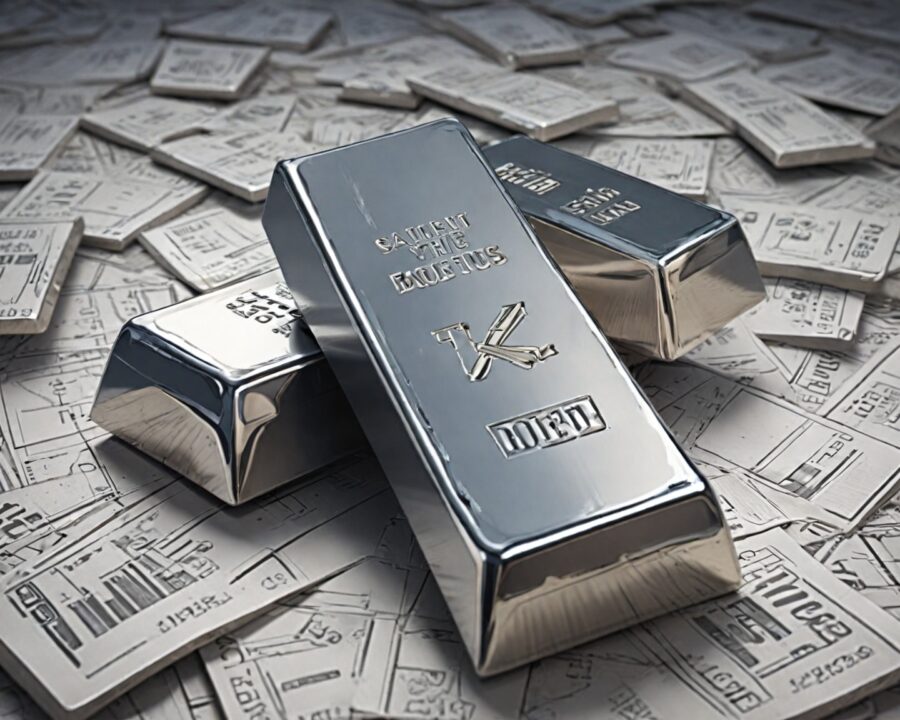
Introduction to Platinum as an Investment
In the realm of precious metals, platinum often takes a backseat to its more illustrious counterparts such as gold and silver. Despite its relative obscurity in mainstream investment discussions, platinum offers unique opportunities for investors looking to diversify their portfolios. As an industrial metal with diverse applications, platinum’s value is influenced by a variety of market forces, making it a compelling choice for those seeking both speculation and hedging opportunities. Understanding the dynamics of platinum is crucial in evaluating whether it makes for a sound investment strategy in 2025.
Unlike gold, which is predominantly a financial asset, or silver, known for both industrial and monetary uses, platinum’s value is deeply linked to industrial demand, particularly in the automotive and jewelry sectors. Its rarity further enhances its allure as an investment. Given its scarcity and unique properties, many investors ponder over the potential of platinum in the coming years. As we delve into its historical performance, the factors influencing its price, and the avenues available for investment, we aim to provide a comprehensive overview that will help potential investors gauge whether platinum is a wise addition to their portfolios in 2025.
Historical Performance of Platinum in Financial Markets
Historically, platinum has experienced a volatile journey in the financial markets. Its price has witnessed sharp peaks and deep troughs, largely driven by industrial demand cycles and economic conditions. In the early 2000s, platinum prices soared due to increased demand from the automotive industry, particularly with the rise of diesel engines, where platinum is used as a key component in catalytic converters. However, this bullish trend was followed by a decline during the financial crisis of 2008, which saw a dip in industrial output and, consequently, a reduction in demand for the metal.
The subsequent recovery phase in the 2010s witnessed fluctuating prices moderated by the evolving automotive landscape, stringent environmental regulations, and technological advancements. Each of these factors played a significant role in dictating price movements. More recent trends prior to 2025 have shown a renewed interest in platinum due to its potential role in the green energy transition, particularly in hydrogen fuel cell technology, which may significantly elevate demand for platinum.
An analysis of past performance suggests that investing in platinum requires a keen eye on broader market trends and global industrial policy. By understanding these historical patterns, investors can better anticipate future movements and capitalize on emerging trends, offering both risks and opportunities for seasoned and new players alike.
Factors Influencing Platinum Prices in 2025
Moving into 2025, several factors are poised to influence platinum prices. One of the foremost drivers is the industrial demand within the automotive sector. With the auto industry gravitating towards greener technologies, particularly hydrogen fuel cells, platinum could see a surge in demand as a crucial component in these emerging technologies. This transition represents a significant shift from platinum’s traditional uses, potentially elevating its value.
Another critical factor is the geopolitical landscape, which significantly impacts supply chains. Platinum mining is concentrated in a few regions, predominantly South Africa and Russia. Any political or economic disruptions in these areas can lead to supply shortages, thus driving up prices. Moreover, environmental and labor regulations will also play a key role in determining mining outputs and prices.
Lastly, global economic health and inflationary pressures are likely to influence investment flows into platinum. As investors seek safe-haven assets to hedge against economic uncertainty, platinum’s unique position as both an industrial and stable asset could drive its demand. These elements underscore the importance of closely monitoring global economic indicators and industry trends when considering a platinum investment in 2025.
Comparison: Platinum vs Gold and Silver Investments
When assessing platinum as an investment, it is crucial to compare it with other popular precious metals like gold and silver. Historically, gold has been lauded as the ultimate safe-haven asset, with its price often inversely correlated with economic instability. In contrast, silver straddles both industrial and investment realms, offering opportunities for speculative gains.
| Feature | Platinum | Gold |
|---|---|---|
| Main Use | Industrial (especially in automotive) | Financial asset, jewelry |
| Availability | Scarce, primarily mined in South Africa | Widely mined globally |
While platinum’s scarcity makes it a potentially more lucrative investment during supply shortages, gold remains the more stable choice during financial crises. Silver often acts as the intermediary, providing industrial benefits while also serving as a somewhat more accessible investment.
Investors often choose platinum for higher speculative gains tied to industrial advancements, unlike gold, whose value is predominantly influenced by investment sentiment and geopolitical crises. Ultimately, the decision between these metals will depend on individual risk tolerance and investment goals, highlighting the necessity for a diversified approach tailored to the investor’s unique financial situation.
Risks and Benefits of Investing in Platinum
Investing in platinum offers a unique blend of risks and rewards, primarily due to its dual role as both an industrial and precious metal. One of the primary advantages is its potential for high returns, driven by technological advancements and industrial demand. For investors looking to capitalize on the developing trends in green energy and automotive industries, platinum represents a strategic opportunity.
However, these opportunities come with inherent risks. The volatility of platinum prices is notably higher than gold or silver, influenced by fluctuating industrial demand and geopolitical factors. This price instability can be a deterrent for risk-averse investors or those relying on steady, predictable returns.
On the benefit side, platinum’s rarity could also provide substantial upside potential if global economic trends move in its favor. Its use in emerging technologies, such as hydrogen fuel cells, further cements its place as a valuable long-term investment. Hence, a strategic approach, coupled with staying informed about market trends, is key to successfully navigating the platinum investment landscape.
How to Invest in Platinum: ETFs, Bullion, and Stocks
There are several avenues through which investors can add platinum to their portfolios. Each has its own set of advantages and disadvantages that cater to different investment strategies and risk appetites.
-
Platinum ETFs: Exchange-Traded Funds (ETFs) allow investors to gain exposure to platinum without physically owning the metal. This option is ideal for those seeking liquidity and diversification without the complications of storage or insurance.
-
Bullion: Physical ownership of platinum bars or coins offers a tangible asset that can serve as a hedge against economic uncertainty. However, it requires secure storage, and costs can be prohibitive for some investors.
-
Platinum Stocks: Investing in stocks of companies involved in platinum mining provides indirect exposure to platinum prices. This method can be lucrative, as investors may benefit from company growth, innovation, and management efficiency, but it also introduces additional risks tied to company-specific factors.
Each of these investment forms offers unique opportunities and challenges, making it essential for investors to assess their personal financial goals and risk tolerance before deciding which method aligns best with their investment strategy.
Expert Predictions for Platinum Prices in 2025
Experts suggest a cautiously optimistic future for platinum prices in 2025, primarily driven by advances in industry and technology. Several analysts point to the growing adoption of hydrogen fuel cells and electric vehicles as a major catalyst for demand. As these technologies mature, platinum is expected to play a pivotal role, supporting predictions of rising prices.
However, forecasts are tempered by potential risks, such as fluctuations in mining production due to geopolitical tensions and supply chain challenges. Analysts highlight the importance of monitoring these factors closely, as they can significantly affect price stability. For instance, a sudden increase in mining costs or trade restrictions could lead to a spike in platinum prices.
Overall, the consensus among industry experts is that, while prices are likely to rise in the long-term, investors should be prepared for volatility along the way. It’s advisable for potential investors to stay informed and consider expert guidance when making decisions about adding platinum to their investment portfolios.
Common Concerns About Platinum Investments
Are platinum investments riskier than gold or silver?
Platinum investments can be riskier due to higher price volatility driven by industrial demand and supply dynamics. Gold is often seen as a more stable investment, especially during economic crises.
How does platinum’s industrial use affect its price?
Platinum’s price is heavily influenced by industrial demand, particularly in the automotive sector. Technological advancements in green energy may boost demand and price, but fluctuations in industrial activity can also cause price swings.
Is platinum a good hedge against inflation?
Platinum can serve as a hedge against inflation, similar to other precious metals. Its rarity and industrial use may offer protection against currency devaluation and rising prices over time.
What are the storage options for platinum bullion?
Storage options for platinum bullion include safe deposit boxes, private vaults, and specialized bullion storage companies. Each option varies in terms of security, insurance, and accessibility, affecting overall cost.
Can I invest in platinum through my retirement fund?
Yes, many retirement funds offer options to include platinum investments, commonly through ETFs or mutual funds. It’s important to consult with a financial advisor to evaluate if it’s a suitable choice for your retirement goals.
How does the geopolitical landscape affect platinum prices?
Platinum supply is concentrated in a few regions, making it susceptible to geopolitical events. Political instability or trade restrictions in key mining areas can disrupt supply and cause price changes.
What is the future role of platinum in green technology?
Platinum’s future role in green technology is promising, especially in hydrogen fuel cells and catalytic converters. Its use in reducing vehicle emissions could substantially increase its demand and value.
Practical Tips for First-Time Platinum Investors
For first-time investors considering delving into the platinum market, establishing a well-informed strategy is crucial. First, it’s vital to do thorough research on current market conditions, including supply-demand dynamics and economic indicators impacting platinum prices. Staying abreast of industry trends is key, particularly the evolving role of platinum in green technology sectors like hydrogen fuel cells.
Investors should also consider diversifying their portfolios to manage risk effectively. Diversification could mean balancing investments between physical platinum, ETFs, and mining stocks to mitigate exposure to any singular risk factor. Engaging with a financial advisor can provide additional insights and tailor investment choices to align with personal financial goals.
Finally, it’s essential to maintain a long-term investment perspective. While short-term volatility is a prominent feature of the platinum market, its potential for growth aligns well with patience and strategic planning. Monitoring market developments, adjusting strategies as needed, and maintaining disciplined investment habits will go a long way towards reaping the potential benefits of platinum investments.
Conclusion: Is Platinum a Smart Choice for 2025?
As we look towards 2025, the prospect of investing in platinum presents both opportunities and challenges. Its unique position as an industrial metal essential for emerging technologies places it in a favorable light for significant long-term appreciation. Investors who are bullish on green technologies may find platinum a fitting addition to their portfolios given its critical role in future industrial applications.
However, prospective investors must also be mindful of platinum’s inherent volatility and the various risks tied to geopolitical dynamics and market demand cycles. These factors can lead to price fluctuations that require careful navigation and informed decision-making.
In conclusion, while platinum may not be the definitive safe haven that gold offers, its potential for high returns in an evolving industrial landscape makes it an intriguing option for investors willing to embrace its associated risks. By strategically incorporating platinum into a diversified investment portfolio, complemented with ongoing market analysis and expert guidance, investors can position themselves effectively to harness potentially favorable market conditions over the coming years.