
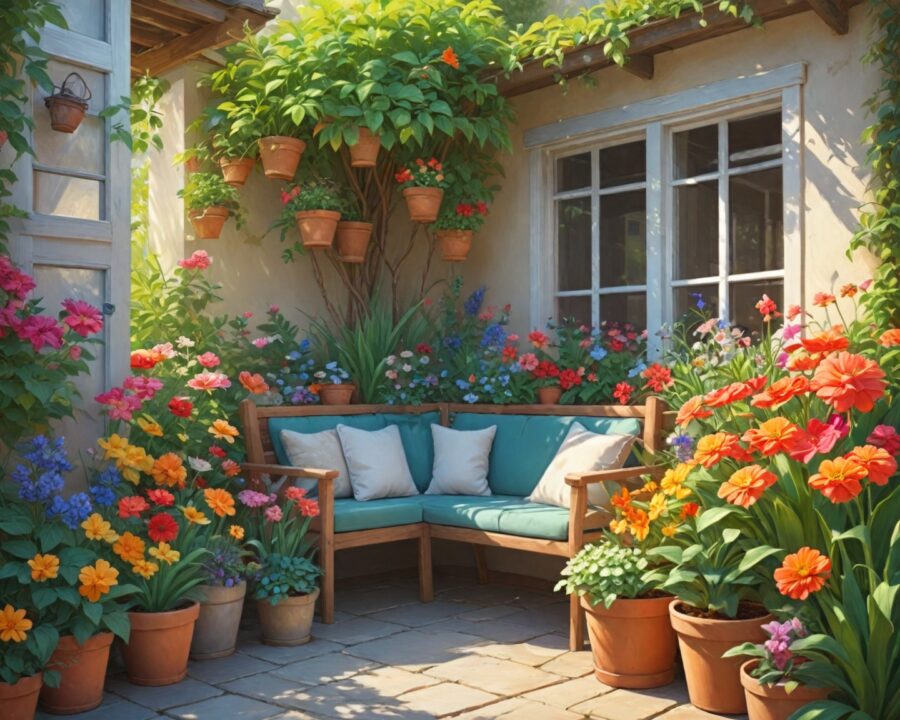
In today’s fast-paced world, many homeowners are rediscovering the joys of gardening, even in the smallest spaces. With urbanization on the rise, the charm of a small home garden offers a delightful retreat from the hustle and bustle, providing tranquility and a touch of nature in the heart of our living spaces. Whether you live in a compact apartment with a tiny balcony or have a petite backyard, turning these limited spaces into beautiful gardens can be an exhilarating and rewarding experience.
Creating a visually appealing and healthy small garden doesn’t have to be a daunting task. With the right design principles, plant selections, and maintenance routines, you can make the most of your limited outdoor space. This article delves into the essential aspects of small garden design, from choosing the right plants and incorporating vertical gardening techniques to using decorative elements and ensuring your garden thrives under the best possible conditions. By the end of this guide, you’ll be equipped with the knowledge and inspiration to create an effortlessly beautiful garden that truly enhances your home.
Understanding the Basics of Small Garden Design
When it comes to small garden design, understanding the fundamentals can greatly enhance the aesthetic and functional quality of your outdoor space. The primary goal is to make the most efficient use of limited square footage while creating a welcoming and visually appealing environment. Begin by assessing your space, noting sunlight exposure, available soil, and any architectural features you wish to highlight or conceal.
Balancing hardscaping and softscaping is crucial in small garden design. Hardscaping refers to the non-plant components like pathways, patios, and water features, while softscaping includes all the horticultural elements. In a limited space, opt for lighter hardscape materials to avoid a cluttered feel, and use plants to soften edges and create natural lines. Grouping plants of similar requirements together also helps in maintaining the garden’s health and appearance.
One of the most effective strategies in small garden design is creating zones. By dividing your small garden into distinct functional areas, you can provide spaces for different activities, such as dining, relaxation, or even a small vegetable patch. This approach not only maximizes the utility of the space but also creates an illusion of a larger garden.
Choosing the Right Plants for Limited Spaces
Selecting the right plants is paramount in any garden design, particularly so in small spaces. Choose species that offer multi-season interest, with varied textures and colors, to keep the garden vibrant year-round. Consider plants with varying heights and foliage to add depth and visual intrigue.
For limited spaces, perennials and compact shrubs can be excellent choices as they provide structure and require less frequent replanting. Additionally, dwarf varieties of larger plants allow you to enjoy their grandeur on a smaller scale. Plants like boxwoods or dwarf conifers can provide evergreen interest while taking up minimal space.
Incorporating containers into your small garden design is an effective way to add flexibility. Containers can be moved to follow the sunlight or be arranged to create ever-changing displays. Opt for self-watering pots to reduce maintenance, and experiment with different shapes and sizes of containers to create visual contrast.
Incorporating Vertical Gardening Techniques
Vertical gardening is an ingenious solution that maximizes the use of limited space by growing plants upwards rather than outwards. This technique is gaining popularity in urban settings where ground space is at a premium. It can involve everything from trellises and wall planters to hanging pots and tiered plant stands.
Trellises can support climbing plants like sweet peas, morning glories, or ivy, creating a lush wall of greenery. Wall-mounted planters allow for a living wall effect, ideal for herbs and succulents which thrive in such arrangements. Hanging baskets or tiered plant stands can be used to introduce layers, bringing both height and depth to your small garden design.
Not only do vertical gardening techniques save valuable floor space, but they also help in increasing yield potential if you’re growing edibles. They improve accessibility for planting and maintenance, especially if space constraints prevent traditional bed planting.
Using Decorative Elements to Enhance Aesthetics
Adding decorative elements to your small garden can elevate its visual appeal and personalize the space to reflect your style. These elements include everything from garden sculptures and decorative stones to color-coordinated furniture and artistic pots.
Strategically placed garden art can serve as focal points, capturing attention and providing visual interest throughout the space. Consider unique sculptures, colorful ceramic pots, or even a small birdbath. Garden seating, whether it be a stylish bench or a cozy chair, invites interaction with the space, making it more inviting.
Lighting is another decorative element that can transform your garden. Use solar-powered lights to highlight pathways or uplight larger plants, giving the garden a magical glow after sunset. Fairy lights can create a whimsical feel, ideal for evening relaxation or entertaining.
Maximizing Natural Light for Plant Health
Natural light is vital for plant health, and maximizing its availability is essential for the success of your garden. Understanding how light moves through your space during the day will help you position plants where they will thrive.
Start by observing which areas receive full sun, partial sun, or shade, and plan your plant placement accordingly. Sun-loving plants like lavender, sunflowers, or tomatoes should be positioned in the brightest spots. Shade-tolerant plants such as ferns and hostas can fill in less sunny areas, maintaining greenery throughout the garden.
Light-colored walls or reflective surfaces can help to increase the brightness of your garden. Mirrors can also be strategically placed to reflect light deeper into the space, creating the illusion of additional sunlight and expanding the visual borders of your garden.
Addressing Common Small Garden Challenges
Small gardens often come with their own set of challenges that can be overcome with strategic planning. One of the most common issues is limited space, which can be addressed through vertical gardening and container agardens.
Another challenge is drainage, particularly if your garden is in a heavily paved area. Raised beds or elevated containers can improve drainage and soil quality. Additionally, integrating a rain garden or installing permeable paving can help manage excess water.
Privacy is a concern for many urban gardeners. Use tall plants, trellises with climbers, or bamboo screens to create secluded pockets within your garden. These measures also help dampen noise, adding to the serene ambiance.
Creating a Maintenance Schedule for Your Garden
A well-maintained garden is a beautiful garden. Creating a maintenance schedule is an efficient way to keep on top of tasks without becoming overwhelmed. Regular attention will prevent small problems from becoming larger issues and ensure your plants remain healthy.
Consider the following routine activities:
- Weekly Tasks: Watering, weeding, deadheading flowers, and checking for pests.
- Monthly Tasks: Pruning shrubs, fertilizing plants, and cleaning water features.
- Seasonal Tasks: Planting or removing annuals, refreshing mulch, and protecting delicate plants from extreme weather.
By scheduling these activities, you can allocate time accordingly and ensure that all necessary care is given to your garden throughout the year.
Incorporating Sustainable Gardening Practices
Sustainability in gardening not only benefits the environment but also enhances the long-term resilience of your garden. Start with choosing native plant species, which are better adapted to local conditions and require fewer resources.
Composting kitchen and garden waste can improve soil fertility while reducing landfill contributions. Collect rainwater to irrigate your garden, minimizing tap water use. Opt for organic fertilizers and pest control methods to reduce chemical impact on your garden’s ecosystem.
Consider creating habitats for beneficial insects like bees and ladybugs, which help in pollination and pest control. Incorporating biodiversity within your garden strengthens plant immunity and promotes a balanced, self-sustaining environment.
Practical Tips for Seasonal Garden Updates
As the seasons change, so too should your garden. Seasonal updates keep your garden looking fresh and vibrant, and they provide an opportunity to introduce new elements or plants to revive the space.
In spring, focus on planting vibrant annuals and perennials that bloom through the summer. Transition to summer maintenance by ensuring adequate watering and looking out for pests. Autumn is the time to prepare your garden for winter, by planting bulbs for spring and applying a layer of mulch to protect plants.
In winter, focus on structural details — such as pruning and maintaining evergreen interest — and prepare for the coming spring. The cycle of seasonal updates not only enhances your garden’s beauty but also keeps your engagement with it dynamic and rewarding.
Next Steps: Expanding Your Garden Creativity Over Time
Garden creativity is an ongoing journey that evolves with your tastes and experiences. As your gardening skills develop, you may want to experiment with new designs, plants, or even garden expansions.
Start small with creative projects, like building a small pond or introducing new plant varieties, and observe what works best in your specific setting. Collaborate with fellow gardeners or seek inspiration from garden tours and design workshops to bring fresh ideas to your garden.
As you gain confidence, consider exploring more intricate aspects of garden design, such as creating themed areas — like a rose or herb garden — or implementing advanced techniques like hydroponics. Remember, the most important part of expanding your garden creativity is to enjoy and find fulfillment in the process.
FAQ
How do I choose the right plants for my small garden?
Consider plants that offer year-round interest and require minimal maintenance. Opt for dwarf varieties and species that can thrive in containers. Ensure the selected plants match the light and water conditions of your garden.
What are some vertical gardening solutions for small spaces?
Vertical solutions include trellises, wall planters, hanging pots, and tiered plant stands. These solutions help save ground space and can creatively display a variety of plants.
How can I maximize sunlight in my small garden?
Position sun-loving plants where they receive the most light, use mirrors or reflective surfaces to enhance light, and avoid placing tall structures that could cast shadows over valuable sunlight areas.
How often should I update my garden design?
Seasonal updates are recommended to keep your garden fresh and vibrant. This can include planting seasonal flowers, refreshing soil and mulch, and adjusting plant placements according to the light changes across seasons.
What are sustainable gardening practices I can adopt?
Implement composting, rainwater collection, and the use of organic fertilizers. Choose native and drought-resistant plants, and create habitats for beneficial insects to promote a balanced ecosystem.
How can I create privacy in my small garden?
Use tall plants, trellises with climbers, or bamboo screens to create private sections. These can also enhance the ambiance by reducing noise and providing a sense of seclusion.
Recap
In this guide, we’ve explored the essentials of designing and maintaining a beautiful small garden. Key points included understanding basic design principles, selecting suitable plants for limited spaces, and utilizing vertical gardening techniques. We also discussed incorporating decorative elements and maximizing natural light for plant health, along with addressing common small garden challenges like privacy and drainage. Sustainable gardening practices and seasonal updates were highlighted as methods to enhance and renew your garden continually. Finally, we addressed how you can expand your gardening creativity over time.
Conclusion
Designing a small home garden that looks beautiful effortlessly starts with understanding the space you have and the needs of the plants you wish to incorporate. By employing thoughtful garden design techniques and making informed plant selections, even the smallest areas can become a haven of greenery and tranquility.
As you embark on your gardening journey, remember that patience and creativity are your best allies. Embrace the challenges each season brings, and take pride in the growth and changes in your garden. In taking these steps, you’ll not only create a stunning garden space but also cultivate a lifelong passion for gardening.