
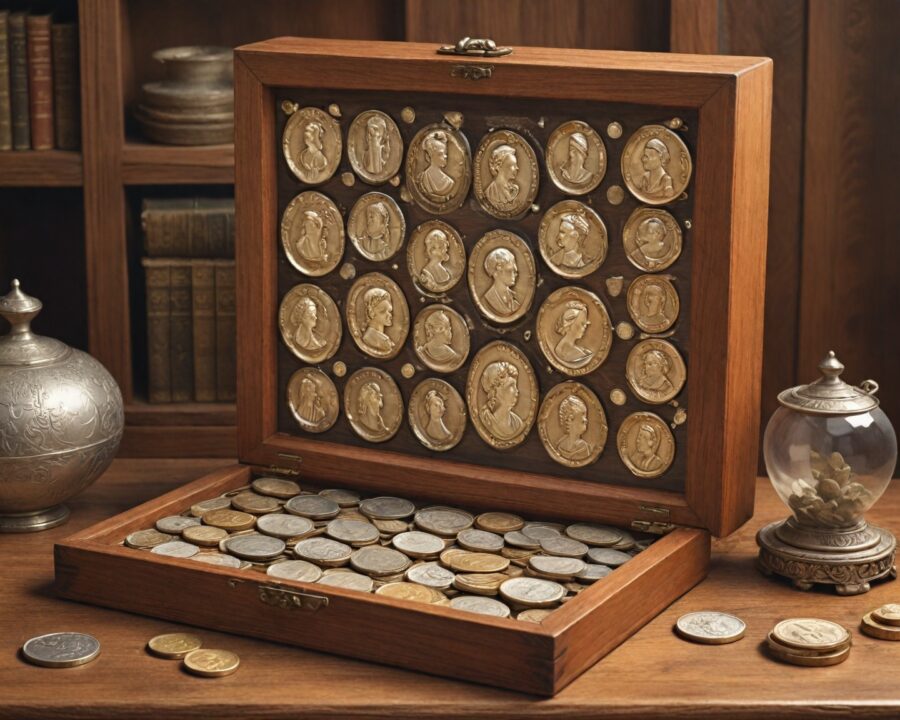
Introduction to Generational Wealth and Its Importance
Generational wealth is the process of passing down assets, wealth, and financial education from one generation to the next. This form of wealth management goes beyond simple cash savings or a stock market portfolio, encompassing real estate, businesses, and precious metals. The importance of generational wealth is underscored by its ability to offer financial stability and opportunity for future generations, allowing them to pursue education, entrepreneurship, and personal development without the pressing burden of financial constraints.
The formation of generational wealth creates a foundation that can support family growth and stability across decades or even centuries. It provides a buffer against economic fluctuations and personal financial setbacks that could otherwise jeopardize a family’s financial security. As such, ensuring effective strategies for wealth preservation, including investing in timeless assets like gold and silver, becomes essential for securing a family’s financial future.
Why Gold and Silver Are Considered Timeless Assets
Gold and silver have been revered for centuries as symbols of wealth and power. They possess certain characteristics that make them particularly effective as vehicles for wealth preservation. Unlike paper currencies, which can be devalued by inflation or monetary policy changes, gold and silver maintain intrinsic value due to their rarity and widespread appeal. These metals are not only physical assets but also serve as globally recognized currency.
A key reason gold and silver are considered timeless is their ability to maintain value over the long term. They are not subject to the same economic risks as paper currencies or electronic forms of money, such as cryptocurrency. Their stable value ensures that wealth invested is not eroded over time, provided these assets are stored responsibly.
Moreover, throughout history, these metals have consistently been in demand for diverse uses beyond mere storage of wealth. Gold is revered for its aesthetic appeal in jewelry and art, while silver has industrial applications due to its excellent electrical conductivity and antibacterial properties. This broad demand base ensures continued value and utility, reinforcing their status as timeless assets.
Historical Examples of Gold and Silver as Wealth Preservation Tools
Gold and silver have served as currency and indicators of wealth across various civilizations. From the ancient Egyptians to the Roman Empire, these metals have been used to store and transfer wealth. For instance, the wealth of ancient Egypt is often associated with gold, prominently displayed in the treasures of the pharaohs.
During the Roman era, silver coins were a crucial component of the monetary system, highlighting the significance of these metals in everyday economic activities. The Roman denarius, made of silver, was a staple currency for trade and commerce, further illustrating the importance of silver in wealth preservation throughout history.
In more recent history, during times of economic instability such as the Great Depression, individuals who held significant quantities of gold and silver often fared better than those dependent solely on currency-based savings. These metals provided a reliable form of wealth that did not depreciate due to inflation or bank failures, serving as a financial lifeline during times of crisis.
The Role of Gold and Silver in Diversifying Investment Portfolios
Diversifying an investment portfolio is a fundamental strategy for minimizing risk and maximizing potential returns. Gold and silver can play a vital role in this diversification. They often hold or increase in value when other asset classes, such as stocks or bonds, experience volatility or decline.
Including gold and silver in an investment portfolio provides a hedge against inflation and currency devaluation. Historically, when inflation rises, the value of gold often tracks upwards as well, because gold retains its purchasing power in times when the currency loses its value. Similarly, silver’s industrial demand can bolster its value in a varied economic climate, especially when traditional markets falter.
Moreover, gold and silver can also serve as a liquid asset that is easily transferable, offering flexibility in an otherwise diversified portfolio. Investors can quickly access capital by liquidating these assets in times of necessity, providing a financial cushion that enhances overall portfolio resilience.
How to Start Investing in Gold and Silver for Long-term Benefits
Starting investment in gold and silver requires research and planning, just like any other form of investment. The first step is to determine your investment goals and how these metals fit into your overall portfolio strategy. Are you looking for steady long-term growth, a hedge against inflation, or a means to preserve wealth across generations?
Once your goals are aligned, consider the different forms of gold and silver investments available. Options include physical bullion, coins, exchange-traded funds (ETFs), and mining stocks. Each has its own benefits and risks. For example, physical bullion ensures tangible wealth, while ETFs offer easier access and liquidity.
It’s crucial to work with reputable dealers when purchasing physical gold and silver to avoid counterfeit products. Understanding the purity standards, such as 24-karat gold or .999 fine silver, is essential. Additionally, consider secure storage solutions, whether through certified storage services or fortified home safes, to protect your investment over time.
Common Misconceptions About Gold and Silver Investments
There are several misconceptions surrounding gold and silver investments that may deter potential investors. One such misconception is that gold and silver do not generate income. While it’s true that these metals don’t produce dividends or interest, they provide value through appreciation and act as a risk hedge within a diversified portfolio.
Another common myth is that gold and silver prices are too volatile, mirroring the unpredictability of stocks. However, historical patterns show that these metals tend to have a stabilizing effect during economic downturns, making them a reliable store of value over time.
Lastly, some investors shy away from precious metals due to perceived difficulties in liquidating these assets. In reality, gold and silver are highly liquid, with established markets worldwide ready to purchase at market rates. Understanding these realities can help dispel myths and encourage informed investment decisions.
Tax Implications and Legal Considerations for Passing Down Precious Metals
Transferring gold and silver as part of an inheritance or estate plan involves specific tax implications and legal considerations. In many jurisdictions, precious metals are viewed as collectibles and can incur capital gains taxes when sold at a profit. It’s essential to understand these regulations to plan effectively for generational wealth transfers.
To minimize tax liabilities, consider gifting small amounts of gold and silver each year, potentially taking advantage of annual gift tax exemptions. Crafting a thorough estate plan, including a will or trust that specifies the distribution of these assets, can help ensure they are passed down according to your wishes, without unnecessary tax burdens.
Furthermore, it’s crucial to maintain meticulous records of all gold and silver purchases, including original receipts and any certificates of authenticity. These documents can be invaluable for tax reporting purposes and to ensure an accurate valuation and division of assets upon transferring wealth to future generations.
Practical Tips for Storing and Securing Gold and Silver
Proper storage and security of gold and silver are paramount to protecting your investment. Physical bullion and coins should be stored in a controlled environment to prevent damage and theft. Here are some practical storage solutions:
-
Home Safes: Invest in a high-quality, fire-resistant, and secure safe for storing precious metals at home. Ensure its location is discreet for additional protection.
-
Bank Safe Deposit Boxes: These offer a secure off-site storage option but come with potential accessibility limitations, particularly during bank holidays or emergencies.
-
Professional Vault Storage: This option provides high-level security with insurance coverage, making it ideal for significant quantities or high-value collections.
Regularly reassess your security measures to ensure they remain effective. Additionally, consider insuring your gold and silver, particularly if stored at home, to safeguard against potential losses from unforeseen circumstances.
| Storage Option | Benefits | Drawbacks | Best For |
|---|---|---|---|
| Home Safe | Immediate access | Theft risk | Small quantities |
| Bank Safe Deposit Box | High security | Access limitations | Medium quantities |
| Professional Vault | Insurance and high security | Cost and less control | Large investments |
Comparing Gold and Silver: Which is Better for Generational Wealth?
Both gold and silver have merits as investment choices, yet deciding which is better for generational wealth depends on individual circumstances and goals. Gold is traditionally seen as the ultimate safe-haven asset. Its value tends to rise during economic uncertainty, offering robust wealth protection across generations. Gold’s lesser price volatility compared to silver makes it a stable choice for risk-averse investors.
Silver, on the other hand, is often termed as “poor man’s gold” but holds unique advantages due to its industrial applications. It tends to have more significant price fluctuations, which can result in higher short-term gains, appealing to investors seeking growth opportunities.
When constructing a generational wealth strategy, consider balancing both metals—using gold for its stability and silver for potential growth. Ultimately, the choice between gold and silver should align with your risk tolerance, economic outlook, and investment objectives.
Steps to Create a Legacy Plan with Gold and Silver Investments
Creating a legacy plan with gold and silver investments involves more than just accumulating these assets; it requires a strategic approach to ensure their effective transfer and utilization. Start by:
-
Assessing Financial Goals: Define what you want to achieve with your generational wealth, whether it’s ensuring university education for descendants, supporting charitable causes, or securing family finances.
-
Diversifying Holdings: Allocate investments across various forms of gold and silver, such as bars, coins, and ETFs, to manage risks effectively.
-
Documentation: Keep detailed records of purchases, locations, and valuations to simplify future transfers and tax assessments.
-
Professional Advice: Consult with financial planners or estate attorneys specializing in precious metals to craft a robust legacy plan tailored to your specific needs.
-
Education: Equip beneficiaries with essential financial literacy regarding managing precious metals, helping them appreciate their role in preserving and growing wealth.
Implementing these steps ensures that gold and silver investments serve as a cornerstone for long-term prosperity, offering both security and opportunity for future generations.
FAQ
What are the benefits of including gold and silver in an investment portfolio?
Gold and silver provide a hedge against inflation, currency devaluation, and market volatility. They are highly liquid and offer diversification benefits, balancing out risk in a diversified investment portfolio.
How does gold maintain its value?
Gold maintains its value due to its rarity, demand for various uses, and historical status as a universal currency. Unlike fiat currency, gold is not subject to inflationary pressures or fiscal policies that can decrease its value.
Can I store gold and silver investments at home?
Yes, but it is recommended to use a high-quality, fire-resistant safe to minimize theft and damage risk. Alternatively, consider off-site professional vault storage for added security and insurance coverage.
Are there tax implications for passing down gold and silver?
Yes, there can be capital gains taxes on the sale of inherited precious metals. It is wise to consult tax professionals to understand potential liabilities and explore tax-efficient transfer methods like annual gifting.
How do silver’s industrial uses affect its investment potential?
Silver’s industrial applications can drive demand and enhance its value, leading to price fluctuations. While this can increase potential returns, it also introduces higher volatility compared to gold, which is often more stable.
Is gold a better investment than silver?
Both have merits, but the choice depends on investment goals. Gold is typically more stable and reliable for wealth preservation, while silver offers higher growth potential due to industrial demand and price volatility.
Recap
In this article, we’ve delved into the significance of generational wealth and how gold and silver play crucial roles in its preservation. We explored historical examples, the importance of diversification, and practical guidance for starting investments in these timeless assets. The article also addressed common misconceptions, tax considerations, and storage tips, contrasting gold and silver’s roles in securing financial futures. Finally, we outlined steps to create a legacy plan focusing on these precious metals.
Conclusion
Gold and silver remain iconic symbols of wealth that transcend cultural and economic shifts. Their ability to preserve value confidently is embedded in history and validated by their enduring appeal across generations. As vehicles for generational wealth, they offer a means to secure financial stability and opportunity for future descendants.
While every family’s legacy plan should be tailored to its unique circumstances, incorporating gold and silver offers timeless advantages. Their steadfast nature as value-holders, coupled with thoughtful investment strategies and legacy planning, can ensure that wealth is effectively preserved, cherished, and handed down through the ages.