
Introduction to the Charm of Local Markets
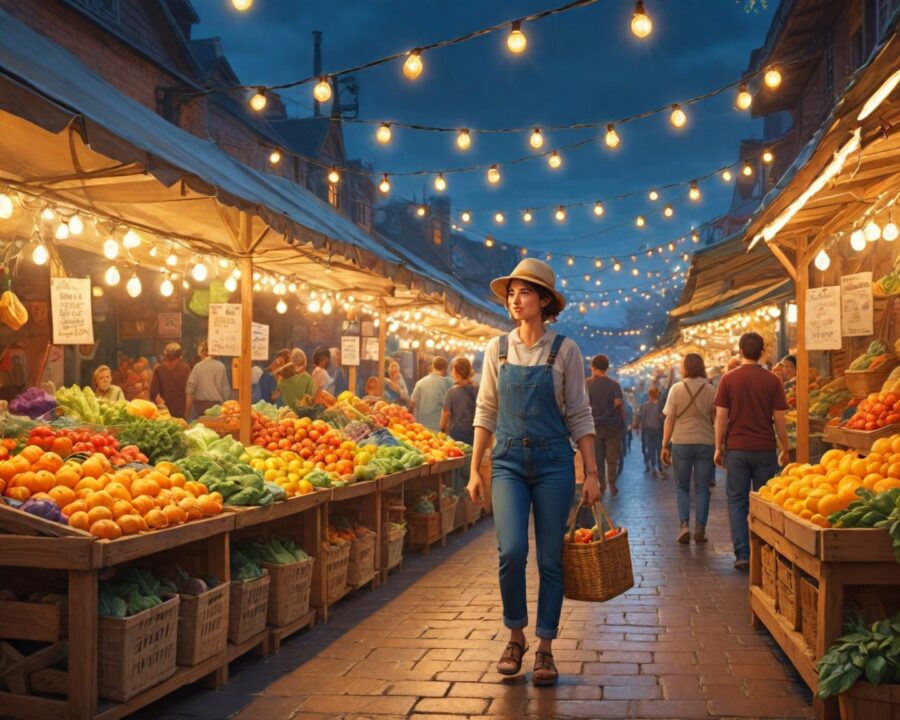
Local markets are the heartbeat of any culture, offering an authentic glimpse into the daily lives and traditions of a community. When traveling, there’s no better place to experience the vibrant colors, enticing aromas, and diverse sounds that define a locale than its bustling markets. These dynamic venues are teeming with life, showcasing a mosaic of local produce, artisanal crafts, and traditional foods. They provide an invaluable opportunity to connect with place and people, allowing travelers to step beyond the typical tourist attractions into a more genuine world that tells stories of heritage, creativity, and sustainability.
Exploring local markets is more than just shopping; it’s about immersion. Each market is a unique entity reflecting the history and lifestyle of its community. Whether you are navigating through the narrow aisles of an Asian night bazaar, exploring a Mediterranean farmers’ market, or wandering through a Latin American artisan fair, these experiences are deeply enriching. The allure of these markets lies in their transient yet timeless nature, offering both a tangible and intangible connection to the cultures you are discovering.
Why Visiting Local Markets Enhances Your Travel Experience
Local markets present a rich tapestry of experiences that can significantly enhance your travel journey. Unlike mass-produced souvenirs found in tourist shops, the treasures you uncover in these markets often boast craftsmanship and stories that add sentimental value. From hand-woven textiles to homemade delicacies, each item carries the essence of the community it originates from, providing you with unique mementos that are true representations of your travels.
Moreover, frequenting local markets allows you to engage directly with vendors and artisans. These interactions often transcend language barriers, facilitated by gestures, smiles, and an eager willingness to share their stories or explain the uniqueness of their goods. Such encounters enrich your understanding of a culture, deepening your appreciation of its customs, history, and way of life.
Beyond the economic support it provides to local vendors, market visits encourage sustainable tourism by promoting locally sourced and produced goods. This form of tourism is vital for the preservation of traditional crafts and local agriculture, ensuring that these practices can endure in an age of globalization and homogenization. Engaging with these communities allows you to be part of the story, leaving you with connections that last long after your journey ends.
How to Research Local Markets Before Your Trip
To maximize the market experience, it’s essential to do some research before your trip. Start by identifying your interests: are you drawn to handicrafts, local food, or antiques? Once you’ve defined your goals, use various resources to gather information on relevant markets, such as travel blogs, guidebooks, and official tourism websites. These resources can offer insights into the best days and times to visit, the types of goods available, and any cultural events tied to the market dates.
Online travel forums and social media platforms like Instagram and Pinterest can also be invaluable resources. By following travel influencers or searching hashtags such as #localmarkets or #marketfinds, travelers can access up-to-date recommendations and visually enticing previews of what to expect. These mediums often provide first-hand reviews from fellow travelers, complete with tips and hidden gems not available in more traditional resources.
Lastly, consider joining online travel groups or local market-focused Facebook communities. Engaging with seasoned travelers or locals can yield personal recommendations and advice that might not be covered in the standard travel narratives. These interactions can be incredibly beneficial in crafting an itinerary that resonates with your interests and expectations, ensuring your market experiences are fulfilling and memorable.
Tips for Finding Authentic and Unique Markets
Uncovering authentic and unique markets requires a willingness to venture off the beaten path. While popular markets can offer a festive atmosphere and extensive variety, it’s often the less-visited ones that provide a more intimate and genuine experience. To find these hidden treasures, embark with an open mind and a sense of adventure.
A valuable tip is to consult local residents or your accommodation hosts. They often know of lesser-known markets that may not feature in travel guides but promise authentic experiences. Locals can also inform you about markets that specialize in particular crafts or foods you might be interested in exploring.
Additionally, pay attention to community bulletin boards often found in cafes or public spaces. These boards can list temporary or seasonal markets and festivals that offer unique finds. Keep an eye out for mentions of “pop-up” markets or artisan fairs dedicated to local craftsmen, which can be particularly rich in one-of-a-kind items.
How to Navigate Language Barriers While Shopping
Shopping in local markets often means interacting with vendors who may not speak your language. While this can be intimidating, it doesn’t have to hinder your experience. With a few strategies, you can effectively bridge language gaps and enhance your market journey.
Learning basic phrases in the local language is a respectful and efficient way to communicate. Phrases such as “How much?”, “Thank you”, and “Can I take a closer look?” can go a long way in facilitating interaction. Additionally, language apps like Google Translate can assist in translating phrases on the spot, though they should be used with cultural sensitivity in mind.
Non-verbal communication is also a powerful tool. Gestures, facial expressions, and even drawing or showing images can help convey messages when words fail. Many vendors are experienced in dealing with tourists and often use a mix of visual aids and simple maths to negotiate prices.
Lastly, remember that patience and a sense of humor are invaluable. Misunderstandings can occur, but approaching them with an open and positive attitude can diffuse tension and lead to delightful surprises. A shared laugh can turn a simple transaction into a memorable connection.
What to Look for in a Great Local Market
Identifying a great local market involves being observant and open to various sensory cues. A lively atmosphere is often a hallmark of a thriving market, evidenced by the sounds of bargaining, laughter, and perhaps live music. The presence of locals, rather than mainly tourists, can indicate a more authentic market experience, offering goods that locals themselves value and use.
The quality and variety of products are also key factors in determining the market’s appeal. High-quality, locally-made items suggest genuine craftsmanship and authenticity. Look for stands featuring unique or artisanal goods that reflect the cultural identity of the region, from handmade jewelry and textiles to specialty foods and spices.
Additionally, hygiene and organization are important considerations, particularly in food markets. Ensure that the food vendors comply with cleanliness standards, and that their products look fresh and well-presented. Visiting markets that prioritize sustainable practices and support local producers fosters a more ethical and rewarding shopping experience.
Common Mistakes to Avoid When Visiting Local Markets
Venturing into local markets can be overwhelming, especially for first-time travelers. Avoiding common mistakes can enhance your market experience, allowing you to focus on enjoying the vibrant culture without unnecessary stress.
Firstly, don’t rush your market visits. Local markets are dynamic environments where the unexpected can happen at any moment. Give yourself ample time to wander, discover hidden gems, and interact with vendors without being constrained by a tight schedule.
Secondly, avoid being overly reliant on electronic payment methods. Many markets, particularly in developing regions, operate primarily on cash transactions. Ensure you carry a sufficient amount of local currency in small denominations to facilitate easier bargaining and prevent issues with change.
Lastly, refrain from ignoring cultural norms. Understanding the social etiquette associated with visiting markets can prevent misunderstandings and foster goodwill. In some cultures, touching products without permission or haggling too aggressively can be seen as disrespectful. Respectfully observing and learning from the locals can guide you in tuning your actions appropriately.
How to Bargain Effectively in Different Cultures
Bargaining is an integral part of shopping in many cultures, but effective negotiation requires adaptability and respect for local customs. To bargain successfully, begin by observing how locals interact with vendors, taking cues from their demeanor and techniques. This observation can provide insight into the expected eagerness and approachability.
Start your bargaining with a friendly and polite demeanor. Expressing genuine interest in the items and asking about its origin can help establish a rapport before discussing prices. Open-ended questions can lead to better negotiations, as they leave room for dialogue and compromise, making vendors more willing to offer discounts.
Understanding the cultural context is crucial. In some cultures, bargaining is expected and a low starting offer is a strategy, while in others, it might be considered disrespectful. Researching specific cultural norms can prevent miscommunication and ensure your bargaining is perceived positively. Remember, the goal is a fair price that respects both the value of the product and the effort of the artisan.
Top Tools and Apps to Locate Markets Near You
In today’s tech-savvy world, several tools and apps can greatly assist travelers in finding local markets. These digital resources can provide real-time information, user reviews, and detailed directions, making market exploration more accessible and enjoyable.
Google Maps is an indispensable tool for locating markets. Besides providing exact locations, its “Explore” feature helps identify nearby market areas, restaurants, and attractions. TripAdvisor can also be useful, offering reviews and forums where travelers share experiences and tips about local markets.
For those who seek tailored experiences, apps like EatWith connect travelers with local food markets tours and culinary experiences. Another recommendation is the “Spotted by Locals” app, which offers city guides curated by residents, spotlighting lesser-known markets and local recommendations not covered by mainstream tourist apps.
| Tool/App | Description |
|---|---|
| Google Maps | Provides location, navigation, and reviews for local markets. |
| TripAdvisor | Offers traveler reviews and forums about markets worldwide. |
| EatWith | Connects users with local food markets and culinary experiences. |
| Spotted by Locals | City guides created by locals showcasing unique market experiences. |
Practical Steps for Planning Your Market Visits
Planning your visits to local markets requires thoughtful consideration to ensure a seamless and rewarding experience. Start by listing the markets you’re interested in, based on your research and time constraints. Prioritize markets according to your interests, whether it’s food, antiques, or crafts.
Timing is crucial. Familiarize yourself with market schedules, as some may only operate on specific days or during certain times, such as morning for food markets or evenings for night bazaars. Arriving early can often mean fewer crowds and access to fresh products, while later visits allow for potential discounts as vendors prepare to close for the day.
Finally, equip yourself adequately for the visit. Consider the weather and the nature of the market; dress comfortably with practical footwear. Bring reusable bags for purchases, and keep your belongings secure. Having a small backpack can be convenient for carrying essentials like water, cash, and sunscreen, enhancing your readiness for a full day of exploration.
FAQ
What makes a local market authentic?
An authentic local market often reflects the culture and traditions of the area it represents. It is usually frequented by locals, has a variety of handmade and locally-sourced products, and offers an atmosphere that is genuine rather than tailored for tourists. The presence of local handicrafts, produce, and unique culinary offerings also contribute to its authenticity.
Is it safe to eat at local markets?
Generally, eating at local markets is safe if certain precautions are taken. Look for stalls with high turnover, which indicates fresh ingredients. Prioritize vendors who practice good hygiene, use clean utensils, and serve hot, cooked food. Trust your instincts—if something doesn’t look or smell right, it’s best to avoid it.
How can I get the best deals at local markets?
To get the best deals, it’s advisable to initially browse and compare prices across several stalls before committing to a purchase. Engaging in friendly negotiation and demonstrating respect for the vendor’s expertise are also key. Visiting the market towards the end of the day can sometimes yield discounts as vendors look to clear their stock.
Are there local markets that specialize in specific goods?
Yes, many local markets specialize in particular types of goods such as antiques, textiles, or gourmet foods. Researching before your trip or consulting locals can help identify these specialized markets. Checking community announcements and local guides are also effective strategies for finding these niche venues.
What should I avoid buying at local markets?
Travelers should exercise caution when buying items that might be illegal or unethical to transport across borders, such as certain animal products or counterfeit goods. It’s also wise to avoid perishable items if you do not have the means to properly store them during your journey.
How do I avoid getting overcharged?
Avoid overcharging by observing local shoppers and how they negotiate. Prior research on typical prices and asking trusted locals for advice can also be beneficial. Having a good understanding of currency conversions and carrying small denominations helps in making fair and precise transactions.
Can I find vegan or vegetarian options at local food markets?
Yes, many local markets offer a variety of vegan or vegetarian options. Farmers’ markets in particular typically have fresh produce, while street food stalls often feature plant-based meals. Asking vendors directly about their ingredients is a good practice to ensure they meet your dietary needs.
Is it necessary to speak the local language to shop at local markets?
While not necessary, speaking a few phrases in the local language can significantly enhance your shopping experience. It shows respect and can facilitate better interactions. However, most vendors have experience with tourists and use simple communication methods to overcome language barriers.
Recap
Exploring local markets is a valuable part of the travel experience, offering unique insights into the culture and traditions of a destination. By effectively researching markets, preparing for cultural nuances in bargaining, and utilizing various tools and apps, travelers can maximize their market visits. Paying attention to timing, practicing respectful interaction, and being open to new experiences are crucial steps in enjoying these vibrant environments. Understanding what to look for in authentic markets ensures a rich and rewarding journey that enhances the overall travel narrative.
Conclusion
Traveling is about discovery, and local markets offer a concentrated dose of what makes each locale unique. They are a microcosm of a society’s culture and idiosyncrasies, providing rare interactions and distinctive merchandise that aren’t found elsewhere. Immersing yourself in the sensory-rich environment of a local market brings you closer to understanding the heart of a community, broadening your perspective and enriching your journey in unforgettable ways.
By taking the time to research and plan, and by being open and respectful to new customs, you not only collect intriguing souvenirs but also build meaningful connections and experiences that resonate with you long after you return home. In a world that values authentic experiences, delving into the intricacies of local markets is a gateway to the true soul of a destination.