
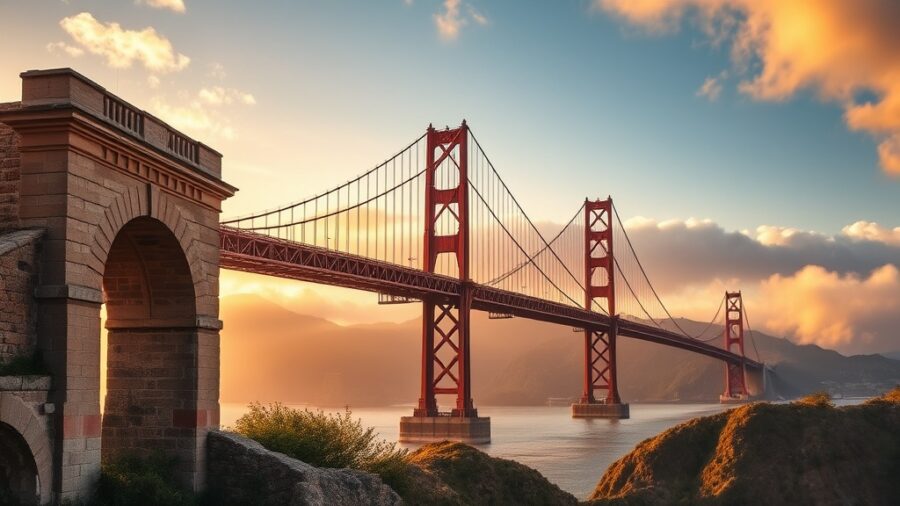
Bridge Travel Engineering Marvels: A Journey Through Iconic Structures
Bridge travel engineering marvels represent the pinnacle of human innovation and creativity. These stunning structures not only serve a functional purpose but also tell stories of ambition, resilience, and the relentless pursuit of excellence. From the graceful arches of the Golden Gate Bridge to the breathtaking heights of the Millau Viaduct, these engineering feats have become landmarks in their own right, attracting millions of visitors each year. In this article, we will explore some of the most iconic bridges around the world, delving into their histories, engineering challenges, and design philosophies.
As we navigate through this journey, you will learn about the significance of these structures, the technologies that helped shape them, and the future of bridge engineering. We will also compare various bridges to understand what makes each unique and how they contribute to the landscape of bridge travel. Whether you’re an engineering enthusiast, a traveler seeking inspiration, or simply curious about these magnificent constructs, this article aims to provide you with a comprehensive overview of bridge travel engineering marvels.
Join us as we embark on this exploration of bridges that not only connect lands but also connect people, cultures, and histories. Each bridge has its own story to tell, and by the end of this article, you will have a deeper appreciation for the engineering marvels that shape our world.
The Golden Gate Bridge: A Symbol of Innovation
A Historical Overview
The Golden Gate Bridge, completed in 1937, stands as a testament to human ingenuity and ambition. Spanning approximately 1.7 miles (2.7 km) across the Golden Gate Strait in San Francisco, California, it was the longest and tallest suspension bridge in the world at the time of its completion. The bridge was designed by engineer Joseph Strauss, who faced numerous challenges, including strong currents, high winds, and deep waters. Despite these obstacles, the Golden Gate Bridge was completed ahead of schedule and under budget, a remarkable feat for its era.
Engineering Features and Challenges
The design of the Golden Gate Bridge features a main span of 4,200 feet (1,280 meters) and two towering Art Deco-style towers that rise 746 feet (227 meters) above the water. One of the most innovative aspects of the bridge was the use of a unique blend of steel and concrete, allowing for both strength and flexibility. The bridge’s striking International Orange color was chosen to enhance visibility in San Francisco’s frequent fog, making it a distinctive landmark against the skyline.
- Completion Year: 1937
- Main Span: 4,200 feet (1,280 meters)
- Tower Height: 746 feet (227 meters)
- Color: International Orange
The Tower Bridge: A Historical Landmark
Architectural Significance
The Tower Bridge, completed in 1894, is one of London’s most recognizable symbols. This combined bascule and suspension bridge spans the River Thames and connects the boroughs of Tower Hamlets and Southwark. Designed by Sir Horace Jones, the bridge features two iconic towers that rise 213 feet (65 meters) above the river, making it an architectural marvel of the Victorian era. The bridge’s distinct Gothic style, characterized by its stone towers and intricate details, was intended to complement the nearby Tower of London.
Operational Mechanism
The Tower Bridge is not just a visual masterpiece; it is also an engineering marvel. The bridge’s bascules can be raised to allow ships to pass through, a feature that has been in operation since its opening. Each bascule weighs about 1,000 tons and can be raised in about 5 minutes, allowing for efficient river traffic management. Over the years, the bridge has undergone various renovations to preserve its structural integrity and enhance its functionality.
- Completion Year: 1894
- Height of Towers: 213 feet (65 meters)
- Bascule Weight: 1,000 tons each
- Time to Raise Bascule: 5 minutes
The Akashi Kaikyō Bridge: Engineering Feats and Challenges
Record-Breaking Structure
The Akashi Kaikyō Bridge, also known as the Pearl Bridge, is the world’s longest suspension bridge, with a main span of 6,532 feet (1,991 meters). Completed in 1995, this engineering feat connects the city of Kobe on the Japanese mainland to Awaji Island. The bridge was initially envisioned in the 1950s, but its construction faced numerous delays due to the 1995 Great Hanshin Earthquake, which caused significant design changes to enhance its earthquake resistance.
Technological Innovations
The Akashi Kaikyō Bridge employs advanced engineering techniques, including the use of high-strength steel and a unique design that allows for movement during seismic events. The bridge’s towers are designed to withstand strong winds and earthquakes, featuring a flexible structure that can sway without compromising safety. This bridge not only serves as a vital transportation link but also exemplifies cutting-edge engineering practices.
| Feature | Details |
|---|---|
| Completion Year | 1995 |
| Main Span | 6,532 feet (1,991 meters) |
| Earthquake Resistance | Advanced design and materials |
The Millau Viaduct: Balancing Beauty and Functionality
An Architectural Masterpiece
The Millau Viaduct, located in southern France, is often regarded as one of the most beautiful bridges in the world. Completed in 2004, this cable-stayed bridge spans the Tarn River Valley and reaches a height of 1,125 feet (343 meters), making it the tallest bridge in the world. Designed by architect Norman Foster and engineer Michel Virlogeux, the Millau Viaduct is celebrated for its elegant design and integration into the natural landscape, creating a stunning visual impact.
Engineering and Environmental Considerations
Constructed using a combination of concrete and steel, the Millau Viaduct was designed to minimize its environmental impact while maximizing its functionality. The bridge’s aerodynamic shape helps reduce wind resistance, while its slender profile allows it to blend seamlessly into the surrounding hills. The use of modern construction techniques, such as the incremental launching method, ensured that the bridge could be built efficiently while maintaining high safety standards.
- Completion Year: 2004
- Height: 1,125 feet (343 meters)
- Design Influence: Norman Foster and Michel Virlogeux
The Sydney Harbour Bridge: A Testament to Design Excellence
A Cultural Icon
The Sydney Harbour Bridge, affectionately known as “The Coathanger,” is an iconic landmark of Australia. Completed in 1932, this steel arch bridge spans 1,650 feet (503 meters) across Sydney Harbour, connecting the central business district with the North Shore. Designed by engineer John Bradfield, the bridge is a symbol of Sydney and has become a focal point for celebrations and events, including the annual New Year’s Eve fireworks.
Structural Design and Features
The Sydney Harbour Bridge is notable for its unique design and engineering challenges. The arch of the bridge is made up of over 50,000 tons of steel, and its construction required ingenuity to ensure it could support heavy loads while maintaining its aesthetic appeal. The bridge’s pedestrian walkways offer stunning views of the harbour, making it a popular destination for tourists and locals alike.
| Feature | Details |
|---|---|
| Completion Year | 1932 |
| Span Length | 1,650 feet (503 meters) |
| Steel Weight | Over 50,000 tons |
Comparative Analysis of Iconic Bridges
Design and Functionality
When comparing these engineering marvels, several factors come into play, including design, functionality, and cultural significance. For instance, the Golden Gate Bridge is celebrated for its aesthetic appeal and iconic status, while the Akashi Kaikyō Bridge is known for its engineering prowess and resilience against natural disasters. The Sydney Harbour Bridge, on the other hand, serves as both a functional transport link and a cultural symbol for Australia.
Visitor Experience and Impact
Each of these bridges offers a unique experience for visitors. The Golden Gate Bridge provides panoramic views of San Francisco, while the Tower Bridge offers a glimpse into London’s history through its exhibitions. The Millau Viaduct showcases stunning landscapes, and the Akashi Kaikyō Bridge allows for a breathtaking crossing over the strait. Understanding these differences enhances the appreciation for each structure’s contribution to tourism and local economies.
- Golden Gate Bridge: Iconic views and cultural significance
- Tower Bridge: Historical exhibitions and architectural beauty
- Millau Viaduct: Scenic landscapes and design elegance
- Akashi Kaikyō Bridge: Engineering resilience and technological innovation
Future of Bridge Engineering: Trends and Technologies
Innovative Materials and Techniques
The future of bridge engineering is poised for exciting advancements. Emerging materials, such as carbon fiber reinforced polymers and self-healing concrete, promise to enhance the durability and sustainability of bridges. Additionally, the integration of smart technologies, such as sensors for monitoring structural health, will allow for more efficient maintenance and safety management, ensuring that these engineering marvels stand the test of time.
Sustainability and Environmental Considerations
As environmental concerns continue to rise, the focus on sustainability in bridge engineering is becoming increasingly important. Future projects will likely prioritize eco-friendly designs, including the use of renewable energy sources and materials that minimize carbon footprints. This shift will not only benefit the environment but also support the long-term viability of bridge travel as a sustainable mode of transportation.
| Future Trends | Description |
|---|---|
| Innovative Materials | Use of advanced materials like carbon fiber and self-healing concrete |
| Smart Technologies | Integration of sensors for real-time monitoring and maintenance |
| Sustainability Focus | Prioritizing eco-friendly designs and renewable energy sources |
Conclusion: The Legacy of Bridge Engineering Marvels
In conclusion, bridge travel engineering marvels represent not only the triumph of human creativity but also the connection between communities and cultures. From the Golden Gate Bridge’s iconic silhouette to the advanced engineering of the Akashi Kaikyō Bridge, each structure tells a unique story that reflects the values and aspirations of its time. As we look to the future, the integration of innovative materials and sustainable practices will shape the next generation of bridges, ensuring that they continue to inspire and serve future generations.
By exploring these engineering masterpieces, we gain a deeper appreciation for the ingenuity behind their construction and the impact they have on our daily lives. Whether traversing these structures or admiring them from afar, bridge travel offers a unique perspective on the world, inviting us to marvel at the possibilities of human achievement.
FAQs about Bridge Travel and Engineering Marvels
1. What is the longest bridge in the world?
The longest bridge in the world is the Danyang-Kunshan Grand Bridge in China, measuring approximately 102 miles (164.8 kilometers). It is primarily used for high-speed rail travel and showcases advanced engineering techniques.
2. How do engineers ensure bridge safety during construction?
Engineers utilize various safety protocols, including rigorous inspections, stress tests, and the use of high-quality materials. They also employ advanced modeling techniques to predict and mitigate potential structural failures.
3. What are the environmental impacts of building bridges?
Building bridges can impact local ecosystems, disrupt wildlife habitats, and contribute to pollution. However, modern engineering practices aim to minimize these effects through careful planning and sustainable practices.
4. Can bridges be retrofitted for earthquake resistance?
Yes, many bridges can be retrofitted to improve their earthquake resistance. This may involve adding base isolators, reinforcing structures, and utilizing flexible materials to absorb seismic shocks.
5. Why are some bridges painted in bright colors?
Bright colors, like the International Orange of the Golden Gate Bridge, enhance visibility in foggy conditions and contribute to the bridge’s aesthetic appeal. Additionally, color selection can be influenced by local culture and environmental factors.
Recap
- Bridge travel engineering marvels represent human creativity and innovation.
- Each bridge has a unique history and engineering challenges that contributed to its design.
- Iconic structures like the Golden Gate Bridge and Tower Bridge attract millions of visitors.
- The future of bridge engineering focuses on sustainability and advanced technologies.
- Bridges not only serve a functional purpose but also enhance cultural identity and tourism.