
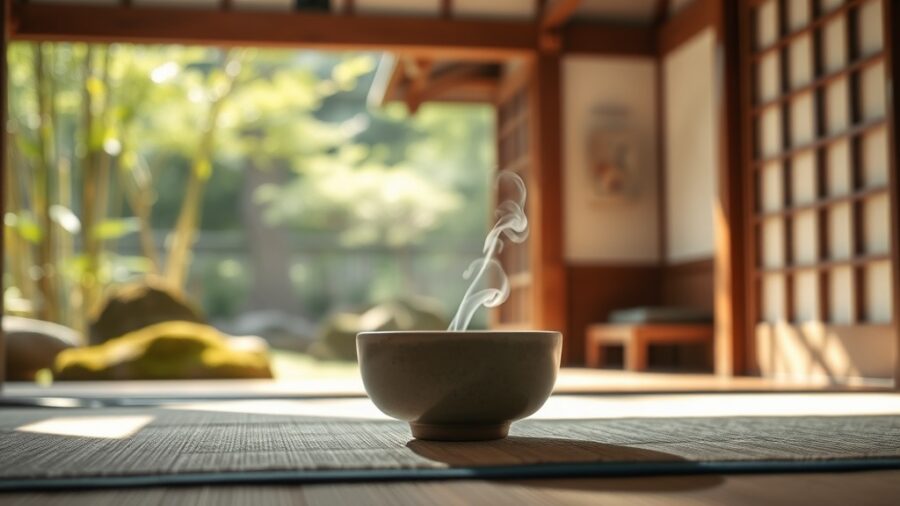
Introduction to the Japanese Tea Ceremony
The Japanese tea ceremony, known as *chanoyu*, is a profound ritual steeped in history and cultural significance. This traditional practice is not merely about preparing and serving tea; it encompasses a rich tapestry of art, philosophy, and aesthetics that reflect the values of Japanese culture. Within this ceremony lies the concept of wabi, which adds a layer of depth and meaning to the experience. In this article, we will delve into the intricate details of the Japanese tea ceremony and explore the essence of wabi.
Understanding the Japanese tea ceremony requires a journey through its historical context and the philosophical underpinnings that shape it. It’s a practice that encourages mindfulness, presence, and appreciation for the ephemeral beauty of life. As we navigate through the various elements of the ceremony, we will uncover how wabi influences each aspect, from the tools used to the environment in which it takes place.
This exploration aims to provide you with a comprehensive understanding of not just the tea ceremony itself, but also the principles of wabi-sabi—a philosophy that celebrates imperfection, transience, and simplicity. By the end of this article, you will gain insights into how these concepts can be embraced in daily life, fostering a deeper connection to the world around you.
Understanding Wabi-Sabi: Philosophy and Aesthetics
The Origins of Wabi-Sabi
The term *wabi-sabi* originates from ancient Japanese aesthetics, evolving through centuries of cultural refinement. *Wabi* refers to the beauty found in simplicity and the natural world; it embraces the rustic and the unrefined. In contrast, *sabi* denotes the beauty of age, the patina of time that adds character to objects. Together, they create a philosophy that values the imperfect and transient aspects of life.
Historically, wabi-sabi was influenced by Zen Buddhism, which emphasizes mindfulness and the beauty of the present moment. This philosophy encourages individuals to find joy in the ordinary and to appreciate the unique imperfections that make each experience special. Wabi-sabi invites us to see beauty in the mundane and to understand that change is a fundamental part of existence.
Aesthetic Principles of Wabi-Sabi
The aesthetic principles of wabi-sabi manifest in various forms of art, architecture, and design. Key characteristics include:
- Imperfection: Celebrating flaws and irregularities, which add character.
- Transience: Acknowledging the temporary nature of life and beauty.
- Simplicity: Emphasizing minimalism and the essential.
- Naturalness: Preferring organic materials over artificial ones.
- Asymmetry: Valuing balance through irregular forms.
These principles not only shape the aesthetics of the Japanese tea ceremony but also resonate with broader cultural practices, emphasizing a deep respect for nature and authenticity.
The Role of Wabi in the Tea Ceremony
Wabi in Preparation and Presentation
In the context of the Japanese tea ceremony, wabi plays a crucial role in both preparation and presentation. The utensils used, often handcrafted and unique, reflect the wabi aesthetic. Tea bowls, or *chawan*, are celebrated for their imperfections, which tell stories of the artisans who created them. These bowls may have uneven surfaces, slight cracks, or unique glazes, each contributing to their beauty.
The tea itself, typically matcha, is prepared in a manner that embodies mindfulness. The act is performed slowly and deliberately, allowing practitioners to appreciate the ritual’s sensory elements. The simplicity of the preparation process highlights the beauty of wabi, as it invites participants to focus on the moment rather than the outcome.
Wabi in the Environment
The environment in which the tea ceremony takes place also reflects wabi principles. Traditional tea rooms, or *chashitsu*, are designed with simplicity and natural materials in mind. Often featuring tatami mats, wooden beams, and sliding doors, these spaces evoke a sense of tranquility and connection to nature.
Outdoor tea ceremonies, held in gardens or natural settings, further emphasize this connection. The presence of natural elements—such as trees, stones, and water—reinforces the wabi philosophy, encouraging participants to appreciate the beauty of their surroundings. This interaction between the ceremony and the environment exemplifies how wabi transcends mere aesthetics to become a holistic experience.
Elements of the Tea Ceremony: Tools and Environment
Essential Tools of the Ceremony
The Japanese tea ceremony employs a variety of tools, each with its symbolic significance. Key utensils include:
- Chawan (Tea Bowl): A vessel for serving matcha, often unique and imperfect.
- Chasen (Bamboo Whisk): Used to whisk the matcha into a frothy consistency.
- Chashaku (Bamboo Scoop): A tool for measuring the matcha powder.
- Kama (Iron Kettle): Used to heat the water for tea preparation.
- Furo (Portable Brazier): A heating device for the water during the ceremony.
Each tool is carefully selected and often carries a story, reinforcing the connection to wabi-sabi principles. The choice of materials, such as ceramics, bamboo, and iron, reflects a respect for natural resources and craftsmanship.
The Tea Room: A Space for Reflection
The tea room itself is a critical element of the ceremony. Traditionally, it is a simple structure that encourages contemplation and connection. The layout is designed to facilitate a smooth flow of the ritual, with a focus on the participants’ experience rather than elaborate decoration.
Natural light, the use of tatami mats, and the absence of excess create a serene atmosphere. The simplicity of the space allows participants to disengage from the distractions of daily life and immerse themselves in the present moment. This intentional design embodies the essence of wabi, promoting a sense of peace and mindfulness.
The Process of the Japanese Tea Ceremony
Steps in the Ceremony
The Japanese tea ceremony follows a sequence of carefully choreographed steps, each imbued with meaning. The process typically includes:
- Entering the Tea Room: Participants enter with a sense of mindfulness, often bowing to acknowledge the space.
- Purification: Utensils are purified in the presence of guests, symbolizing respect.
- Preparation of Tea: Matcha is measured and whisked, focusing on technique and form.
- Serving the Tea: The tea bowl is presented to the guest, who admires its beauty before drinking.
- Closing Rituals: The ceremony concludes with expressions of gratitude and reflection.
These steps are not just functional; they represent a deeper connection to the principles of wabi-sabi. Each action is performed with intention, allowing participants to engage fully with the experience.
Mindfulness and Presence
At the core of the Japanese tea ceremony is the practice of mindfulness. Participants are encouraged to focus on the present moment, appreciating the beauty of the tea, the utensils, and the environment. This emphasis on presence aligns with the principles of wabi, as it fosters a deeper connection to the experience.
Mindfulness in the tea ceremony encourages individuals to let go of distractions and immerse themselves in the ritual. It transforms an ordinary act into a profound experience, reminding participants of the beauty found in simplicity and the transient nature of life.
Cultural Significance and Historical Context
Historical Development of the Tea Ceremony
The Japanese tea ceremony has a rich history that dates back to the 9th century, evolving through various cultural and social influences. Initially introduced by Buddhist monks who brought tea from China, it gradually became a significant cultural practice among the samurai class during the 12th century.
During the 15th century, the tea ceremony was refined and popularized by the tea master Sen no Rikyū, who emphasized the principles of simplicity and humility. His teachings highlighted the importance of wabi-sabi aesthetics, shaping the ceremony into an art form that continues to resonate today.
Modern Interpretations and Global Influence
In contemporary society, the Japanese tea ceremony has transcended its traditional roots, gaining popularity worldwide. It is often incorporated into various cultural events and workshops, allowing individuals from diverse backgrounds to experience its beauty. The principles of wabi-sabi have also influenced design, art, and lifestyle choices across the globe, promoting a shift towards simplicity and mindfulness.
Modern interpretations of the tea ceremony may adapt certain elements while preserving its core values. This evolution reflects a growing appreciation for the cultural significance of the ceremony and its relevance in today’s fast-paced world.
Conclusion: Embracing Wabi in Daily Life
In conclusion, the Japanese tea ceremony serves as a profound reflection of the principles of wabi-sabi. Through its emphasis on simplicity, imperfection, and mindfulness, the ceremony invites us to appreciate the beauty in our surroundings and our experiences. By understanding the role of wabi in the tea ceremony, we can begin to embrace these values in our daily lives.
Incorporating wabi-sabi into our routines encourages us to slow down, practice gratitude, and find joy in the ordinary. Whether through mindful tea preparation at home or appreciating the aesthetics of our environment, the lessons from the Japanese tea ceremony can enhance our overall well-being.
As we navigate a world filled with distractions, the principles of wabi-sabi remind us to cherish the fleeting moments and recognize the beauty in imperfection. By doing so, we can cultivate a deeper connection to ourselves and the world around us.
FAQ about Japanese Tea Ceremony Wabi
What is the significance of wabi in the tea ceremony?
Wabi reflects the beauty of simplicity and imperfection, which is central to the Japanese tea ceremony. It encourages participants to appreciate the unique qualities of the utensils and the ritual itself, fostering mindfulness and presence.
How did the tea ceremony evolve over time?
The tea ceremony evolved from a practice introduced by Buddhist monks in the 9th century to a refined cultural ritual popularized by tea master Sen no Rikyū in the 15th century. Its development reflects changing societal values and aesthetics.
Can anyone participate in a tea ceremony?
Yes, tea ceremonies are often open to individuals from various backgrounds. Many cultural workshops and events invite people to experience the ceremony, emphasizing its universal themes of mindfulness and appreciation for beauty.
What materials are typically used in a tea ceremony?
Essential tools include a tea bowl (*chawan*), bamboo whisk (*chasen*), bamboo scoop (*chashaku*), and an iron kettle (*kama*). Each tool is selected for its aesthetic qualities and significance within the ritual.
How can I incorporate wabi-sabi principles into my life?
You can embrace wabi-sabi by appreciating the beauty in everyday moments, practicing mindfulness, and valuing simplicity. Creating a peaceful environment and focusing on the present can enhance your overall well-being.
Recap
- The Japanese tea ceremony is a rich cultural ritual that emphasizes mindfulness and beauty.
- Wabi-sabi celebrates imperfection, simplicity, and the transient nature of life.
- Key elements of the ceremony include unique utensils and a tranquil environment.
- Historical development of the ceremony showcases its evolution through cultural influences.
- Modern interpretations continue to spread the values of wabi-sabi globally.
- Embracing wabi in daily life fosters a deeper connection to ourselves and our surroundings.
- The tea ceremony offers valuable lessons in gratitude and presence.
- Anyone can participate in tea ceremonies, promoting cross-cultural appreciation.