
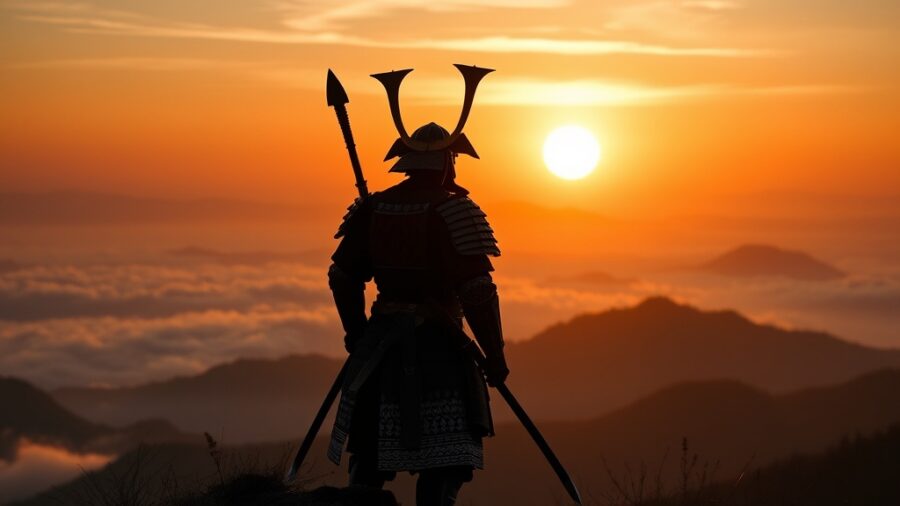
Understanding the Samurai Bushido Warrior Code
The samurai bushido warrior code represents an intricate and profound set of principles that guided the lives and actions of samurai throughout Japanese history. Emerging during the feudal period of Japan, this code encompasses various virtues such as loyalty, honor, and discipline, shaping the samurai’s identity as both warriors and stewards of the land. In this article, we will delve into the origins and historical context of bushido, explore its core principles, and examine its enduring influence on modern society.
As we embark on this exploration, you will discover the complexities of bushido, how it contrasts with other warrior philosophies, and its relevance today. By the end, you will have a comprehensive understanding of this ancient code and its impact on contemporary culture, ethics, and martial arts. Join us as we unravel the layers of meaning behind the samurai bushido warrior code, a philosophy that continues to resonate across generations.
Historical Context of Bushido
The Origins of Bushido
The roots of bushido can be traced back to the late 12th century, during the Kamakura period, when the samurai class began to solidify its power in Japan. Initially, the samurai were simply warriors who served local lords, but as their role evolved, so did their values and beliefs. The term “bushido,” which translates to “the way of the warrior,” began to take shape as a code of conduct that emphasized loyalty, courage, and honor.
By the 16th century, the influence of Zen Buddhism and Confucianism further shaped the ideals of bushido. Zen teachings encouraged meditation and self-discipline, while Confucianism emphasized moral duty and respect for authority. This blend of philosophies created a unique ethical framework that guided samurai behavior both on and off the battlefield.
Bushido and the Feudal System
During the feudal era, samurai served as both warriors and administrators under the daimyo, or feudal lords. Their loyalty to their lords was paramount, often leading to a strict adherence to the principles of bushido. This loyalty was not just a matter of duty; it was a deeply ingrained aspect of their identity. The samurai believed that dishonor would not only affect themselves but also their families and clans.
As the political landscape changed with the rise of the Tokugawa shogunate in the early 17th century, bushido became more codified. Samurai were expected to adhere to a strict moral code, which was often documented in texts such as “Hagakure” by Yamamoto Tsunetomo and “The Book of Five Rings” by Miyamoto Musashi. These works provided a philosophical foundation for bushido, emphasizing the importance of self-control, respect, and the warrior’s path.
Core Principles of Bushido
Loyalty and Honor
At the heart of bushido lies the principle of loyalty. Samurai were taught that loyalty to their lords was non-negotiable, often leading them to sacrifice their lives for their masters. This unwavering commitment fostered a strong sense of community and shared values among samurai, reinforcing their dedication to the bushido code.
Honor, closely tied to loyalty, dictated a samurai’s actions and decisions. A samurai’s reputation was paramount; they lived and died by their honor. This was exemplified in the practice of seppuku, or ritual suicide, which was performed to restore honor after defeat or disgrace. This extreme measure highlighted the importance placed on maintaining one’s honor, even in death.
Courage and Compassion
Courage is another fundamental tenet of bushido, often depicted as the willingness to face danger and adversity without fear. Samurai were trained to confront challenges head-on, embodying the idea that true courage lies in the ability to act justly, even in the face of overwhelming odds. This principle was crucial for warriors who often found themselves in life-or-death situations.
Moreover, bushido emphasized the importance of compassion. While samurai were fierce warriors, they were also expected to show mercy and kindness to those who were weaker or in need. This duality of strength and compassion allowed samurai to navigate their roles as protectors of society while maintaining their ethical standards. The balance between these qualities is what defined the true essence of a samurai.
The Influence of Bushido on Modern Society
Bushido in Contemporary Culture
The legacy of bushido extends far beyond the samurai era, influencing various aspects of modern Japanese culture. Today, the principles of bushido can be observed in the practices of martial arts such as judo, kendo, and aikido, where respect, discipline, and honor remain central tenets. These martial arts not only focus on combat skills but also emphasize the development of character and moral integrity.
In addition to martial arts, bushido has permeated Japanese business culture, where loyalty and respect for hierarchy are vital. The concept of “kaizen,” or continuous improvement, reflects bushido’s emphasis on self-discipline and personal development. Companies often encourage employees to adopt these values, fostering a strong sense of community and shared purpose within the workplace.
Bushido’s Global Impact
The influence of bushido is not confined to Japan. It has captured the imagination of people worldwide, inspiring countless films, literature, and art. The portrayal of samurai in movies such as “The Last Samurai” and “47 Ronin” has popularized the ideals of bushido, portraying the samurai as noble warriors bound by a strict moral code.
Moreover, bushido has resonated with individuals seeking to cultivate personal discipline and ethical living. The code has been adopted in various motivational and self-help contexts, with its principles often cited as a model for personal growth and leadership. This global fascination with bushido speaks to the universal values of honor, loyalty, and courage that transcend cultural boundaries.
Bushido vs. Other Warrior Codes
Comparing Bushido to European Chivalry
When examining bushido, it is essential to consider its similarities and differences with other warrior codes, particularly European chivalry. Both systems emphasize values such as honor, loyalty, and courage; however, they differ in their cultural contexts and applications. While bushido is deeply rooted in the samurai’s relationship with their lords, chivalry is often associated with the knight’s obligations to God, feudal lords, and the protection of the weak.
For instance, chivalric values were often tied to a religious framework, promoting virtues like faith and charity. In contrast, bushido, while influenced by Buddhism and Confucianism, primarily focused on the warrior’s duty to their lord and clan. This distinction highlights the unique cultural aspects that shaped each code, leading to different expressions of warrior ethics.
The Code of the Vikings
Another interesting comparison can be made between bushido and the warrior code of the Vikings, known as the “Viking ethos.” Both cultures celebrated bravery and valor in battle, but their motivations and societal structures were different. While bushido was characterized by a strict hierarchical structure and emphasis on loyalty to a lord, the Viking code often valued individual prowess and the pursuit of glory in battle.
Additionally, the Viking ethos included a sense of fatalism, where warriors accepted their fate in battle, believing that a glorious death would lead them to Valhalla. In contrast, bushido emphasizes the importance of honor and the duty to one’s lord, suggesting a more communal approach to warfare. These distinctions illustrate how different cultures interpreted the ideals of warrior conduct, ultimately shaping their historical legacies.
Conclusion
In conclusion, the samurai bushido warrior code embodies a rich tapestry of principles that have shaped not only the lives of samurai but also the broader Japanese culture and beyond. From its historical roots in the feudal system to its core principles of loyalty, honor, courage, and compassion, bushido offers valuable insights into the ethical frameworks that govern human behavior.
As we navigate the complexities of modern society, the enduring influence of bushido serves as a reminder of the importance of integrity, respect, and self-discipline. Whether through martial arts, business practices, or personal development, the teachings of bushido continue to inspire individuals across the globe. By embracing these timeless values, we can cultivate a deeper understanding of ourselves and our responsibilities to others.
Frequently Asked Questions about Bushido
What is the primary focus of bushido?
The primary focus of bushido is to provide a code of conduct for samurai, emphasizing values such as loyalty, honor, courage, and compassion. These principles guided samurai in their duties as warriors and stewards of the land.
How did bushido influence Japanese culture?
Bushido significantly influenced Japanese culture by shaping the values of martial arts, business practices, and interpersonal relationships. The principles of bushido continue to resonate in contemporary Japanese society, promoting loyalty and respect.
What are some key texts associated with bushido?
Key texts associated with bushido include “Hagakure” by Yamamoto Tsunetomo and “The Book of Five Rings” by Miyamoto Musashi. These works provide philosophical insights into the samurai’s ethical framework and the principles of the warrior code.
How does bushido compare to other warrior codes?
Bushido shares similarities with other warrior codes, such as European chivalry and the Viking ethos, but it differs in its cultural context and focus. While bushido emphasizes loyalty to a lord, chivalry often incorporates religious values, and the Viking ethos celebrates individual glory in battle.
Is bushido still relevant today?
Yes, bushido remains relevant today as its principles are reflected in modern martial arts, business ethics, and personal development practices. The values of honor, loyalty, and self-discipline continue to inspire individuals across various cultures.
Key Takeaways
- The samurai bushido warrior code encompasses principles such as loyalty, honor, courage, and compassion.
- Its origins trace back to the Kamakura period, evolving alongside the samurai class in Japan.
- Bushido has influenced various aspects of modern Japanese culture, including martial arts and business practices.
- The code can be compared to other warrior codes, such as European chivalry and the Viking ethos, highlighting cultural differences.
- Bushido remains relevant today, inspiring individuals to cultivate personal integrity and ethical behavior.
- Key texts such as “Hagakure” and “The Book of Five Rings” provide deeper insights into the philosophy of bushido.
- The legacy of bushido continues to resonate worldwide, influencing literature, film, and personal development.
- Understanding bushido fosters a greater appreciation for the values that guide human behavior across cultures.