
Introduction to Natural Pest Control
When it comes to maintaining a healthy and thriving garden, the importance of pest control garden natural cannot be overstated. Many gardeners face the challenge of pests that threaten their plants, affecting growth and overall health. Utilizing natural pest control methods not only helps in keeping the garden safe but also promotes a sustainable approach to gardening.
This article will delve into the various facets of natural pest control, offering insights into common garden pests, effective methods to combat them, and the benefits of adopting a natural approach. By understanding these concepts, you can create a vibrant garden ecosystem that flourishes without the use of harmful chemicals.
As we explore the topic, we will cover practical strategies that include how to integrate beneficial insects and maintain a balanced garden ecosystem. Additionally, we will provide answers to common questions, equipping you with the knowledge to tackle pest problems effectively.
Understanding Common Garden Pests
Identifying Common Pests
In every garden, a variety of pests can emerge, each posing unique threats to plants. Some of the most common garden pests include:
- Aphids: Small, soft-bodied insects that often cluster on the undersides of leaves.
- Spider Mites: Tiny arachnids that can cause significant damage by sucking out plant juices.
- Whiteflies: Small, white flying insects that can weaken plants by feeding on their sap.
- Slugs and Snails: Mollusks that can quickly decimate foliage, especially in damp conditions.
The Life Cycle of Garden Pests
Understanding the life cycle of these pests is crucial in managing them effectively. For example, aphids reproduce rapidly, with a single female capable of producing hundreds of offspring in a short time. This rapid reproduction means that if left unchecked, their population can explode, leading to severe damage to your plants.
Spider mites, on the other hand, thrive in dry conditions. Their life cycle consists of stages: egg, larva, nymph, and adult. Recognizing these stages can help gardeners implement timely interventions to prevent infestations.
Benefits of Using Natural Pest Control
Environmental Impact
One of the primary advantages of natural pest control is its minimal impact on the environment. Chemical pesticides can disrupt local ecosystems, harming beneficial organisms such as pollinators and soil microbes. By opting for natural methods, you contribute to a healthier environment.
Additionally, natural pest control reduces the risk of pesticide resistance, which can occur when pests are repeatedly exposed to the same chemicals. This resistance can lead to more aggressive pest populations that are harder to manage.
Health Benefits
Using natural methods can significantly enhance the safety of your produce. Chemical residues can linger on fruits and vegetables, posing health risks to consumers. By utilizing natural pest control, you ensure that your garden produces safe, healthy food for your family.
Furthermore, many natural pest control methods encourage biodiversity, which can lead to a more resilient garden ecosystem. Healthier plants are not only better equipped to fend off pests but also contribute to overall garden vitality.
Effective Natural Pest Control Methods
Non-Chemical Solutions
There are numerous non-chemical strategies for controlling pests in your garden. Some effective methods include:
- Companion Planting: Pairing plants that naturally repel pests can help protect vulnerable species. For example, planting marigolds among vegetables can deter nematodes and aphids.
- Neem Oil: Derived from the seeds of the neem tree, this natural pesticide disrupts the life cycle of pests without harming beneficial insects.
- Insecticidal Soap: A solution made from natural fats and oils that can effectively control soft-bodied insects like aphids and spider mites.
Physical Barriers
Implementing physical barriers can also be an effective strategy in natural pest control. Simple methods include:
- Row Covers: Lightweight fabrics can protect plants from insects while allowing light and moisture to penetrate.
- Mulching: Organic mulch can deter slugs and snails while improving soil health.
- Handpicking: For larger pests like caterpillars, manual removal can be an effective and immediate solution.
Creating a Pest-Resistant Garden
Choosing the Right Plants
One of the most effective ways to prevent pest problems is to choose pest-resistant plants. Native plants, for instance, are often better suited to local pests and diseases. They tend to attract fewer pests and require less water and maintenance.
Additionally, incorporating a diverse range of plant species can create a balanced ecosystem. Biodiversity helps to support natural predators that can keep pest populations in check, reducing the need for intervention.
Soil Health and Fertility
Maintaining healthy soil is fundamental to a pest-resistant garden. Healthy plants grown in nutrient-rich soil are less susceptible to diseases and pests. Practices such as:
- Composting: Adding organic matter improves soil structure and nutrient content.
- Crop Rotation: Changing plant families each season can disrupt pest life cycles.
- Cover Crops: Planting cover crops during the off-season can enhance soil health and prevent erosion.
Integrating Beneficial Insects
Identifying Beneficial Insects
Beneficial insects play a vital role in natural pest control. These include predators and parasitoids that help manage pest populations. Common beneficial insects include:
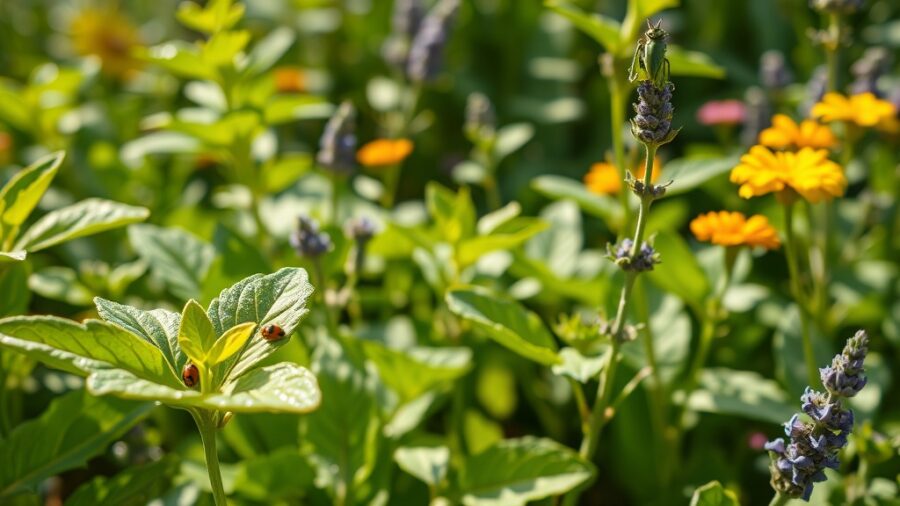
- Ladybugs: Known for their appetite for aphids, ladybugs can significantly reduce pest populations.
- Lacewings: Their larvae feed on aphids, caterpillars, and other small pests.
- Parasitic Wasps: These wasps lay their eggs inside pest insects, effectively controlling their numbers.
Creating an Inviting Habitat
To attract beneficial insects, it’s essential to create a welcoming environment. This can be achieved by:
- Planting Nectar-Rich Flowers: Flowers such as dill, fennel, and yarrow provide food for adult beneficial insects.
- Providing Shelter: Leaving some areas of your garden wild can offer refuge for beneficial insects.
- Avoiding Broad-Spectrum Pesticides: These can harm beneficial species along with pests, disrupting the balance.
Maintaining a Healthy Garden Ecosystem
Monitoring and Assessment
Regular monitoring is crucial to maintaining a healthy garden ecosystem. Conducting routine checks can help detect pest issues before they escalate. Look for signs of damage, such as holes in leaves or the presence of pests.
Employing a garden journal can be beneficial for tracking pest populations and the effectiveness of your control strategies. Documenting what worked and what didn’t can guide future pest management practices.
Encouraging Biodiversity
Encouraging biodiversity within your garden can lead to a more resilient ecosystem. This can be achieved by:
- Planting a Variety of Species: Diverse plantings can attract different beneficial insects.
- Creating Microhabitats: Incorporating different habitats like ponds, rocks, and logs can support various wildlife.
- Using Organic Practices: Avoiding synthetic fertilizers and pesticides promotes a healthier environment for beneficial organisms.
Conclusion
In conclusion, natural pest control is an effective and environmentally friendly approach to maintaining a healthy garden. By understanding common pests, their life cycles, and the benefits of using natural methods, gardeners can create a thriving ecosystem. Implementing effective strategies like companion planting, integrating beneficial insects, and maintaining soil health contributes to a pest-resistant garden.
As you adopt these practices, remember that patience and persistence are key. A balanced garden ecosystem not only reduces pest problems but also enhances the overall beauty and productivity of your garden. Embrace natural pest control methods for a sustainable gardening experience.
Frequently Asked Questions
1. What are natural pest control methods?
Natural pest control methods include non-chemical solutions such as companion planting, using insecticidal soap, and introducing beneficial insects. These methods focus on maintaining a balanced ecosystem and reducing reliance on synthetic pesticides.
2. How can I attract beneficial insects to my garden?
To attract beneficial insects, plant nectar-rich flowers, provide shelter, and avoid using broad-spectrum pesticides. Creating a diverse planting environment encourages a variety of beneficial species to thrive.
3. What are the benefits of using natural pest control?
Natural pest control methods benefit the environment by minimizing chemical use, promoting biodiversity, and producing safer food. Additionally, they help prevent pesticide resistance in pest populations.
4. How do I identify garden pests?
Identifying garden pests involves observing plants for damage, such as holes in leaves or discoloration. Familiarizing yourself with common pests, such as aphids and spider mites, can aid in early detection.
5. Can I use natural pest control in a small garden?
Yes, natural pest control methods are effective in gardens of any size. Small gardens can benefit from practices like companion planting and handpicking pests, making them manageable and sustainable.
Recap
- Natural pest control promotes a healthier garden ecosystem.
- Common pests include aphids, spider mites, and slugs.
- Benefits of natural methods include environmental safety and reduced health risks.
- Effective strategies involve non-chemical solutions and physical barriers.
- Creating a pest-resistant garden requires healthy soil and diverse plantings.
- Beneficial insects play a crucial role in pest management.
- Regular monitoring and encouraging biodiversity are key to maintaining balance.
- Natural pest control methods can be successfully implemented in gardens of all sizes.