
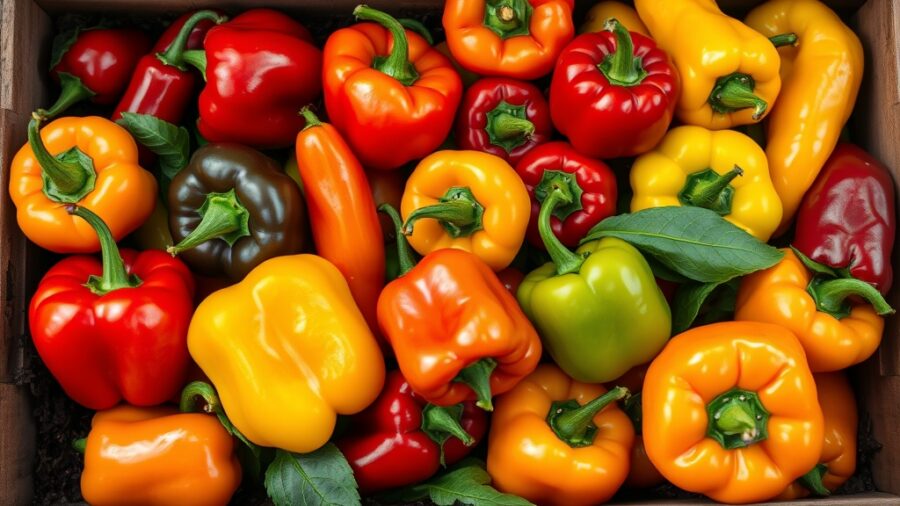
Ultimate Pepper Varieties Growing Guide
Welcome to the pepper varieties growing guide, where we delve into the fascinating world of peppers. Whether you are a seasoned gardener or a novice, understanding the various types of peppers and how to cultivate them can significantly enhance your gardening experience. In this guide, we will explore different pepper varieties, their specific growing requirements, and essential care tips that will help you achieve a bountiful harvest.
Pepper plants are not only versatile in the kitchen but also offer a vibrant addition to any garden. With numerous varieties available, including sweet bell peppers, spicy jalapeños, and exotic ghost peppers, the possibilities are endless. This guide aims to equip you with the necessary knowledge to choose the right peppers for your climate, prepare your soil, and implement effective planting and care techniques.
As we progress through the sections, you will learn about essential factors such as soil composition, watering strategies, pest management, and optimal harvesting techniques. By the end of this guide, you will be well-prepared to embark on your pepper-growing journey with confidence.
Understanding Different Pepper Varieties
Types of Peppers
Peppers can be broadly categorized into two types: sweet peppers and hot peppers. Sweet peppers, such as bell peppers, have a mild flavor and are often consumed raw in salads or cooked in various dishes. On the other hand, hot peppers, including varieties like habaneros and serranos, contain capsaicin, which gives them their characteristic heat.
Within these categories, there exists an astonishing variety of peppers. For instance, the bell pepper is a popular choice due to its crisp texture and availability in different colors, including green, red, yellow, and orange. Conversely, the jalapeño is favored for its moderate heat and is widely used in Mexican cuisine. Other notable varieties include the spicy cayenne, the fruity habanero, and the intensely hot Carolina Reaper, which holds the Guinness World Record for the hottest pepper.
Flavor Profiles and Culinary Uses
The flavor profiles of peppers can vary significantly, influenced by their variety and ripeness. Sweet peppers are typically crunchy and mildly sweet, making them ideal for salads, stir-fries, and stuffed dishes. Hot peppers, however, can range from mildly spicy to explosively hot. For example, the serrano pepper offers a bright, crisp flavor with a moderate heat level, suitable for fresh salsa.
Additionally, peppers can be used in various culinary forms, such as fresh, dried, pickled, or roasted. Understanding the flavor and heat levels of different peppers can enhance your cooking and allow you to experiment with diverse recipes.
Choosing the Right Pepper Varieties for Your Climate
Understanding Climate Zones
When selecting pepper varieties, it is crucial to consider your local climate. Peppers thrive in warm conditions, ideally with temperatures ranging from 70°F to 85°F (21°C to 29°C). The USDA Plant Hardiness Zone Map can help you determine your local climate zone, which is essential for making informed choices about pepper varieties.
For example, if you reside in a warmer climate (Zones 9-10), you can grow heat-loving varieties such as habaneros and ghost peppers. However, in cooler climates (Zones 3-6), it may be more suitable to plant varieties like bell peppers and banana peppers, which mature in a shorter growing season.
Microclimates and Their Impact
Aside from general climate zones, microclimates can also influence pepper growth. A microclimate is a small area with a different climate than the surrounding region, often due to factors such as elevation, proximity to water, or urban heat. For instance, a south-facing garden bed may receive more sunlight and warmth, allowing for the successful cultivation of more heat-sensitive varieties.
Understanding your garden’s microclimate can help you choose the best pepper varieties and maximize your growing success. Observing sunlight patterns, wind exposure, and moisture levels can provide valuable insights into which peppers will thrive in your specific environment.
| Climate Zone | Recommended Pepper Varieties |
|---|---|
| 3-6 | Bell Peppers, Banana Peppers |
| 7-8 | Jalapeños, Poblano |
| 9-10 | Habaneros, Ghost Peppers |
Soil and Nutrient Requirements for Peppers
Optimal Soil Composition
For successful pepper cultivation, the soil plays a vital role. Peppers prefer well-draining soil rich in organic matter. A pH level between 6.0 and 6.8 is ideal for optimal nutrient uptake. To achieve this, consider amending your soil with compost, peat moss, or well-rotted manure, which improves soil structure and nutrient content.
Before planting, it is advisable to conduct a soil test to determine nutrient levels and pH. This will guide you in making necessary amendments, ensuring your peppers receive the nutrients they need for vigorous growth. Sandy loam is often regarded as the best soil type for peppers due to its excellent drainage properties.
Nutrient Management
Pepper plants have specific nutrient requirements, particularly nitrogen, phosphorus, and potassium. These macronutrients are essential for healthy growth and fruit development. A balanced fertilizer with an N-P-K ratio of 5-10-10 or 10-10-10 can provide the necessary nutrients for your peppers.
It’s crucial to apply fertilizers according to soil test recommendations and the growth stage of your plants. For example, during the early growth stage, a higher nitrogen content is beneficial for promoting leafy growth, while phosphorus and potassium become increasingly important as the plants begin to flower and set fruit.
- Soil pH: 6.0 – 6.8
- Ideal soil type: Sandy loam
- Essential nutrients: Nitrogen, phosphorus, potassium
Planting Techniques for Successful Growth
Starting Seeds Indoors
Starting pepper seeds indoors is a common practice, especially in cooler climates. It allows you to extend the growing season and ensure your plants are robust before transplanting them outdoors. Start seeds 8-10 weeks before the last expected frost date, using seed trays or pots filled with seed-starting mix.
Maintain a consistent temperature of around 70°F to 80°F (21°C to 27°C) for optimal germination. Once seedlings develop their first true leaves, they can be transplanted into larger pots to encourage further growth before moving them outdoors.
Transplanting Outdoors
When the danger of frost has passed and nighttime temperatures remain consistently above 50°F (10°C), it’s time to transplant your pepper seedlings outdoors. Choose a sunny location with at least 6-8 hours of direct sunlight per day. Space your plants 18-24 inches apart to allow for adequate airflow and prevent disease.
Before transplanting, harden off your seedlings by gradually exposing them to outdoor conditions over a week. This process helps them acclimate to their new environment, reducing transplant shock and promoting healthy growth.
Watering and Irrigation Strategies
Understanding Watering Needs
Pepper plants require consistent moisture to thrive but can be sensitive to overwatering. The key is to maintain evenly moist soil without allowing it to become waterlogged. A general guideline is to provide about 1-2 inches of water per week, depending on weather conditions and soil type.
During dry spells or high temperatures, you may need to increase watering frequency. Conversely, in cooler, wetter conditions, it’s essential to monitor soil moisture to avoid root rot. Using mulch around your plants can help retain soil moisture and regulate temperature.
Irrigation Techniques
Drip irrigation is an efficient method for watering peppers, as it delivers water directly to the root zone while minimizing water loss through evaporation. If you don’t have a drip system, consider using soaker hoses or watering at the base of the plants to avoid wetting the foliage, which can lead to fungal diseases.
In addition, implementing a regular watering schedule can help ensure your peppers receive adequate moisture throughout their growing season. Early morning is the best time to water, allowing plants to absorb moisture before the heat of the day.
| Watering Technique | Benefits |
|---|---|
| Drip Irrigation | Efficient water delivery, reduces evaporation |
| Soaker Hoses | Even moisture distribution, conserves water |
| Hand Watering | Allows for monitoring soil moisture |
Pest and Disease Management for Peppers
Common Pests
Pepper plants can attract a variety of pests, including aphids, spider mites, and whiteflies. These pests can cause significant damage by feeding on the plant’s sap and transmitting diseases. Regular monitoring is essential for early detection and management. Consider using insecticidal soap or neem oil as organic treatment options.
Additionally, introducing beneficial insects, such as ladybugs and lacewings, can help control pest populations naturally. Maintaining healthy plants through proper care and cultural practices is also a key strategy for preventing pest infestations.
Disease Prevention
Common diseases affecting pepper plants include powdery mildew, bacterial leaf spot, and root rot. To prevent these diseases, ensure proper spacing for airflow, avoid overhead watering, and practice crop rotation. If a disease does occur, remove affected plant parts immediately to prevent further spread.
Utilizing disease-resistant pepper varieties can also be an effective strategy. For instance, varieties such as ‘California Wonder’ and ‘Early Jalapeño’ have shown resistance to certain diseases, making them excellent choices for sustainable gardening.
Harvesting and Storing Your Peppers
When to Harvest
Knowing when to harvest your peppers is crucial for optimal flavor and texture. Generally, peppers can be harvested when they reach their mature size and color, which varies by variety. For example, bell peppers are typically harvested when green, but can also be left to ripen to red or yellow for increased sweetness.
For hot peppers, the optimal harvest time depends on your desired heat level. Harvesting them while they are still green will yield a milder flavor, while allowing them to fully ripen will enhance their spiciness. Use sharp scissors or pruning shears to avoid damaging the plant during harvest.
Storing Peppers
After harvesting, proper storage is essential to maintain the quality of your peppers. Fresh peppers can be stored in the refrigerator for up to two weeks. To prolong their shelf life, consider freezing them. Simply wash, slice, and place them in airtight freezer bags. Frozen peppers can last up to 6 months while retaining their flavor and nutrients.
Additionally, drying peppers is another popular preservation method, especially for hot varieties. Drying can intensify their flavor and allow for long-term storage. Consider using a dehydrator or an oven on low heat to achieve the desired dryness.
Conclusion
In conclusion, growing peppers can be an incredibly rewarding endeavor, offering a wide range of flavors and culinary uses. By understanding different pepper varieties, choosing the right ones for your climate, and implementing effective growing techniques, you can cultivate a thriving pepper garden. Remember to consider soil composition, watering strategies, and pest management to ensure the health of your plants.
With the knowledge gained from this pepper varieties growing guide, you are now equipped to embark on your pepper-growing journey. Whether you prefer sweet bell peppers or fiery hot varieties, the satisfaction of nurturing your plants from seed to harvest is truly unmatched.
FAQ
1. What are the best pepper varieties for beginners?
For beginners, sweet bell peppers and jalapeños are excellent choices. They are relatively easy to grow and have a high success rate, making them suitable for novice gardeners.
2. How often should I water my pepper plants?
Pepper plants typically require 1-2 inches of water per week. It’s essential to monitor soil moisture and adjust your watering schedule based on weather conditions.
3. What is the ideal temperature for growing peppers?
Pepper plants thrive in temperatures between 70°F and 85°F (21°C to 29°C). Protect them from frost and extreme cold temperatures to ensure healthy growth.
4. How can I prevent pests in my pepper garden?
Regular monitoring and maintaining healthy plants are key strategies for preventing pests. Consider using organic treatments like insecticidal soap and introducing beneficial insects.
5. Can I grow peppers in containers?
Yes, peppers can be successfully grown in containers. Ensure the container has adequate drainage and is at least 5 gallons in size to accommodate root growth.
- Understand different pepper varieties and their uses.
- Choose the right peppers based on your climate zone.
- Amend soil for optimal nutrient availability.
- Implement effective watering and irrigation strategies.
- Monitor for pests and diseases regularly.
- Harvest at the right time for best flavor.
- Utilize proper storage methods for longevity.
- Enjoy the satisfaction of homegrown peppers!