
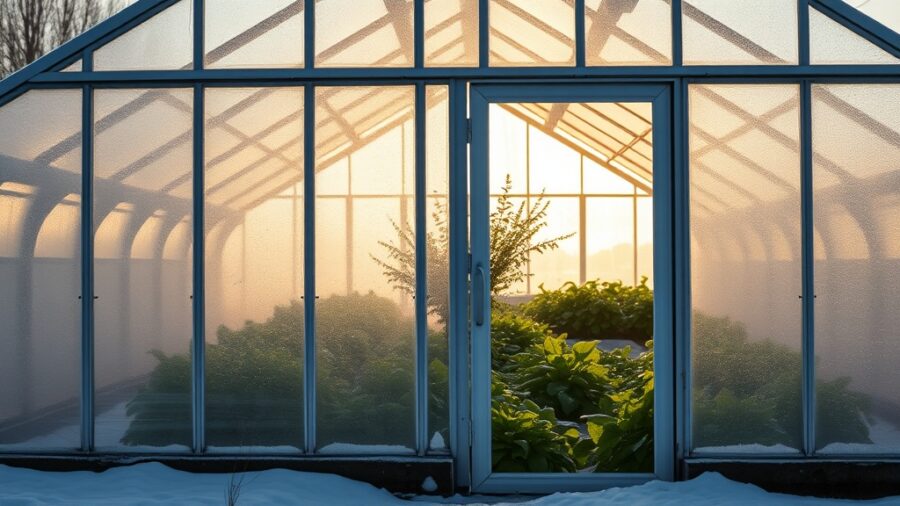
Introduction to Season Extension Greenhouses
Cold season extension greenhouses are innovative structures designed to prolong the growing season for plants, allowing gardeners and farmers to cultivate crops even in cooler temperatures. These greenhouses utilize various techniques to trap heat and manage temperature, enabling the growth of a wide range of plants that would otherwise be hindered by the cold. This article delves into the essential aspects of cold season extension greenhouses, including their benefits, design considerations, and effective management strategies.
As the demand for fresh produce increases, especially during the off-season, utilizing a cold season extension greenhouse becomes a strategic choice for both commercial and hobbyist gardeners. Understanding the intricacies of these structures can significantly enhance productivity and yield. In this guide, readers will learn about the fundamental benefits, optimal design practices, and maintenance techniques to ensure successful plant growth in colder months.
Furthermore, we will explore the selection of materials, temperature control methods, watering strategies, and pest management tailored for cold climates. By the end of this article, you will have a comprehensive understanding of how to effectively utilize cold season extension greenhouses to maximize your harvest.
Benefits of Cold Season Extension Greenhouses
Extended Growing Season
One of the primary benefits of cold season extension greenhouses is the ability to extend the growing season. This is particularly advantageous in regions with harsh winters, where outdoor gardening is limited. By utilizing a greenhouse, gardeners can start planting earlier in the spring and continue harvesting well into the fall or even winter. According to the USDA, regions that employ greenhouse farming can see a yield increase of up to 30% compared to traditional outdoor methods.
Furthermore, cold season extension greenhouses protect plants from frost, reducing the risk of crop loss. This protective environment allows for the growth of sensitive crops that would not survive in cold temperatures, such as tomatoes, peppers, and various herbs. Even in sub-zero conditions, the internal temperature of a well-designed greenhouse can remain significantly higher than the outside temperature.
Improved Crop Quality and Variety
Another significant advantage of cold season extension greenhouses is the improvement in crop quality and the variety of plants that can be cultivated. With controlled environments, plants can grow in optimal conditions, leading to healthier and more robust crops. Studies have shown that vegetables grown in greenhouses often have higher nutrient content and better taste compared to those grown in open fields.
Additionally, gardeners can experiment with different plant varieties, including exotic and out-of-season crops, which would typically be unavailable in their local markets. By diversifying the crop selection, farmers can cater to niche markets and potentially increase their profits.
Designing Your Cold Greenhouse for Maximum Efficiency
Layout and Orientation
The design of a cold season extension greenhouse plays a critical role in its efficiency. The layout should consider factors such as sunlight exposure, wind direction, and accessibility. Ideally, the greenhouse should be oriented east to west to maximize sunlight intake throughout the day. This orientation allows for even light distribution, which is essential for plant growth.
In addition to orientation, the internal layout should be designed for optimal space utilization. Utilizing vertical planting systems, tiered shelving, and organized pathways can enhance accessibility and airflow, leading to healthier plants. It is also vital to consider the placement of ventilation systems and heat sources within the greenhouse to maintain a consistent temperature.
Climate Control Systems
Effective climate control is essential for the success of cold season extension greenhouses. Integrating heating systems, such as electric or gas heaters, can help maintain the desired temperature during extremely cold nights. Moreover, ventilation systems should be installed to manage humidity and prevent overheating during sunny days. Automated climate control systems can be particularly beneficial, allowing for real-time adjustments based on temperature sensors.
The incorporation of thermal mass materials, such as water barrels or concrete blocks, can also help regulate temperature fluctuations. These materials absorb heat during the day and release it slowly at night, providing a more stable environment for plant growth. By carefully designing the greenhouse with these considerations, gardeners can ensure maximum efficiency and productivity.
Choosing the Right Materials for Your Greenhouse
Frame Construction Materials
When constructing a cold season extension greenhouse, selecting the right frame materials is crucial for durability and insulation. Commonly used materials include aluminum, galvanized steel, and wood. Aluminum frames are lightweight and resistant to corrosion, making them a popular choice. However, they may require additional insulation to retain heat effectively.
Galvanized steel frames offer increased strength and longevity, but can be more expensive. Wooden frames provide excellent insulation and aesthetic appeal; however, they require regular maintenance to prevent rot and insect damage. Ultimately, the choice of frame material will depend on budget, climate, and personal preference.
Covers and Glazing Options
The greenhouse covering is another critical factor influencing heat retention and light transmission. Common glazing options include glass, polycarbonate, and polyethylene film. Glass offers excellent light transmission and durability but can be costly and heavy. Polycarbonate is a popular alternative, providing good insulation and UV protection while being lighter and more affordable.
Polyethylene film is often used for its affordability and ease of installation, but it has a shorter lifespan compared to glass and polycarbonate. When selecting covering materials, consider factors such as insulation properties, durability, and the specific needs of the plants being grown to optimize growth conditions.
Techniques for Maintaining Temperature Control
Insulation Strategies
Maintaining an optimal temperature within a cold season extension greenhouse is vital for plant health. Insulation strategies play a crucial role in minimizing heat loss. Utilizing thermal blankets or bubble wrap during the coldest months can significantly improve insulation. Additionally, insulating the foundation and walls of the greenhouse can prevent heat from escaping.
Installing double-layer polycarbonate panels can also enhance insulation while still allowing adequate light penetration. These panels trap air between the layers, providing an effective barrier against cold temperatures. Regularly checking for gaps or leaks in the greenhouse structure will ensure that heat remains contained, maximizing energy efficiency.
Utilizing Passive Solar Heating
Passive solar heating is an effective method to maintain temperature in cold season extension greenhouses without relying solely on mechanical heating systems. This technique involves strategically placing thermal mass materials, such as water barrels or stone, within the greenhouse to absorb and store heat during the day.
In addition, positioning the greenhouse to maximize sunlight exposure can enhance passive solar heating. Utilizing south-facing windows or vents can further improve this natural heating method. By harnessing the sun’s energy, gardeners can reduce energy costs while maintaining a suitable environment for plant growth.
Watering and Irrigation Strategies for Cold Weather
Adjusting Watering Schedules
In colder conditions, plants require different watering schedules compared to warmer months. Overwatering can lead to root rot, particularly in colder temperatures, where evaporation is slower. It is essential to monitor soil moisture levels regularly and adjust watering schedules accordingly. Using a moisture meter can provide accurate readings, ensuring that plants receive the appropriate amount of water.
Furthermore, watering in the morning is beneficial, allowing plants to absorb moisture before the temperature drops at night. This practice can help prevent freezing and ensure adequate hydration when plants need it most. Implementing a drip irrigation system can also enhance water efficiency, delivering water directly to the root zone while minimizing waste.
Frost Protection Techniques
Frost protection is crucial for maintaining healthy plants in a cold season extension greenhouse. Covering plants with row covers or frost blankets during particularly cold nights can provide an additional layer of insulation. Additionally, using floating row covers can trap heat while allowing light and moisture to penetrate.
Heating cables or mats can also be used to warm the soil, promoting root health and growth. These methods are especially effective for sensitive crops, ensuring that even in the coldest conditions, plants remain protected and productive.
Pest Management in Cold Greenhouses
Identifying Common Pests
Pest management is essential for maintaining healthy plants in cold season extension greenhouses. Common pests, such as aphids, whiteflies, and spider mites, can thrive in greenhouse environments. Regular monitoring is crucial to detect pest infestations early, preventing significant damage to crops.
Employing sticky traps and visual inspections can help identify pest populations. Additionally, understanding the life cycles of these pests can aid in developing effective management strategies. For example, recognizing that aphids reproduce rapidly can prompt immediate action to control their numbers.
Integrated Pest Management Strategies
Implementing integrated pest management (IPM) strategies can effectively reduce pest populations while minimizing chemical interventions. Biological controls, such as introducing beneficial insects like ladybugs or predatory mites, can help keep pest populations in check. Additionally, maintaining a clean greenhouse environment by removing debris and dead plants can reduce pest habitats.
Regularly rotating crops and practicing companion planting can also deter pests naturally. By combining these strategies, gardeners can create a balanced ecosystem within the greenhouse, promoting plant health while managing pest populations effectively.
Conclusion
In conclusion, cold season extension greenhouses offer a multitude of benefits for gardeners looking to maximize their harvests during colder months. By understanding the importance of design, material selection, temperature control, watering strategies, and pest management, individuals can create an efficient and productive growing environment. As climate change continues to impact agricultural practices, investing in a cold season extension greenhouse can be a strategic move to ensure food security and sustainability.
Implementing the techniques discussed in this article will not only enhance your gardening experience but also contribute to a more resilient food system. Whether you are a commercial farmer or a dedicated hobbyist, embracing the potential of cold season extension greenhouses can lead to remarkable outcomes in your cultivation efforts.
FAQ
1. What is a cold season extension greenhouse?
A cold season extension greenhouse is a structure designed to protect and cultivate plants during colder months. It utilizes various techniques to trap heat, allowing for extended growing seasons and improved crop yields.
2. How can I maintain temperature control in my greenhouse?
Maintaining temperature control can be achieved through insulation, climate control systems, and passive solar heating. Utilizing thermal mass materials and ensuring proper ventilation are also key strategies.
3. What materials are best for constructing a cold greenhouse?
The best materials for constructing a cold greenhouse include aluminum, galvanized steel, and wood for the frame, along with glass, polycarbonate, or polyethylene film for the covering. Each material has its advantages and should be chosen based on specific needs.
4. How do I manage pests in a cold greenhouse?
Pest management in a cold greenhouse can be effectively achieved through integrated pest management (IPM) strategies. This includes introducing beneficial insects, maintaining cleanliness, and practicing crop rotation.
5. Can I grow vegetables year-round in a cold greenhouse?
Yes, a well-designed cold season extension greenhouse allows for year-round vegetable cultivation. By managing temperature, humidity, and light effectively, a wide variety of vegetables can be grown even in winter.
Recap
- Cold season extension greenhouses extend growing seasons and improve crop quality.
- Effective design and layout maximize efficiency and plant health.
- Choosing the right materials enhances durability and insulation.
- Temperature control techniques include insulation and passive solar heating.
- Watering strategies must be adjusted for cold weather conditions.
- Pest management is crucial for healthy crops in greenhouse environments.
- Implementing IPM strategies can effectively control pest populations.
- Cold greenhouses enable year-round cultivation of various crops.