
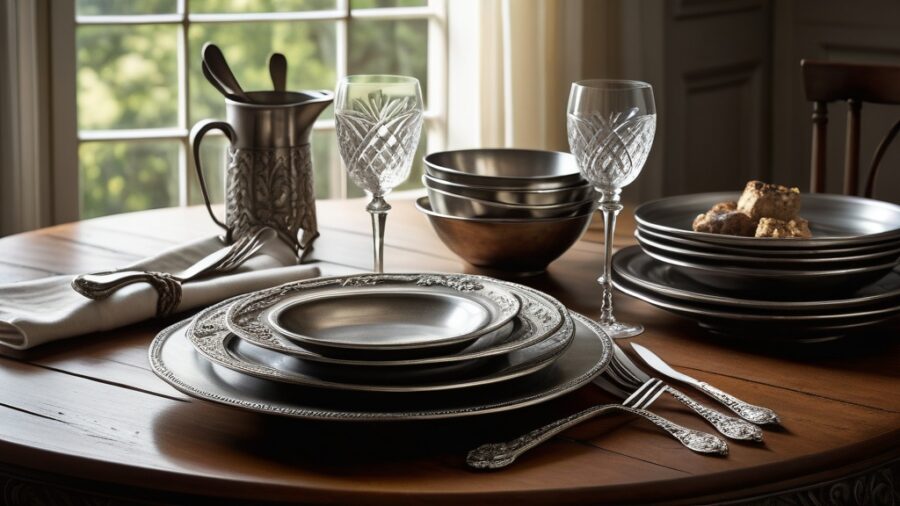
Introduction to Silver Tableware and Its Value
When discussing silver tableware antique value, it’s essential to recognize the historical and cultural significance that these pieces hold. Silver tableware has been a symbol of wealth and status for centuries, often passed down through generations as cherished family heirlooms. Understanding the value of these items not only adds to one’s appreciation of their beauty but also provides insight into their financial worth in the collectible market.
In this article, we will delve into the fascinating world of antique silver tableware, exploring its historical context, the factors that influence its value, and how one can assess their own collection. By the end, readers will have a solid understanding of the nuances involved in determining the worth of silver tableware and how to care for these precious items.
Moreover, as the market for antique collectibles continues to evolve, being informed about current trends and pricing is crucial for both buyers and sellers. We will also answer some frequently asked questions that many collectors face, ensuring that you are well-equipped with knowledge to navigate this intriguing field.
Historical Significance of Silver Tableware
Evolution of Silver Tableware
Silver tableware has a rich history dating back to ancient civilizations. The Egyptians, for example, utilized silver for ceremonial purposes, while the Romans expanded its use for dining and everyday items. By the Middle Ages, silver became a standard for the aristocracy in Europe, where elaborate silverware sets were created to showcase wealth and sophistication.
During the 18th and 19th centuries, the art of silver tableware reached new heights, particularly in countries like England and France. This period saw the emergence of renowned silversmiths who produced intricate designs that are highly sought after today. Collectors often look for pieces from specific periods or renowned makers, which significantly influences their value.
Symbol of Status and Wealth
Throughout history, silver tableware has not only been a practical dining tool but also a symbol of social status. The presence of silver on the dining table was a clear indicator of wealth, and as such, families would often invest in elaborate silver sets to display during gatherings and special occasions.
Notable families, such as the Vanderbilts in America and the Rothschilds in Europe, built extensive collections of silver tableware. These collections not only served functional purposes but also acted as a representation of their social standing. Today, collectors often seek out pieces that were once part of these prestigious collections, adding to their historical significance and monetary value.
Factors Influencing Antique Silver Tableware Value
Material Composition and Quality
The composition of silver tableware plays a critical role in determining its value. Authentic pieces are typically made of sterling silver, which contains 92.5% pure silver and 7.5% other metals, usually copper. The quality of the silver, including its weight and craftsmanship, can greatly impact its worth.
In addition to the metal’s purity, the condition of the item is paramount. Pieces that are well-preserved, with minimal scratches or dents, will fetch higher prices compared to those that show significant wear. Restoration work can also affect value; while some collectors appreciate restored items, others may prefer pieces in their original state.
Age and Provenance
Age is another significant factor affecting the value of silver tableware. Generally, older pieces tend to be more valuable, especially those that can be traced back to specific historical events or notable owners. Provenance, or the history of ownership, can add to an item’s appeal; for instance, silverware once owned by a famous historical figure can command a premium price.
Additionally, certain periods in silver production are more desirable than others. For example, items crafted during the Georgian or Victorian eras are often highly sought after due to their intricate designs and historical significance.
| Era | Characteristics | Value Range |
|---|---|---|
| Georgian (1714-1830) | Simple elegance, often with hallmarks | $500 – $10,000+ |
| Victorian (1837-1901) | Ornate designs, heavy use of embellishments | $300 – $15,000+ |
| Edwardian (1901-1910) | Sleek and refined, with a focus on craftsmanship | $400 – $12,000+ |
How to Assess the Value of Your Silver Tableware
Conducting Research
To accurately assess the value of your silver tableware, start by conducting thorough research. This includes identifying the maker’s mark, which typically indicates the silversmith and can provide crucial information about the piece’s age and authenticity. Resources such as online databases and antique reference books can help you in this process.
Engaging with local antique shops or silver specialists can also provide valuable insights. They can help verify the authenticity of your items and give an estimation of their market value based on current trends. Additionally, auction results from reputable houses can offer a gauge for what similar items have sold for recently.
Professional Appraisal
For a more precise valuation, consider seeking a professional appraisal. Certified appraisers have the expertise and experience to evaluate silver tableware accurately. They will consider various factors, including historical significance, condition, and market demand, to provide a comprehensive assessment.
When selecting an appraiser, ensure they are accredited by reputable organizations, such as the American Society of Appraisers or the International Society of Appraisers. A professional appraisal is especially important for insurance purposes or if you are considering selling your collection.
Market Trends for Antique Silver Tableware
Current Demand and Pricing
The market for antique silver tableware has seen fluctuations over the years, influenced by changing consumer preferences and economic conditions. Recently, there has been a resurgence in interest for vintage and antique items, including silverware, as collectors and enthusiasts seek unique pieces that reflect personal style and history.
In 2023, reports indicate that the average price for quality antique silverware has increased by approximately 15% compared to previous years, driven by a growing appreciation for craftsmanship and tradition. Auctions featuring silver tableware often see competitive bidding, indicating a robust market demand.
Collector Communities and Events
Joining collector communities can be an excellent way to stay informed about market trends. Many collectors participate in forums, attend antique fairs, and engage in online groups where they share knowledge and resources. These communities can provide insights into what’s trending and help identify valuable pieces that may not yet be widely recognized.
Moreover, annual antique shows and fairs offer opportunities to buy, sell, and network with other enthusiasts. Events like the New York Antique Show or the London Antique Silver Fair are prime locations for discovering rare items and gaining insights into market dynamics.
Caring for Your Antique Silver Tableware
Proper Cleaning Techniques
Caring for silver tableware is crucial to maintain its appearance and value. Regular cleaning is necessary to prevent tarnishing. Use a gentle silver polish and a soft cloth to remove tarnish, ensuring you follow the manufacturer’s instructions for any cleaning products. Avoid abrasive materials that can scratch the surface and diminish the item’s value.
For more delicate pieces, consider using a mild soap solution followed by thorough drying to prevent water spots. It’s essential to clean silverware after each use, especially if it has come into contact with acidic foods, which can accelerate tarnishing.
Storage Best Practices
How you store your silver tableware can significantly impact its longevity. Always store silver items in a cool, dry place, ideally in a dedicated silverware chest lined with anti-tarnish fabric. This helps reduce exposure to air and moisture, both of which contribute to tarnishing.
Additionally, avoid stacking pieces directly on top of one another, as this can lead to scratches. Instead, use cloth dividers to separate items and maintain their pristine condition. Regularly check your collection for signs of tarnish or damage and address any issues promptly.
Conclusion
Understanding the silver tableware antique value involves a blend of historical appreciation, market knowledge, and proper care. From recognizing the significance of different eras and makers to assessing the condition and provenance of your pieces, every aspect contributes to their overall worth. By staying informed about current market trends and engaging with the collector community, you can enhance your appreciation and investment in antique silverware.
Caring for your silver tableware ensures that these beautiful pieces continue to shine for generations to come. Whether you are an avid collector or a casual enthusiast, the journey into the world of antique silverware is both rewarding and enriching.
Frequently Asked Questions
What makes silver tableware valuable?
The value of silver tableware is influenced by factors such as age, material composition, condition, and provenance. Items from recognized makers or historical periods typically fetch higher prices. Additionally, rarity and demand in the market can also significantly impact value.
How can I tell if my silver tableware is genuine?
To determine if your silver tableware is genuine, look for hallmarks or maker’s marks that indicate the manufacturer and purity of the silver. Researching these marks can help authenticate your pieces. Consulting with a professional appraiser can also provide assurance of authenticity.
Is it safe to clean antique silverware at home?
Yes, it is safe to clean antique silverware at home, but it is crucial to use appropriate cleaning products and methods. Avoid abrasive materials and harsh chemicals that could damage the surface. Gentle polishing with a soft cloth and a suitable silver cleaner can maintain the item’s condition.
What are the best ways to store silver tableware?
The best way to store silver tableware is in a cool, dry environment, preferably in a dedicated silverware chest lined with anti-tarnish fabric. Avoid stacking items directly, and use cloth dividers to prevent scratches.
How often should I have my silver tableware appraised?
It is advisable to have your silver tableware appraised every few years, especially if you plan to sell or insure your collection. Market values can change, and a professional appraisal will provide an updated valuation based on current trends.
Recap
- Silver tableware has a rich history and symbolizes wealth and elegance.
- The value of silverware is influenced by material quality, age, and provenance.
- Research and professional appraisals are essential for accurate valuation.
- The market for antique silverware is currently experiencing increased demand.
- Proper care and storage are vital for maintaining the quality and value of silver items.
- Collector communities provide valuable insights and networking opportunities.
- Regular cleaning and appropriate storage techniques will prolong the life of your silver tableware.
- Understanding market trends can enhance your investment in antique silverware.