
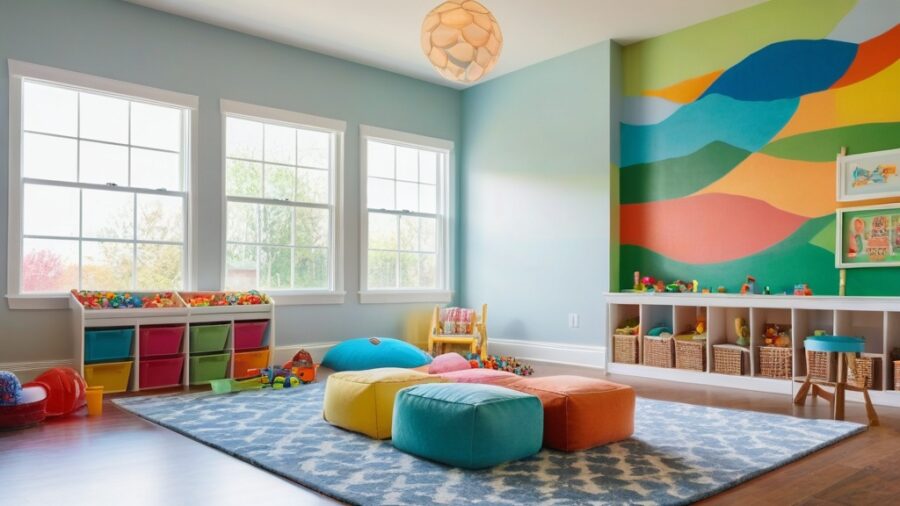
Playroom Design for Children: Creating an Inspiring Space
Designing a playroom for children is more than just arranging toys and furniture. It involves creating a nurturing environment that fosters creativity, learning, and play. In this article, we will delve into the essential aspects of playroom design, highlighting how thoughtful planning can transform a simple room into a vibrant space where children can thrive. We will explore various elements, safety considerations, and innovative ideas to make the most of your child’s play area.
The importance of play in childhood development cannot be overstated. Engaging in play helps children develop social skills, cognitive abilities, and emotional resilience. Thus, the design of a playroom plays a pivotal role in encouraging these activities. We will cover how to incorporate elements that support learning and creativity while ensuring safety and functionality.
As you read on, you will discover practical tips, the impact of color psychology, suitable furniture options, and how to create thematic spaces that captivate children’s imaginations. Whether you are planning a new playroom or revamping an existing one, this comprehensive guide will provide you with the inspiration and knowledge needed to create an exceptional space for your children.
Importance of Playroom Design
The design of a playroom is crucial for several reasons. First and foremost, it provides children with a dedicated space to explore, create, and learn. A well-designed playroom encourages children to engage in various activities that promote physical, emotional, and intellectual development. Research shows that children who have access to stimulating play environments tend to perform better academically and socially.
Fostering Creativity and Imagination
A thoughtfully designed playroom can significantly enhance a child’s creativity and imagination. By incorporating diverse elements such as art supplies, building materials, and imaginative play areas, children are encouraged to express themselves freely. Creative play is essential for cognitive development and helps children develop problem-solving skills.
Enhancing Social Skills
Playrooms also serve as social hubs where children can interact with peers. A well-structured space can facilitate cooperative play, teamwork, and communication skills. By designing areas for group activities and encouraging collaborative games, parents can nurture their children’s ability to work well with others, which is vital for their future success.
Elements of a Functional Playroom
A functional playroom is one that combines safety, organization, and inspiration. Key elements to consider include layout, storage solutions, and activity zones. Each element should work together to create a cohesive environment that meets the diverse needs of children.
Layout and Space Utilization
The layout is one of the fundamental aspects of playroom design. It should allow for easy movement and flexibility for various activities. Consider dividing the space into specific zones, such as a reading nook, an arts and crafts area, and a play zone. This zoning helps children understand the purpose of each area and encourages them to engage in different types of play.
Storage Solutions
Organization is crucial in a playroom. Effective storage solutions can help keep the area tidy and functional. Use bins, shelves, and cabinets to categorize toys and materials, making it easier for children to access what they need and return items after use. Incorporating labeled storage can also help children develop responsibility and organizational skills.
- Utilize open shelving for easy access to toys.
- Incorporate storage ottomans for dual-purpose furniture.
- Use clear bins for visibility and easy identification of contents.
Color Psychology in Playroom Design
The colors used in a playroom can profoundly affect a child’s mood and behavior. Understanding color psychology is essential for creating an inviting and stimulating environment. Different colors evoke various emotions and responses, which can be harnessed to enhance the play experience.
Choosing the Right Colors
Soft, warm colors like yellow and orange can stimulate creativity and enthusiasm, making them great choices for play areas. On the other hand, cooler colors like blue and green promote calmness and focus, ideal for a reading nook or quiet zone. When selecting colors, it’s essential to balance vibrant hues with softer tones to create a harmonious environment.
Creating Visual Interest
Incorporating patterns and textures also adds visual interest and engages children’s senses. Consider using wallpapers, decals, or vibrant rugs that reflect themes or interests your children have. These elements can serve as conversation starters and inspire imaginative play.
Furniture Options for Playrooms
Choosing the right furniture is critical in creating a functional and inviting playroom. The furniture should be safe, durable, and appropriate for the age group it serves. Below are some essential furniture options to consider when designing a playroom.
Seating Solutions
Comfortable seating is essential for a playroom. Options like bean bags, floor cushions, and small chairs can provide cozy spots for reading or engaging in quiet play. Ensure that the seating is lightweight and easy for children to move around, promoting independence and choice.
Activity Tables
Activity tables are versatile pieces of furniture that can accommodate various activities. Look for tables with adjustable heights that can grow with your child. Consider tables with built-in storage for arts and crafts supplies or those that can be used for puzzles and games. This flexibility allows the furniture to adapt to different activities as your child’s interests evolve.
| Furniture Type | Functionality | Considerations |
|---|---|---|
| Bean Bags | Flexible seating | Easy to move, safe |
| Activity Tables | Support various activities | Height adjustable |
| Storage Cabinets | Organize toys | Child-proof locks |
Incorporating Learning into Play
Integrating learning into play is essential for a child’s development. Playrooms can be designed to not only entertain but also educate. By incorporating educational materials and activities, parents can create an enriching environment that stimulates learning.
Educational Toys and Games
Investing in educational toys that promote problem-solving, critical thinking, and creativity is vital. Look for toys that encourage STEM (science, technology, engineering, and mathematics) learning, such as building sets, coding games, and science kits. These toys can provide hands-on experiences that enhance learning through play.
Interactive Learning Stations
Designing interactive learning stations can engage children in various subjects. For instance, a small library corner with age-appropriate books can encourage reading, while a science corner with simple experiments can spark curiosity about the natural world. These stations create opportunities for independent exploration and hands-on learning.
Safety Considerations in Playroom Design
Safety is a top priority when designing a playroom. Ensuring that the space is free from hazards and suitable for children is crucial for peace of mind. Below are essential safety considerations to keep in mind.
Choosing Safe Materials
When selecting materials for the playroom, prioritize non-toxic and child-safe options. Look for furniture made from sturdy, durable materials that can withstand wear and tear. Additionally, ensure that all paints and finishes are low in volatile organic compounds (VOCs) to promote a healthy indoor environment.
Child-Proofing the Space
Child-proofing involves making adjustments to minimize risks. Install outlet covers, secure heavy furniture to the wall, and remove sharp objects or choking hazards from the space. Regularly inspect the playroom for potential dangers and ensure that all toys meet the safety standards set by organizations like the Consumer Product Safety Commission (CPSC).
Creating a Thematic Playroom
Thematic playrooms can stimulate children’s imagination and make playtime more engaging. By selecting a theme that resonates with your child’s interests, you can create a captivating environment that inspires creativity and exploration.
Choosing a Theme
Consider your child’s interests when selecting a theme. Popular themes include space exploration, underwater adventures, jungle safaris, or fairy tale worlds. Once a theme is chosen, incorporate elements that reflect it, such as wall decals, themed toys, and creative play areas that align with the chosen concept.
Integrating the Theme into Design
To fully integrate the theme, use colors, patterns, and decor that align with the concept. For example, if you choose a space theme, consider using dark blues and silvers, starry wallpapers, and space-related toys and books. This cohesive design approach enhances the immersive experience and promotes imaginative play.
Conclusion
Designing a playroom for children is an exciting endeavor that can have a lasting impact on their development. By prioritizing functional elements, safety, and creativity, parents can create an inspiring space where children can thrive. Understanding the importance of playroom design, as well as incorporating elements that promote learning and social interaction, can significantly enhance a child’s play experience.
As you embark on your playroom design journey, remember to consider the unique needs and interests of your child. Utilize colors, furniture, and themes that resonate with them, and ensure the space is safe and organized. With thoughtful planning and creativity, you can create a playroom that not only entertains but also educates and inspires.
FAQ
1. What are the essential elements of a playroom?
Essential elements of a playroom include a designated layout, storage solutions, comfortable seating, and activity zones. Each aspect should work together to create a functional and engaging environment for children.
2. How can I incorporate learning into my child’s playroom?
You can incorporate learning into your child’s playroom by including educational toys, books, and interactive learning stations. These elements encourage exploration and promote critical thinking skills.
3. What safety measures should I take when designing a playroom?
Safety measures include choosing non-toxic materials, child-proofing the space, securing heavy furniture, and regularly inspecting toys for safety compliance. Prioritizing safety helps create a worry-free environment for children.
4. How does color choice impact a playroom’s atmosphere?
Color choice significantly impacts a playroom’s atmosphere by influencing mood and behavior. Warm colors can stimulate creativity, while cooler shades can promote calmness, so it’s essential to strike a balance.
5. What themes are popular for children’s playrooms?
Popular themes for children’s playrooms include space exploration, jungle adventures, underwater worlds, and fairy tales. Choosing a theme that resonates with your child’s interests can enhance their imaginative play experience.
- Designing a playroom fosters creativity and social skills.
- Organizing the space promotes independence and responsibility.
- Color choices influence mood and engagement levels.
- Safety is paramount in creating a child-friendly environment.
- Thematic designs can enhance imaginative play opportunities.
- Incorporating educational elements supports learning through play.
- Furniture should be durable, safe, and age-appropriate.
- Regular updates and inspections ensure a safe and engaging space.