
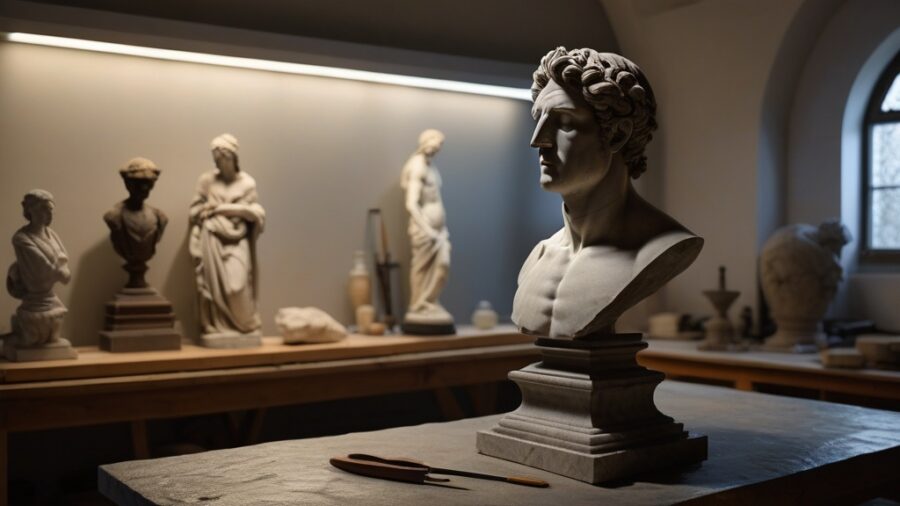
Introduction to Renaissance Art Masters
The Renaissance Art Masters legacy represents a pivotal moment in the history of art, marking the transition from the medieval to the modern world. This period, which spanned roughly from the 14th to the 17th century, was characterized by a renewed interest in classical philosophy, literature, and art. The artists of this era were not just creators; they were visionaries who sought to explore human emotion and the natural world in unprecedented ways. In this article, we will delve into the key figures, techniques, and cultural impacts of these masters, providing a comprehensive overview of their enduring legacy.
As we explore the lives and works of iconic figures such as Leonardo da Vinci, Michelangelo, and Raphael, we will uncover how their innovations shaped the artistic landscape of Europe. Additionally, we will examine the techniques they employed, which revolutionized artistic practices and fostered a deeper connection between artists and their audiences. By understanding the Renaissance art masters, we can appreciate the profound impact they have had on modern art and culture.
This article promises to take you on a journey through the vibrant world of Renaissance art, highlighting the skills and creativity of its masters. We will also discuss their lasting influence on contemporary artists and how their legacies continue to inspire us today. Whether you are an art enthusiast, a student, or simply curious about this fascinating period, you will find valuable insights into the Renaissance art masters and their remarkable contributions.
Key Figures in Renaissance Art
Leonardo da Vinci: The Polymath of the Renaissance
Leonardo da Vinci, born in 1452, is perhaps the most renowned figure of the Renaissance. His work spanned various disciplines, including painting, sculpture, architecture, and engineering. Da Vinci’s masterpieces, such as the Mona Lisa and The Last Supper, showcase his remarkable ability to capture human emotion and intricate detail. His technique of sfumato, which creates a soft transition between colors, is evident in these iconic works.
Aside from his artistic contributions, da Vinci’s notebooks reveal a man deeply invested in scientific inquiry. He studied anatomy, flight, and engineering, merging art with science in a way that was revolutionary for his time. This holistic approach to knowledge has left a lasting legacy, influencing countless artists and thinkers across generations.
Michelangelo: The Sculptor of the Divine
Michelangelo Buonarroti, born in 1475, was a master sculptor, painter, and architect whose works are celebrated for their emotional intensity and anatomical precision. His most famous sculptures, such as David and Pietà, display a profound understanding of the human form, capturing both physical strength and vulnerability. Michelangelo’s ability to convey complex emotions through stone solidified his reputation as one of the greatest sculptors in history.
In addition to sculpture, Michelangelo’s work on the Sistine Chapel ceiling is a testament to his genius as a painter. The iconic frescoes, completed between 1508 and 1512, depict scenes from the Book of Genesis and demonstrate his mastery of composition and color. Michelangelo’s influence extends beyond his lifetime, inspiring future generations of artists with his innovative techniques and profound understanding of human emotion.
Techniques and Innovations in Renaissance Art
Use of Perspective
One of the most significant innovations of Renaissance art was the development of linear perspective. Pioneered by artists such as Filippo Brunelleschi, this technique allowed artists to create the illusion of depth on a flat surface, revolutionizing the way space was represented in art. By utilizing a vanishing point and converging lines, artists could depict three-dimensional spaces more realistically.
This newfound ability to represent depth was evident in works such as The School of Athens by Raphael, where the architectural elements draw the viewer’s eye into the scene, creating a sense of immersion. The careful application of perspective not only enhanced the visual appeal of artworks but also reflected the Renaissance’s emphasis on humanism and the importance of the individual experience.
Chiaroscuro and Sfumato Techniques
Another significant innovation during the Renaissance was the use of chiaroscuro, which involves the bold contrast of light and shadow to create a sense of volume and depth. Artists like Caravaggio and Leonardo da Vinci employed this technique masterfully, adding drama and intensity to their compositions. Chiaroscuro allows for a dynamic play of light, enhancing the emotional impact of a piece.
Sfumato, as previously mentioned, is another technique that became a hallmark of Renaissance painting. It involves the delicate blending of colors and tones, resulting in soft edges and a smoky effect. Leonardo’s Mona Lisa is a prime example of sfumato, where the transitions between light and shadow create an enigmatic expression. These techniques have profoundly influenced modern art, encouraging artists to explore new ways of representing form and emotion.
Cultural Impact of Renaissance Artists
Rebirth of Classical Ideals
The Renaissance marked a cultural rebirth that celebrated the ideals of classical antiquity. Artists drew inspiration from ancient Greek and Roman art, philosophy, and literature, leading to a revival of humanistic themes. This shift in focus from religious to secular subjects allowed for a broader exploration of human experience and emotion.
For instance, artists like Raphael incorporated classical elements into their works, reflecting a balance between naturalism and idealism. His portrayal of human figures was influenced by ancient sculptures, emphasizing beauty and proportion. This revival of classical ideals not only transformed art but also influenced literature, philosophy, and science, leading to a more comprehensive understanding of human potential.
Influence on Society and Religion
The impact of Renaissance artists extended beyond the realm of art; it also influenced societal and religious structures. The increased emphasis on humanism led to a questioning of traditional religious dogmas, encouraging individuals to seek knowledge and understanding through observation and experience. This shift laid the groundwork for the Reformation and the questioning of the Church’s authority.
Furthermore, artists like Michelangelo and Raphael were commissioned by the Church to create works that reflected its power and influence. The Sistine Chapel ceiling and St. Peter’s Basilica are profound examples of how art was used to convey religious narratives and inspire faith. The collaboration between artists and the Church ultimately shaped the cultural landscape of Europe and solidified the importance of art as a tool for communication and expression.
Legacy and Influence on Modern Art
Inspiration for Future Artists
The legacy of Renaissance art masters continues to resonate in contemporary art. Their groundbreaking techniques and innovative approaches have inspired countless artists throughout the centuries. The emphasis on realism, perspective, and emotional expression laid the foundation for various art movements, including Baroque, Neoclassicism, and even Impressionism.
Artists such as Vincent van Gogh and Pablo Picasso drew inspiration from the works of Renaissance masters, incorporating elements of their style into their own distinctive approaches. The impact of these artists can be seen in how modern artists continue to explore themes of identity, emotion, and the human experience, echoing the sentiments expressed by their Renaissance predecessors.
Preservation and Study of Renaissance Art
The enduring legacy of Renaissance art is also reflected in the ongoing efforts to preserve and study these masterpieces. Institutions such as the Uffizi Gallery in Florence and the Louvre in Paris house invaluable collections of Renaissance art, allowing scholars and enthusiasts to engage with these works firsthand. Additionally, advancements in technology have enabled more in-depth analysis and restoration of Renaissance artworks, ensuring their survival for future generations.
The study of Renaissance art remains a vital field of inquiry, with art historians continually uncovering new insights into the lives and techniques of these masters. This dedication to preservation not only honors the artists’ contributions but also enriches our understanding of the cultural and historical context in which they worked.
Conclusion
The legacy of the Renaissance art masters is a testament to their extraordinary contributions to the world of art and culture. Through their innovative techniques, profound understanding of human emotion, and exploration of classical ideals, they transformed the artistic landscape of Europe and laid the groundwork for modern art. As we reflect on their impact, it becomes clear that these masters not only shaped their own era but continue to influence artists and thinkers today.
In examining the lives and works of figures like Leonardo da Vinci, Michelangelo, and Raphael, we gain a deeper appreciation for the complexities of the human experience and the power of artistic expression. Their legacies serve as a reminder of the importance of creativity and innovation in shaping our understanding of the world.
FAQ about Renaissance Art Masters
Who were the most significant Renaissance artists?
The most significant Renaissance artists include Leonardo da Vinci, Michelangelo, Raphael, and Titian. Each of these artists made substantial contributions to the development of art during this transformative period.
What techniques did Renaissance artists innovate?
Renaissance artists innovated several techniques, including linear perspective, chiaroscuro, and sfumato. These methods allowed for more realistic depictions of space, light, and human emotion in their works.
How did Renaissance art influence modern art?
The innovations and themes explored by Renaissance artists have had a lasting impact on modern art. Their focus on realism, human emotion, and classical ideals continue to inspire contemporary artists across various mediums.
Why was humanism important in the Renaissance?
Humanism was important in the Renaissance because it emphasized the value of human experience and individual potential. This philosophical shift encouraged artists and thinkers to explore secular subjects and question traditional religious doctrines.
What is the significance of the Sistine Chapel ceiling?
The Sistine Chapel ceiling, painted by Michelangelo, is significant for its breathtaking artistry and intricate storytelling. It represents a pinnacle of Renaissance art, showcasing the artist’s mastery of composition, color, and human form.
- The Renaissance was a period of profound cultural rebirth.
- Key figures like Leonardo da Vinci and Michelangelo revolutionized art techniques.
- Linear perspective changed how artists depicted space.
- Chiaroscuro and sfumato added depth and emotion to artworks.
- Renaissance artists influenced modern art movements.
- The legacy of these masters continues in art preservation efforts.
- Humanism emphasized the importance of individual experience and knowledge.
- The Sistine Chapel ceiling remains a masterpiece of artistic achievement.