
Gold Recycling in Electronic Waste: A Sustainable Solution
The increasing reliance on electronic devices has resulted in a significant rise in electronic waste (e-waste), which poses a serious challenge to the environment. Among the valuable materials found in e-waste, gold stands out due to its high value and recyclability. Gold recycling from electronic waste is not only a method to recover precious metals but also a crucial step towards sustainable waste management. In this article, we will explore the intricacies of gold recycling in e-waste, its processes, environmental and economic impacts, as well as the challenges faced and future trends in this industry.
As we delve into the topic, you will learn about the methods used to extract gold from e-waste, the benefits of recycling this valuable material, and the economic implications that arise from these practices. Additionally, we will address the challenges that the industry faces, including technological, regulatory, and environmental aspects. Lastly, we will look into innovative solutions and future directions in e-waste recycling that could enhance gold recovery and sustainability.
Understanding the significance of gold recycling in electronic waste is essential for both consumers and businesses. By increasing awareness and participation in recycling programs, we can contribute to a cleaner environment and a more sustainable economy. Join us as we uncover the multifaceted world of gold recycling in electronic waste.
Understanding Gold Recycling in Electronic Waste
The Importance of Gold in Electronics
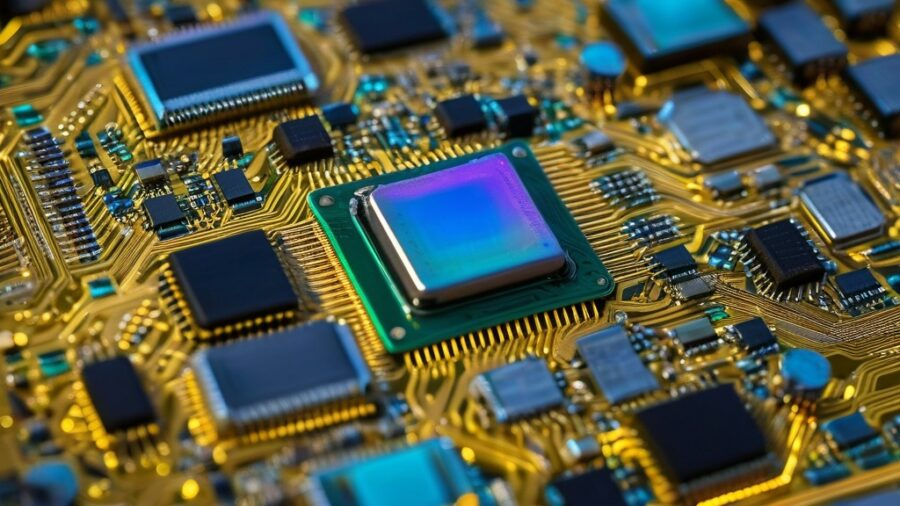
Gold plays a vital role in the electronics industry due to its excellent conductivity, resistance to corrosion, and durability. It is commonly used in various electronic components, including circuit boards, connectors, and microchips. The demand for gold in electronics has surged over the years, leading to an increased focus on sustainable sourcing methods. In fact, according to recent estimates, approximately 7% of the world’s gold supply is sourced from e-waste, highlighting its significance as a secondary resource.
The Composition of E-Waste
E-waste encompasses a wide range of discarded electronic devices, including smartphones, computers, televisions, and more. These devices contain various materials, including metals, plastics, and glass. Specifically, electronic waste can contain up to 0.2 grams of gold per circuit board, along with other precious metals like silver and palladium. Understanding the composition of e-waste is crucial for developing effective recycling methods that can efficiently extract these valuable materials.
The Process of Gold Recovery from E-Waste
The first step in gold recycling from e-waste is the collection and sorting of discarded electronics. Specialized recycling facilities gather e-waste from various sources, including consumer drop-off centers, retail take-back programs, and municipal collection events. Once collected, the e-waste is sorted based on type and material composition to optimize the recovery process.
After sorting, various methods are employed to extract gold from e-waste. The most common techniques include:
- Mechanical separation: This involves shredding the e-waste and using physical processes to separate metals from non-metals.
- Chemical leaching: This method uses chemical solutions, such as cyanide or aqua regia, to dissolve gold from the e-waste, allowing for its recovery.
- Biotechnological methods: Recent innovations include using microorganisms to extract gold through bioleaching, a more environmentally friendly approach.
Environmental Benefits of Gold Recycling
One of the primary environmental benefits of gold recycling is the significant reduction of electronic waste that ends up in landfills. With millions of tons of e-waste generated annually, recycling helps mitigate the environmental impact associated with disposal. By recycling gold and other metals, we can decrease the volume of waste that contributes to soil and water contamination.
Recycling gold from e-waste conserves natural resources by reducing the need for mining new gold. Mining operations are often detrimental to the environment, leading to habitat destruction, water pollution, and significant carbon emissions. According to the World Gold Council, recycling one tonne of gold can save over 20 tonnes of carbon emissions compared to mining. Thus, gold recycling is a crucial step towards sustainable resource management.
Economic Impacts of Gold Recycling
The gold recycling industry contributes to economic growth by creating jobs in various sectors, including collection, sorting, processing, and distribution. According to industry reports, the global e-waste recycling market is expected to reach $49.5 billion by 2025, driven by increasing awareness and regulations surrounding e-waste management. This growth presents opportunities for job creation in developing regions where e-waste is often processed.
Gold recycling also presents significant economic benefits through the valuation of recyclable materials. With gold prices fluctuating around $1,800 per ounce as of October 2023, the recovery of gold from e-waste can be highly profitable. For instance, a typical smartphone contains approximately $1 to $2 worth of gold, making it economically viable to recycle these devices rather than discarding them.
Challenges in E-Waste Gold Recycling
Despite the benefits, gold recycling from e-waste faces several challenges, notably technological limitations. Traditional methods of extraction can be inefficient and hazardous, posing risks to workers and the environment. Additionally, the presence of complex materials in e-waste can hinder the effectiveness of recycling processes. Continuous innovation is necessary to develop safer and more efficient technologies for gold recovery.
Regulatory frameworks surrounding e-waste recycling vary significantly across regions, leading to compliance challenges for recycling facilities. Inconsistent regulations can create barriers to effective recycling practices, complicating the logistics of e-waste collection and processing. Establishing standardized regulations and guidelines is essential to facilitate a more streamlined approach to gold recycling.
Innovations and Future Trends in E-Waste Recycling
The future of gold recycling in e-waste is promising due to ongoing advancements in recycling technologies. Innovations such as hydrometallurgical processes and the use of nanotechnology are being explored to enhance the efficiency of gold recovery. These methods aim to minimize environmental impact while maximizing recovery rates, paving the way for more sustainable practices in the industry.
The concept of a circular economy emphasizes reducing waste and promoting the continual use of resources. In the context of gold recycling, this means designing products for longevity and recyclability from the outset. As more companies adopt sustainable practices, the demand for recycled gold is expected to increase, further driving innovation and investment in e-waste recycling initiatives.
Conclusion
Gold recycling from electronic waste represents a vital component of sustainable waste management and resource conservation. By understanding the processes involved, the environmental and economic benefits, and the challenges faced, we can appreciate the importance of recycling efforts in this field. As we move towards a more sustainable future, embracing innovations and promoting awareness are crucial for optimizing gold recovery from e-waste.
In summary, gold recycling not only helps mitigate the environmental impacts of e-waste but also supports economic growth and job creation. The challenges present in the industry must be addressed through technological advancements and regulatory frameworks to ensure effective and sustainable practices. As stakeholders in the electronics and recycling industries, we have a shared responsibility to promote and participate in gold recycling initiatives for a greener future.
Frequently Asked Questions (FAQ)
1. What types of electronic waste can be recycled for gold?
Most electronic devices, such as smartphones, computers, televisions, and tablets, contain gold and can be recycled. The gold is typically found in circuit boards, connectors, and various electronic components.
2. How much gold can be recovered from e-waste?
The amount of gold recovered from e-waste varies by device. For example, a typical smartphone may contain about 0.034 grams of gold, while a computer can yield up to 0.2 grams per circuit board.
3. Is gold recycling environmentally friendly?
Yes, gold recycling is environmentally friendly as it reduces landfill waste and conserves natural resources. It also minimizes the environmental impacts associated with gold mining, such as habitat destruction and pollution.
4. What are the economic benefits of gold recycling?
Gold recycling creates jobs, contributes to economic growth, and provides a valuable source of materials. The profitability of recycled gold can lead to more investments in recycling technologies and infrastructure.
5. What challenges does the gold recycling industry face?
The gold recycling industry faces challenges such as technological limitations, regulatory compliance issues, and the need for innovation in extraction methods. Addressing these challenges is crucial for improving recycling efficiency.
Recap of Key Points
- Gold recycling from electronic waste is essential for sustainability.
- E-waste contains valuable materials, including gold, which can be recovered through various techniques.
- Recycling helps reduce landfill waste and conserves natural resources.
- The industry contributes to economic growth and job creation.
- Challenges include technological limitations and regulatory issues.
- Innovations in recycling technology are paving the way for a sustainable future.
- Promoting awareness and participation in recycling programs is crucial.
- A circular economy approach enhances the effectiveness of gold recycling initiatives.