
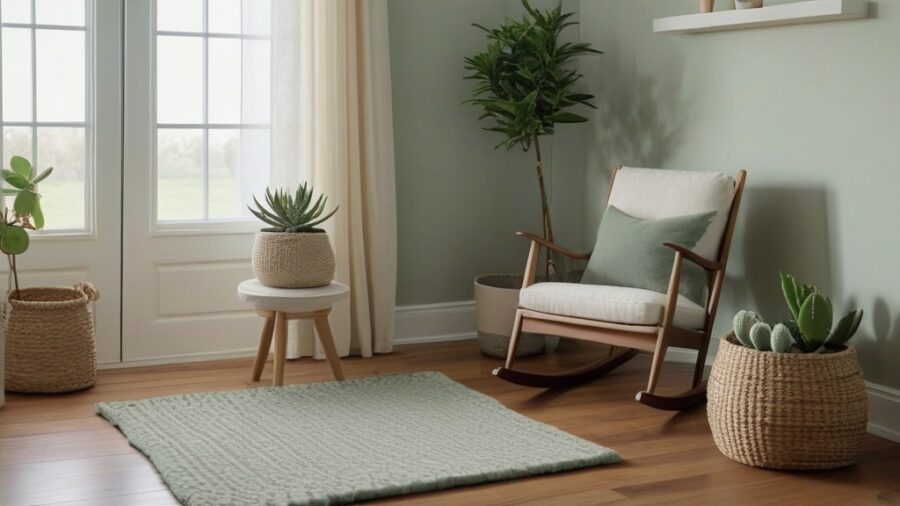
Introduction to Nursery Design
Designing a nursery for your baby is an exciting journey that sets the stage for a nurturing environment. A well-thought-out nursery design baby room not only enhances the aesthetics of your home but also provides a safe and functional space for your little one. As you embark on this journey, it is crucial to consider various elements that contribute to a harmonious atmosphere. This article will explore essential aspects of nursery design, ensuring that you create a comforting space for your baby.
From selecting the right color palette to incorporating safety features, every detail matters in nursery design. The nursery will likely be a place where your baby will spend significant time, making it vital to design a room that is both practical and visually appealing. Throughout this article, you will learn about the various factors to consider, including furniture selection, storage solutions, and personalization with decor.
Moreover, a nursery should not only cater to the needs of a newborn but also adapt as your child grows. Therefore, understanding how to design for future growth will ensure that the nursery remains functional in the years to come. Join us as we delve deeper into the intricacies of nursery design and discover how to create a beautiful and functional baby room.
Choosing the Right Color Palette
The color palette of a nursery plays a crucial role in setting the overall mood and atmosphere. When selecting colors, it is essential to consider the psychological effects of different hues on both babies and adults. Soft, pastel colors like light blues, greens, and pinks are often recommended for nursery design baby rooms because they create a calming environment, promoting relaxation and sleep. Conversely, vibrant colors can stimulate a child’s senses but should be used sparingly to avoid overstimulation.
Popular Color Schemes
- Pastel Colors: Soft pinks, blues, and yellows create a gentle and soothing atmosphere.
- Neutral Tones: Whites, beiges, and grays offer a timeless look while allowing for easy changes in decor.
- Accent Walls: Adding a bold color or wallpaper on one wall can create a focal point without overwhelming the space.
Incorporating Patterns and Textures
In addition to choosing a color palette, incorporating patterns and textures can enhance the visual interest of the nursery. Consider using patterned fabrics for curtains, rugs, or bedding to add depth and character to the room. Textured elements, such as knitted blankets or plush toys, can also create a cozy atmosphere that invites interaction and comfort.
Selecting Furniture for Functionality and Style
When it comes to nursery design baby rooms, selecting the right furniture is crucial for ensuring both functionality and style. The primary pieces of furniture typically include a crib, changing table, and storage solutions. Each piece should not only serve its purpose but also complement the overall design aesthetic of the room.
Essential Furniture Pieces
- Crib: The crib is the centerpiece of any nursery. Choose a crib that meets safety standards and fits your design theme. Convertible cribs that transform into toddler beds can also be a wise investment.
- Changing Table: A changing table is essential for diaper changes. Opt for a design that includes storage for diapers and wipes, making the process more efficient.
- Comfortable Seating: A rocking chair or glider provides a cozy spot for feeding and comforting your baby. Look for styles that match the room’s decor.
Multifunctional Furniture Options
In smaller spaces, consider multifunctional furniture that maximizes usability. For example, a changing table that doubles as a dresser can save space while providing essential storage. Similarly, cribs with built-in drawers or shelves can help keep baby essentials organized and accessible.
Incorporating Safety Features
Safety is paramount when designing a nursery. As your baby will spend a significant amount of time in the nursery, it is vital to incorporate safety features that protect your child from potential hazards. This includes ensuring that all furniture is stable and securely anchored to the walls to prevent tipping.
Safe Furniture Choices
When selecting furniture, prioritize pieces made from non-toxic materials and finishes. Look for cribs and changing tables that comply with safety standards set by organizations like the Consumer Product Safety Commission (CPSC). Additionally, avoid furniture with sharp edges or small parts that could pose choking hazards.
Childproofing the Nursery
- Install outlet covers to prevent electrical shocks.
- Secure cords from blinds or curtains to avoid entanglement.
- Keep heavy items out of reach to prevent accidents.
Creating a Comfortable Atmosphere
Creating a comfortable atmosphere in the nursery is essential for both the baby and the caregiver. A well-designed nursery should promote relaxation and calmness, making it easier for your baby to sleep and for you to bond during feeding and playtime.
Maximizing Natural Light
Natural light is an important aspect of any nursery design baby room. Position the crib and changing table to take advantage of natural light during the day. However, consider using blackout curtains to help create a dark environment for naps and nighttime sleep. This balance between light and darkness can contribute to better sleep patterns for your baby.
Temperature Control and Air Quality
Maintaining a comfortable temperature is crucial for a baby’s well-being. Ensure that the nursery is well-ventilated and monitor the temperature regularly. Using a fan or air purifier can help maintain air quality, which is important for the baby’s respiratory health. Additionally, consider using a humidifier during dry seasons to keep the air moist and comfortable.
Personalizing the Space with Decor
Personalizing the nursery with decor allows you to express your style while creating a unique space for your baby. Incorporating personal touches can make the nursery feel warm and inviting, enhancing the overall atmosphere. From wall art to sentimental items, there are numerous ways to personalize the space.
Wall Decor Ideas
- Framed artwork or photographs can add a personal touch to the walls.
- Wall decals or murals can create an engaging environment without the need for permanent changes.
- Gallery walls featuring a mix of art and personal photos can tell a story and provide visual interest.
Sentimental Touches
Consider incorporating sentimental items such as family heirlooms, handmade quilts, or personalized name signs that celebrate your baby’s identity. These elements not only enhance the decor but also create lasting memories for your family.
Storage Solutions for Baby Essentials
Efficient storage solutions are essential in a nursery to keep the space organized and functional. With the numerous items that come with having a baby, effective storage can help prevent clutter while making essential items easily accessible.
Creative Storage Ideas
- Bins and Baskets: Use decorative bins or baskets to store toys, clothes, and other essentials. Labeling these items can further enhance organization.
- Vertical Storage: Utilize wall shelves to store books and decorative items, freeing up floor space.
- Under-Crib Storage: Maximize the space under the crib with storage boxes or drawers designed to fit snugly beneath.
Regular Organization and Maintenance
Establishing a system for regularly organizing and maintaining the nursery will ensure that it remains a peaceful and functional space. Schedule regular decluttering sessions to remove items that are no longer needed and to keep the nursery fresh and inviting.
Designing for Future Growth
When designing a nursery, it is important to consider how the space can adapt as your child grows. A nursery should not only meet the needs of a newborn but also evolve to accommodate a toddler and beyond. Planning for future growth can save time and resources in the long run.
Flexible Furniture Options
Investing in flexible furniture options, such as convertible cribs and modular storage solutions, can make the transition smoother as your child grows. For example, a crib that converts into a toddler bed can be a cost-effective choice that eliminates the need for a new bed.
Creating a Multifunctional Space
- Design the nursery with separate zones for sleeping, playing, and reading to accommodate various activities as your child develops.
- Incorporate furniture that can serve multiple purposes, such as a desk that can be used for crafts as your child grows older.
Conclusion
Designing a nursery is a rewarding experience that requires careful thought and consideration. From choosing the right color palette and selecting functional furniture to incorporating safety features and personalizing the space, every aspect contributes to creating a nurturing environment. By prioritizing comfort and organization while planning for future growth, you can create a nursery that meets your child’s evolving needs.
Ultimately, the nursery should be a space where both you and your baby feel comfortable and connected. As you embark on this journey, remember to embrace your personal style and create a room that reflects your family’s unique identity. A thoughtfully designed nursery will not only serve your baby well but also become a cherished space for family memories.
FAQ
What are the best colors for a nursery?
Soft, pastel colors are often recommended for nurseries as they create a calming atmosphere. Colors like light blue, soft pink, and pale yellow can promote relaxation and are visually appealing for both babies and adults.
How can I make my nursery safe for my baby?
To ensure a safe nursery, choose furniture that meets safety standards and secure heavy items to the wall. Install outlet covers, keep cords out of reach, and avoid small items that could pose choking hazards.
What furniture do I really need for a nursery?
Essential furniture for a nursery includes a crib, changing table, and comfortable seating for caregivers. Additional storage solutions and multifunctional furniture can enhance the space’s usability.
How can I personalize my baby’s nursery?
Personalization can be achieved through wall decor, sentimental items, and custom accessories. Incorporating family photographs, artwork, and meaningful items can create a unique and inviting atmosphere.
What storage solutions work best in a nursery?
Using bins and baskets for organization, vertical shelving for books and decor, and under-crib storage options can help keep the nursery tidy. Regular decluttering also ensures the space remains functional.
Recap
- Choose calming colors for a soothing nursery environment.
- Invest in safe and functional furniture pieces.
- Incorporate safety features to protect your baby.
- Create a comfortable atmosphere with natural light and temperature control.
- Personalize the space with decor that reflects your style.
- Implement efficient storage solutions to prevent clutter.
- Design the nursery to adapt as your child grows.
- Regular maintenance is key to a well-organized nursery.
This content is informative and does not replace medical or psychological evaluation or treatment.