
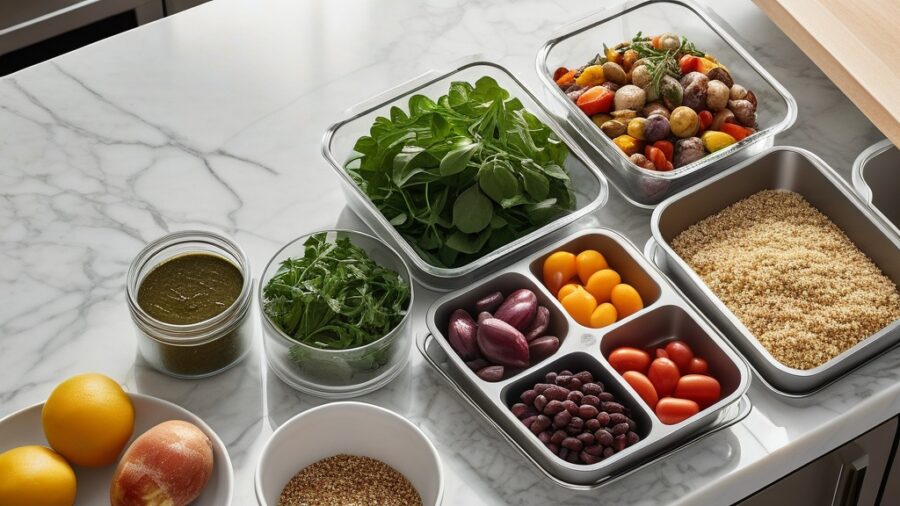
Meal Prep Weekly Efficiency: Maximizing Your Meal Preparation
In today’s fast-paced world, the concept of meal prep weekly efficiency has become increasingly popular among health-conscious individuals and busy professionals alike. Meal prepping not only saves time during the week but also promotes healthier eating habits. By dedicating a few hours on the weekend to prepare meals in advance, you can streamline your cooking routine and reduce the temptation to opt for unhealthy fast food. In this article, we will explore the benefits of meal prep, strategies for planning your meals, and essential tools to enhance your experience.
As you delve into the world of meal prepping, you’ll discover how to effectively plan your weekly meals, select the right containers, and implement strategies tailored to various dietary needs. With a focus on efficiency, our guide will help you transform your approach to cooking and dieting. By the end of this article, you will have a comprehensive understanding of how to optimize your meal prep routine, ensuring a healthy and satisfying week ahead.
Whether you’re looking to lose weight, save money, or simply eat better, mastering meal prep is a crucial step towards achieving your goals. Let’s embark on this journey to meal prep weekly efficiency and unlock the secrets to a healthier lifestyle.
Benefits of Meal Prep
Time Management
One of the most significant advantages of meal prep is its impact on time management. Allocating a few hours each week to prepare meals allows you to save precious time during busy weekdays. Studies indicate that individuals who engage in meal prep can reduce their daily cooking time by up to 50%. This efficiency not only frees up time for other activities but also minimizes stress associated with last-minute meal decisions.
Healthier Eating Habits
Meal prepping encourages healthier eating habits by allowing you to control portion sizes and ingredients. When you prepare meals in advance, you can focus on incorporating nutrient-dense ingredients and balanced macronutrients into your diet. This proactive approach can lead to improved overall health, weight management, and reduced cravings for unhealthy snacks. A well-planned meal prep can also support specific dietary needs, such as vegetarian, vegan, or gluten-free lifestyles.
- Promotes healthier food choices
- Reduces reliance on processed foods
- Helps maintain portion control
- Supports weight management goals
How to Plan Your Weekly Meals
Assessing Your Dietary Needs
Before diving into meal planning, it’s crucial to assess your dietary needs and preferences. Consider factors such as your caloric requirements, any food allergies, and personal taste preferences. This assessment will help you create a meal plan that is not only nutritious but also enjoyable. For instance, if you require a higher protein intake, you may want to focus on lean meats, legumes, and dairy products in your recipes.
Creating a Balanced Meal Plan
A well-structured meal plan should include a variety of food groups to ensure you receive a balanced diet. Aim to incorporate the following components:
- Proteins: Chicken, fish, tofu, beans
- Carbohydrates: Quinoa, brown rice, sweet potatoes
- Fruits and Vegetables: Spinach, broccoli, berries
- Healthy Fats: Avocado, nuts, olive oil
By diversifying your meals, you can keep your diet exciting while meeting your nutritional needs. Additionally, consider planning meals that can be easily mixed and matched to enhance variety throughout the week.
Essential Tools and Equipment for Meal Prepping
Kitchen Appliances
Investing in the right kitchen appliances can significantly improve your meal prep efficiency. Consider the following essential tools:
- Slow Cooker: Ideal for preparing stews and soups with minimal effort.
- Instant Pot: A versatile appliance that can cook meals quickly under pressure.
- Food Processor: Great for chopping vegetables and making sauces or dips.
Storage Containers
Choosing appropriate storage containers is crucial for keeping your prepped meals fresh. Look for containers that are:
- Microwave-safe: Allows for easy reheating.
- Leak-proof: Prevents spills during transportation.
- Stackable: Saves space in your refrigerator.
Glass containers are often preferred as they are durable and do not retain odors. Additionally, consider labeling your containers with dates to monitor freshness and minimize food waste.
Meal Prep Strategies for Different Diets
Vegetarian and Vegan Meal Prep
For those following a vegetarian or vegan diet, meal prep can be tailored to ensure adequate protein and nutrient intake. Focus on incorporating a variety of plant-based proteins such as:
- Legumes (lentils, beans, chickpeas)
- Tofu and tempeh
- Nuts and seeds
Keto and Low-Carb Meal Prep
Individuals following a keto or low-carb diet should prioritize meals high in healthy fats and proteins while minimizing carbohydrate intake. Meal ideas may include:
- Grilled chicken with avocado salad
- Cauliflower rice stir-fry
- Egg muffins with spinach and cheese
When prepping for these diets, focus on whole foods and avoid processed products that can be high in hidden sugars and carbs.
Storing and Reheating Your Prepped Meals
Proper Storage Techniques
Proper storage is essential to ensure the longevity and safety of your prepped meals. Always allow cooked food to cool to room temperature before sealing in containers to prevent condensation, which can lead to spoilage. Store meals in the refrigerator if you plan to consume them within a few days, or freeze them for longer storage.
Reheating Recommendations
When reheating your meals, it’s important to do so safely. Use the following methods:
- Microwave: Quick and convenient, but ensure even heating to avoid cold spots.
- Oven: Ideal for crispy dishes, preheat and cover with foil to retain moisture.
- Stovetop: Great for soups and stews, simply warm over medium heat.
Ensure that all reheated meals reach an internal temperature of at least 165°F (74°C) to ensure food safety.
Common Mistakes to Avoid in Meal Prep
Overcomplicating Recipes
One common mistake many meal preppers make is attempting overly complex recipes. While it can be tempting to try new and intricate dishes, simplicity is key for weekly efficiency. Stick to straightforward recipes that require minimal ingredients and preparation time to maximize your efforts.
Neglecting Food Safety
Food safety should always be a priority during meal prep. Avoid leaving prepped meals out at room temperature for extended periods, and always refrigerate or freeze leftovers promptly. Be mindful of expiration dates and consume older meals first to reduce waste.
- Store meals in airtight containers
- Label containers with dates
- Practice FIFO (First In, First Out) to manage meal consumption
Conclusion and Key Takeaways
In conclusion, mastering meal prep weekly efficiency can greatly enhance your cooking routine and promote healthier eating habits. By understanding the benefits of meal prep, planning your meals effectively, and utilizing essential tools, you can streamline your cooking process and enjoy nutritious meals throughout the week. Remember to avoid common mistakes and prioritize food safety to maximize the effectiveness of your meal prepping efforts.
As you implement these strategies, you will likely find that meal prepping not only saves time and money but also contributes to a healthier lifestyle. Embrace the journey towards efficient meal preparation and enjoy the rewards of your efforts.
Frequently Asked Questions about Meal Prep
1. How long do meal-prepped meals last in the fridge?
Generally, meal-prepped meals can last in the refrigerator for about 3 to 4 days. To ensure freshness, always store meals in airtight containers and consume older meals first.
2. Can I freeze all types of meals?
While most cooked meals can be frozen, some ingredients, like certain vegetables and creamy sauces, may not retain their texture after freezing. It’s best to research specific recipes for freezing guidance.
3. How do I prevent my meals from getting boring?
To keep your meals exciting, try rotating your recipes weekly, incorporating various herbs and spices, or experimenting with different cooking methods. This variety will help maintain your interest in meal prepping.
4. Is meal prepping expensive?
Meal prepping can actually save you money in the long run by reducing food waste and eliminating the need for expensive takeout. By planning ahead and buying ingredients in bulk, you can optimize your grocery budget.
5. Can meal prep help with weight loss?
Yes, meal prep can contribute to weight loss by promoting healthier eating habits and portion control. By having nutritious meals readily available, you’re less likely to make impulsive, unhealthy food choices.
- Meal prep saves time and reduces stress.
- Healthy eating habits can be established through meal prep.
- Assess dietary needs before planning meals.
- Invest in essential kitchen tools and storage containers.
- Follow proper storage and reheating techniques.
- Avoid common meal prep mistakes for better efficiency.
- Meal prepping can save money and aid in weight loss.
This content is informative and does not substitute for medical or psychological evaluation or treatment.