
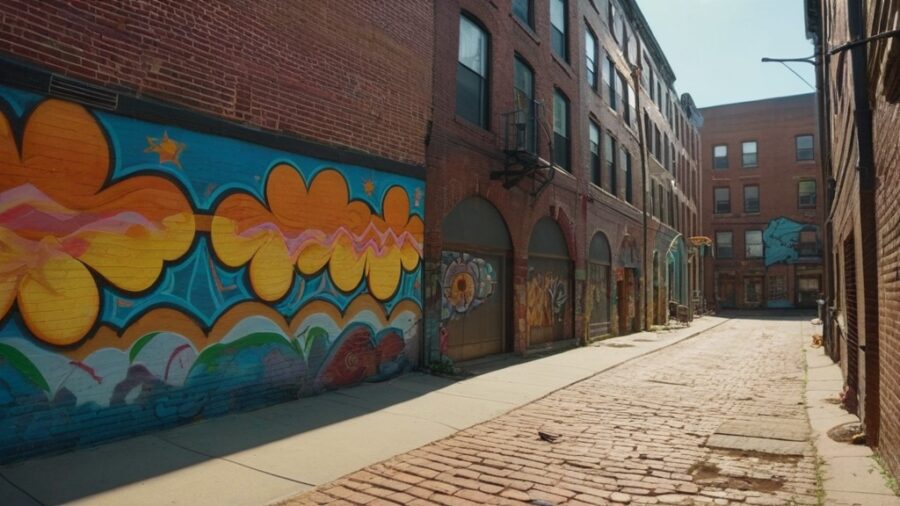
Street Art Travel Cities: A Comprehensive Guide
As urban landscapes evolve, they become vibrant canvases for creativity, self-expression, and cultural dialogue. Street art travel cities have emerged as focal points for enthusiasts and travelers alike, who seek to explore the intersection of art and urban life. This guide will take you through the significance of street art in contemporary culture, highlight the top cities renowned for their street art, and provide insights on how to plan an unforgettable street art travel experience.
Throughout this article, we will delve into the rich tapestry of urban art, showcasing its role in community identity and social movements. Whether you are an avid art lover or just curious about the artistic expressions that adorn city walls, this guide promises to enhance your understanding and appreciation of street art in various cultures.
From the colorful murals of Berlin to the intricate stencils of São Paulo, street art not only beautifies cities but often serves as a critical commentary on social issues. As we navigate the world of street art, you will learn how to engage with local artists, discover hidden gems, and understand the future trajectory of this dynamic form of expression.
The Significance of Street Art in Urban Culture
Art as a Reflection of Society
Street art serves as a mirror reflecting the complexities of urban life. It captures social issues, cultural movements, and the everyday experiences of city dwellers. For instance, in cities like New York, artists like Banksy and Shepard Fairey have used their platforms to critique consumerism and political injustices. The importance of street art is not merely aesthetic; it engages communities in dialogue and provokes thought about pressing societal matters.
Moreover, street art can rejuvenate neglected neighborhoods, transforming them into vibrant cultural hubs. In places like Wynwood, Miami, once a decrepit warehouse district, has now evolved into a renowned art district, attracting tourists and locals alike. This transformation demonstrates how art can inspire community revitalization and enhance local economies.
Fostering Community Identity
Street art plays a critical role in shaping community identity. Artists often draw inspiration from their surroundings, utilizing local narratives, symbols, and histories in their work. This connection fosters a sense of belonging among residents and invites visitors to engage with the local culture. For instance, the murals in the Mission District of San Francisco celebrate the neighborhood’s rich Latino heritage, showcasing cultural pride and history through vibrant artwork.
Additionally, many cities host street art festivals that bring together artists from around the world, creating a platform for cultural exchange. Events like the Urbanscapes Festival in Malaysia or the International Mural Festival in Canada are examples of how street art can unify diverse communities and promote cultural understanding.
Top Cities for Street Art Enthusiasts
1. Berlin, Germany
Berlin is often hailed as the street art capital of the world. The city boasts an extensive array of murals, graffiti, and installations, each telling its own story. The famous East Side Gallery, a 1.3-kilometer stretch of the Berlin Wall, features 105 paintings by artists from around the globe, making it a must-visit for any street art enthusiast.
Moreover, neighborhoods like Kreuzberg and Friedrichshain are teeming with street art, where you can find works by renowned artists such as Blu and El Bocho. Berlin’s dynamic art scene not only reflects its tumultuous history but also celebrates its spirit of resistance and creativity.
2. São Paulo, Brazil
São Paulo is a vibrant canvas known for its large-scale murals and graffiti. The city has embraced street art as a form of public expression, with artists like Eduardo Kobra and Os Gêmeos gaining international acclaim. Their stunning works often explore themes of identity, culture, and social issues.
The neighborhood of Beco do Batman in Vila Madalena is a hotspot for street art, featuring colorful murals that attract both locals and tourists. São Paulo’s graffiti culture is so significant that it has led to initiatives promoting street art as a legitimate form of artistic expression, showcasing the city’s commitment to preserving this dynamic art form.
3. Melbourne, Australia
Melbourne is renowned for its street art scene, with laneways adorned with vibrant murals and intricate stencils. Hosier Lane is perhaps the most famous street art destination in the city, where the walls are ever-changing, reflecting the city’s creative energy. Artists such as Rone and Adnate have left their mark with stunning portraits and thought-provoking pieces.
The city celebrates its street art through festivals and events, creating a supportive environment for local artists. Melbourne’s commitment to street art is evident in its art initiatives, which encourage creativity while maintaining a dialogue about the role of art in urban spaces.
| City | Highlights | Notable Artists |
|---|---|---|
| Berlin | East Side Gallery, Kreuzberg Murals | Banksy, Blu |
| São Paulo | Beco do Batman, Vila Madalena | Eduardo Kobra, Os Gêmeos |
| Melbourne | Hosier Lane, Street Art Festivals | Rone, Adnate |
How to Plan Your Street Art Travel Experience
Research and Itinerary Planning
Planning your street art travel experience begins with thorough research. Identify the cities renowned for their street art scenes and create an itinerary that balances exploration with relaxation. Use social media platforms like Instagram to discover trending street art locations and artists in the cities you plan to visit.
Consider joining guided street art tours, which are often led by local artists or enthusiasts who can provide insights into the history and cultural significance of the works. These tours can enhance your appreciation and understanding of the art you encounter.
Documenting Your Journey
As you embark on your street art adventure, consider documenting your journey through photography or journaling. Capture the vibrant colors and intricate details of the artwork, and reflect on the emotions and thoughts they evoke. Sharing your experiences on social media can also contribute to the ongoing dialogue about street art and inspire others to explore.
Additionally, engaging with local communities can enrich your experience. Attend street art festivals or workshops to connect with artists and fellow enthusiasts, fostering a sense of community and shared passion for urban art.
Engaging with Local Artists and Communities
Building Connections Through Events
Engaging with local artists is a crucial aspect of experiencing street art culture. Attend community events, art openings, and mural unveilings to meet artists and learn about their creative processes. These interactions can deepen your understanding of the stories behind the art.
Participating in workshops or collaborative projects can also provide hands-on experience in street art techniques. Many cities offer opportunities for visitors to contribute to mural projects, fostering a sense of ownership and connection to the community.
Supporting Local Art Initiatives
Supporting local art initiatives is essential for sustaining the street art scene. Purchase prints or merchandise from local artists, or donate to community art projects that aim to promote public art. Many organizations work to provide resources and platforms for emerging artists, ensuring that street art continues to thrive.
By investing in the local art community, you help maintain the vibrancy of the urban landscape and encourage new generations of artists to express themselves through street art.
The Future of Street Art in Urban Environments
Technological Innovations and Street Art
The future of street art is closely intertwined with technological advancements. Artists are increasingly utilizing digital tools and augmented reality to enhance their work. Projects that incorporate technology, such as interactive murals or digital projections, challenge traditional notions of street art and expand its reach.
Moreover, social media plays a pivotal role in promoting street art. Platforms like Instagram allow artists to showcase their work to a global audience, connecting them with fans and potential collaborators. This visibility can lead to increased opportunities and recognition for artists, further shaping the future of urban art.
Street Art as a Tool for Activism
Street art has long been a medium for activism, addressing various social and political issues. As urban environments continue to grapple with challenges such as inequality, climate change, and political unrest, street art serves as a powerful tool for advocacy and awareness.
In the coming years, we can expect to see street artists increasingly using their platforms to address pressing issues, creating murals and installations that inspire dialogue and action. This evolution reinforces the significance of street art as a vital component of urban culture and social commentary.
Conclusion
Street art travel cities offer a unique lens through which to explore urban culture, creativity, and community engagement. As we have seen, the significance of street art extends beyond mere aesthetics; it reflects societal issues, fosters community identity, and inspires change. By visiting cities like Berlin, São Paulo, and Melbourne, travelers can immerse themselves in the rich narratives woven into the fabric of street art.
Planning your street art journey involves research, engagement with local communities, and support for artists. As street art continues to evolve, it remains a powerful medium for expression and activism, shaping the future of urban environments. Embrace the opportunity to explore these vibrant cities and discover the stories that lie within their walls.
FAQ about Street Art Travel
1. What is street art?
Street art is a form of visual art created in public spaces, often characterized by its accessibility and engagement with social issues. It encompasses various styles, including murals, graffiti, stencils, and installations.
2. Is street art legal?
The legality of street art varies by location. While some cities embrace and designate areas for street art, others may consider it vandalism. It’s essential to research local laws and regulations before creating or displaying street art.
3. How can I find street art in a new city?
To discover street art in a new city, consider joining guided tours, using social media platforms like Instagram for inspiration, or exploring neighborhoods known for their art scenes. Local art blogs and websites can also provide valuable insights.
4. Can I participate in street art events?
Many cities host street art festivals, workshops, and collaborative projects that welcome participation from the community. Engaging in these events is a great way to connect with local artists and learn more about the craft.
5. How does street art contribute to urban culture?
Street art contributes to urban culture by reflecting community identity, addressing social issues, and enhancing public spaces. It fosters dialogue among residents and visitors, promoting cultural exchange and artistic expression.
Recap of Key Points
- Street art serves as a reflection of societal issues and community identity.
- Top cities for street art include Berlin, São Paulo, and Melbourne.
- Planning a street art travel experience involves research and engagement with local artists.
- Supporting local art initiatives is crucial for sustaining the street art scene.
- The future of street art is influenced by technology and activism.
This content is informative and does not substitute for medical or psychological evaluation or treatment.