
Art Deco Design Elegance: An Overview
Art Deco design elegance represents a unique blend of style, sophistication, and historical significance that emerged in the early 20th century. This artistic movement is not just about aesthetics; it encapsulates a cultural shift that took place during a time of great change. In this article, we will explore the origins, key characteristics, and enduring influence of Art Deco design, revealing how it has shaped various aspects of modern life.
As we delve into the historical background of Art Deco, you’ll discover how this design style evolved from earlier artistic movements like Art Nouveau and how it became a symbol of luxury and modernity. Additionally, we will examine the key characteristics that define Art Deco and its impact on architecture, fashion, and interior design.
Through this exploration, we aim to provide a comprehensive understanding of Art Deco design elegance, illustrating its lasting impact on contemporary aesthetics. Whether you’re an enthusiast or a newcomer to this design language, this article promises to enhance your appreciation for Art Deco and its significance in the modern world.
Historical Background of Art Deco
The Birth of Art Deco
The Art Deco movement emerged in France just before World War I and gained widespread popularity in the 1920s and 1930s. The name “Art Deco” was derived from the 1925 Exposition Internationale des Arts Décoratifs et Industriels Modernes held in Paris, which showcased the new style that combined traditional craftsmanship with modern materials and production techniques. This period marked a departure from the ornate designs of the previous era, embracing geometric shapes, bold colors, and streamlined forms.
During the 1920s, the world was undergoing significant social and technological changes. The aftermath of World War I sparked a desire for innovation and a break from conventional norms. The Jazz Age, characterized by economic prosperity and cultural experimentation, also influenced the aesthetics of Art Deco. Designers sought to create pieces that reflected the optimism and dynamism of the time, leading to a flourishing of creative expression.
Art Deco’s Global Spread
By the 1930s, Art Deco had spread beyond France, influencing design in countries like the United States, Canada, and even Brazil. The American interpretation of Art Deco, often referred to as “Streamline Moderne,” emphasized a futuristic look with smooth lines and aerodynamic shapes. Iconic examples of American Art Deco include the Chrysler Building in New York City and the Miami Beach Architectural District, known for its pastel-colored buildings.
In contrast, countries like Brazil embraced Art Deco with local materials and cultural motifs, creating a unique fusion that highlighted their heritage. Notable structures like the Ministry of Education and Health in Rio de Janeiro showcase the Brazilian take on Art Deco, blending modernism with traditional elements.
Key Characteristics of Art Deco Design
Visual Elements and Aesthetics
Art Deco is characterized by its distinct visual elements that set it apart from other design movements. One of the most prominent features is the use of geometric shapes and patterns. Designers often employed zigzags, chevrons, and sunburst motifs, creating a sense of dynamism and movement. Bold colors, such as rich golds, deep blues, and vibrant reds, were commonly used to evoke luxury and opulence.
Materials also played a significant role in the Art Deco aesthetic. The movement embraced modern materials like chrome, glass, and plastic, integrating them into design alongside traditional materials such as wood and stone. This combination allowed for innovative forms and structures that reflected the technological advancements of the time.
Symbolism and Themes
Art Deco often incorporated themes of modernity, speed, and luxury. The movement celebrated progress and the machine age, with many designs featuring motifs related to aviation, automobiles, and the industrial revolution. This emphasis on the modern world was a response to the changing social landscape, where people sought to express their aspirations and desires through art and design.
- Geometric shapes: Zigzags, chevrons, and sunburst patterns.
- Bold colors: Rich golds, deep blues, and vibrant reds.
- Innovative materials: Chrome, glass, and plastics combined with traditional materials.
Influence of Art Deco on Modern Architecture
Architectural Innovations
The influence of Art Deco on modern architecture is profound and far-reaching. Many of the principles established during the Art Deco period can still be seen in contemporary buildings. For instance, the emphasis on geometric forms and decorative details continues to inspire architects who seek to create visually impactful structures. The use of symmetry, which was prevalent in Art Deco design, remains a cornerstone of architectural aesthetics.
Several iconic buildings, such as the Empire State Building and the GE Building, exemplify the Art Deco style and its impact on urban landscapes. These structures not only showcase the elegance of Art Deco but also highlight the practicality of incorporating modern materials and techniques into architectural design.
Modern Interpretations
In recent years, there has been a resurgence of interest in Art Deco-inspired architecture. Contemporary architects are revisiting the principles of this design movement, infusing them with modern functionality and sustainability. This revival can be seen in various projects that pay homage to the elegance of Art Deco while adapting to the needs of today’s society.
For example, the renovation of historic Art Deco buildings often involves preserving their original features while integrating energy-efficient technologies. This approach not only celebrates the beauty of the past but also ensures that these structures remain relevant in a modern context.
Art Deco in Fashion: A Glimpse into the Past
Fashion Trends of the Art Deco Era
The Art Deco movement had a significant impact on fashion, influencing styles that emphasized elegance, glamour, and modernity. The 1920s saw the rise of women’s fashion that embraced more relaxed silhouettes, departing from the restrictive corsets of the previous decades. Designers like Coco Chanel and Paul Poiret played pivotal roles in shaping this new aesthetic, incorporating Art Deco elements into their collections.
Key fashion items from the Art Deco era included drop-waist dresses, beaded evening gowns, and tailored suits for men. Fabrics such as silk, satin, and velvet were commonly used, often adorned with intricate patterns and embellishments that reflected the geometric designs associated with Art Deco.
Iconic Fashion Designers
Several designers became synonymous with Art Deco fashion, leaving a lasting legacy that continues to influence contemporary styles. For instance, Elsa Schiaparelli was known for her avant-garde designs that often incorporated surrealist elements, while Madeleine Vionnet revolutionized women’s clothing with her bias-cut techniques that allowed for fluid movement.
- Coco Chanel: Introduced relaxed silhouettes and modern fabrics.
- Paul Poiret: Pioneered the use of draped fabrics and exotic patterns.
- Elsa Schiaparelli: Known for surrealist-inspired designs.
The Role of Art Deco in Interior Design
Interior Aesthetics and Style
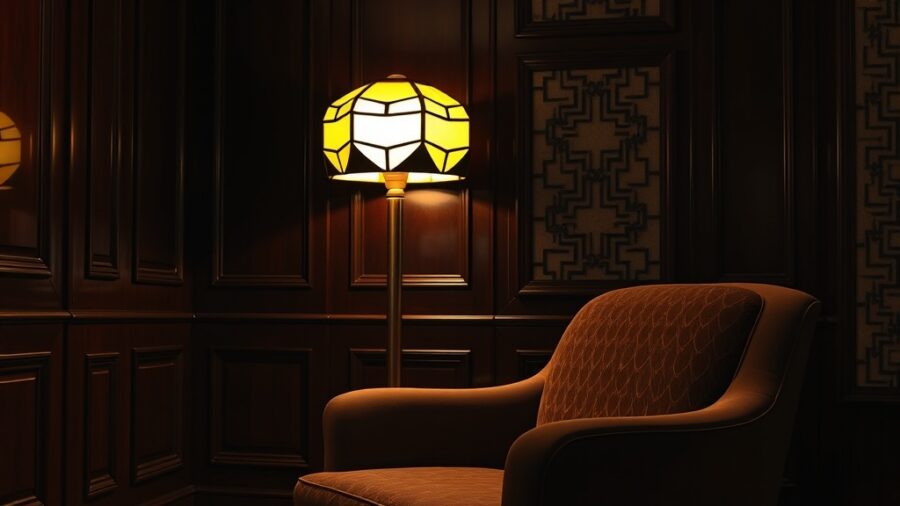
Art Deco’s influence on interior design is evident in its emphasis on luxury and sophistication. The movement’s interiors often featured bold geometric patterns, rich color palettes, and luxurious materials. Luxurious textiles such as silk, velvet, and leather were commonly used, enhancing the overall sense of elegance.
Furniture designs from the Art Deco era were also notable for their clean lines and functional forms. Pieces often incorporated exotic woods, chrome, and glass, exemplifying the era’s commitment to modernity. Iconic furniture designers like Emile-Jacques Ruhlmann created masterpieces that are still celebrated today.
Art Deco in Contemporary Interior Design
Today, Art Deco continues to inspire interior designers who seek to create spaces that evoke a sense of glamour and luxury. Many modern homes and commercial spaces incorporate Art Deco elements, blending them with contemporary styles. For instance, the use of geometric wallpaper, mirrored surfaces, and metallic accents can transport a room back to the elegance of the Art Deco era while maintaining a fresh and modern feel.
| Art Deco Features | Contemporary Interpretations |
|---|---|
| Geometric Patterns | Modern wallpapers and textiles |
| Luxurious Materials | Sustainable luxury materials |
| Bold Color Palettes | Muted tones with bold accents |
Conclusion: The Lasting Impact of Art Deco Design
In conclusion, Art Deco design elegance represents a pivotal moment in the history of art and architecture, one that continues to resonate in the modern world. Its unique blend of luxury, modernity, and craftsmanship has left an indelible mark on various fields, including architecture, fashion, and interior design. The movement’s emphasis on geometric forms, rich materials, and innovative techniques paved the way for future design trends, ensuring that Art Deco remains a source of inspiration for generations to come.
As we reflect on the enduring legacy of Art Deco, it is essential to recognize its role in shaping our understanding of elegance and style. The principles established during this era continue to influence contemporary design, reminding us of the beauty that emerges from the fusion of art and functionality.
Frequently Asked Questions about Art Deco
What is Art Deco design?
Art Deco design is an artistic movement that emerged in the early 20th century, characterized by its bold geometric shapes, rich colors, and luxurious materials. It reflects a cultural shift towards modernity and innovation, influencing various fields such as architecture, fashion, and interior design.
When did the Art Deco movement begin?
The Art Deco movement began in France before World War I and gained prominence during the 1920s and 1930s. It was officially named after the 1925 Exposition Internationale des Arts Décoratifs et Industriels Modernes in Paris, which showcased the style’s innovative designs.
How has Art Deco influenced modern architecture?
Art Deco has significantly influenced modern architecture by introducing principles such as geometric forms, symmetry, and the use of modern materials. Many contemporary architects draw inspiration from Art Deco to create visually striking buildings that honor this design legacy.
Who were the key fashion designers of the Art Deco era?
Notable fashion designers of the Art Deco era include Coco Chanel, Paul Poiret, and Elsa Schiaparelli. These designers contributed to the evolution of fashion by incorporating Art Deco elements into their collections, emphasizing elegance and modernity.
What are some common characteristics of Art Deco interior design?
Common characteristics of Art Deco interior design include bold geometric patterns, luxurious materials, and rich color palettes. The furniture often features clean lines, chrome, and exotic woods, reflecting the elegance and sophistication of the movement.
Recap of Art Deco Design Elegance
- Art Deco emerged in the early 20th century, showcasing a blend of modernity and luxury.
- The movement is characterized by geometric shapes, bold colors, and innovative materials.
- Art Deco has significantly influenced modern architecture, fashion, and interior design.
- Key figures in Art Deco fashion include Coco Chanel and Paul Poiret.
- Art Deco continues to inspire contemporary designers and architects worldwide.
- The movement’s legacy is evident in many iconic structures and designs today.
- Art Deco represents a cultural shift that celebrates innovation and craftsmanship.
- Its elegance and sophistication remain timeless, captivating audiences across generations.