
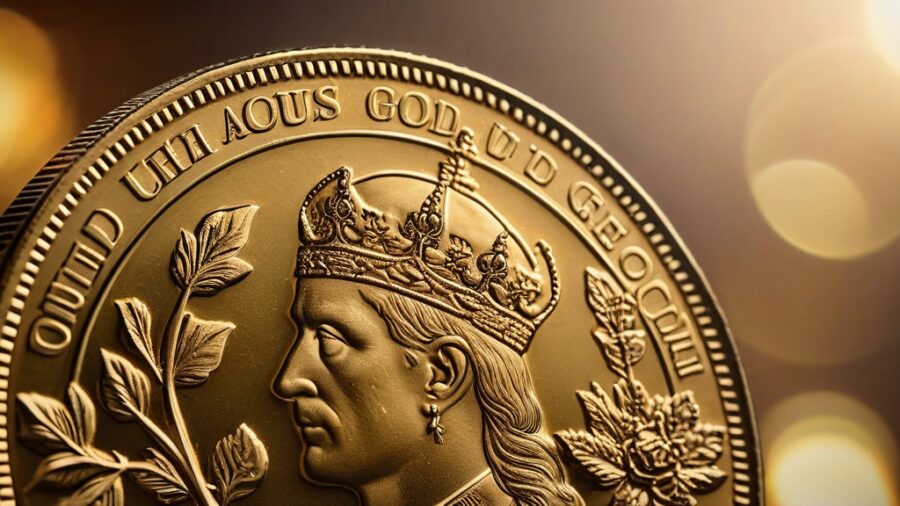
Introduction to Precious Metals Certification Authenticity
The world of precious metals is as fascinating as it is complex, particularly when it comes to certification authenticity. As the demand for gold, silver, platinum, and other precious metals continues to rise, ensuring the authenticity of these valuable assets becomes paramount for investors and collectors alike. This article aims to delve into the intricacies of precious metals certification, exploring its significance and the various elements that contribute to verifying authenticity.
In this comprehensive guide, you will learn about the different types of certifications available, the role of third-party authorities in the certification process, and how to identify genuine precious metals. Additionally, we will discuss common counterfeiting techniques and the importance of maintaining proper documentation. By the end of this article, you will have a thorough understanding of precious metals certification authenticity and how to safeguard your investments.
Whether you are a seasoned investor or a newcomer to the precious metals market, understanding certification authenticity is essential. It not only protects your financial interests but also contributes to the overall integrity of the market. Join us as we explore this crucial aspect of precious metal investment.
Understanding Precious Metals Certification
What is Precious Metals Certification?
Precious metals certification is a process that verifies the authenticity and quality of precious metals. This process typically involves an examination and appraisal by accredited professionals, ensuring that the metal in question meets specific standards of purity and weight. Certification is crucial for establishing trust between buyers and sellers in the market.
Certification is often accompanied by a certificate that details essential information about the metal, including its weight, purity level, and the method of testing used. This documentation serves as proof of authenticity and is vital for resale purposes. Without proper certification, precious metals can be easily misrepresented, leading to significant financial losses.
Types of Precious Metals Certifications
There are various types of certifications available in the market, each serving a different purpose. Here are some of the most common types:
- Assay Certificates: These are issued by assay offices and confirm the metal’s purity and weight.
- Grading Certificates: Typically issued for numismatic coins, these certificates assess the quality and condition of the coins.
- Authentication Certificates: These certificates verify that the metal has been tested and meets the required standards for authenticity.
Each type of certification plays a crucial role in the precious metals market, ensuring that buyers can trust the products they purchase. Understanding these differences will help you make informed decisions when investing in precious metals.
The Role of Third-Party Certification Authorities
Importance of Third-Party Validators
Third-party certification authorities play a vital role in ensuring the authenticity of precious metals. These independent entities conduct rigorous testing and evaluation to verify the quality and purity of the metals. By acting as unbiased validators, they enhance the credibility of the certification process.
Reputable certification authorities have established protocols and standards for testing precious metals. They employ advanced technologies and methodologies to ensure accurate results. Moreover, their findings are often recognized and accepted globally, providing an added layer of security for investors.
Choosing the Right Certification Authority
Selecting a trustworthy third-party certification authority is crucial for ensuring the authenticity of your precious metals. When choosing an authority, consider the following factors:
- Reputation: Look for authorities with a solid track record and positive reviews from clients.
- Accreditation: Ensure that the authority is accredited by relevant industry organizations.
- Transparency: A reputable authority should provide clear information about their testing processes and standards.
By carefully vetting certification authorities, you can avoid potential pitfalls and ensure that your investments are protected.
Key Features of Authentic Precious Metals
Purity and Composition
One of the primary indicators of authentic precious metals is their purity. For example, gold is typically measured in karats, with 24 karats representing pure gold. Silver, on the other hand, is often expressed as a percentage, with 99.9% silver being considered pure. Understanding these measures is essential for evaluating the authenticity of precious metals.
The composition of the metal also plays a significant role. Authentic precious metals will have specific alloy compositions that affect their color, weight, and overall appearance. For instance, white gold is an alloy of gold and other metals like palladium or nickel, which can impact its color and durability.
Physical Characteristics
Authentic precious metals exhibit specific physical characteristics that can help identify them. Some of these features include:
- Weight: Genuine precious metals have a specific weight that corresponds to their purity and size.
- Color: The color of the metal should be consistent with its known characteristics. For example, pure gold has a distinct yellow hue.
- Markings: Authentic precious metals often have markings or stamps indicating their purity and origin.
Being familiar with these key features can aid in the identification of authentic precious metals, allowing you to make informed purchasing decisions.
Common Counterfeit Techniques and How to Spot Them
Understanding Counterfeit Methods
As the demand for precious metals grows, so does the prevalence of counterfeiting. Understanding common counterfeit techniques is essential for protecting your investments. Some prevalent methods include:
- Fake Stamps: Counterfeiters often use fake stamps or markings to mimic the appearance of genuine precious metals.
- Weight Manipulation: Some counterfeit products may appear genuine but have altered weights.
- Plating: Lower-quality metals may be plated with a thin layer of precious metal to create the illusion of authenticity.
Being aware of these techniques can help you avoid falling victim to counterfeit products in the market.
How to Spot Counterfeit Precious Metals
Identifying counterfeit precious metals can be challenging, but there are several methods you can employ to verify authenticity:
- Magnet Test: Authentic precious metals are generally non-magnetic, so a magnet can help identify fakes.
- Acid Test: This test involves applying a small amount of acid to the metal to determine its purity.
- Visual Inspection: Carefully examine the metal for any inconsistencies in weight, color, or markings.
By utilizing these techniques, you can significantly reduce the risk of purchasing counterfeit precious metals.
The Importance of Documentation in Certification
Role of Documentation
Proper documentation is an essential component of the precious metals certification process. It provides a record of the metal’s authenticity and serves as proof of its value. This documentation often includes assay certificates, grading reports, and authentication certificates, all of which are pivotal when buying or selling precious metals.
Documentation not only aids in the verification of authenticity but also enhances the marketability of the precious metals. Buyers are more likely to invest in metals that come with comprehensive documentation, as it assures them of their quality and value.
Maintaining Documentation
It is vital to keep all documentation related to your precious metals in a safe and organized manner. Here are some tips for maintaining your documentation:
- Digital Copies: Consider creating digital copies of all certificates and documents for easy access.
- Physical Storage: Store physical documents in a secure location, such as a safe or safety deposit box.
- Regular Updates: Ensure that all documentation is up to date and reflects any changes in the status of the metal.
By maintaining thorough and organized documentation, you can enhance the security and value of your precious metals investment.
Maintaining Value Through Proper Certification
The Impact of Certification on Value
Proper certification plays a significant role in maintaining the value of precious metals. Certified metals typically command higher prices in the market, as buyers are more confident in their authenticity and quality. This trust can lead to better resale opportunities and a more stable investment.
Furthermore, as the market for precious metals continues to evolve, having certified pieces can provide a competitive edge. Collectors and investors often seek out certified metals, as they are easier to sell and trade.
Long-term Investment Strategies
To maximize the value of your precious metals investments, consider the following long-term strategies:
- Diversification: Diversify your portfolio by investing in various types of precious metals.
- Regular Appraisals: Have your metals appraised regularly to ensure that their value is accurately reflected.
- Stay Informed: Keep abreast of market trends and changes in precious metals certification standards.
By employing these strategies, you can maintain and potentially enhance the value of your precious metals over time.
Conclusion: Ensuring Authenticity in Precious Metals
In conclusion, understanding precious metals certification authenticity is vital for anyone involved in the precious metals market. From recognizing the various types of certifications to identifying counterfeit techniques, this knowledge empowers you to make informed decisions regarding your investments. Proper certification not only protects your financial interests but also contributes to the overall integrity of the market.
As you navigate this complex landscape, remember the importance of working with reputable third-party certification authorities and maintaining thorough documentation. By doing so, you can ensure that your precious metals remain valuable and authentic for years to come.
FAQ About Precious Metals Certification Authenticity
What is the purpose of precious metals certification?
The primary purpose of precious metals certification is to verify the authenticity and quality of the metals. This process helps establish trust between buyers and sellers, ensuring that the metals meet specific standards of purity and weight.
How can I tell if my precious metals are certified?
Certified precious metals typically come with accompanying documentation, such as assay certificates or grading reports. You can also check for markings or stamps that indicate the certification authority.
What should I do if I suspect my precious metals are counterfeit?
If you suspect that your precious metals may be counterfeit, consider having them evaluated by a reputable third-party certification authority. They can conduct tests to verify authenticity and provide you with the necessary documentation.
How does certification impact the resale value of precious metals?
Certification significantly impacts the resale value of precious metals. Certified metals are generally more marketable and command higher prices, as buyers are more confident in their authenticity and quality.
Can I get my precious metals certified after purchase?
Yes, it is possible to have your precious metals certified after purchase. You can submit them to a reputable third-party certification authority for evaluation and certification, which can enhance their value and marketability.
Recap
- Understanding precious metals certification is essential for ensuring authenticity.
- Third-party certification authorities play a vital role in validating precious metals.
- Key features of authentic metals include purity, weight, and physical characteristics.
- Awareness of common counterfeit techniques can help protect your investments.
- Proper documentation is crucial for maintaining value and marketability.
- Long-term investment strategies can enhance the worth of your precious metals.
- Certification impacts resale value and enhances buyer confidence.
- You can have your metals certified post-purchase for added security.