
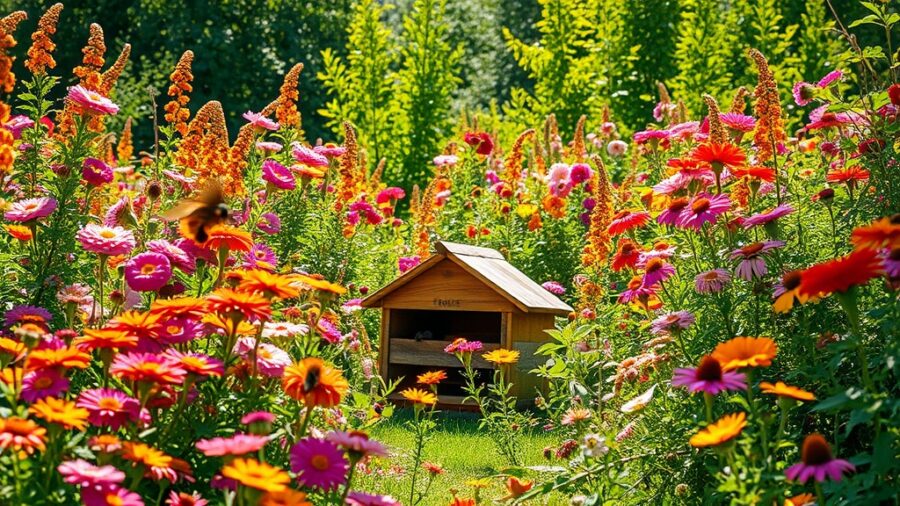
Introduction to Beekeeping in Gardens
Beekeeping has evolved from a traditional agricultural practice into a vital element of sustainable gardening. The concept of integrating beekeeping garden honey production not only enhances the yield of garden plants but also promotes biodiversity and ecological balance. This article will delve into the essentials of creating a thriving beekeeping garden, focusing on the techniques and knowledge required for successful honey production.
As urbanization continues to spread and natural habitats diminish, many gardeners are turning to beekeeping as a means to support pollinator populations while enjoying the sweet rewards of honey. This guide will provide you with comprehensive insights on how to set up a beekeeping garden, including the best plants to grow, suitable bee species, essential equipment, and maintenance practices.
By the end of this article, readers will gain valuable knowledge on the art of beekeeping in their own backyards, along with practical tips on overcoming common challenges. Whether you are a novice or someone looking to expand your gardening repertoire, this guide will serve as your roadmap to successful honey production.
Choosing the Right Location for Your Beekeeping Garden
One of the most critical aspects of establishing a successful beekeeping garden is selecting the right location. The ideal site should offer a combination of sunlight, shelter, and accessibility. Bees thrive in warm environments, so a location that receives at least six hours of sunlight daily is essential for promoting healthy hives and maximizing honey production.
Sunlight and Shelter
When choosing a spot for your beekeeping garden, consider areas that receive ample sunlight throughout the day. However, it’s equally important to provide some shelter from harsh winds and heavy rain, as these conditions can stress the bees. Planting trees or shrubs around your garden can create a natural windbreak while also providing a habitat for various pollinators.
Accessibility and Proximity
Your beekeeping garden should be easily accessible for routine maintenance and honey harvesting. Proximity to water sources is also crucial, as bees require water for hydration and hive maintenance. Ensure that there are nearby plants that can serve as a source of nectar and pollen, as these will support bee health and productivity.
Selecting Bee Species for Honey Production
Choosing the right bee species is vital for successful honey production. Different species display varying behaviors, temperaments, and honey yields. The most commonly kept honey bee species for garden production is the Apis mellifera, known for its adaptability and prolific honey production.
Popular Bee Species
- Apis mellifera: The most widely used honey bee species, known for its high honey yield and gentle nature.
- Apis cerana: Common in Asia, this species is smaller and more resistant to pests, but produces less honey.
- Apis dorsata: The giant honey bee, known for its wild behavior and large colonies, typically found in tropical regions.
Factors to Consider
When selecting bee species, consider factors such as climate, local flora, and your personal comfort level with handling bees. For beginners, starting with Apis mellifera is recommended due to its well-documented management practices and availability of resources.
Essential Equipment for Beekeeping
Equipping your beekeeping garden with the right tools is essential for ensuring the health of your bees and the quality of your honey production. Key pieces of equipment include beehives, protective gear, and tools for managing the bees.
Types of Beehives
There are several types of beehives available, but the Langstroth hive is the most popular among beekeepers due to its efficiency and ease of use. This design allows for easy inspection and honey extraction.
Protective Gear
Protective gear is crucial for your safety while working with bees. Essential items include:
- Bee suit: A full-body suit that protects against stings.
- Gloves: Long, thin gloves that allow dexterity while keeping you safe.
- Veil: A mesh face covering that prevents bees from stinging your face and neck.
Maintaining a Healthy Beekeeping Garden
A thriving beekeeping garden requires regular maintenance to ensure the health and productivity of the bees. This includes monitoring hive health, managing pests, and providing adequate nutrition.
Regular Hive Inspections
Conducting regular inspections helps you identify potential issues within the hive, such as diseases or pests. Beekeepers should aim to inspect their hives every 7 to 10 days during the active season. Look for signs of queen health, brood pattern, and overall hive activity.
Pest Management
Common pests, such as Varroa mites and wax moths, can severely impact honey production. Implementing integrated pest management strategies, such as using screened bottom boards and maintaining hive cleanliness, can help mitigate these threats.
Harvesting Honey: Best Practices
Harvesting honey is one of the most rewarding aspects of beekeeping. However, it is essential to follow best practices to ensure the quality of your honey and the health of your bees. Timing your harvest is crucial; honey should be harvested when at least 80% of the frames are capped.
Tools for Harvesting
Essential tools for honey harvesting include:
- Honey extractor: A device that uses centrifugal force to extract honey from the comb.
- Uncapping knife: A heated knife used to remove the wax caps from honeycomb cells.
- Strainer: A mesh filter to remove debris from the harvested honey.
Post-Harvest Handling
After harvesting, honey should be stored in clean, sterilized containers to prevent contamination. It’s advisable to let the honey sit for a few days to allow any air bubbles to rise before bottling.
Common Challenges in Beekeeping Gardens
Beekeeping, while rewarding, can present several challenges. Understanding these challenges and how to address them will help you maintain a successful beekeeping garden.
Weather Conditions
Adverse weather can significantly impact bee activity and honey production. Cold, wet conditions can reduce foraging, while extreme heat can lead to dehydration. Implementing shade structures and ensuring water availability can mitigate some of these challenges.
Disease and Pest Management
Beekeepers often face various diseases and pests that threaten hive health. Regular inspections and treatments, such as using organic acids or essential oils, can help keep these threats at bay. Keeping detailed records of hive health can also assist in managing these challenges effectively.
Conclusion and Final Thoughts
Establishing a beekeeping garden for honey production is a fulfilling venture that contributes to both personal enjoyment and environmental sustainability. By carefully selecting the right location, bee species, and equipment, along with maintaining a healthy garden and addressing common challenges, anyone can succeed in this endeavor.
With the knowledge gained from this guide, you are well-equipped to create a thriving beekeeping garden. As you embark on this journey, remember that patience and observation are key to becoming a successful beekeeper. Enjoy the process, learn from your experiences, and savor the sweetness of your honey.
Frequently Asked Questions about Beekeeping
1. What is the best time to start beekeeping?
The best time to start beekeeping is in the spring, as this allows the colony to grow and gather enough resources for the winter months. Starting in early spring gives bees ample time to establish themselves before the colder weather sets in.
2. How much honey can I expect to harvest?
The amount of honey you can harvest varies widely based on factors such as bee species, hive health, and local nectar sources. On average, a healthy hive can produce between 30 to 60 pounds of honey annually.
3. Do I need a special license to keep bees?
Licensing requirements for beekeeping vary by location. Some areas may require registration with local agricultural authorities, while others do not have specific regulations. It is essential to check local laws before starting your beekeeping journey.
4. How often should I inspect my beehive?
Beekeepers should inspect their hives every 7 to 10 days during the active season. Regular inspections help monitor hive health, prevent disease, and ensure that the colony is thriving.
5. Can I keep bees in an urban environment?
Yes, many urban areas support beekeeping, provided that local regulations permit it. Urban beekeeping can actually benefit local ecosystems by increasing pollination and supporting biodiversity.
Recap of Key Points
- Beekeeping gardens enhance biodiversity and yield honey.
- Choosing the right location involves considering sunlight, shelter, and accessibility.
- Apis mellifera is the most common species for honey production.
- Essential equipment includes beehives, protective gear, and harvesting tools.
- Regular hive inspections and pest management are critical for hive health.
- Harvesting honey requires specific timing and tools for best results.
- Weather conditions and pests are common challenges in beekeeping.
- Starting in spring and understanding local regulations are essential for new beekeepers.