
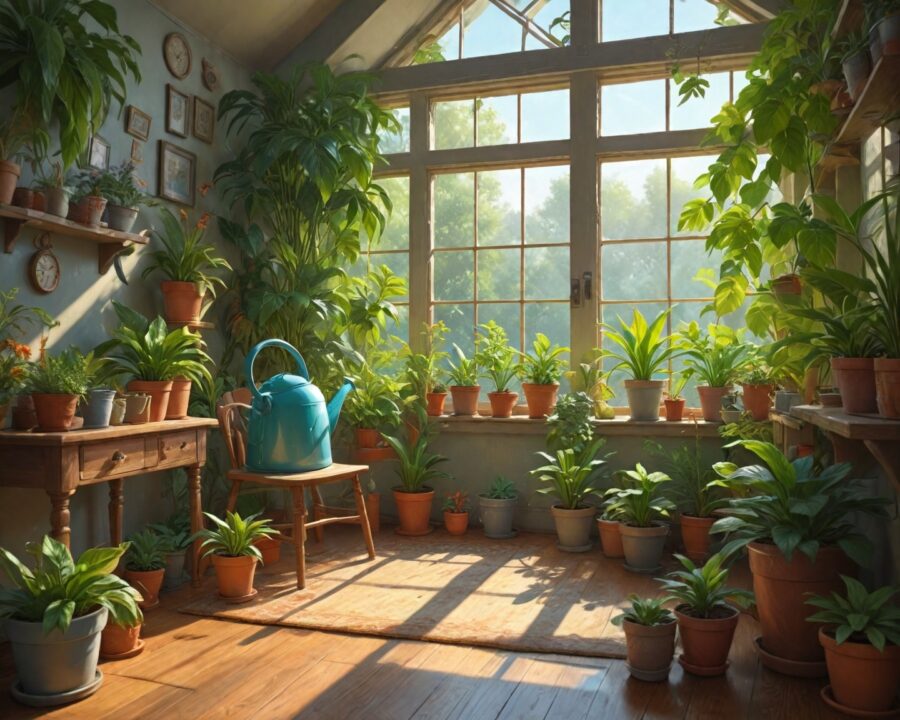
Houseplants bring a touch of nature into our homes, adding color, life, and sometimes even fragrant scents to our daily environments. However, maintaining these leafy friends in hot climates can be challenging. With soaring temperatures and often intense sunlight, it’s crucial to establish a proper watering schedule that suits the needs of houseplants to ensure their health and vitality. This blog post will explore various strategies and tips for managing a watering schedule for houseplants in hot climates effectively.
Understanding the specific needs of houseplants in hot climates can make all the difference between a thriving green haven and wilting foliage. From knowing the impact of hot temperatures on plant hydration to recognizing the signs of dehydration, this guide aims to equip you with insights and practical steps. We’ll delve into timing, frequency, soil management, and innovative tools to keep your houseplants lush and resilient, even when the mercury rises.
Understanding the Impact of Hot Climates on Houseplants
Hot climates bring with them unique challenges for houseplant enthusiasts. Prolonged exposure to high temperatures and direct sunlight can increase the rate of evaporation from both the plant and the soil, leading to dehydration. Plants in naturally hot climates have evolved mechanisms to cope with heat, but houseplants, especially those native to more temperate regions, can struggle without proper care.
In addition to evaporation, houseplants in hotter environments might experience increased transpiration rates. Transpiration is the process by which plants lose water from their leaves, and with higher ambient temperatures, this process can accelerate. This means that the plants may require more frequent watering or specific types of intervention to maintain optimal hydration levels.
It’s essential to understand that not all houseplants react to high temperatures in the same way. While some species may require increased shading or frequent misting, others may need alterations in soil composition to retain more moisture. Recognizing these differences is critical to adjusting their care appropriately to ensure they flourish rather than falter.
How to Identify Signs of Dehydration in Houseplants
Dehydration can have detrimental effects on houseplants, and recognizing the signs early is crucial to remedying the situation. Wilting leaves are one of the most apparent symptoms of dehydration. However, not all wilting is due to a lack of water; sometimes, it can occur from overwatering, making it vital to diagnose correctly.
Another sign of dehydration is leaf tips turning brown and crispy. This often happens because the plant is trying to conserve water by reducing its surface area. Additionally, soil that pulls away from the edges of the pot or feels dry an inch below the surface is another indication that your plant may need watering.
Checking the overall growth rate and leaf drop can also provide hints. If your houseplant stops growing or starts dropping leaves unexpectedly, it might not be receiving enough water. Using multiple indicators rather than a single sign can lead to a more accurate assessment of your plant’s hydration needs.
Best Times of Day to Water Houseplants in Hot Weather
Choosing the right time to water your houseplants can make a significant difference, especially in hot climates. In general, the best time to water plants is during the early morning. This timing ensures that water can penetrate the soil and reach the plant’s roots before the day’s heat increases evaporation.
Late afternoon is another feasible time, particularly if morning watering is impractical. Watering during this period allows plants to recover from the day’s warmth and reduces water loss during cooler evening temperatures. However, caution is advised because leaving water sitting on leaves overnight can lead to mold or fungal diseases.
It’s critical to avoid midday watering when temperatures are highest, as the water can quickly evaporate before reaching the roots. Also, splashing water on leaves in direct sunlight can cause scorching and damage. Maintaining a consistent watering schedule by choosing times when plants can best absorb moisture without evaporative loss is essential.
How to Adjust Watering Frequency Based on Plant Type
Not all houseplants have the same watering requirements, and in hot climates, understanding how to adjust their hydration schedules based on plant type is crucial. Succulents, for example, inherently store water in their leaves and stems, thus requiring less frequent watering even in heat.
In contrast, tropical houseplants such as ferns or peace lilies typically need more frequent watering as they are accustomed to humid environments. One strategy is to categorize your plants into groups with similar water needs to make it easier to create a tailored watering schedule.
An effective approach is to monitor each plant type’s response over time, observing signs of under or overhydration, and adjust as needed. Documentation through journals or digital apps helps track these changes, offering insights that become invaluable as your plant collection grows.
Using Mulch and Soil Amendments to Retain Moisture
In hot climates, maintaining soil moisture can be challenging, but using mulch and other soil amendments can greatly help. Mulching involves adding a layer of organic material such as shredded bark, leaves, or straw on top of the soil. This layer helps to insulate the soil, reducing temperature fluctuations and minimizing water evaporation.
There are various soil amendments you can utilize to improve moisture retention. Products such as vermiculite or perlite can be mixed into the soil to increase its water-holding capacity without becoming waterlogged. Compost is another excellent amendment that adds nutrients while helping the soil retain moisture longer.
Implementing these strategies effectively involves understanding your specific plant needs and potting conditions. For instance, if a plant prefers drier conditions, minimal mulch application may be more suitable. Conversely, heavy application might be required for those that thrive in consistently moist environments.
Common Mistakes to Avoid When Watering in Hot Climates
Watering houseplants in hot climates requires precision and understanding to avoid common pitfalls. One of the most frequent mistakes is overwatering, which can lead to root rot. Plants’ water needs may increase in heat, but this does not mean saturation should occur.
Another mistake is neglecting to adjust for container size. Larger pots retain water longer compared to smaller ones; failing to adjust watering frequency accordingly can be detrimental. Also, not considering the drainage capability of a pot can lead to water pooling and root decay.
Lastly, assuming a one-size-fits-all approach can lead to errors. Different plants need varying amounts of water depending on their species, soil mix, and even their position relative to sunlight. Tailoring your watering habits to each plant’s specific requirements is key to success.
How to Create a Consistent Watering Schedule
A consistent watering schedule for houseplants is crucial, especially in hot climates where fluctuations can be severe. This schedule should balance the plant type and environmental context, with adjustments made for seasonal changes and unpredictable weather patterns.
Start by listing your plants and their basic watering requirements. Take note of their natural habitats and mimic these conditions as closely as possible in terms of soil, light, and temperature. Grouping plants with similar needs can simplify the process and ensure no plant is overlooked.
Digital tools and apps can assist by setting reminders and noting observations, ensuring adherence to your schedule. Regularly revisiting and adjusting your irrigation timetable helps accommodate growing adaptations, ensuring that each plant receives the care it needs.
Tips for Monitoring Soil Moisture Levels Effectively
Monitoring soil moisture is vital when establishing a watering schedule for houseplants, especially in challenging climates. One of the simplest ways is by performing a “finger test” to gauge moisture by inserting a finger into the soil up to the first knuckle; a dry feeling indicates it’s time to water.
Investments in moisture meters provide precise readings of current soil conditions without the guesswork. Those devices offer instantaneous data, allowing for immediate adjustments. Additionally, understanding what each plant requires in terms of moisture zones can help tailor the watering accordingly.
For those who prefer low-tech solutions, observing changes in the plant or soil appearance over time can supplement data-driven methods. Soil that darkens when wet and lightens as it dries is often a helpful visual cue. Combining tactile, visual, and technological tools creates a multidimensional approach to monitoring.
Addressing Common Concerns: Overwatering vs. Underwatering
Differentiating between overwatering and underwatering is essential in hot climates as symptoms can be similar. Both conditions can cause wilting, yellowing leaves, and stunted growth, but close inspection reveals subtle differences.
Overwatering commonly results in waterlogged soil and root rot, with leaves taking on a puffy, almost water-logged appearance. The presence of fungus gnats or mold may also indicate excessive moisture. On the other hand, underwatered plants often have dry soil and crispy, shriveled leaves.
Adjustments should be gradual to address either condition, ensuring plants receive appropriate hydration without shock. Documenting findings about which condition is more likely given environmental and historical factors can prevent recurrence and promote healthier plant life.
Practical Tools and Gadgets for Watering Houseplants
Modern technology offers various tools to help manage and improve watering schedules for houseplants. For time-pressed individuals or those with larger collections, automatic watering systems with timers can be invaluable, delivering consistent hydration.
Moisture sensors, both manual and digital, allow for precise monitoring of soil conditions, providing real-time feedback on when to water. These devices can often sync with smartphones, sending alerts to help maintain optimal conditions.
Finally, self-watering pots provide convenience by storing a reservoir of water that the plants can access as needed. This system can reduce the frequency of watering without compromising plant health, making them an excellent investment for plant care in hot climates.
FAQ
How often should I water my houseplants during summer?
The frequency of watering depends on the plant type, pot size, and environmental conditions. Generally, many houseplants require watering once a week in hot climates, but monitoring soil moisture is key to determining exact needs.
What are signs that my plant is getting too much water?
Signs of overwatering include wilting leaves that are still soft, yellowing or browning leaves, mold on the soil surface, and a generally mushy or rotten root system.
Do all plants need less water during winter?
Most plants do require less water in cooler months due to reduced growth rates and lower evaporation. However, the needs can vary significantly based on indoor climate and plant type.
Can I use tap water for my houseplants?
While many houseplants can thrive with tap water, some may be sensitive to the chlorine and minerals it contains. If concerned, letting the water sit overnight before use can help reduce chlorine levels.
What is the best way to water succulents?
Succulents prefer a soak-and-dry method, where water is applied generously, allowing the soil to dry out completely between waterings to mimic their natural arid environments.
How does humidity affect watering schedules?
Higher humidity reduces the rate of water evaporation, potentially decreasing watering frequency. Conversely, low humidity can increase plant moisture needs as the surrounding air absorbs more water.
Why are my houseplant’s leaves curling?
Leaf curling can occur due to underwatering, overwatering, or environmental stressors such as drafts or too much direct sunlight. Assessing soil moisture and correcting environmental factors is recommended.
Recap
In this article, we’ve explored the importance of understanding the specific needs of houseplants in hot climates, focusing on factors such as the impact of high temperatures and signs of dehydration. By selecting the best times of day to water and adjusting schedules based on plant type, one can maintain optimal hydration levels. Implementing mulch and soil amendments can further aid moisture retention. It’s key to avoid common mistakes like overwatering or neglecting plant-specific needs. Monitoring moisture levels, understanding the balance between over and underwatering, and using modern tools can simplify plant care in challenging environments.
Conclusion
Maintaining houseplants in hot climates requires attention to detail and an adaptive approach. By nudging your plants’ environment closer to their natural habitats and harnessing modern tools and methods, you can successfully navigate the challenges of heat, ensuring that green life continues to thrive despite climatic hurdles. Consistent monitoring and adjustments lead to a robust understanding of each plant’s unique needs.
Ultimately, cultivating a lush, healthy indoor garden in hot climates is entirely attainable with the right balance of knowledge and practical application. Through this guide on watering schedule tips for houseplants in hot climates, we hope to impart the skills needed to keep your plants vibrant and flourishing all year round.