
Ultimate Swimming Pool Maintenance Guide
Swimming pools are a fantastic addition to any home, providing a place for relaxation, recreation, and exercise. However, owning a pool comes with its responsibilities, particularly in terms of maintenance. This comprehensive swimming pool maintenance guide is designed to equip you with all the essential knowledge needed to keep your pool in pristine condition throughout the year. From understanding water chemistry to seasonal care tips, you’ll find all the information necessary to ensure your pool remains a safe and inviting oasis.
In this guide, we will delve into various aspects of pool maintenance, including regular cleaning routines, the importance of maintaining pool equipment, and troubleshooting common issues that may arise. Additionally, we will discuss safety measures and best practices to protect your loved ones while enjoying your pool. By the end of this article, you will be well-prepared to tackle any pool maintenance task with confidence.
Whether you are a new pool owner or have years of experience, this guide aims to enhance your understanding of swimming pool care. As you read through the sections, you will discover actionable tips and strategies that can save you time and money while keeping your pool in optimal condition. So, let’s dive in!
Introduction to Swimming Pool Maintenance
Understanding the Basics of Pool Care
Maintaining a swimming pool involves several key components that must be regularly addressed to ensure a safe and enjoyable swimming experience. The first step in effective pool maintenance is familiarizing yourself with the different types of swimming pools, including in-ground and above-ground models. Each type has its unique maintenance requirements, but some fundamental practices apply universally.
One of the core aspects of pool maintenance is managing water quality. This includes regular testing of the pool water for pH levels, alkalinity, and chlorine concentration. Maintaining proper water chemistry not only ensures a pleasant swimming experience but also prevents issues like algae growth and equipment corrosion.
The Role of Regular Maintenance
Establishing a routine for pool maintenance is vital. Regular maintenance tasks can be broken down into daily, weekly, and monthly activities. Daily tasks might include skimming the surface of the water to remove debris, while weekly tasks could involve vacuuming the pool and checking chemical levels. Monthly maintenance may consist of deep cleaning and inspecting pool equipment.
By adhering to a consistent maintenance schedule, pool owners can significantly reduce the risk of larger, more costly repairs in the future. Not only will this save money, but it will also enhance the longevity of your pool and its components.
Understanding Pool Water Chemistry
Key Components of Water Chemistry
The chemistry of pool water is crucial to maintaining a clean and safe swimming environment. Key components include pH, total alkalinity, and chlorine levels. The ideal pH level for pool water is between 7.4 and 7.6, which is close to the natural pH of human skin and eyes, minimizing irritation.
Total alkalinity acts as a buffer for pH levels, helping to stabilize them. The recommended range for total alkalinity is between 80 and 120 ppm (parts per million). Proper chlorine levels, typically between 1 and 3 ppm, are essential for sanitizing the water and keeping harmful bacteria at bay.
Testing and Balancing Water Chemistry
Regular testing of pool water is essential for maintaining proper chemistry. Pool test kits, which can be purchased at local pool supply stores, allow owners to easily check the levels of pH, alkalinity, and chlorine. If any levels are outside the recommended ranges, appropriate adjustments should be made promptly.
For example, if the pH is too high, adding a pH decreaser product can help balance it out. Conversely, if the chlorine level is low, adding chlorine tablets or granules can quickly restore sanitation. Regular monitoring and adjusting of pool water chemistry can prevent a variety of issues, including cloudy water and algae blooms.
| Water Component | Ideal Range | Adjustment Method |
|---|---|---|
| pH | 7.4 – 7.6 | pH increaser/decreaser |
| Total Alkalinity | 80 – 120 ppm | Alkalinity increaser/decreaser |
| Chlorine | 1 – 3 ppm | Chlorine tablets/granules |
Regular Cleaning Routines for Pools
Daily Cleaning Tasks
To keep your pool looking its best, daily cleaning is essential. This includes skimming the surface of the water to remove leaves, insects, and other debris. A long-handled skimmer net is an invaluable tool for this task, allowing you to reach across the entire surface without getting wet.
Additionally, checking the water level daily is important. If the water level drops significantly, it may indicate a leak or evaporation, and necessary measures should be taken. Keeping the water level within the skimmer’s recommended range ensures proper filtration and circulation.
Weekly Maintenance and Deep Cleaning
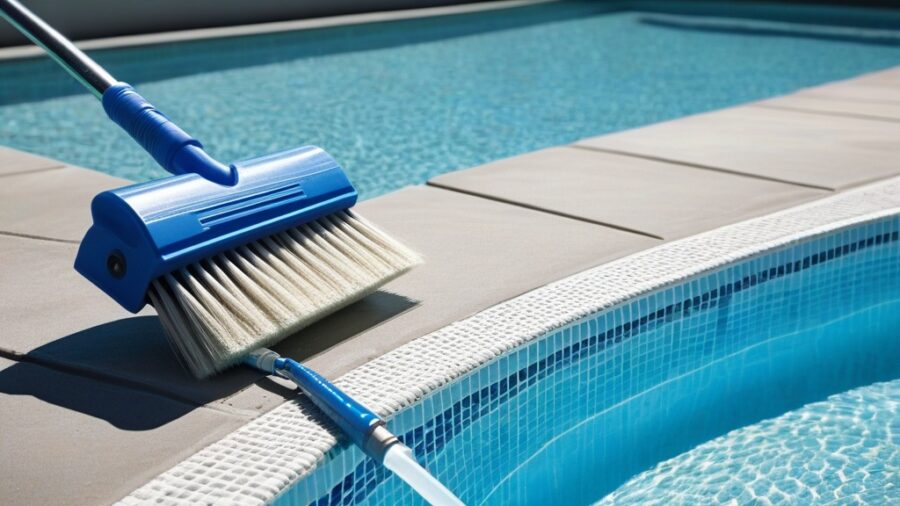
On a weekly basis, pool owners should vacuum the pool to remove dirt and debris that has settled on the bottom. This can be done with a manual vacuum or an automatic pool cleaner. Additionally, brushing the walls and tiles of the pool helps prevent algae buildup and keeps the surfaces clean.
Testing the water chemistry should also be a part of your weekly routine, ensuring that chemical levels are balanced. Furthermore, emptying the skimmer and pump baskets prevents blockages and ensures optimal water flow.
Importance of Pool Equipment Maintenance
Regular Equipment Inspections
Proper maintenance of pool equipment is crucial for the overall health of your swimming pool. This includes regular inspections of the pool pump, filter, and heater. Each component plays a vital role in water circulation and sanitation.
For example, the pump should be checked for any leaks or unusual noises, which could indicate a problem. Filters should be cleaned or replaced according to the manufacturer’s recommendations, and heaters should be inspected for rust or wear to ensure they operate efficiently.
Replacing Worn or Damaged Parts
Over time, pool equipment may wear out or become damaged, requiring replacement. As a general rule, pool filters should be replaced every 3 to 5 years, while pool pumps may last up to 10 years with proper care. Keeping an eye on the condition of these components can save you from costly repairs and prolong the life of your pool.
Additionally, ensure that you use high-quality replacement parts that are compatible with your specific pool model. This not only guarantees optimal performance but also minimizes the risk of future issues.
| Equipment | Maintenance Frequency | Replacement Indicators |
|---|---|---|
| Pool Pump | Monthly inspection | Leaks, strange noises |
| Pool Filter | As per manufacturer’s guidelines | Reduced water flow, dirty water |
| Heater | Annual inspection | Rust, inefficient heating |
Seasonal Pool Care Tips
Preparing for Winter
Winterizing your pool is essential if you live in an area with freezing temperatures. This process includes cleaning the pool thoroughly, lowering the water level, and adding winter chemicals to prevent algae growth. Additionally, it is advisable to cover the pool with a high-quality winter cover to keep debris out and protect it from harsh weather.
All equipment should be properly drained and stored to prevent damage from freezing water. Pool heaters should also be turned off, and any plumbing lines should be blown out to prevent ice formation.
Spring Start-Up
As winter ends and spring approaches, it’s time to get your pool ready for the swimming season. Start by removing the winter cover and cleaning any debris that has accumulated. Next, refill the pool to the appropriate water level and balance the water chemistry.
Inspect all equipment and replace any parts that may have been damaged during the winter months. It is also wise to perform a thorough cleaning of the pool surfaces and ensure that the filtration system is operating efficiently.
Troubleshooting Common Pool Problems
Cloudy Water Solutions
Cloudy pool water is a common issue that can stem from various factors, including improper water chemistry, inadequate filtration, or excessive debris. To address cloudy water, start by testing the water chemistry and adjusting pH and chlorine levels as necessary.
Additionally, inspect the filter to ensure it is functioning correctly. If the filter is dirty or clogged, clean or replace it. Running the pump for longer periods can also help improve water clarity.
Dealing with Algae Growth
Algae can quickly take over a pool if proper sanitation measures are not maintained. If you notice green or brown patches in your pool, it’s essential to act quickly. Start by shocking the pool with a high dose of chlorine to kill the algae spores.
Brushing the affected areas will also help remove algae from the surfaces. After treating the pool, ensure that the filtration system is running continuously until the water is clear again. Regular maintenance and chemical testing can help prevent future algae blooms.
Safety Measures and Best Practices
Pool Safety for Children and Pets
Ensuring the safety of children and pets around the pool is paramount. Installing safety barriers such as pool fences can significantly reduce the risk of accidental drowning. These fences should be at least four feet high and have self-closing, self-latching gates.
Additionally, always supervise children when they are in or near the pool, and teach them about water safety. For pets, consider using pool floats or ramps to help them enter and exit the water safely.
Emergency Preparedness
Being prepared for emergencies is a crucial aspect of pool safety. Ensure that you have lifesaving devices, such as life rings, readily available by the poolside. Additionally, having a first aid kit on hand can be beneficial in case of minor injuries.
It is also wise to familiarize yourself and your family with CPR and first aid procedures. Knowing how to respond in an emergency can make a significant difference in ensuring a safe environment for all pool users.
Conclusion
In conclusion, maintaining a swimming pool is a multifaceted task that requires attention to detail and regular care. This comprehensive swimming pool maintenance guide has covered key topics such as water chemistry, cleaning routines, equipment maintenance, and safety measures. By implementing the strategies discussed, you can create a safe, clean, and enjoyable swimming environment for yourself and your loved ones.
Remember that regular maintenance not only enhances the aesthetic appeal of your pool but also prolongs its lifespan and reduces the need for costly repairs. Whether it’s through daily skimming or seasonal preparations, consistent care is the key to a sparkling pool.
Frequently Asked Questions
1. How often should I test my pool water?
It is recommended to test your pool water at least once a week during the swimming season. If your pool is heavily used, consider testing it more frequently to ensure balanced water chemistry.
2. What should I do if my pool water is green?
If your pool water appears green, it is likely due to algae growth. Shock the pool with a high dose of chlorine, brush the surfaces, and run the filter continuously until the water clears up.
3. How can I prevent my pool from freezing in winter?
To prevent freezing, winterize your pool by lowering the water level, adding winter chemicals, and covering the pool. Additionally, drain and store any equipment to avoid damage from ice.
4. What is the best way to clean my pool filter?
The cleaning method for your pool filter will depend on the type of filter you have. For cartridge filters, remove and rinse them with a hose. For sand filters, backwash them according to manufacturer instructions.
5. Is it safe to swim right after adding chemicals?
It is generally advised to wait at least 30 minutes to an hour after adding chemicals before swimming. This allows time for the chemicals to disperse evenly in the water.
Recap
- Regular pool maintenance is essential for a safe and enjoyable swimming experience.
- Understanding water chemistry is crucial to prevent problems like algae growth.
- Daily and weekly cleaning routines help maintain water clarity and hygiene.
- Regular equipment maintenance prolongs the lifespan of your pool components.
- Seasonal care, including winterizing, is vital for protecting your pool during off-months.
- Implementing safety measures can prevent accidents, particularly for children and pets.
- Being prepared for emergencies enhances pool safety for everyone.
This content is informative and does not substitute for medical or psychological evaluation or treatment.