
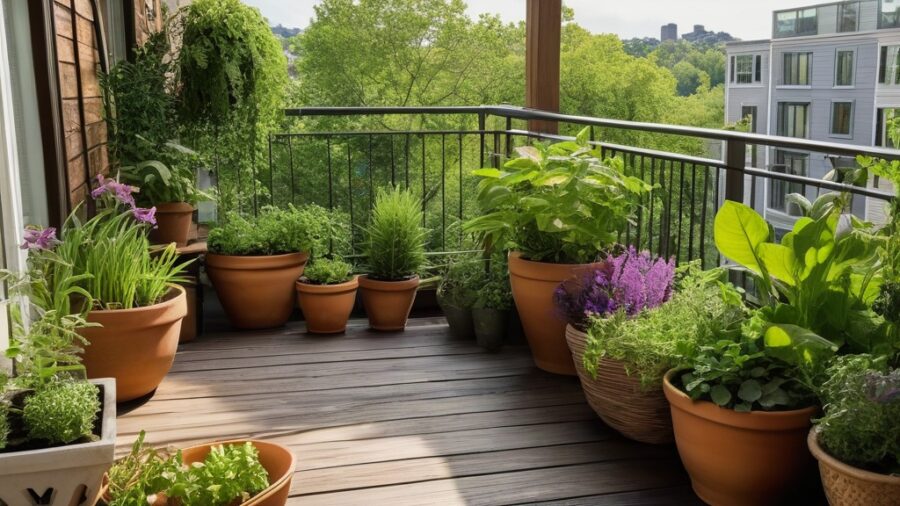
Introduction to Container Gardening
Container gardening is an accessible and rewarding way to cultivate plants in limited spaces, especially on your balcony or patio. This method allows urban dwellers and those with small yards to enjoy the benefits of gardening without the need for extensive outdoor areas. Whether you want to grow vegetables, herbs, or ornamental plants, container gardening provides a flexible solution that adapts to your lifestyle.
By using pots, planters, and other containers, you can create a vibrant garden that reflects your personal style. This guide will walk you through the essentials of container gardening, from selecting the right plants to maintaining a healthy garden. You’ll discover how to maximize your small space and create a stunning green oasis right outside your door.
Throughout this article, we will explore the numerous benefits of container gardening, the best practices for choosing and caring for your plants, and innovative design ideas that can transform your balcony or patio. Let’s dive into the world of container gardening and unlock the potential of your outdoor space.
Benefits of Container Gardening
Space Efficiency
One of the primary advantages of container gardening is its ability to utilize small spaces effectively. For those living in urban environments, where yard space is limited, containers allow you to grow plants in areas that may otherwise be unusable. You can place containers on balconies, patios, or even window sills, making it possible to create a garden in virtually any location.
Additionally, container gardening can be tailored to fit your specific space constraints. By choosing various container sizes, you can maximize your planting area while keeping your space organized and visually appealing. This adaptability makes it an excellent option for apartment dwellers and homeowners alike.
Accessibility and Mobility
Container gardens are inherently more accessible than traditional gardens, as they can be positioned at varying heights. This is particularly beneficial for individuals with mobility issues or those who prefer to garden without bending down. Raised containers or vertical gardening systems allow you to cultivate plants without straining your back or knees.
Moreover, the mobility of containers enables you to relocate your plants to optimize sunlight exposure or protection from harsh weather. If a specific area receives too much sun or is too windy, you can easily move your plants to a more suitable location. This flexibility is a significant advantage of container gardening.
Choosing the Right Containers
Types of Containers
When selecting containers for your garden, consider the materials available, as they can impact both the aesthetics and functionality of your garden. Common materials include:
- Plastic: Lightweight and affordable, plastic containers retain moisture well and come in various colors and designs.
- Clay or Terracotta: These materials are porous, allowing for excellent air circulation but may dry out more quickly.
- Wood: Wooden containers offer a rustic charm and can be built to any size, but they require treatment to prevent rot.
- Metal: Metal containers provide a modern look but can heat up quickly in the sun, potentially harming plant roots.
Size and Drainage Considerations
Choosing the right size is crucial for the health of your plants. Containers need to be deep enough to accommodate root growth, with larger plants requiring larger pots. A general rule of thumb is to select a container that is at least 12 inches in diameter for most vegetables and flowers.
Additionally, ensuring proper drainage is vital to prevent root rot. Look for containers with drainage holes or consider adding a layer of gravel at the bottom to facilitate excess water flow. This practice is essential for maintaining healthy plants in a container garden.
Soil and Fertilization Techniques
Choosing the Right Soil Mix
Soil is the foundation of any successful garden, and container gardening is no exception. The right soil mix can significantly influence plant health and growth. Unlike traditional gardening, where native soil is often used, container gardens require a special mix designed for optimal drainage and nutrient retention.
A high-quality potting mix typically contains a blend of peat moss, vermiculite, and perlite. These components ensure that the soil is lightweight and well-aerated while retaining moisture and nutrients. When selecting a potting mix, look for products labeled specifically for container gardening to ensure the best results.
Fertilization Strategies
Container plants rely on you for nutrients since they have limited soil volume. Regular fertilization is essential to keep your plants healthy and productive. Consider using slow-release fertilizers that provide a steady supply of nutrients over time. Additionally, incorporating organic compost into your soil mix can enhance fertility and promote beneficial microbial activity.
It’s also important to monitor your plants for signs of nutrient deficiency, such as yellowing leaves or stunted growth. If you notice these symptoms, consider adjusting your fertilization regimen or exploring specific nutrient supplements.
Selecting Plants for Your Space
Understanding Plant Requirements
When choosing plants for your container garden, understanding their specific light, water, and nutrient needs is crucial. Some plants thrive in full sun, while others prefer partial shade. Assess your balcony or patio’s sunlight exposure and select plants accordingly to ensure they flourish.
Additionally, consider the growth habits of the plants. For instance, trailing plants like petunias or lobelia work well in hanging baskets, while upright plants like tomatoes or peppers need more vertical space. Mixing different plant types can create visual interest and maximize your garden’s productivity.
Companion Planting
Companion planting is a technique where certain plants are grown together to enhance growth, deter pests, and improve flavor. For example, planting basil alongside tomatoes can enhance the taste of tomatoes while also repelling harmful insects. Research companion planting pairings to optimize your container garden’s health and productivity.
Some popular combinations include:
- Marigolds with almost any vegetable to deter pests
- Carrots with onions to enhance growth
- Basil with tomatoes for improved flavor
Watering and Maintenance Tips
Establishing a Watering Routine
Proper watering is one of the most critical aspects of container gardening. Containers tend to dry out faster than ground soil, so establishing a consistent watering routine is essential. The frequency of watering will depend on the type of plants, container size, and environmental conditions.
A general rule is to check the soil moisture daily, especially during hot weather. If the top inch of soil feels dry, it’s time to water. Ensure that water thoroughly soaks through the drainage holes, allowing the roots to access moisture. Avoid overwatering, as this can lead to root rot.
Pruning and Deadheading
Regular maintenance, including pruning and deadheading, is crucial for keeping your container garden healthy and vibrant. Pruning helps control plant size and encourages bushier growth, while deadheading—removing spent flowers—promotes continuous blooming in flowering plants.
Additionally, inspecting your plants regularly for pests or diseases allows you to address issues before they escalate. Taking proactive measures will help maintain the beauty and health of your container garden.
Creative Design Ideas for Container Gardens
Vertical Gardening Solutions
Maximizing space is essential for balcony and patio gardeners, and vertical gardening is an innovative solution. Utilizing wall-mounted planters, trellises, or tiered shelving can create a stunning and space-efficient garden. Vertical gardens not only add visual interest but also allow you to grow more plants in a confined area.
By incorporating climbing plants like peas, cucumbers, or sweet potatoes, you can enhance your vertical garden’s productivity and aesthetic appeal. Consider using decorative containers to further enhance the overall design.
Color Schemes and Themes
Creating a cohesive design theme can elevate your container garden’s visual appeal. Consider choosing a color palette that complements your outdoor space. You can opt for monochromatic schemes, contrasting colors, or a combination of complementary hues to create a vibrant garden.
Additionally, incorporating themed gardens, such as an herb garden, butterfly garden, or tropical garden, can enhance the overall experience. By selecting plants that fit a specific theme, you can create a harmonious and inviting atmosphere.
Seasonal Considerations for Container Gardening
Adapting to Seasonal Changes
Understanding the seasonal changes in your region is vital for successful container gardening. Different plants thrive in various seasons, so it’s essential to rotate your plants according to the time of year. For example, cool-season crops like lettuce and spinach can be planted in early spring or fall, while warm-season crops like tomatoes and peppers should be planted after the last frost.
Additionally, consider seasonal decorations to enhance your container garden’s aesthetic appeal. Seasonal flowers or themed decorations can create a festive atmosphere throughout the year.
Winter Care for Container Gardens
Winter poses unique challenges for container gardens, especially in regions with harsh climates. To protect your plants, consider moving containers to sheltered areas or grouping them together to create a microclimate. Insulating containers with materials like burlap or bubble wrap can help prevent root damage due to freezing temperatures.
Alternatively, consider planting cold-hardy plants that can survive winter conditions, such as ornamental kale or pansies. These plants can add color and vibrancy to your winter garden.
Common Challenges and Solutions
Pest Management
Like any garden, container gardens can be susceptible to pests. Common pests include aphids, whiteflies, and spider mites. Monitoring your plants regularly and taking preventive measures can help minimize pest issues. Consider using organic pest control methods, such as insecticidal soap or neem oil, to manage infestations without harming beneficial insects.
Additionally, encouraging natural predators, such as ladybugs and lacewings, can help keep pest populations under control. Planting flowers that attract beneficial insects can create a balanced ecosystem in your container garden.
Overcoming Environmental Challenges
Environmental factors, including extreme temperatures and wind exposure, can pose challenges for container gardening. To mitigate these issues, consider relocating your containers to more sheltered areas during harsh weather. Using windbreaks or shade cloth can also protect your plants from adverse conditions.
Furthermore, selecting heat-tolerant or drought-resistant plants can help your container garden thrive in challenging climates. Researching plant varieties that are well-suited for your environment can ensure a successful gardening experience.
Conclusion and Key Takeaways
Container gardening on your balcony or patio offers a unique opportunity to cultivate plants in small spaces. By understanding the various aspects of container gardening, including selecting the right containers, soil, and plants, you can create a vibrant and productive garden. This method not only enhances your outdoor living space but also provides fresh produce and beautiful flowers right at your fingertips.
With proper maintenance, creative design ideas, and seasonal adaptability, your container garden can thrive throughout the year. Remember to monitor your plants regularly, address challenges promptly, and embrace the joy of gardening in your limited space. Container gardening is not just a hobby; it’s a way to reconnect with nature and enhance your lifestyle.
FAQs about Container Gardening
1. What types of plants are best for container gardening?
Plants that are well-suited for container gardening include herbs, vegetables, and ornamental flowers. Consider selecting plants that thrive in your specific climate and match the sunlight available in your space.
2. How often should I water my container garden?
The frequency of watering depends on various factors, including the type of plants, container size, and weather conditions. Generally, check the soil moisture daily and water when the top inch feels dry.
3. Can I grow vegetables in containers year-round?
Yes, many vegetables can be grown in containers year-round, depending on your climate. Choose cool-season crops for fall and spring and warm-season crops for summer to maximize your gardening potential.
4. How do I prevent pests in my container garden?
Regular monitoring and the use of organic pest control methods can help prevent pest infestations. Encouraging beneficial insects and maintaining plant health are also effective strategies.
5. What are some creative ideas for container gardening design?
Consider using vertical gardening solutions, themed gardens, or color-coordinated plant selections. Incorporating decorative containers and seasonal decorations can enhance the visual appeal of your garden.
Key Takeaways
- Container gardening is ideal for small spaces like balconies and patios.
- Choosing the right containers and soil mix is essential for plant health.
- Regular watering and maintenance are crucial for successful container gardening.
- Creative design ideas can enhance the aesthetic appeal of your garden.
- Seasonal adaptations can help your container garden thrive year-round.
- Understanding and managing common challenges can ensure a flourishing garden.
- Container gardening provides fresh produce and beautifies your outdoor space.