
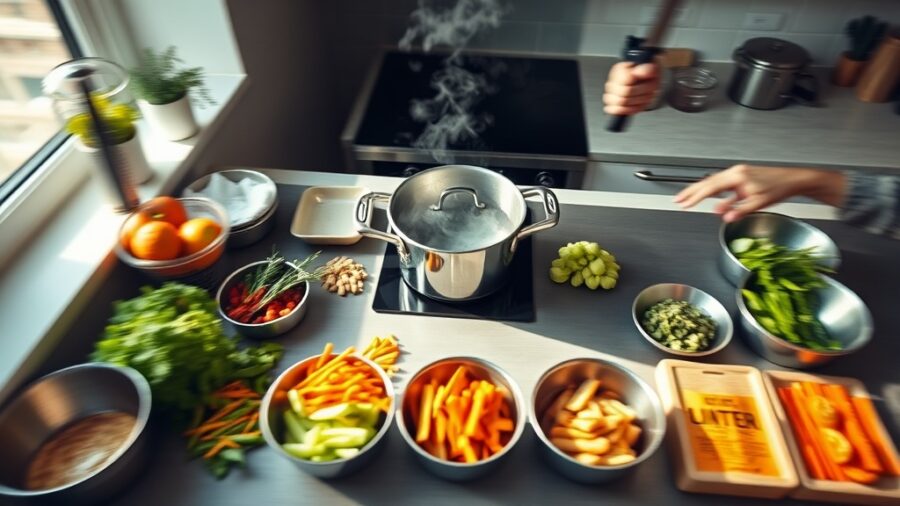
Time-Saving Cooking Tips: Mastering Efficiency in the Kitchen
In today’s fast-paced world, finding ways to streamline meal preparation is essential. Whether you’re a busy professional, a parent juggling multiple responsibilities, or a student managing a hectic schedule, cooking tips that save time can be a game-changer. This article delves into strategies that not only enhance your cooking efficiency but also improve the quality of your meals.
Throughout this guide, you will discover practical techniques and tools that can significantly reduce your time spent in the kitchen. From planning your meals in advance to mastering the art of batch cooking, these tips are designed to help you cook smarter, not harder. By implementing these time-saving methods, you’ll have more time to enjoy your meals and less stress while preparing them.
Additionally, we will explore the importance of organization and the right kitchen tools, which can further enhance your cooking experience. By the end of this article, you will be equipped with valuable insights that will transform your approach to cooking, ensuring that you manage your time effectively while still enjoying delicious, home-cooked meals.
Plan Your Meals Ahead
The Importance of Meal Planning
Meal planning is a cornerstone of efficient cooking. By outlining your meals for the week, you can streamline grocery shopping and reduce food waste. Studies show that households that engage in meal planning waste approximately 50% less food compared to those who do not. This not only saves money but also helps in making healthier choices.
When planning your meals, consider creating a template that includes breakfast, lunch, dinner, and snacks. This template will help you visualize your week and make adjustments as needed. Make sure to incorporate a variety of proteins, vegetables, and grains to keep your meals interesting and nutritious.
Grocery Shopping with a Purpose
Once your meals are planned, the next step is efficient grocery shopping. Create a detailed shopping list based on your meal plan to avoid unnecessary purchases. Organize your list by categories such as produce, dairy, and proteins to speed up your shopping trip.
Additionally, consider taking advantage of grocery delivery or pickup services. These options save time and minimize impulse buys, allowing you to stick to your planned meals. Many grocery stores also offer apps that help you locate items quickly, further enhancing your shopping efficiency.
Utilize Efficient Cooking Techniques
Embrace the Power of Prepping
Prepping ingredients ahead of time can drastically cut down your cooking time during the week. Spend a few hours on the weekend chopping vegetables, marinating proteins, and portioning out snacks. According to culinary experts, having ingredients ready to go can reduce cooking time by up to 50% during busy weeknights.
Consider using a food processor to expedite the chopping process or invest in quality knives for quicker slicing. Additionally, batch-cook grains like rice or quinoa and store them in the refrigerator for easy access throughout the week.
Cooking Methods That Save Time
Different cooking methods can also impact how quickly you can prepare meals. Techniques such as stir-frying, grilling, and using pressure cookers can significantly reduce cooking times. For instance, pressure cookers can cook beans and grains in a fraction of the time it would take on the stove.
Moreover, using appliances like slow cookers or Instant Pots allows you to set it and forget it. You can prepare a meal in the morning and return home to a fully cooked dinner, freeing up your evening for other activities.
| Cooking Method | Time Saved | Best For |
|---|---|---|
| Pressure Cooking | Up to 70% | Beans, grains, stews |
| Slow Cooking | Varies | Soups, casseroles |
| Stir-Frying | 30-50% | Vegetables, proteins |
| Batch Cooking | 50% | Grains, legumes |
Invest in Quality Kitchen Tools
Essential Tools for Efficiency
Having the right kitchen tools can make a significant difference in your cooking experience. Invest in high-quality knives, cutting boards, and cookware. A good chef’s knife can make chopping and slicing effortless, while non-stick pans can save time on cleanup.
Consider also investing in tools that promote efficiency, such as a mandoline slicer for uniform vegetable cuts or a digital kitchen scale for precise measurements. These tools can enhance your cooking skills and reduce the time spent on repetitive tasks.
Organizing Your Kitchen
A well-organized kitchen is crucial for efficient cooking. Ensure that your most-used tools and ingredients are easily accessible. Use clear containers for pantry items, label everything, and create a designated space for each cooking tool.
Additionally, consider grouping similar items together, such as spices, oils, and baking supplies. This organization minimizes the time spent searching for items and allows you to focus more on cooking.
Master the Art of Batch Cooking
The Benefits of Batch Cooking
Batch cooking involves preparing large quantities of meals at once, which can then be stored and consumed throughout the week. This method not only saves time but also ensures that you have healthy meals ready to go when you need them. According to a survey by the Food Marketing Institute, 64% of consumers prefer cooking in batches to save time.
Start by selecting recipes that freeze well, such as soups, stews, and casseroles. When batch cooking, make sure to portion meals into individual containers for easy access during busy days. This practice can help you avoid unhealthy takeout options.
Creative Batch Cooking Ideas
To maximize the benefits of batch cooking, try to incorporate a variety of meals that can be easily reheated. For instance, prepare a large pot of chili that can be served over rice, in tacos, or as a topping for baked potatoes. Another option is to cook a big batch of roasted vegetables that can be used in salads, wraps, or as a side dish.
Embrace One-Pot and Sheet Pan Meals
The Convenience of One-Pot Meals
One-pot meals are an excellent way to save time and minimize cleanup. These meals typically involve cooking all ingredients together in a single pot, allowing flavors to meld while reducing the number of dishes used. This method is perfect for busy weeknights when you want a satisfying meal without the hassle.
Popular one-pot meals include risottos, pasta dishes, and stir-fries. By utilizing a variety of ingredients, you can create diverse meals that are both nutritious and delicious.
Sheet Pan Cooking Made Easy
Similarly, sheet pan meals allow you to cook an entire meal on one baking sheet. This method is not only efficient but also encourages healthy cooking. Simply toss your protein and vegetables with olive oil and seasonings, arrange them on a sheet pan, and bake until done.
Sheet pan meals can be customized based on what you have on hand, making them a versatile option for any night of the week. Consider preparing meals like lemon herb chicken with roasted asparagus or salmon with sweet potatoes and broccoli.
| Meal Type | Cooking Method | Time to Prepare |
|---|---|---|
| One-Pot Pasta | Boiling | 20 minutes |
| Sheet Pan Chicken | Baking | 30 minutes |
| Vegetable Stir-Fry | Stir-Frying | 15 minutes |
| Chili | Simmering | 40 minutes |
Organize Your Kitchen for Maximum Efficiency
Creating a Functional Kitchen Layout
A functional kitchen layout can significantly enhance your cooking efficiency. Consider the “kitchen work triangle” concept, which emphasizes the arrangement of the stove, sink, and refrigerator. This design minimizes movement and allows for a smoother cooking process.
Keep your most frequently used items within arm’s reach. For example, store pots and pans near the stove, and keep utensils handy. This organization will help reduce the time spent moving around the kitchen while cooking.
Utilizing Vertical Space
Maximizing your kitchen’s vertical space can also enhance organization. Use shelves, hooks, and magnetic strips to store pots, pans, and utensils. This not only frees up counter space but also keeps everything visible and accessible.
Consider incorporating a pegboard for hanging tools or a tiered spice rack to keep your spices organized and easy to reach. These small changes can make a significant impact on your cooking efficiency.
Conclusion and Summary of Key Takeaways
In conclusion, implementing time-saving cooking tips can transform your kitchen experience. By planning meals ahead, utilizing efficient cooking techniques, and investing in quality kitchen tools, you can significantly reduce your cooking time while still enjoying delicious meals. Embracing batch cooking, one-pot, and sheet pan meals also offers a practical approach to meal preparation.
Additionally, organizing your kitchen for maximum efficiency will further enhance your cooking experience, allowing you to focus on creating tasty dishes rather than managing clutter. With these strategies in place, you can reclaim your time and enjoy the benefits of home-cooked meals without the stress.
Frequently Asked Questions
1. What is meal planning?
Meal planning is the process of outlining meals for the upcoming week. This strategy helps streamline grocery shopping and ensures you have all the necessary ingredients on hand, reducing food waste and saving time.
2. How can I save time while cooking?
To save time while cooking, consider meal prepping, utilizing efficient cooking methods like pressure cooking, and organizing your kitchen for easy access to tools and ingredients. Batch cooking is also an effective strategy.
3. What are some examples of one-pot meals?
Examples of one-pot meals include risottos, pasta dishes, and stir-fries. These meals are cooked in a single pot, allowing for easy preparation and minimal cleanup.
4. How do I organize my kitchen for efficiency?
To organize your kitchen for efficiency, keep frequently used items within reach, utilize vertical space for storage, and implement a functional layout based on the work triangle concept. This will minimize movement and enhance your cooking experience.
5. What tools should I invest in for efficient cooking?
Invest in high-quality knives, cutting boards, and cookware. Additionally, consider tools like food processors, mandoline slicers, and slow cookers to further enhance your cooking efficiency.
- Plan meals ahead to reduce food waste and streamline grocery shopping.
- Utilize efficient cooking techniques such as batch cooking and pressure cooking.
- Invest in quality kitchen tools for improved efficiency and ease of use.
- Embrace one-pot and sheet pan meals for convenience and minimal cleanup.
- Organize your kitchen for maximum efficiency to enhance the cooking experience.