
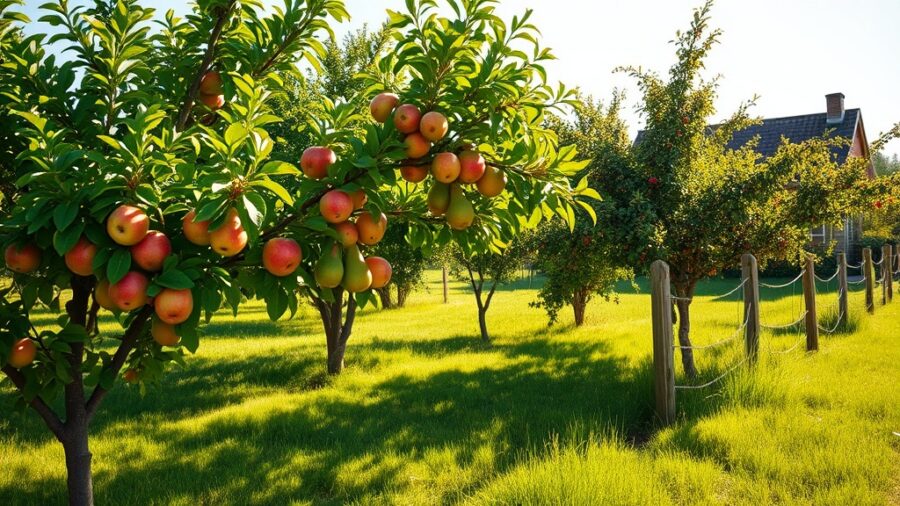
Introduction to Home Orchards
Creating a fruit tree home orchard can be one of the most rewarding endeavors for gardening enthusiasts and nature lovers alike. Imagine stepping outside your door to pick fresh, juicy fruits that you have nurtured from the very beginning. A home orchard not only provides delicious produce but also enhances the aesthetic value of your property, promotes biodiversity, and contributes to a sustainable lifestyle.
This guide will walk you through every essential aspect of establishing a thriving home orchard. From selecting the right location and choosing the fruit trees that best fit your climate to understanding soil preparation techniques and pest management practices, we will cover it all. By the end of this article, you will be equipped with the knowledge necessary to create and maintain your own fruitful sanctuary.
Whether you have a sprawling backyard or a small urban garden, cultivating a home orchard is feasible. You will learn how to choose suitable varieties of fruit trees and implement effective watering and irrigation strategies. Additionally, we will delve into maintenance practices that ensure your trees remain healthy and productive throughout the seasons.
Join us on this journey to transform your space into a lush, productive orchard that not only yields fruits but also enriches your life with joy and satisfaction.
Choosing the Right Location for Your Orchard
The success of your fruit tree home orchard largely hinges on selecting the right location. Factors such as sunlight exposure, wind protection, and soil quality play a critical role in the growth and productivity of your fruit trees.
Sunlight Exposure
Most fruit trees require at least 6 to 8 hours of direct sunlight daily to produce abundant fruits. When deciding on a location, observe how sunlight moves across your yard throughout the day. Ideally, choose a spot that maximizes sunlight exposure while avoiding areas that are shaded by buildings, fences, or other trees.
Wind Protection
Strong winds can damage young trees and reduce fruit yield. Consider planting your orchard in a location that benefits from natural windbreaks such as hedges, fences, or other taller vegetation. If natural barriers are not available, you might consider installing artificial windbreaks, such as burlap screens, especially in areas prone to gusty winds.
Selecting Fruit Trees: Varieties and Considerations
Once you have determined the ideal location for your orchard, the next step is to select the right fruit trees. This process involves understanding the varieties available and considering various factors that affect growth and yield.
Popular Fruit Tree Varieties
- Apple Trees: Known for their adaptability, apple trees thrive in many climates and can produce fruit in as little as 3 to 5 years.
- Pear Trees: These trees are typically disease-resistant and offer a range of varieties, such as Bartlett and Bosc.
- Cherry Trees: Sweet and sour cherries are popular choices, but they require specific conditions for optimal growth.
- Citrus Trees: Oranges, lemons, and limes thrive in warmer climates but can be grown in containers in cooler areas.
Considerations for Selection
When selecting fruit trees, consider your climate zone, soil type, and the space available for growth. Research local nurseries for varieties that are well-suited to your region. Additionally, consider cross-pollination needs; some trees require another variety nearby for successful fruiting.
Soil Preparation and Planting Techniques
Soil preparation is a foundational step in establishing your fruit tree home orchard. Healthy soil leads to healthy trees, so investing time in this phase will pay off in the long run.
Testing Soil Quality
Before planting, conduct a soil test to determine pH levels and nutrient content. Most fruit trees prefer slightly acidic to neutral soil (pH 6.0 to 7.0). You can obtain a soil testing kit from a local garden center or send a sample to a laboratory for analysis. Based on the results, you may need to amend your soil with lime to raise pH or sulfur to lower it, as well as organic matter to improve fertility.
Planting Techniques
When planting your fruit trees, ensure that the holes are wide and deep enough to accommodate the root systems. A general rule of thumb is to dig a hole twice as wide as the root ball and just as deep. Place the tree in the center of the hole, ensuring that the graft union (the bulge on the trunk where the tree was grafted) is above soil level. Backfill the hole with soil and water generously to eliminate air pockets.
Watering and Irrigation Strategies
Proper watering is crucial for the health of your fruit trees. Newly planted trees require more frequent watering until they establish a robust root system, while established trees have different needs based on weather and soil conditions.
Watering Guidelines
During the first year, water your young trees at least once a week, providing about 10 to 20 gallons of water each time. This deep watering encourages roots to grow downwards, enhancing drought resilience. In the second year, you can reduce the frequency but maintain a deep watering approach during dry spells.
Irrigation Systems
Consider installing a drip irrigation system for efficient water delivery. Drip systems minimize evaporation and ensure that water reaches the root zone directly. A soaker hose is another great option for smaller orchards, allowing water to seep slowly into the soil.
Pest Management and Organic Practices
Managing pests in your fruit tree home orchard is essential for maintaining tree health and productivity. Understanding both organic and conventional pest management strategies can help you protect your trees without harming the environment.
Identifying Common Pests
Common pests that affect fruit trees include aphids, spider mites, and codling moths. Regularly inspect your trees for signs of infestation, such as discolored leaves, webbing, or holes in the fruit. Early detection is key to effective management.
Organic Pest Management Strategies
Utilizing organic methods can be both effective and environmentally friendly. Introduce beneficial insects, such as ladybugs and lacewings, which prey on harmful pests. Additionally, consider using insecticidal soaps or neem oil as treatments. Regularly remove fallen fruit and debris from around the trees to reduce pest habitats.
Pruning and Maintenance for Healthy Trees
Regular pruning and maintenance are necessary to ensure that your fruit trees remain healthy and productive. Understanding the proper techniques and timing for pruning will promote better air circulation, sunlight penetration, and fruit production.
Best Practices for Pruning
Pruning should generally occur in late winter or early spring before new growth begins. Focus on removing dead or diseased branches and thinning out crowded areas to improve airflow. For fruiting trees, aim to maintain an open center structure that allows light to reach all branches.
Year-Round Maintenance Tasks
In addition to pruning, other maintenance tasks include mulching, fertilizing, and monitoring for diseases. Applying a layer of organic mulch around the base of your trees helps retain moisture and suppress weeds. Fertilization should be based on soil test results, typically occurring in early spring as new growth emerges.
Harvesting and Storing Your Fruit
Harvesting your fruits at the right time is crucial to ensuring the best flavor and quality. Each type of fruit has its own signs of ripeness, and understanding these indicators will enhance your enjoyment of your home orchard.
Harvesting Techniques
Use clean, sharp tools to avoid damaging the fruit or tree. For apples, look for a slight color change and firm texture. For peaches, a gentle twist can indicate ripeness. Check fruits daily as their maturity can change quickly.
Storage Tips
Once harvested, store fruits in a cool, dark place to extend their shelf life. Apples can last several weeks in the refrigerator, while berries are best consumed quickly or frozen. Consider canning or making jams and jellies as additional ways to preserve your harvest.
Conclusion: The Joy of Your Home Orchard
Establishing a fruit tree home orchard is a fulfilling project that offers numerous benefits. From the satisfaction of nurturing trees to the joy of harvesting your own fruits, the experience contributes to a sustainable lifestyle while enhancing your property’s beauty. With the information provided in this guide, you are well-equipped to embark on your orchard journey.
Remember that patience is key; it may take a few years for your trees to mature and produce fruit, but the wait will be worthwhile. As your orchard grows, so will your knowledge and appreciation for the natural world. Embrace the process, and enjoy every moment spent in your personal orchard paradise.
FAQ about Home Orchards
1. How long does it take for fruit trees to produce fruit?
Fruit trees typically take 3 to 6 years to produce fruit, depending on the variety. For instance, dwarf apple trees may bear fruit in as little as 3 years, while standard trees may take longer.
2. Can I grow a fruit tree in a container?
Yes, many fruit trees can be grown in containers, especially dwarf varieties. Ensure the container is large enough to accommodate the roots and use high-quality potting mix for best results.
3. What is the best time to plant fruit trees?
The best time to plant fruit trees is in early spring or fall when temperatures are cooler, and the likelihood of heat stress is reduced. This allows trees to establish roots before the heat of summer or the frost of winter.
4. How do I know if my fruit tree is healthy?
A healthy fruit tree will display vibrant leaves, strong growth, and minimal pest or disease issues. Regular inspections for signs of distress, such as discoloration or wilting, are essential for early intervention.
5. Is it necessary to use pesticides in a home orchard?
While pesticides can help manage pests, they are not always necessary. Implementing organic practices and encouraging beneficial insects can effectively control pests without harmful chemicals.
- Creating a fruit tree home orchard offers fresh produce and enhances property beauty.
- Choosing the right location is critical for sunlight and wind protection.
- Selecting suitable fruit tree varieties depends on climate and space.
- Soil preparation and proper planting techniques lay the foundation for success.
- Effective watering and irrigation strategies are vital for tree health.
- Pest management should focus on organic practices for sustainability.
- Regular pruning and maintenance ensure healthy growth and fruit production.
- Harvesting at the right time enhances flavor and quality of your fruits.