
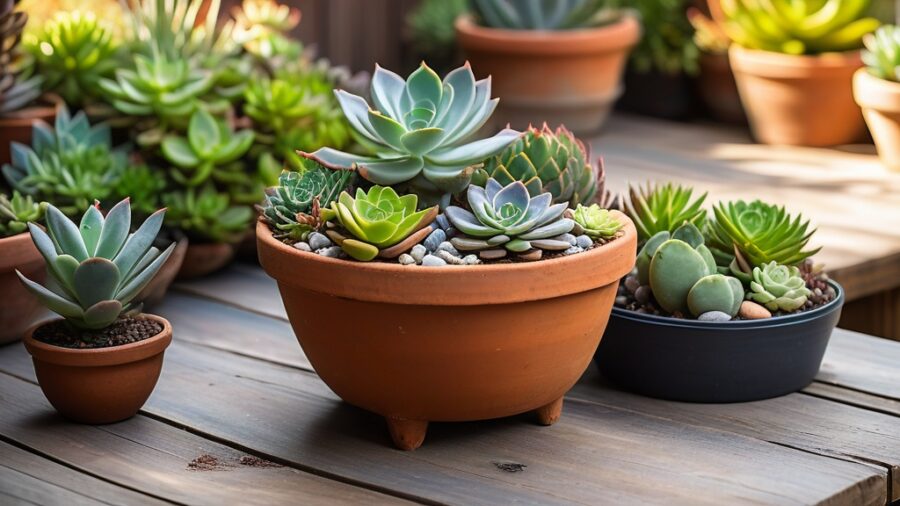
Low Maintenance Succulent Garden: An Ultimate Guide
Creating a succulent garden low maintenance can be an incredibly rewarding endeavor for both novice and experienced gardeners. Succulents are not only visually appealing but also remarkably resilient plants that thrive in a variety of environments. This article serves as a comprehensive guide to help you understand the essentials of establishing and maintaining a low maintenance succulent garden, ensuring that you can enjoy its beauty without the hassle of excessive care.
In this guide, you will learn about the benefits of a low maintenance succulent garden, how to choose the right succulents, the ideal soil mix, and effective watering and care techniques. Additionally, we will discuss common pests and diseases, seasonal care tips, and provide answers to frequently asked questions. By the end of this article, you will be equipped with the knowledge to create a thriving succulent garden that requires minimal attention.
Succulent gardens are not just a trend; they reflect a shift towards sustainable gardening practices. By opting for low maintenance plants, you can contribute to water conservation efforts, especially in regions prone to drought. Moreover, the aesthetic appeal of a succulent garden can enhance any outdoor or indoor space, creating a calming environment that invites relaxation and enjoyment.
Benefits of a Low Maintenance Succulent Garden
1. Water Efficiency
One of the most significant benefits of a low maintenance succulent garden is its water efficiency. Succulents are designed to store water in their leaves, stems, and roots, making them exceptionally drought-resistant. For instance, certain species, such as the Aloe Vera and Agave, can survive for weeks without water, making them ideal for arid climates. This characteristic not only reduces the frequency of watering but also conserves water, which is essential in regions facing water scarcity.
2. Time-Saving Gardening
A low maintenance succulent garden saves you time and effort, allowing you to enjoy gardening without the extensive labor often associated with traditional gardens. Succulents require minimal pruning and can thrive in poor soil conditions. This means less time spent on routine maintenance tasks such as weeding and fertilizing. According to a survey conducted by the National Gardening Association, 28% of gardeners reported succulents as their favorite plants due to their low upkeep requirements.
Choosing the Right Succulents for Your Garden
1. Popular Succulent Varieties
When selecting succulents for your garden, it is crucial to understand the different varieties and their growth habits. Some popular options include:
- Echeveria: Known for its rosette shape and vibrant colors, Echeveria is an excellent choice for ornamental displays.
- Jade Plant (Crassula ovata): This plant is not only attractive but also symbolizes prosperity.
- Hens and Chicks (Sempervivum): These hardy plants form clusters and are perfect for rock gardens.
2. Consider Your Climate
Your local climate plays a significant role in determining which succulents will thrive in your garden. For example, if you live in a hotter climate, consider varieties such as Agave and Sedum, which can withstand high temperatures. Conversely, if you are in a cooler area, you might want to explore hardier species like Sempervivum that can endure frost.
Preparing the Ideal Soil Mix for Succulents
1. Importance of Well-Draining Soil
Succulents thrive in well-draining soil that prevents excess moisture retention, which can lead to root rot. A good soil mix typically consists of a combination of potting soil, sand, and perlite. The ideal ratio is usually:
| Component | Ratio |
|---|---|
| Potting Soil | 50% |
| Coarse Sand | 25% |
| Perlite | 25% |
2. Enhancing Soil Drainage
To further enhance drainage, consider adding organic materials like coconut coir or crushed granite. These components not only improve water flow but also provide essential nutrients. Remember, the key is to create a soil environment that mimics the natural habitats of succulents, which are often found in rocky, arid areas.
Designing Your Succulent Garden Layout
1. Planning Your Space
When designing a succulent garden layout, consider the available space and sunlight exposure. Succulents generally prefer full sunlight, requiring at least 6 hours of direct sunlight per day. If you have a small area, think about using vertical gardening techniques or tiered plant stands to maximize sunlight exposure while saving space.
2. Grouping Plants by Size and Color
Another effective design strategy is to group succulents by size and color. Tall varieties like Aloe Vera can serve as focal points, while smaller species can fill in around them. This not only enhances visual appeal but also allows for better air circulation among the plants, reducing the risk of mildew and pests.
Watering and Care Techniques for Succulents
1. Understanding Watering Needs
Watering succulents requires a different approach than traditional garden plants. It is essential to allow the soil to dry out completely between watering sessions. A general rule of thumb is to water once every two weeks, but this can vary based on the climate and the season. During the hotter months, you may need to increase watering frequency, while in winter, succulents may go dormant and require less water.
2. Signs of Overwatering and Underwatering
Recognizing the signs of overwatering and underwatering is crucial for the health of your succulent garden. Overwatered plants often exhibit yellowing leaves and a mushy texture, while underwatered plants may show signs of wilting or shriveling. By monitoring your plants closely, you can adjust your watering schedule accordingly.
Common Pests and Diseases in Succulent Gardens
1. Identifying Common Pests
Despite their resilience, succulents can be susceptible to pests such as mealybugs, aphids, and spider mites. Mealybugs, for instance, appear as white, cotton-like masses on the leaves and can cause significant damage if left untreated. Regularly inspecting your plants and maintaining a clean garden environment can help prevent infestations.
2. Disease Management Strategies
Diseases like root rot and fungal infections can also affect succulents, particularly if they are overwatered. To manage these issues, ensure proper soil drainage and avoid watering directly on the leaves. If you notice signs of disease, remove affected plants immediately to prevent the spread and treat the remaining plants with a suitable fungicide.
Tips for Seasonal Care of Your Succulent Garden
1. Seasonal Adjustments
As seasons change, so do the needs of your succulent garden. In spring, consider repotting your succulents to encourage growth as they emerge from dormancy. During the summer, keep an eye on temperature changes and provide shade if necessary to protect them from excessive heat.
2. Winter Care Techniques
In winter, succulents need special attention. If you live in a region that experiences frost, consider bringing potted succulents indoors or covering outdoor gardens with protective materials. Additionally, reduce watering frequency during this dormant period to prevent root rot.
Conclusion and Summary
Establishing a succulent garden low maintenance is an excellent way to enjoy the beauty of nature without the demands of traditional gardening. By understanding the benefits of succulents, choosing the right varieties, preparing the ideal soil mix, and implementing effective care techniques, you can create a thriving garden that flourishes with minimal effort.
In summary, remember to consider your local climate when selecting succulents, enhance soil drainage for optimal growth, and adjust care practices according to seasonal changes. With these guidelines in mind, you are well-equipped to embark on your succulent gardening journey.
Frequently Asked Questions (FAQ)
1. How often should I water my succulents?
Watering succulents typically depends on the environment, but a general guideline is to water every two weeks, allowing the soil to dry out completely between watering sessions. Adjust frequency based on temperature and humidity levels.
2. Can I grow succulents indoors?
Yes, succulents can thrive indoors as long as they receive adequate sunlight. Place them near a south-facing window to ensure they receive at least 6 hours of direct sunlight each day.
3. What should I do if my succulent leaves are turning yellow?
Yellowing leaves can be a sign of overwatering. Check the soil moisture and reduce watering frequency if needed. If the problem persists, consider repotting the plant in fresh, well-draining soil.
4. Are there any succulents that are toxic to pets?
While many succulents are non-toxic, some varieties like Jade Plant can be toxic to pets if ingested. Always research specific plants before introducing them into your home if you have pets.
5. Can I propagate succulents from cuttings?
Yes, succulents can be easily propagated from cuttings. Simply cut a healthy leaf or stem, allow it to callous over for a few days, and then place it in well-draining soil to encourage root growth.
Recap
- Succulents are low maintenance and water-efficient plants.
- Choosing the right varieties is essential based on climate and space.
- A well-draining soil mix is crucial for succulent health.
- Regular monitoring helps manage pests and diseases effectively.
- Seasonal adjustments are necessary for optimal care.
- Indoor succulents require adequate sunlight to thrive.
- Propagation is a simple process that can expand your garden.
- Enjoy the beauty of your succulent garden with minimal effort.