
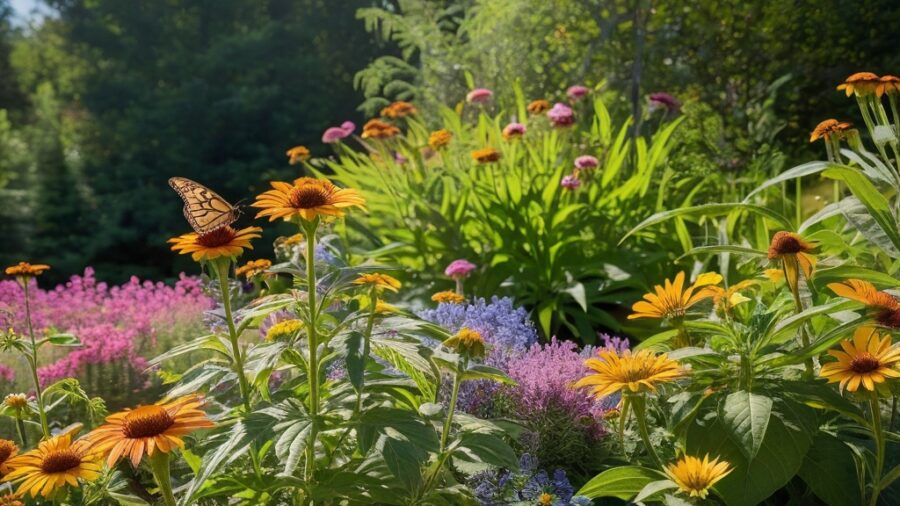
Introduction to Pollinator Gardens
In recent years, the importance of pollinator gardens has gained significant attention, particularly for their role in supporting essential species like bees and butterflies. These gardens are not only a feast for the eyes but also serve as critical habitats for these pollinators, which are vital for the ecosystem and food production. In this article, we will explore the concept of pollinator gardens, their benefits, and how to create one that attracts bees and butterflies.
Pollinator gardens come in various shapes and sizes, ranging from small urban balconies to expansive rural landscapes. The primary goal is to create a supportive environment that fosters the health and diversity of pollinator populations. By understanding the needs of these creatures, gardeners can design spaces that provide food, shelter, and breeding grounds, ultimately enhancing biodiversity.
This comprehensive guide will cover essential topics, including selecting the right plants, designing an effective layout, and maintaining your garden to ensure it remains a haven for pollinators. Whether you are a seasoned gardener or a novice, this article will equip you with the knowledge to cultivate a thriving pollinator garden.
Benefits of Pollinator Gardens
The establishment of pollinator gardens offers numerous advantages, not only for pollinators but also for the environment and human society. Below are some of the key benefits:
Enhancing Biodiversity
Pollinator gardens contribute significantly to enhancing biodiversity. By cultivating a variety of flowering plants, these gardens attract different species of pollinators, including various types of bees, butterflies, and even hummingbirds. For example, a study conducted by the University of Kentucky in 2019 found that gardens with diverse plant species supported up to 50% more pollinator species compared to monoculture gardens.
Supporting Food Production
Pollinators play an integral role in food production, as they are responsible for the pollination of approximately 75% of the world’s flowering plants, including many crops. According to the Food and Agriculture Organization (FAO), around 35% of global food production relies on pollinators. By creating a pollinator garden, you not only support local wildlife but also contribute to the sustainability of food systems.
- Increased fruit and vegetable yields
- Improved quality of produce
- Reduced need for synthetic fertilizers and pesticides
Choosing the Right Plants
Choosing the right plants is crucial for the success of your pollinator garden. Different pollinators have varied preferences when it comes to nectar and pollen sources. Here are some considerations when selecting plants:
Native Plants vs. Non-Native Plants
Native plants are adapted to local climate and soil conditions, making them more resilient and beneficial for local pollinators. They provide the necessary resources that native species of bees and butterflies have evolved to rely on. For instance, the Eastern Purple Coneflower (Echinacea purpurea) is a favorite among native bees and butterflies in eastern North America.
Blooming Seasons
To provide a continuous food source for pollinators, select plants that bloom at different times throughout the growing season. Early bloomers, such as crocuses and snowdrops, can provide essential nutrients in spring, while late bloomers like asters can support pollinators into the fall. This strategy not only aids pollinators but also extends the beauty of your garden throughout the year.
| Plant Name | Blooming Season | Attracted Pollinators |
|---|---|---|
| Echinacea purpurea | Summer | Bees, Butterflies |
| Rudbeckia hirta | Summer | Bees, Butterflies |
| Aster novae-angliae | Fall | Bees, Butterflies |
Designing Your Pollinator Garden Layout
The layout of your garden can significantly influence its effectiveness in attracting and sustaining pollinators. A well-thought-out design will create a welcoming habitat for bees and butterflies.
Garden Size and Shape
Pollinator gardens can be designed in various sizes, from small container gardens to larger plots. The shape of your garden can also affect how easily pollinators can navigate it. Consider creating a more naturalistic layout with curving paths and clusters of plants rather than straight rows. This design mimics natural habitats and can make the garden more inviting.
Creating Microhabitats
Incorporate elements that create microhabitats within your garden. Features such as rocks, logs, and water sources can provide shelter for pollinators and other wildlife. Additionally, consider planting in layers with taller plants at the back and shorter ones in the front to create a visually appealing and functional environment. This stratification allows for better access to sunlight and encourages a diverse range of species.
Maintaining Your Garden for Pollinators
Once your pollinator garden is established, maintenance becomes essential for its longevity and effectiveness. Regular care will ensure that your garden remains a vibrant sanctuary for bees and butterflies.
Watering and Fertilization
While many native plants are drought-resistant, newly planted flowers may require regular watering until established. Avoid using synthetic fertilizers as they can harm pollinators. Instead, consider organic options or compost to enrich your soil naturally.
Pest Management
Effective pest management is vital for maintaining a healthy garden. Rather than resorting to chemical pesticides, explore natural alternatives such as introducing beneficial insects or using neem oil. Additionally, keeping your garden biodiversity high can help control pest populations naturally.
- Regularly check for pests and diseases
- Encourage beneficial insects like ladybugs
- Use companion planting to deter pests
Creating a Bee and Butterfly-Friendly Environment
Creating an environment that is friendly to both bees and butterflies involves more than just selecting the right plants. It requires an understanding of their specific needs and behaviors.
Providing Nesting Habitats
Many bee species, particularly solitary bees, require specific nesting sites. To attract them, consider installing bee hotels or leaving patches of bare soil for ground-nesting species. Research indicates that about 70% of bees are ground-nesters, so providing these habitats is crucial.
Creating Safe Spaces
Pollinators are sensitive to disturbances and threats, such as pesticides and habitat destruction. Creating a garden that minimizes these risks is essential. Avoid using garden chemicals, and instead, adopt organic gardening practices to protect your pollinators. Additionally, ensure that your garden is free from litter and debris, which can harbor pests and diseases.
Common Challenges and Solutions
While establishing a pollinator garden can be rewarding, it may come with its own set of challenges. Understanding these hurdles and knowing how to address them can lead to a more successful gardening experience.
Dealing with Invasive Species
Invasive plants can outcompete native plants and disrupt local ecosystems. Regular monitoring and removal of invasive species are crucial to maintaining a healthy garden. For instance, plants like Japanese Honeysuckle and English Ivy can quickly take over and diminish the resources available for native pollinators.
Adapting to Climate Change
Climate change poses a significant threat to pollinator populations. Changes in temperature and weather patterns can alter blooming times and the availability of resources. To combat this, select a diverse range of plants that can thrive in varying conditions and monitor your garden regularly to adapt to these changes.
Conclusion
Creating a pollinator garden is a meaningful way to contribute to the health of our ecosystems while enjoying the beauty of nature. By understanding the needs of bees and butterflies, choosing the right plants, and maintaining your garden effectively, you can create a thriving habitat that supports these essential creatures.
By following the guidelines outlined in this article, you can foster biodiversity, enhance food production, and create a welcoming environment for pollinators. Remember that every small effort counts in the larger picture of environmental conservation.
FAQ about Pollinator Gardens
1. What are the best plants for attracting pollinators?
Some of the best plants for attracting pollinators include native flowers, such as Echinacea, Rudbeckia, and Aster. These plants provide nectar and pollen, which are essential food sources for bees and butterflies.
2. How much space do I need for a pollinator garden?
A pollinator garden can be as small as a few pots on a balcony or as large as a backyard. The key is to ensure that you provide a variety of plants and habitats, regardless of space.
3. How can I maintain my pollinator garden sustainably?
To maintain your garden sustainably, avoid synthetic pesticides and fertilizers, use organic materials, and encourage natural pest control methods. Regularly watering and monitoring your plants will also contribute to a healthy garden.
4. Can I create a pollinator garden in an urban setting?
Absolutely! Pollinator gardens can thrive in urban settings, such as rooftops, balconies, and community gardens. Utilize container gardening techniques and select plants that suit your climate and space.
5. How long does it take for a pollinator garden to establish?
It typically takes about 1-3 years for a pollinator garden to fully establish and start attracting a diverse range of pollinators. Patience is key, as the ecosystem will gradually develop over time.
- Pollinator gardens enhance biodiversity significantly.
- Choosing native plants is crucial for attracting local pollinators.
- Designing a naturalistic layout can improve pollinator access.
- Regular maintenance ensures long-term garden health.
- Creating safe environments helps protect pollinators from threats.
- Be proactive in dealing with invasive species and climate challenges.
- Sustainable practices are essential for maintaining a thriving garden.
- Urban settings can also support vibrant pollinator gardens.