
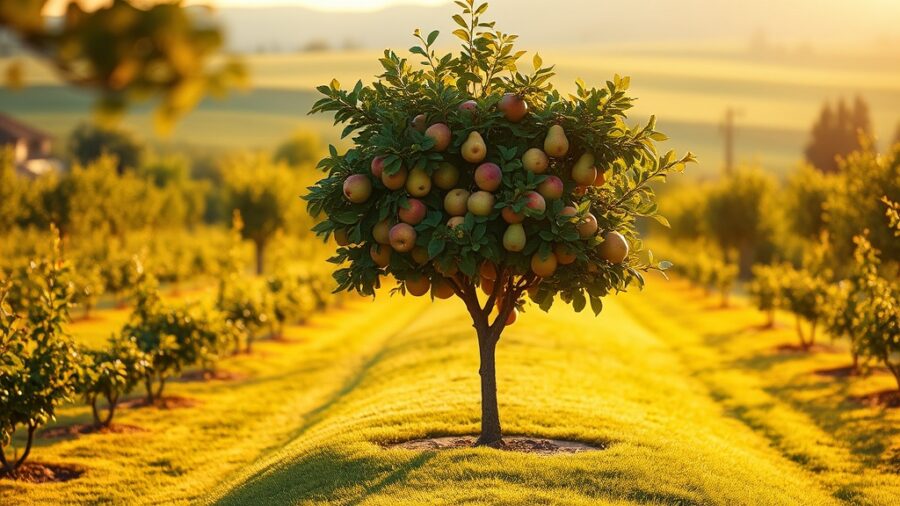
Creating Your Fruit Tree Home Orchard: A Complete Guide
Establishing a fruit tree home orchard is a rewarding endeavor that can yield delicious produce for years to come. This guide aims to equip you with the necessary knowledge to create a thriving orchard in your backyard. Whether you’re a novice gardener or an experienced horticulturist, understanding the essential elements of orchard management will enhance your skills and enjoyment in this fruitful pursuit.
In this article, we will explore various aspects of setting up your home orchard, including the right location, selecting suitable fruit trees, and maintaining them effectively. We will also address common mistakes and provide tips for a successful harvest. By the end of this guide, you will have a comprehensive understanding of how to cultivate a bountiful fruit tree home orchard that suits your lifestyle and climate.
Are you ready to dig in and learn how to transform your backyard into a vibrant orchard? Let’s get started on this fruitful journey!
Introduction to Home Orchards
The Concept of Home Orchards
A home orchard is not just a collection of fruit trees; it’s a sustainable approach to growing your own food and creating a self-sufficient ecosystem. The idea of an orchard has been around for centuries, dating back to ancient civilizations where fruit trees were cultivated not only for sustenance but also for their aesthetic value. Today, many homeowners are rediscovering the joy of growing their own fruit, which can lead to healthier lifestyles and reduced grocery bills.
Benefits of Having a Home Orchard
There are numerous benefits to establishing a fruit tree home orchard. Firstly, the taste of fresh, homegrown fruits is unparalleled compared to store-bought options. Additionally, growing your own fruit can significantly reduce your carbon footprint as you minimize transportation and packaging waste. Furthermore, maintaining an orchard provides a relaxing outdoor activity that encourages physical exercise and mental well-being.
Choosing the Right Location for Your Orchard
Sunlight and Space Requirements
To thrive, fruit trees require ample sunlight—ideally, at least six to eight hours of direct sunlight daily. Therefore, selecting a sunny location in your yard is crucial. Additionally, consider the spacing between trees; most fruit trees need adequate room to grow both above and below ground. For instance, dwarf varieties can be planted closer together, while standard-sized trees require more space, typically around 15 to 20 feet apart.
Accessibility and Drainage
Accessibility is another critical factor when choosing the location of your orchard. Ensure that the area is easily reachable for maintenance activities such as watering, fertilizing, and harvesting. Moreover, good drainage is vital; fruit trees thrive in well-drained soils as excessive moisture can lead to root rot and other diseases. If your yard has low-lying areas, consider raised beds or mounds to improve drainage.
Selecting the Best Fruit Trees for Your Climate
Understanding Your Hardiness Zone
Before selecting fruit trees, it’s essential to know your USDA hardiness zone, which indicates the average minimum winter temperatures in your region. This knowledge will help you choose trees that can withstand your local climate. For example, apple trees thrive in zones 3-8, while citrus trees prefer warmer climates, typically zones 9-11. A quick online search can provide you with a map of your hardiness zone.
Popular Fruit Trees for Home Orchards
When selecting trees, consider factors such as flavor, yield, and disease resistance. Some popular choices for home orchards include:
- Apple Trees: Versatile and come in many varieties.
- Pear Trees: Require cross-pollination for optimal fruiting.
- Peach Trees: Need full sun and are best suited for warmer climates.
- Cherry Trees: Beautiful blossoms in spring and sweet fruits.
- Citrus Trees: Ideal for warmer areas and provide aromatic fruits.
Understanding Soil and Nutritional Needs
Soil Testing and Amendments
Before planting, it’s advisable to conduct a soil test to assess pH levels and nutrient content. Most fruit trees prefer slightly acidic to neutral soil (pH 6.0–7.0). Based on the results, you may need to amend the soil with organic matter such as compost or specific fertilizers to enhance its fertility. For instance, adding lime can raise pH levels, while sulfur can lower them.
Nutritional Requirements of Fruit Trees
Fruit trees have specific nutritional needs that should be met to ensure healthy growth and optimal fruit production. Key nutrients include nitrogen, phosphorus, and potassium, often referred to as N-P-K. Here’s a brief overview:
| Nutrient | Function | Sources |
|---|---|---|
| Nitrogen (N) | Promotes leaf and shoot growth | Blood meal, fish emulsion |
| Phosphorus (P) | Supports root development and flowering | Bone meal, rock phosphate |
| Potassium (K) | Enhances fruit quality and disease resistance | Wood ash, greensand |
Planting Your Fruit Trees: Best Practices
Timing and Methods of Planting
The best time to plant fruit trees is during their dormant season, typically in late winter or early spring. This timing allows the roots to establish before the growing season begins. When planting, dig a hole that is twice as wide as the root ball but no deeper than the root collar. This ensures that the roots have room to spread while preventing water from pooling around the trunk.
Watering Techniques After Planting
After planting, watering is critical for helping your trees recover from transplant shock. Initially, water deeply but infrequently to encourage deep root growth. As the trees mature, adjust your watering schedule based on rainfall and soil moisture levels. A general rule of thumb is to provide about one inch of water per week, either through rainfall or supplemental irrigation.
Maintaining Your Orchard: Watering and Fertilizing
Watering Strategies for Optimal Growth
Consistent watering is essential, especially during dry spells. Consider implementing a drip irrigation system, which delivers water directly to the roots and minimizes evaporation. Additionally, mulching around the base of the trees can help retain soil moisture and suppress weeds. Organic mulches, such as wood chips or straw, also improve soil quality as they decompose.
Fertilization Schedule
Fertilizing your fruit trees is crucial for their health and productivity. A balanced fertilizer can be applied in early spring as the trees begin to leaf out. Follow the manufacturer’s instructions for application rates based on the age and size of your trees. Additionally, consider a second application in late summer to support fruit development.
Pest and Disease Management in Fruit Orchards
Common Pests and How to Combat Them
Fruit trees are susceptible to various pests, including aphids, codling moths, and spider mites. Implementing integrated pest management (IPM) strategies can help control these pests effectively. For example, introducing beneficial insects like ladybugs can naturally reduce aphid populations. Additionally, using insecticidal soaps or neem oil can provide relief without harming beneficial organisms.
Preventing and Treating Diseases
Common diseases affecting fruit trees include powdery mildew, fire blight, and brown rot. Preventive measures include proper spacing for air circulation, regular pruning of dead or infected branches, and applying fungicides when necessary. Early detection is key; inspect your trees regularly for signs of disease and take immediate action to prevent spread.
Harvesting and Enjoying Your Homegrown Fruits
When and How to Harvest
Harvesting your fruit trees at the right time is crucial for flavor and texture. Each type of fruit has its own indicators of ripeness. For instance, apples should be picked when they easily detach from the tree, while peaches should be slightly soft to the touch. Timing can vary based on your local climate and specific varieties, so research your specific fruits for optimal harvest times.
Storing and Using Your Fruits
Once harvested, proper storage techniques can extend the life of your fruits. Most fruits are best stored in a cool, dark place or refrigerated. For example, apples can last several months in the fridge, while berries should be consumed quickly. Additionally, consider preserving your harvest through canning, freezing, or making jams and jellies to enjoy the fruits of your labor year-round.
Common Mistakes to Avoid When Starting an Orchard
Neglecting Research and Planning
One of the most significant mistakes new orchardists make is failing to do thorough research before planting. Understanding your local climate, soil conditions, and the specific needs of different fruit trees is essential. Without this knowledge, you may end up with trees that are ill-suited for your environment, leading to poor growth and disappointing yields.
Overwatering and Under-fertilizing
Another common pitfall is the mismanagement of water and nutrients. Overwatering can lead to root rot, while under-fertilizing can stunt growth and reduce fruit production. Establish a consistent watering schedule and fertilization plan based on the needs of your specific trees and local conditions.
Conclusion and Key Takeaways
Creating a fruit tree home orchard is a fulfilling venture that brings numerous benefits, from fresh produce to enhanced home aesthetics. By choosing the right location, understanding soil needs, and selecting suitable fruit varieties, you set the foundation for a successful orchard. Regular maintenance, including proper watering, fertilizing, and pest management, is crucial to ensure your trees thrive.
As you embark on this journey, remember that patience is key. Fruit trees take time to establish and produce, but with dedication and care, you will be rewarded with bountiful harvests for years to come. Embrace the learning process, and enjoy the fruits of your labor!
FAQ
1. How long will it take for my fruit trees to produce fruit?
The time it takes for fruit trees to bear fruit varies by species. Generally, dwarf varieties may produce fruit within 3-5 years, while standard trees may take 5-7 years or more. Patience is essential as trees establish their roots and grow.
2. Can I plant different types of fruit trees together?
Yes, many fruit trees can be planted together. However, ensure that they have compatible pollination needs and spacing requirements. For example, some apple varieties benefit from cross-pollination with others.
3. What should I do if my fruit trees are not growing well?
If your trees are not thriving, assess factors such as soil quality, sunlight, and water availability. Conducting a soil test can help identify nutrient deficiencies that may be hindering growth. Adjusting care practices accordingly can improve health.
4. Is organic gardening feasible for fruit orchards?
Absolutely! Many fruit orchards can thrive under organic practices. Employing natural pest control methods, organic fertilizers, and sustainable practices can lead to healthy trees and produce.
5. How often should I prune my fruit trees?
Pruning should be done annually, typically during the dormant season. Regular pruning helps maintain tree shape, promotes air circulation, and encourages healthy growth. Be careful not to over-prune, as this can stress the tree.
Recap
- Understand the concept and benefits of home orchards.
- Choose a sunny, well-drained location with adequate space.
- Know your hardiness zone to select suitable fruit trees.
- Conduct soil tests to understand nutritional needs.
- Implement proper planting and watering techniques for healthy growth.
- Manage pests and diseases through integrated pest management.
- Harvest fruits at the right time for optimal flavor and storage.
- Avoid common mistakes by researching and planning effectively.