
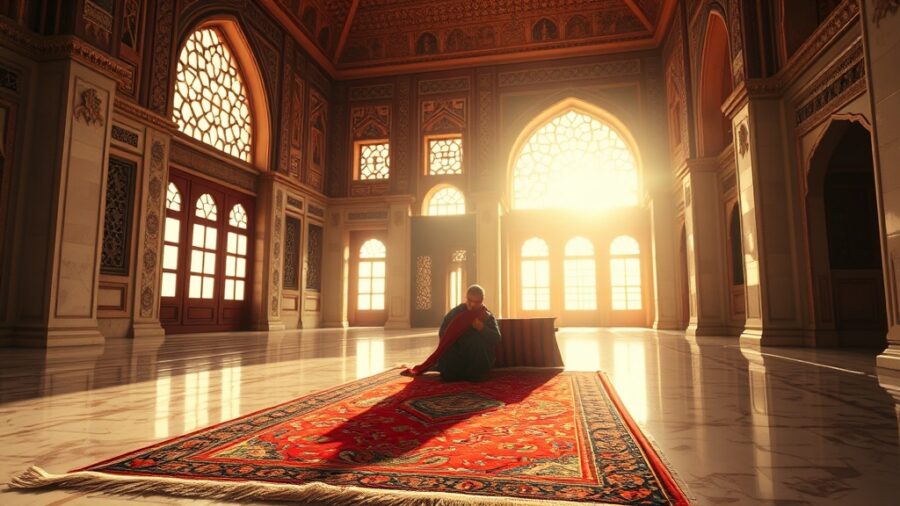
Introduction to the Persian Empire and Its Cultural Context
The Persian Empire, one of the largest empires in history, spanned three continents at its height, encompassing vast territories from the Mediterranean to the Indus Valley. Its cultural achievements are a testament to its rich and diverse society, showcasing advancements in various fields that continue to influence modern civilization. This article explores the significant cultural contributions of the Persian Empire, examining art, literature, religion, trade, and more.
Emerging in the mid-6th century BCE under the leadership of Cyrus the Great, the Persian Empire was characterized by its innovative approaches to governance and cultural acceptance. The empire was not only a political entity but also a melting pot of cultures, languages, and traditions, which fostered a unique environment for cultural achievements. This article promises to delve into the myriad ways in which the Persian Empire shaped and enriched human civilization.
As we explore the various facets of the Persian Empire’s cultural achievements, we will uncover the masterpieces of art and architecture, the profound literary and philosophical legacy, the religious beliefs that influenced societal norms, and the economic systems that facilitated cultural exchange. Each section will highlight how these achievements not only defined the empire but also left an enduring impact on future generations.
Art and Architecture: Masterpieces of the Persian Empire
The art and architecture of the Persian Empire are among its most remarkable achievements, reflecting a blend of local traditions and influences from conquered territories. Persian art is characterized by its intricate designs, vibrant colors, and symbolic motifs. The empire’s architectural marvels, such as the grand palaces and monumental structures, showcase the ingenuity and creativity of Persian artisans.
Iconic Structures and Their Significance
One of the most famous examples of Persian architecture is the Persepolis, the ceremonial capital founded by Darius I in 518 BCE. The site features impressive palaces, grand staircases, and intricately carved reliefs that depict scenes of tribute and celebration. The ruins of Persepolis stand as a testament to the empire’s power and artistic achievements.
Another significant structure is the Apadana Palace, known for its massive columns and elaborate decorations. This structure served as a venue for royal receptions and state ceremonies, reflecting the importance of architecture in representing the empire’s grandeur. The use of columns and intricate stone carvings became hallmarks of Persian architecture, influencing subsequent architectural styles in the region.
Artistic Expression and Cultural Symbolism
Persian art is not only defined by its physical structures but also by its decorative arts, including pottery, textiles, and miniature paintings. These art forms often feature themes of nature, mythology, and daily life, showcasing the rich tapestry of Persian culture. For instance, the Persian carpets are renowned for their intricate designs and craftsmanship, symbolizing the empire’s wealth and artistic talent.
The use of motifs such as the Lotus flower and the Simurgh (a mythical bird) in Persian art reflects the empire’s connection to nature and spirituality. These symbols were not only aesthetically pleasing but also held significant cultural meanings, representing purity, life, and the divine.
- Persepolis: Ceremonial capital founded by Darius I
- Apadana Palace: Venue for royal receptions
- Persian carpets: Symbols of wealth and artistry
- Use of nature motifs: Connection to spirituality
Literature and Philosophy: The Intellectual Legacy
The Persian Empire’s cultural achievements extend significantly into the realms of literature and philosophy. Persian literature is rich with poetic forms, historical narratives, and philosophical treatises that have shaped literary traditions in the region and beyond. The empire fostered a vibrant literary culture that celebrated storytelling and intellectual discourse.
The Epic Poems of the Persian Tradition
One of the most significant works of Persian literature is the Shahnameh, or “The Book of Kings,” written by the poet Ferdowsi around the year 1000 CE. This epic poem chronicles the history of Persia from its mythical origins to the Islamic conquest. Ferdowsi’s use of the Persian language helped preserve the cultural identity of the empire, making the Shahnameh a cornerstone of Persian literature.
The Shahnameh is not just a historical account; it also reflects the values and beliefs of Persian society, emphasizing themes such as heroism, justice, and the struggle against tyranny. The characters and stories within the Shahnameh continue to resonate with readers today, highlighting the enduring legacy of Persian literary traditions.
Philosophical Thoughts and Influential Thinkers
In addition to epic poetry, the Persian Empire was home to influential philosophers who contributed to intellectual thought. Thinkers such as Omar Khayyam and Rumi explored themes of existence, love, and spirituality through their writings. Khayyam, known for his quatrains, delved into the nature of life and the human experience, while Rumi’s poetry encapsulates deep spiritual insights and the quest for divine love.
The philosophical contributions of these figures have had a lasting impact on both Eastern and Western thought, influencing various fields including literature, theology, and ethics. The exchange of ideas within the Persian Empire, facilitated by its extensive trade routes, allowed for a rich dialogue between cultures, further enhancing its intellectual legacy.
Religion and Mythology: Beliefs that Shaped Society
The religious landscape of the Persian Empire was diverse, encompassing various beliefs and practices. The dominant religion was Zoroastrianism, founded by the prophet Zoroaster in the 6th century BCE. This ancient faith introduced concepts of dualism, the eternal struggle between good and evil, and the importance of individual choice in shaping one’s destiny.
Zoroastrianism and Its Influence on Society
Zoroastrianism played a crucial role in shaping the moral and ethical framework of Persian society. The teachings of Zoroaster emphasized the importance of truth, righteousness, and respect for nature. These principles were reflected in the governance of the Persian Empire, where leaders were expected to uphold justice and benevolence.
Furthermore, the Zoroastrian belief in an afterlife and the concept of a final judgment influenced later religious traditions, including Judaism, Christianity, and Islam. The fire temples, which served as places of worship, symbolized the sacredness of fire and its role as a purifier, further illustrating the profound impact of Zoroastrianism on Persian culture.
Mythology and Its Cultural Significance
Persian mythology is rich with legends and tales that explain the origins of the world, humanity, and the divine. The stories of heroes, gods, and mythical creatures are integral to Persian identity and cultural values. Myths such as the tales of Rostam, the legendary hero of the Shahnameh, embody ideals of bravery, loyalty, and sacrifice.
These myths not only serve as entertainment but also function as moral guides, teaching lessons about virtue and the consequences of one’s actions. The cultural significance of these stories is evident in Persian art, literature, and oral traditions, which continue to be celebrated and retold across generations.
| Religion/Mythology | Key Concepts | Influence on Society |
|---|---|---|
| Zoroastrianism | Dualism, truth, individual choice | Moral framework, governance |
| Persian Mythology | Legends, heroes, moral lessons | Cultural identity, artistic expression |
Trade and Economy: The Backbone of Cultural Exchange
The Persian Empire’s vast size and strategic location facilitated extensive trade networks that were crucial for its economy and cultural exchange. The empire connected the East and West, enabling the flow of goods, ideas, and innovations across its territories. The Royal Road, established by Darius I, played a significant role in this exchange, allowing for efficient communication and transportation.
Trade Routes and Economic Impact
The Royal Road, stretching over 2,500 kilometers, linked key cities such as Sardis, Susa, and Babylon. This route not only facilitated trade in valuable commodities such as silk, spices, and precious metals but also promoted cultural interactions among diverse peoples. The efficient postal system established along the road allowed for quick dissemination of information, further enhancing trade opportunities.
As a result of these trade networks, the Persian Empire became a melting pot of cultures, where merchants, travelers, and scholars exchanged ideas and goods. The economic prosperity generated by trade helped fund cultural projects, including the construction of palaces, temples, and public works.
Cultural Exchange and Its Effects
The interactions facilitated by trade resulted in significant cultural exchange, leading to the introduction of new technologies, art forms, and religious practices. For instance, the influence of Greek culture can be seen in Persian art and architecture following the conquests of Alexander the Great. This blending of cultures enriched the Persian artistic landscape, resulting in unique styles that reflected a fusion of traditions.
Moreover, the Persian Empire’s role in the Silk Road trade network allowed for the exchange of scientific knowledge, including advancements in mathematics, astronomy, and medicine. This exchange laid the groundwork for future innovations and discoveries that would shape the course of history.
- Royal Road: Key trade route of the empire
- Trade in silk, spices, and precious metals
- Cultural interactions among diverse peoples
- Impact on art, science, and technology
The Persian Empire’s Influence on Modern Culture
The cultural achievements of the Persian Empire have left an indelible mark on contemporary society, influencing various aspects of modern culture, art, and philosophy. The legacy of Persian art can be seen in contemporary design, while the literary contributions continue to inspire writers and poets around the world.
Artistic Influences in Modern Times
Many modern artists draw inspiration from the intricate patterns and motifs characteristic of Persian art. The use of geometric designs and vibrant colors can be found in various forms of contemporary art, including textiles, ceramics, and graphic design. Persian miniature painting, with its detailed and colorful depictions, has also influenced modern illustration and visual storytelling.
Moreover, the architectural style of the Persian Empire has impacted modern architecture, with elements such as domes, arches, and intricate tile work being incorporated into contemporary buildings. The revival of interest in Persian architecture can be seen in various projects around the world, blending traditional designs with modern functionality.
Literary Legacy and Philosophical Thought
The literary works of the Persian Empire continue to resonate with readers today, transcending cultural and linguistic barriers. The themes explored in epic poetry, such as love, heroism, and the human condition, are universal and remain relevant in contemporary literature. Writers and poets often reference the works of Ferdowsi, Rumi, and Khayyam, drawing upon their ideas to explore modern themes.
Furthermore, the philosophical insights of these thinkers have influenced modern philosophical discourse, particularly in areas such as existentialism and spirituality. The emphasis on individual experience and the search for meaning in life continues to be a central theme in contemporary philosophy, echoing the teachings of Persian intellectuals.
Conclusion: The Enduring Legacy of the Persian Empire
The cultural achievements of the Persian Empire are a testament to its rich history and enduring impact on the world. From the breathtaking art and architecture to the profound literary and philosophical contributions, the empire has shaped the course of human civilization in significant ways. The legacy of Zoroastrianism and Persian mythology continues to influence religious and cultural practices today, while the trade networks established by the empire laid the foundation for global commerce and cultural exchange.
As we reflect on the Persian Empire’s contributions, it is clear that its achievements have transcended time and geography, leaving an indelible mark on modern culture. The fusion of diverse traditions and ideas within the empire created a vibrant cultural landscape that continues to inspire and inform contemporary society.
Frequently Asked Questions about the Persian Empire
What were the main cultural achievements of the Persian Empire?
The Persian Empire is renowned for its achievements in art, architecture, literature, and philosophy. Key contributions include the construction of monumental structures like Persepolis, the epic poetry of Ferdowsi, and the philosophical insights of thinkers such as Rumi and Khayyam.
How did Zoroastrianism influence Persian society?
Zoroastrianism provided a moral and ethical framework for Persian society, emphasizing truth, righteousness, and the importance of individual choice. Its teachings influenced governance and social norms, shaping the values of the empire.
What role did trade play in the Persian Empire’s cultural exchange?
Trade was pivotal in facilitating cultural exchange within the Persian Empire. The extensive trade networks allowed for the flow of goods, ideas, and innovations, enriching the cultural landscape and promoting interactions among diverse peoples.
How did Persian art impact modern artistic expressions?
Persian art continues to influence modern artistic expressions through its intricate patterns, vibrant colors, and thematic motifs. Contemporary artists often incorporate elements of Persian design into textiles, ceramics, and visual art.
What is the significance of the Shahnameh in Persian literature?
The Shahnameh, written by Ferdowsi, is significant as it preserves Persian cultural identity through its epic storytelling. The poem emphasizes themes of heroism and justice, making it a cornerstone of Persian literature and a source of inspiration for generations.
Recap
- The Persian Empire was a cultural melting pot that produced significant achievements in various fields.
- Art and architecture, exemplified by Persepolis, reflect the empire’s grandeur and ingenuity.
- Literature, particularly the Shahnameh, preserves Persian cultural identity and values.
- Zoroastrianism shaped the moral framework of society and influenced later religions.
- Trade networks facilitated extensive cultural exchange, enriching the empire’s cultural landscape.
- The legacy of the Persian Empire continues to impact modern art, literature, and philosophy.
- The blending of diverse traditions within the empire created a vibrant cultural heritage.
- The enduring influence of Persian cultural achievements is evident in contemporary society.