
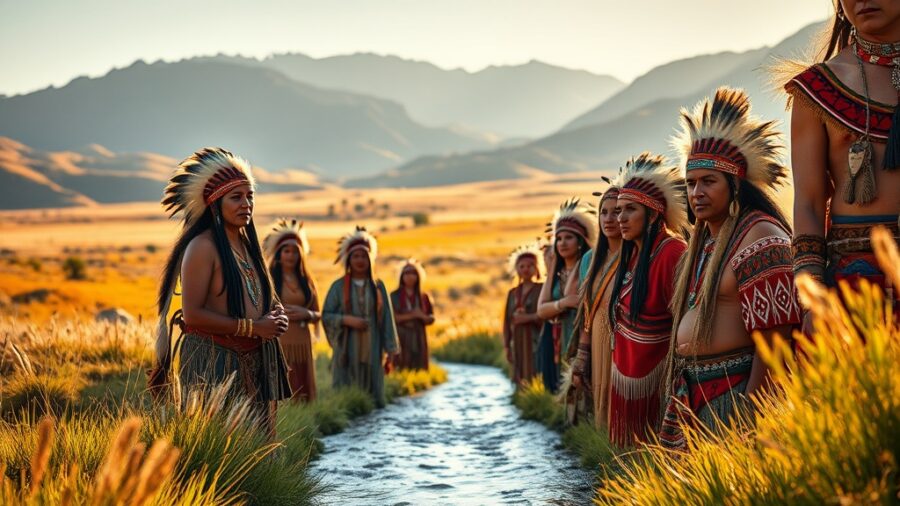
Exploring Native American Cultures Diversity
The diversity of Native American cultures is a rich tapestry woven from the threads of history, language, spirituality, and tradition. Each tribe, with its unique customs and beliefs, contributes to a broader understanding of what it means to be Native American. This article will delve into the multifaceted nature of these cultures, examining their historical roots, linguistic variations, religious practices, and modern challenges. Readers will gain insight into how these diverse elements coexist and continue to thrive today.
From the arid deserts of the Southwest to the lush forests of the Pacific Northwest, Native American tribes exhibit a remarkable range of cultural practices. The diversity among these groups is not merely a matter of geography but is also shaped by historical events, interactions with European settlers, and adaptation to contemporary society. Understanding this diversity is crucial for appreciating the enduring legacy of Native American cultures.
In the following sections, we will explore various aspects of Native American life, including language, art, and spirituality. We will also discuss the challenges these cultures face in the modern world, particularly in terms of preservation and representation. By the end of this article, readers will have a comprehensive view of the vibrant and diverse cultures that make up the Native American identity.
Historical Overview of Native American Societies
The Origins of Native American Cultures
The history of Native American societies dates back thousands of years, with evidence suggesting that the first inhabitants arrived in North America over 15,000 years ago via the Bering Land Bridge. These early populations adapted to diverse environments, leading to the development of distinct cultures and lifestyles. For example, the Plains tribes, such as the Lakota and Cheyenne, became nomadic hunters following the vast herds of buffalo, while the Pueblo peoples in the Southwest developed complex agricultural societies.
Throughout history, Native American societies have been characterized by their ability to adapt. The introduction of agriculture around 3,000 years ago transformed many tribes, leading to the establishment of permanent settlements. This shift allowed for the growth of trade networks and cultural exchanges among tribes. By the time European explorers arrived in the 15th century, there were over 300 distinct tribes, each with its own language, customs, and governance structures.
Impact of European Colonization
The arrival of European settlers marked a significant turning point for Native American societies. From the 16th century onwards, colonization brought about profound changes, including the introduction of new diseases that decimated populations. The establishment of treaties often resulted in the forced removal of tribes from their ancestral lands. The Indian Removal Act of 1830 is a notable example, leading to the tragic Trail of Tears, where thousands of Native Americans were forcibly relocated, suffering immense hardships.
Despite these challenges, many tribes exhibited resilience, maintaining their cultural practices and adapting to new circumstances. The late 19th and early 20th centuries saw a resurgence of cultural pride as Native Americans began to reclaim their identities and fight against assimilation policies. This historical context is essential for understanding the current diversity of Native American cultures.
Language Diversity Among Native American Tribes
Rich Linguistic Heritage
One of the most striking aspects of Native American cultures is their linguistic diversity. There are over 300 distinct languages spoken by Native American tribes, belonging to various language families such as Algonquian, Siouan, and Athabaskan. Each language reflects the unique worldview and cultural nuances of its speakers. For instance, the Navajo language, part of the Athabaskan family, is known for its complex verb structure and rich vocabulary that encapsulates the tribe’s connection to the land.
Language is not merely a means of communication; it is a vessel for cultural transmission. Oral traditions, stories, and songs are often tied to specific languages, emphasizing the importance of preserving these languages for future generations. However, many Native American languages are endangered, with fewer speakers each year. Efforts to revitalize languages, such as immersion schools and community programs, are crucial for maintaining this linguistic diversity.
The Role of Language in Cultural Identity
The preservation of language is vital for the cultural identity of Native American tribes. Language shapes how individuals perceive the world and express their cultural heritage. For example, certain concepts in Native American languages may not have direct translations in English, highlighting the unique cultural perspectives of these communities. The Lakota language, for instance, includes terms that embody the values of respect and interconnectedness with nature.
Moreover, the resurgence of interest in Native American languages has fostered a sense of pride among younger generations. Programs aimed at teaching these languages in schools and community centers are emerging, providing opportunities for young people to connect with their heritage. This revitalization is essential for the continuity of cultural practices and the strengthening of tribal identities.
Religious Practices and Spiritual Beliefs
Spirituality in Native American Cultures
Religious practices among Native American tribes are as diverse as the tribes themselves, often deeply rooted in a profound connection to the land and nature. Many tribes believe in a spiritual world that coexists with the physical realm, where spirits inhabit animals, plants, and natural features. The concept of interconnectedness is central, emphasizing that all elements of the universe are interrelated.
Rituals and ceremonies play a crucial role in Native American spirituality. These practices may involve offerings, prayers, and dances, often performed to honor the spirits, seek guidance, or celebrate significant life events. For example, the Sun Dance is a ceremonial event among Plains tribes that involves fasting, dancing, and self-sacrifice as a way to connect with the Creator and seek healing.
Variations in Beliefs Among Tribes
While there are common themes in Native American spirituality, beliefs can vary significantly among different tribes. Some tribes, such as the Hopi, have a unique cosmology that includes specific deities and creation stories that are integral to their cultural identity. Others, like the Cherokee, may incorporate elements of Christianity into their spiritual practices, reflecting a synthesis of indigenous and colonial influences.
Understanding these variations is essential for appreciating the richness of Native American spiritual practices. Each tribe’s beliefs are not just religious but are also tied to their cultural heritage, history, and social structures. This diversity in spiritual beliefs reflects the adaptive nature of Native American cultures in the face of changing circumstances.
Customs and Traditions: A Cultural Examination
Daily Life and Social Structure
Native American customs and traditions are often dictated by the environment, social structure, and historical experiences of each tribe. Daily life can vary greatly depending on whether a tribe is nomadic, agricultural, or urban. For instance, the Iroquois Confederacy, known for its sophisticated political system, emphasizes community decision-making and consensus, which is reflected in their customs.
Social structures within tribes can also differ, with some tribes practicing matrilineal descent while others follow patrilineal lines. The role of women, for example, is often significant in many Native American societies, where they may hold positions of power in decision-making processes. The matriarchs of tribes often serve as the keepers of traditions and knowledge, ensuring the transmission of cultural practices to future generations.
Festivals and Celebrations
Cultural celebrations and festivals are an essential aspect of Native American life, providing opportunities for communities to come together and honor their heritage. Events such as powwows, which are gatherings featuring dancing, singing, and storytelling, serve as vibrant expressions of cultural identity. Powwows are often held to commemorate historical events, seasonal changes, or tribal reunions.
These celebrations not only reinforce cultural ties but also promote intertribal connections, fostering a sense of unity among diverse tribes. During these events, traditional foods, clothing, and crafts are showcased, highlighting the richness of Native American cultures. Through such customs, tribes can celebrate their diverse histories while also addressing contemporary issues facing their communities.
The Role of Art and Music in Native American Cultures
Artistic Expressions
Art plays a pivotal role in Native American cultures, serving as a means of storytelling, cultural expression, and spiritual connection. Traditional crafts, such as beadwork, pottery, and weaving, are not only functional but also imbued with cultural significance. Each piece of art often carries stories or symbols that reflect the tribe’s history and beliefs.
For example, the intricate designs of Navajo rugs are often inspired by natural elements and traditional stories, showcasing the connection between art and the environment. Similarly, the totem poles of the Pacific Northwest tribes serve as visual narratives that represent clan lineage, historical events, and spiritual beliefs. Through these artistic expressions, tribes preserve their cultural heritage and pass it on to future generations.
Music and Dance as Cultural Narratives
Music and dance are integral to Native American cultures, serving as powerful forms of expression and communication. Traditional songs often convey stories, teachings, and spiritual messages, connecting the present with the past. Drumming, singing, and dancing are commonly featured in ceremonies and celebrations, creating a communal atmosphere of shared experience.
The role of music is especially evident during powwows, where various dance styles, such as the fancy dance and grass dance, showcase the diversity of Native American cultures. Each dance style is accompanied by specific songs and rhythms, reflecting the unique cultural identity of the tribe. This vibrant expression of culture through music and dance not only entertains but also reinforces social cohesion and cultural pride.
Modern Challenges and Preservation of Diversity
Contemporary Issues Facing Native American Communities
Despite the resilience of Native American cultures, modern challenges continue to threaten their diversity and existence. Issues such as poverty, inadequate healthcare, and limited access to education persist in many tribal communities. According to the U.S. Census Bureau, Native Americans experience higher rates of unemployment and lower levels of educational attainment compared to the national average.
Moreover, the ongoing struggle for land rights and sovereignty remains a critical concern for many tribes. Legal battles over land disputes and resource extraction often place indigenous rights at odds with economic interests. These challenges highlight the need for greater awareness and advocacy for the preservation of Native American cultures and rights.
Efforts to Preserve Cultural Diversity
In response to these challenges, many tribes have initiated cultural preservation programs aimed at revitalizing languages, traditions, and practices. Community-driven efforts, such as language immersion schools and cultural workshops, play a vital role in educating younger generations about their heritage. Organizations focused on cultural preservation work to document and promote Native American histories, ensuring that these rich traditions are not lost to time.
Collaborations between tribes, educational institutions, and governmental bodies have also emerged to support these initiatives. By fostering greater understanding and respect for Native American cultures, these efforts contribute to the broader goal of preserving the diversity of cultures that enrich the American landscape.
Conclusion: Embracing the Rich Diversity
The diversity of Native American cultures is a testament to the resilience, adaptability, and richness of these communities. From their historical roots to contemporary challenges, each tribe offers unique perspectives that contribute to the broader narrative of American history. Understanding and appreciating this diversity is essential for fostering respect and collaboration between cultures.
As we move forward, it is crucial to support initiatives aimed at preserving Native American languages, traditions, and rights. By embracing the rich tapestry of Native American cultures, we not only honor their past but also pave the way for a more inclusive and equitable future.
FAQs about Native American Cultures
1. What are some common misconceptions about Native American cultures?
Many people mistakenly view Native American cultures as monolithic, failing to recognize the vast diversity among tribes. Each tribe has its own unique customs, languages, and histories, making it essential to approach these cultures with an understanding of their individuality.
2. How are Native American languages being preserved today?
Efforts to preserve Native American languages include language immersion schools, community classes, and online resources. Many tribes are actively working to teach younger generations their ancestral languages to ensure their survival.
3. What role does art play in Native American cultures?
Art serves as a means of storytelling, cultural expression, and spiritual connection in Native American cultures. Traditional crafts and artistic expressions reflect the tribe’s history and beliefs, reinforcing cultural identity.
4. How do Native American spiritual beliefs differ among tribes?
Native American spiritual beliefs can vary widely among tribes, with some incorporating elements of Christianity while others maintain traditional practices. Each tribe’s spirituality is often closely tied to their unique history and environment.
5. What are some contemporary challenges facing Native American communities?
Contemporary challenges include poverty, limited access to healthcare and education, and ongoing struggles for land rights. These issues highlight the need for greater support and advocacy for Native American rights and cultural preservation.
Key Takeaways
- Native American cultures are incredibly diverse, with over 300 distinct languages and unique customs.
- Historical events, such as European colonization, have significantly impacted Native American societies.
- Language preservation is crucial for cultural identity and continuity among tribes.
- Art, music, and dance are vital forms of expression that reinforce cultural heritage.
- Modern challenges, including poverty and land rights, threaten the preservation of these cultures.
- Community-driven initiatives are essential for revitalizing traditions and languages.
- Embracing the diversity of Native American cultures fosters respect and understanding.
- Continued advocacy and support are necessary for the survival and flourishing of Native American identities.