
Introduction
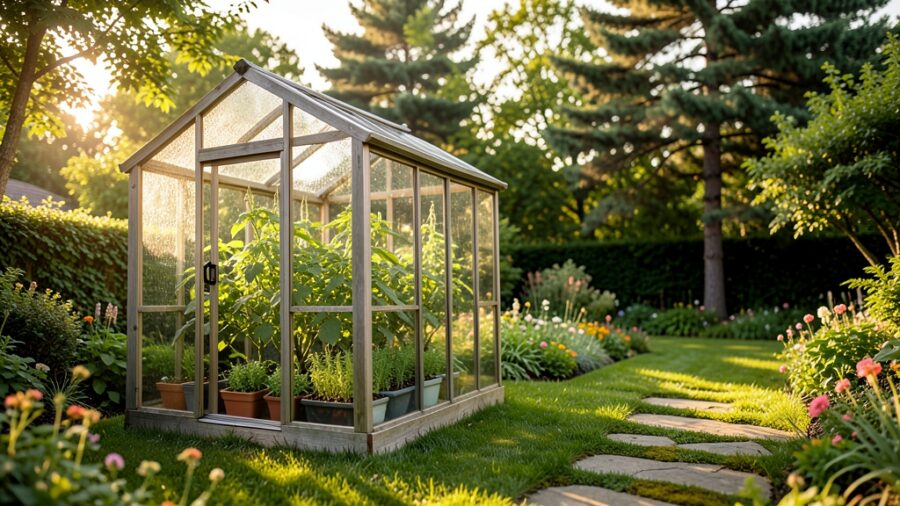
Creating a greenhouse small backyard DIY project is an exciting venture that allows you to cultivate your favorite plants, vegetables, and herbs right at home. Whether you are a seasoned gardener or just starting, a greenhouse offers a controlled environment that can significantly enhance your gardening experience. In this comprehensive guide, we will explore various aspects of building and maintaining a small greenhouse in your backyard.
From choosing the right location and materials to understanding design options and maintenance practices, this guide is designed to equip you with all the information necessary for a successful DIY greenhouse project. By the end of this article, you will have a clear understanding of how to construct a greenhouse tailored to your specific needs.
Not only does a greenhouse provide a place to grow plants year-round, but it also offers numerous benefits that can enhance your gardening efforts. Let’s dive deeper into the world of backyard greenhouses and discover how you can create one that suits your lifestyle and gardening goals.
Choosing the Right Location for Your Greenhouse
The location of your greenhouse is crucial for its success. A well-placed greenhouse can maximize sunlight exposure, facilitate water drainage, and enhance accessibility. Here are some key factors to consider when selecting the ideal spot for your small backyard greenhouse.
Sunlight Exposure
Choosing a location that receives adequate sunlight is essential for plant growth. Ideally, your greenhouse should receive at least six hours of direct sunlight each day. Observe the sunlight patterns in your backyard throughout the day to identify the best location. Consider positioning the greenhouse with its longest side facing south to capture the most sunlight.
Accessibility and Space
Accessibility is another important aspect to consider. Ensure that your greenhouse is easily reachable from your home and that you have sufficient space for walking around it. Having a well-organized workspace will make gardening tasks more enjoyable and efficient. Additionally, consider how close the greenhouse is to water sources, as this will facilitate irrigation.
Materials Needed for a Small Backyard Greenhouse
Once you’ve chosen a location, the next step is gathering the necessary materials. Selecting the right materials is vital for ensuring the durability and functionality of your greenhouse. Here’s a breakdown of the essential materials you will need.
Frame Materials
The frame of your greenhouse can be constructed using various materials, including wood, metal, or PVC. Each material has its pros and cons:
- Wood: Aesthetic appeal but may require more maintenance.
- Metal: Durable and long-lasting, but may be more expensive.
- PVC: Lightweight and inexpensive, suitable for smaller structures.
Covering Materials
The covering material is crucial for protecting your plants while allowing sunlight to pass through. Common options include:
- Polycarbonate panels: Excellent insulation and UV protection.
- Polyethylene film: Cost-effective and easy to install, though less durable.
- Glass: Provides a traditional look and great light transmission, but can be heavy and expensive.
DIY Greenhouse Design Options
There are numerous design options available for a small backyard greenhouse, each catering to different gardening needs and aesthetic preferences. Understanding these designs will help you choose a structure that works best for you.
Lean-To Greenhouse
A lean-to greenhouse is an excellent option if you are short on space. This design leans against an existing wall, making it a space-efficient choice. It benefits from the thermal mass of the wall, which can help regulate temperatures inside the greenhouse.
Freestanding Greenhouse
A freestanding greenhouse offers more flexibility in terms of size and shape. This design can be placed anywhere in your backyard, allowing for a more extensive growing area. Freestanding greenhouses can be customized to fit your specific needs, whether for growing vegetables, flowers, or herbs.
Building Your Greenhouse: Step-by-Step Instructions
Constructing your greenhouse can be a rewarding DIY project. Here’s a step-by-step guide to help you through the building process.
Step 1: Prepare the Site
Start by clearing the area where you plan to build your greenhouse. Remove any grass, weeds, or debris to create a level surface. If necessary, use a shovel to level the ground and ensure proper drainage.
Step 2: Build the Frame
Once the site is prepared, begin constructing the frame. If you are using wood, make sure to treat it with a preservative to extend its lifespan. Assemble the frame according to your chosen design, ensuring that it is square and level.
Step 3: Install the Covering
After the frame is complete, it’s time to install the covering material. Follow the manufacturer’s instructions for your specific covering material to ensure proper installation. Make sure all seams are sealed to prevent drafts and moisture loss.
Maintaining Your Greenhouse: Tips and Techniques
Once your greenhouse is built, proper maintenance is essential for optimal plant growth. Regular upkeep will ensure a healthy environment for your plants.
Temperature Control
Monitoring and controlling the temperature inside your greenhouse is vital, especially during extreme weather conditions. Use ventilation systems, fans, and heaters to maintain a stable temperature. Consider installing thermostats for automated control.
Pest and Disease Management
Regularly inspect your plants for signs of pests and diseases. Implement integrated pest management (IPM) techniques, such as introducing beneficial insects, to keep your greenhouse ecosystem balanced. Keep the area clean and remove any dead or diseased plants promptly.
Benefits of Having a Greenhouse in Your Backyard
Investing in a greenhouse offers numerous advantages for gardening enthusiasts. Here are some key benefits:
Extended Growing Season
A greenhouse allows you to start planting earlier in the spring and continue growing later into the fall. This extended growing season means you can enjoy fresh produce year-round.
Protection from Weather Extremes
Greenhouses provide a controlled environment that protects plants from harsh weather conditions, such as frost or excessive heat. This protection helps ensure a successful harvest, regardless of external weather conditions.
Conclusion
Building a greenhouse small backyard DIY offers many rewards, from enhanced gardening experiences to the joy of cultivating plants year-round. By carefully selecting the right location, materials, and design, you can create a greenhouse that meets your specific needs and preferences.
Additionally, maintaining your greenhouse through regular upkeep will ensure a thriving environment for your plants. Embrace the benefits of having a greenhouse in your backyard, and enjoy the satisfaction of growing your own food and flowers.
FAQ
1. How much does it cost to build a small greenhouse?
The cost of building a small greenhouse can vary widely, depending on the materials and size. On average, expect to spend between $500 to $3,000 for a DIY greenhouse project.
2. What is the best material for greenhouse covering?
Polycarbonate panels are often recommended for their durability and excellent insulation properties. However, polyethylene film is a cost-effective alternative for those on a budget.
3. Can I grow vegetables in a small greenhouse?
Yes, a small greenhouse is perfect for growing a variety of vegetables. You can successfully cultivate tomatoes, peppers, cucumbers, and many other vegetables in a controlled environment.
4. How do I ventilate my greenhouse?
Proper ventilation can be achieved through roof vents, side vents, or fans. Automated systems can also help regulate airflow, ensuring a stable temperature and humidity level.
5. How often should I water plants in a greenhouse?
Watering frequency depends on the plants and environmental conditions. Generally, check the soil moisture regularly and water when the top inch of soil feels dry.
Recap
- Choosing the right location is crucial for greenhouse success.
- Gather essential materials, including frame and covering options.
- Explore various greenhouse designs to find the best fit for your space.
- Follow step-by-step instructions for building your greenhouse.
- Regular maintenance is key to a thriving greenhouse environment.
- Enjoy the benefits of an extended growing season and protection from weather extremes.
- Budget wisely for your DIY project to ensure successful completion.
- Regularly monitor and care for your plants to achieve optimal growth.
This content is informative and does not replace medical or psychological evaluation or treatment.