
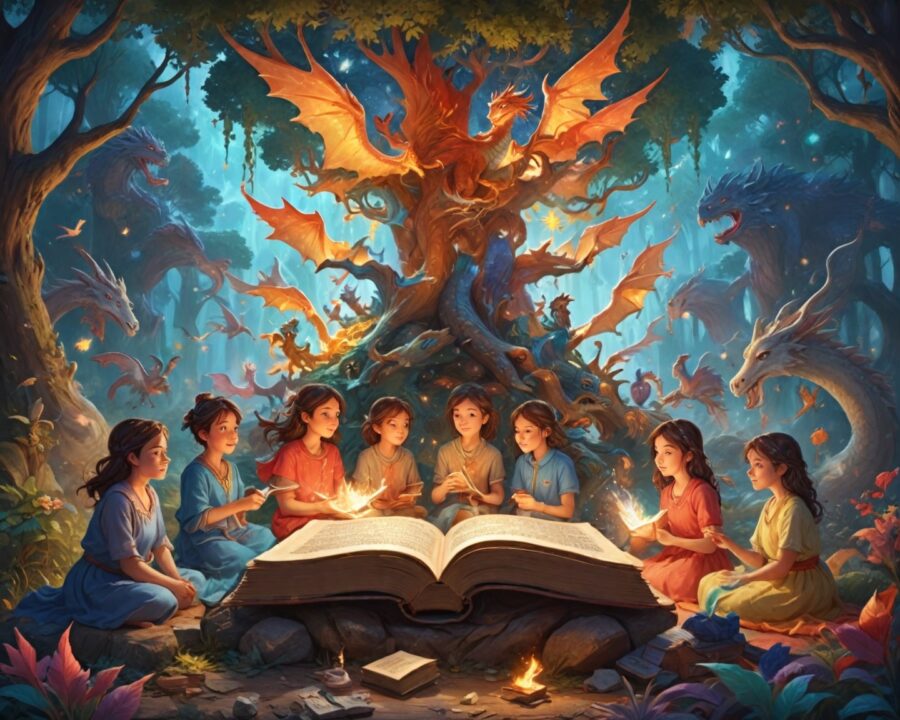
Mythology has fascinated humans for centuries, providing us with tales of gods, heroes, monsters, and great adventures. It serves as one of the earliest forms of storytelling, capturing the imaginations of both young and old. From the mighty Zeus of Greek mythology to the cunning Anansi of African lore, these stories have been passed down through generations and continue to hold a significant place in modern culture. Whether you are a child marveling at Loki’s trickery or an adult pondering the moral lessons behind these tales, mythology offers a timeless exploration of the human experience.
With its universal themes and intricate narratives, mythology serves as a bridge connecting the past to the present. It offers valuable insights into the cultures from which these stories originated and the values they esteemed. As we explore the realm of mythology, we extend an invitation to both beginners and enthusiasts to delve into a world where the impossible becomes possible, and where lessons as old as time continue to resonate in new and profound ways.
What is mythology? A simple definition for all ages
Mythology is a collection of stories or myths belonging to a particular religious or cultural tradition. These narratives often involve gods, heroes, and supernatural beings and are used to explain natural phenomena, cultural practices, and historical events. For beginners, it is essential to understand that mythology is not just about ancient stories but also encompasses the beliefs and values of the cultures from which they originate.
At its core, mythology serves as a way for humans to make sense of the world around them. These stories provide explanations for the creation of the earth, the cycles of nature, and even the intricacies of human behavior. By personifying natural elements and phenomena through gods and mythological beings, ancient cultures created a framework through which they could understand and navigate the complexities of life.
For children, mythology can be a fun and engaging way to learn about different cultures and history. As they explore tales of bravery, trickery, and adventure, they also gain insights into the moral lessons encoded within these stories. For adults, mythology can offer deeper contemplation of philosophical and ethical questions, making it a lifelong source of inspiration and reflection.
The role of myths in ancient cultures
In ancient cultures, myths served several critical functions, acting as both an educational tool and a means of cultural preservation. They were an essential part of religious traditions, explaining the universe and the divine beings that governed it. Through rituals and storytelling, these myths were passed down orally, preserving the wisdom and knowledge of elders for future generations.
Another crucial role of myths was to establish cultural norms and ethics. Stories of gods and heroes often included lessons on virtue, morality, and social behavior. Ancient peoples learned how to live within their societies by reflecting on these narratives. Myths also helped explain the consequences of certain actions, guiding individuals in making choices that aligned with societal values.
Additionally, mythology played a crucial part in the artistic and intellectual life of ancient civilizations. Myths inspired various forms of art, such as sculptures, paintings, and literature, contributing to the cultural richness of these societies. By understanding mythology, modern audiences gain insight into the symbolism and motifs expressed in these ancient works, allowing for a more profound appreciation of their historical and cultural significance.
Popular myths from around the world
Mythology is not confined to a single region or culture; it is a global phenomenon, with diverse stories emerging from every corner of the world. Here are a few well-known myths that continue to captivate audiences today:
-
Greek Mythology – Stories like the “The Odyssey” and “The Iliad” feature epic tales of gods, heroes, and their adventures. Zeus, the ruler of Mount Olympus, is a central figure, influencing both human and divine events.
-
Norse Mythology – Famed for its vivid portrayal of Ragnarok, the end of the world, and tales of gods like Odin and Thor. Norse myths have a distinct flavor, combining themes of heroism with fatalism.
-
Egyptian Mythology – Rich in symbolism and rituals, Egyptian myths describe the gods’ roles in maintaining the order of Ma’at, or balance. The story of Osiris and Isis is a prominent tale of love, betrayal, and resurrection.
-
Hindu Mythology – With millions of deities and a plethora of tales, Hindu mythology encompasses epic poems like the “Mahabharata” and “Ramayana,” each filled with lessons on dharma and righteousness.
-
Chinese Mythology – Featuring a mixture of deities, heroes, and mythic creatures, Chinese mythology includes legends such as the creation of the universe by Pan Gu and the Monkey King’s adventures.
These myths, among others, offer a rich tapestry of narratives that reflect cultural values, inspire moral reflection, and entertain audiences with their imaginative worlds.
How myths teach life lessons to kids and adults
Myths are more than just stories; they are vehicles for conveying important life lessons to both children and adults. These lessons often explore themes of courage, honor, love, and resilience, providing valuable insights into human behavior and societal norms.
For children, myths present characters and scenarios that illustrate the importance of integrity, responsibility, and compassion. Tales of heroes facing trials and tribulations teach kids that perseverance and determination are essential qualities for overcoming obstacles. Stories where cunning and intelligent characters succeed impart the value of wit and resourcefulness.
Adults, on the other hand, may find deeper philosophical meanings in myths. Themes of hubris, fate, and redemption resonate with the complexities of adult life. Understanding the consequences faced by mythological characters for their actions allows adults to reflect on their own life choices and ethics. By revealing the dual nature of human experiences—both triumph and tragedy—myths offer contemplative reflections on the human condition.
Overall, myths provide a timeless medium through which both individuals and communities can learn about themselves and the world. As universal stories of moral and ethical values, they continue to shape our understanding of the human experience across ages.
Famous mythological characters and their stories
Throughout the expansive world of mythology, certain characters have become iconic, transcending cultural boundaries to inspire countless generations. Here are some of the most notable figures and the fascinating stories they inhabit:
| Character | Mythology | Role | Famous Story |
|---|---|---|---|
| Zeus | Greek | King of the Gods | “The Birth of Athena” – Zeus swallowed Metis, and Athena sprang from his forehead fully armed. |
| Loki | Norse | God of Mischief | “Loki’s Trickery” – Devising plots that led to chaos among gods and humans. |
| Anansi | African | Trickster Spider | “Anansi and the Sky God” – Anansi captures all the stories to gain wisdom over humans. |
| Ra | Egyptian | Sun God | “The Journey of Ra” – Ra travels through the underworld each night to rise over the world anew. |
Zeus embodies power and authority, maintaining order amongst gods and humans. His stories often reflect themes of justice and retribution. Loki, the Norse trickster, is loved and feared in equal measure for his clever escapades that often lead to unforeseen consequences. Anansi, the cunning trickster spider of African lore, uses his wit to outsmart others and achieve his goals, teaching lessons on intelligence and adaptability. Ra, as the sun god, exemplifies the cycle of rebirth and the continuity of life, vital to Egyptian spiritual beliefs.
These characters and their stories offer multidimensional insights into the values and dynamics of the cultures they represent, continuing to influence literature, art, and popular culture.
The difference between myths, legends, and folklore
While myths, legends, and folklore are often used interchangeably, each term refers to distinct types of storytelling that serve different purposes within cultures. Understanding their differences helps clarify how these various narratives contribute to human understanding and cultural identity.
Myths are sacred tales that explain the world and human experience. They often involve gods, supernatural beings, and are deeply connected to religious beliefs and practices. Myths address existential questions and provide a framework for understanding human destiny, morality, and the natural world.
Legends, by contrast, are narratives often rooted in historical events or figures. Legends are typically more believable than myths and may have a factual basis, even if heavily embellished over time. Examples include the legends of King Arthur or Robin Hood, which, while perhaps based on real individuals, have grown into stories that carry broader cultural meanings.
Folklore consists of the traditional beliefs, customs, stories, songs, and practices of a culture. While often entertaining, folklore’s primary purpose is to preserve the practices and traditions of a community. Folklore may include fairy tales, fables, and proverbs, which can cover a range of topics from morals to practical lessons for daily life.
These distinctions are crucial because they reflect the different ways cultures use storytelling to convey meaning, value, and tradition. Each plays a significant role in the tapestry of human cultural heritage.
How to introduce mythology to children in a fun way
Introducing mythology to children can be a rewarding experience, sparking their curiosity and creativity while imparting valuable cultural insights. Here are some practical ways to make the introduction engaging and fun:
-
Interactive Storytelling: Read myths aloud and encourage children to ask questions or predict what might happen next. Use different voices for characters to make the story more vivid.
-
Creative Activities: Encourage children to draw pictures of mythological creatures or create their own comic strip based on a favorite myth. Crafting makes the learning experience tactile and memorable.
-
Dramatic Play: Organize a simple play or reenactment of a myth. Kids can dress up as characters and act out scenes, reinforcing understanding through active participation.
-
Mythology-based Games: Board games or card games centered around mythological stories or characters can make learning both competitive and fun.
-
Visit Museums or Exhibits: Take trips to museums that feature exhibits on ancient civilizations and their myths. Seeing artifacts and art can bring stories to life in a real-world context.
By incorporating these strategies, you create a dynamic learning environment that not only educates but also entertains, allowing children to explore the rich world of mythology with enthusiasm.
Modern adaptations of ancient myths
Contemporary culture is rich with adaptations of ancient myths, as these timeless stories continue to inspire new interpretations across different media. Modern retellings breathe new life into these age-old narratives, making them relevant to today’s audiences while maintaining their core themes.
In literature, authors like Neil Gaiman with his book “Norse Mythology” and Rick Riordan’s “Percy Jackson & the Olympians” series have reimagined ancient myths for modern readers. These works provide fresh perspectives and accessible entry points for those new to mythology.
In film and television, numerous adaptations have brought mythological tales to the screen. Movies like “Clash of the Titans” and “Thor” bring mythical heroes and gods into the spectacle of modern cinema, intertwining legendary narratives with cutting-edge visual effects. Series such as “American Gods” explore mythology’s place in contemporary society, posing philosophical questions about belief and identity.
Furthermore, video games like “Assassin’s Creed: Odyssey” and “God of War” integrate mythological themes into interactive storytelling, allowing players to engage with these narratives in immersive worlds. These adaptations not only entertain but also introduce mythology to a broader audience, sustaining its relevance in contemporary cultural discourse.
Common questions about mythology answered
What is the purpose of mythology?
Mythology serves several purposes, including explaining natural phenomena, imparting moral and ethical lessons, and preserving cultural histories and traditions. Myths often provide a framework for understanding human existence and the mysteries of life and the universe.
How are myths different from religious texts?
While myths often form the basis of religious beliefs, they differ from religious texts, which are sacred documents detailing doctrines and rituals specific to a belief system. Myths are stories that convey moral and cultural values, potentially existing independently of religious practice.
Why do ancient myths still matter today?
Ancient myths continue to resonate because they address universal themes and human experiences that remain relevant regardless of time period. They provide insights into the values and concerns of past cultures, informing modern reflections on identity, morality, and meaning.
How can mythology influence modern storytelling?
Modern storytelling often draws on mythological themes, archetypes, and narratives to create rich, layered stories. Myths provide a trove of material that writers, filmmakers, and artists can adapt and build upon, creating works that echo timeless stories while addressing contemporary issues.
Are myths true stories?
Myths are not “true” in the factual sense but hold truth within the lessons, values, and cultural understandings they convey. They may be based on historical events or figures but are often embellished to convey deeper meanings.
What are some famous mythological symbols?
Common mythological symbols include the lightning bolt (Zeus’s power), the ouroboros (eternity and renewal in multiple cultures), and the tree of life (interconnection of all life, found in Norse, Egyptian, and other mythologies).
How do myths vary across different cultures?
While each culture has distinct myths, they often share common themes or archetypes, such as the hero’s journey, the battle between good and evil, or creation myths. However, the specific narratives, characters, and interpretations differ according to the culture’s values and beliefs.
Can myths change over time?
Yes, myths often evolve as they are retold across generations. Elements may be altered to reflect changing cultural values, new insights, or differing artistic expressions, allowing them to remain relevant and engaging.
Practical ways to explore mythology together as a family
Exploring mythology as a family can be an enriching and bonding experience. Here are some practical ways to dive into the world of myths together:
-
Family Reading Time: Choose a book of myths suitable for all ages and take turns reading different stories aloud. This shared experience allows discussion of themes and characters while building familial connection.
-
Themed Movie Nights: Watch films based on myths and follow up with discussions about the original stories, comparing them to their cinematic adaptations. This practice can enhance critical thinking and appreciation for storytelling.
-
Create a Family Myth: Collaboratively invent a new myth or fairy tale by contributing ideas for characters, setting, and plot. This activity fosters creativity and imagination, teaching valuable storytelling skills.
-
Visit Historical Sites: Explore local museums, exhibits, or historical sites with mythological significance. This adds a tangible dimension to learning and helps contextualize mythological narratives within history.
-
Participate in Workshops or Festivals: Attend workshops or cultural festivals dedicated to mythologies from around the world. These events can offer interactive and immersive experiences, heightening engagement and understanding.
By actively participating in these activities, families can deepen their understanding and appreciation of the rich tapestry of mythology, connecting with both ancient and present narratives in meaningful ways.
Recap
- Definition: Mythology consists of stories from cultural traditions explaining the world and expressing values.
- Role: Served as a major means of education and cultural preservation in ancient societies.
- Diverse Examples: Greek, Norse, Egyptian, Hindu, and Chinese myths illustrate the wide range of cultural narratives.
- Life Lessons: Myths convey important moral lessons for children and adults alike.
- Iconic Characters: Figures like Zeus, Loki, Anansi, and Ra highlight mythology’s vibrant cast.
- Distinct Forms: Myths differ from legends and folklore in purpose and nature.
- Child-Friendly Introduction: Fun methods—play, art, and games—engage children deeply with mythology.
- Modern Relevance: Contemporary adaptations in books, films, and games keep myths relevant and exciting.
- Exploration Methods: Family activities like reading and crafting bring myths alive in personal ways.
Conclusion
Mythology remains an integral part of human storytelling, offering insights into the innumerable ways that people have understood the world and articulated their place within it. As a repository of cultural wisdom, mythology serves both as a mirror and a guide, reflecting human virtues and foibles while pointing toward ideals of character and community. Its rich, symbolic language offers endless avenues for interpretation and exploration, making it an invaluable resource for both personal growth and cultural understanding.
In engaging with mythology, we connect with the wealth of human experience across time and geography. Through stories that encompass gods and mortals, the natural and the supernatural, we enter a shared human heritage that transcends generations and cultural borders. This engagement allows us to better appreciate the delicate and dynamic interplay of human imagination, belief, and understanding throughout history.
As families embrace mythology together, they not only partake in the shared joy of storytelling but also forge a collective path of discovery and learning. Delving into the myths that have shaped civilizations, we find the threads of narratives that weave through our own lives, offering guidance, inspiration, and timeless wisdom.