
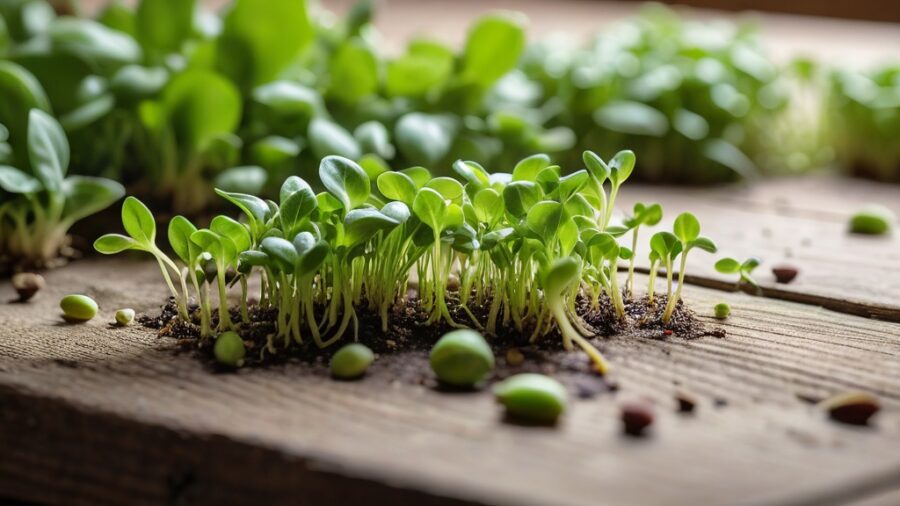
Introduction to Sprouting Seeds Nutrition
Sprouting seeds nutrition is an increasingly popular topic among health enthusiasts and those seeking to enhance their diets. The act of sprouting seeds not only boosts nutrient density but also enhances digestibility. In this comprehensive guide, we will delve into the benefits of sprouting seeds, how to easily sprout them at home, and their nutritional value.
As individuals become more aware of the importance of nutrition, the focus has shifted towards natural and organic sources of food. Sprouted seeds stand out as a powerhouse of nutrients, offering a variety of vitamins, minerals, and enzymes that can significantly enhance overall health. This article will provide practical guidance on incorporating sprouting seeds into your diet effortlessly.
By the end of this article, you will be equipped with the knowledge to successfully sprout seeds at home, understand the nutritional advantages they offer, and learn how to incorporate them into your meals. Let’s embark on this journey towards healthier eating through sprouting seeds.
Benefits of Sprouting Seeds
Enhanced Nutritional Profile
One of the primary benefits of sprouting seeds is their enhanced nutritional profile. When seeds are sprouted, the dormant seeds awaken, activating enzymes that break down complex nutrients into simpler forms. This process increases the availability of essential nutrients such as vitamins A, C, E, and K, as well as several B vitamins.
Additionally, sprouted seeds are known to contain higher levels of minerals such as calcium, magnesium, and iron. For example, sprouted alfalfa seeds have been shown to have up to 20 times more calcium compared to their unsprouted counterparts. This transformation makes sprouted seeds a vital addition to any health-conscious diet.
Improved Digestibility
Another significant advantage of sprouting seeds is the improvement in digestibility. Sprouting initiates the breakdown of antinutrients—compounds that inhibit nutrient absorption. For instance, phytic acid, which is present in many grains and legumes, can hinder the absorption of vital minerals. However, during the sprouting process, phytic acid levels decrease, making it easier for the body to absorb minerals.
Moreover, sprouted seeds are easier on the digestive system. The sprouting process breaks down complex carbohydrates and proteins, resulting in simpler sugars and amino acids. This transformation not only enhances nutrient absorption but also reduces bloating and discomfort often associated with consuming raw seeds.
How to Sprout Seeds at Home
Choosing the Right Seeds
Before beginning the sprouting process, it’s essential to select the right seeds. Not all seeds are suitable for sprouting. Some of the best options include alfalfa, mung beans, broccoli, and lentils. These seeds are not only nutrient-rich but also sprout quickly, making them ideal for beginners.
When purchasing seeds, ensure they are labeled as organic and specifically intended for sprouting. This guarantees that they are free from harmful pesticides and chemicals, making them safe for consumption.
The Sprouting Process
The sprouting process is simple and requires minimal equipment. Here’s a step-by-step guide:
- Rinse: Begin by rinsing your seeds in clean water to remove any debris.
- Soak: Place the seeds in a jar or bowl and cover them with water. Allow them to soak for 8-12 hours, depending on the seed type.
- Drain: After soaking, drain the water and rinse the seeds again.
- Sprout: Place the seeds in a well-ventilated area, keeping them moist. Rinse and drain the seeds 2-3 times daily.
- Harvest: After a few days, your seeds will begin to sprout. Once they reach your desired length, they are ready to eat!
Nutritional Value of Popular Sprouting Seeds
Alfalfa Sprouts
Alfalfa sprouts are a popular choice due to their delicate flavor and impressive nutritional content. Rich in vitamin K, they play a crucial role in bone health and blood clotting. Additionally, alfalfa sprouts contain significant amounts of fiber, which aids in digestion and helps maintain a healthy gut.
Studies suggest that consuming alfalfa sprouts can help lower cholesterol levels, making them a heart-healthy addition to your diet. With only 8 calories per cup, they are an excellent low-calorie food option that can add volume to meals without excess calories.
Mung Bean Sprouts
Mung bean sprouts are another excellent option, known for their crunchy texture and versatility. These sprouts are rich in proteins and essential amino acids, making them a great source of plant-based protein. A 100-gram serving of mung bean sprouts contains about 3 grams of protein, 0.2 grams of fat, and 7 grams of carbohydrates.
Moreover, mung bean sprouts are high in antioxidants, which help combat oxidative stress in the body. They are particularly beneficial for promoting healthy skin and may even aid in weight management due to their low-calorie count.
Incorporating Sprouted Seeds into Your Meals
Salads and Wraps
Sprouted seeds can easily be added to salads and wraps, enhancing both flavor and nutrition. For a quick salad, combine your favorite greens with a variety of sprouts, such as alfalfa, radish, and broccoli. Toss in some cherry tomatoes, cucumber, and a light vinaigrette for a refreshing and nutritious meal.
Wraps are another fantastic way to incorporate sprouted seeds. Use whole-grain tortillas and fill them with hummus, sliced vegetables, and a generous handful of sprouts for a satisfying lunch option.
Smoothies and Juices
For those who enjoy smoothies or juices, sprouted seeds can be an excellent addition. Blend a tablespoon of sprouted flax or chia seeds into your morning smoothie for added omega-3 fatty acids and fiber. Alternatively, incorporate sprouted wheatgrass juice into your routine for a nutrient boost.
Experimenting with different combinations will allow you to discover which flavors and textures you enjoy most. The addition of sprouted seeds can elevate your beverages, making them more nutrient-dense and satisfying.
Common Mistakes When Sprouting Seeds
Over-soaking Seeds
One of the most common mistakes when sprouting seeds is over-soaking them. While soaking is a crucial step in the sprouting process, leaving seeds submerged for too long can lead to rot. Generally, soaking for 8-12 hours is sufficient, depending on the seed type. Always follow specific guidelines for the seeds you are using.
To avoid over-soaking, set a timer or reminder for yourself. After the soaking period, ensure you drain and rinse the seeds thoroughly to promote healthy sprouting.
Neglecting Airflow
Another mistake is neglecting airflow during the sprouting process. Seeds need oxygen to thrive, and without proper ventilation, they can become moldy or stagnant. Using a sprouting jar with a mesh lid or placing seeds in a bowl covered with a breathable cloth can help maintain airflow.
It’s vital to check your sprouts daily, ensuring they receive adequate air circulation. This simple step can significantly improve the quality and safety of your sprouts.
Conclusion
In conclusion, sprouting seeds nutrition is a fantastic way to enhance your diet with minimal effort. The benefits of sprouting seeds, including their enhanced nutritional profile and improved digestibility, make them a valuable addition to any meal. With the right knowledge and techniques, you can easily sprout seeds at home, incorporating them into various dishes.
As you explore different sprouted seeds and their culinary uses, remember to avoid common mistakes such as over-soaking and neglecting airflow. By doing so, you will enjoy the full benefits of these nutrient-dense foods. Embrace the art of sprouting, and unlock a world of nutrition that promotes better health and well-being.
FAQ about Sprouting Seeds Nutrition
1. What are the health benefits of sprouted seeds?
Sprouted seeds offer numerous health benefits, including enhanced nutrient availability, improved digestibility, and increased antioxidant levels. They are rich in vitamins, minerals, and enzymes that can support overall health.
2. How long does it take to sprout seeds?
The time it takes to sprout seeds varies by type but generally ranges from 2 to 7 days. Factors such as temperature and moisture levels can influence sprouting speed.
3. Can I sprout any type of seed?
No, not all seeds are suitable for sprouting. It’s essential to choose seeds specifically labeled for sprouting to ensure they are safe for consumption. Popular options include alfalfa, mung beans, and lentils.
4. How should I store sprouted seeds?
Sprouted seeds should be stored in the refrigerator in a sealed container to maintain freshness. They can typically be kept for up to a week. Always check for signs of spoilage before consuming.
5. Are there any risks associated with eating sprouted seeds?
While sprouted seeds are generally safe, there is a risk of bacterial contamination if not properly handled. It is crucial to use clean equipment, rinse seeds thoroughly, and ensure proper airflow during sprouting.
Recap of Key Points
- Sprouting seeds enhances their nutritional profile and digestibility.
- Common sprouting seeds include alfalfa, mung beans, and lentils.
- The sprouting process involves soaking, draining, and ensuring airflow.
- Incorporate sprouted seeds into meals such as salads, wraps, and smoothies.
- Avoid common mistakes like over-soaking seeds and neglecting airflow.
- Store sprouted seeds in the refrigerator for freshness.
- Sprouted seeds can significantly boost your overall health and well-being.