
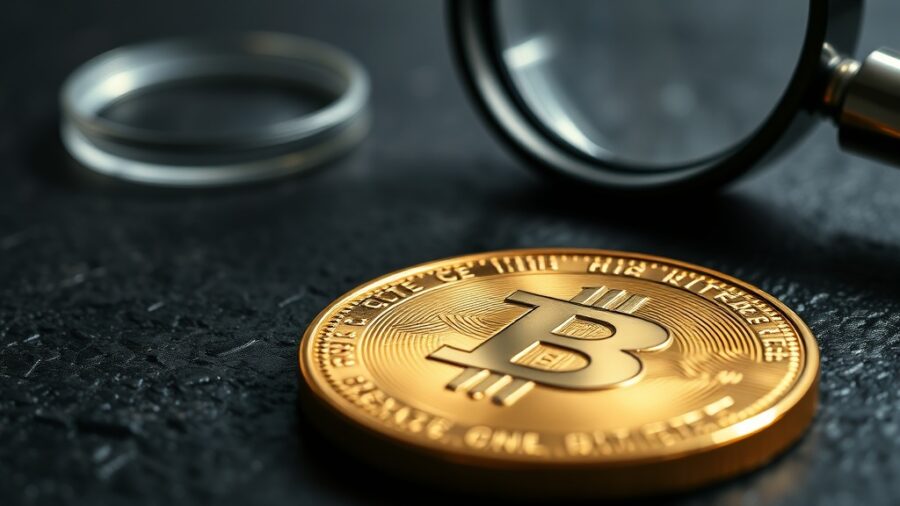
Introduction to Precious Metals Certification
In the world of investments and collectibles, precious metals certification authenticity plays a crucial role in safeguarding both buyers and sellers. Precious metals such as gold, silver, platinum, and palladium are highly sought after, not only for their intrinsic value but also for their historical significance and aesthetic appeal. As the market grows, so does the need for reliable certification processes that confirm the legitimacy of these assets.
This article aims to delve into the intricacies of precious metals certification, highlighting its importance, the key organizations involved, and how one can verify the authenticity of certifications. By understanding these elements, investors can make informed decisions and protect their investments from potential scams.
Furthermore, we will explore common forgery techniques, the future of certification in the precious metals market, and provide answers to frequently asked questions. This comprehensive analysis will equip you with the knowledge needed to navigate the complex world of precious metals with confidence.
Importance of Authenticity in Precious Metals
Authenticity in precious metals is paramount for several reasons. Firstly, it ensures that the metals being traded are genuine and have not been tampered with or falsely represented. The presence of counterfeit items in the market can lead to significant financial losses for investors, making the verification of authenticity a critical step in any transaction.
Financial Security
Investing in precious metals represents a substantial financial commitment. As of 2023, the price of gold is hovering around $1,900 per ounce, while silver is approximately $24 per ounce. Such values make the stakes high for investors, underscoring the necessity of ensuring that their purchases are authentic. A single counterfeit item can devalue an entire collection, leading to substantial financial repercussions.
Market Reputation
The reputation of the precious metals market hinges on the integrity of its transactions. When authenticity is guaranteed through certification, it fosters trust among buyers and sellers. This trust is essential for maintaining a stable market environment, encouraging more individuals to invest in precious metals.
- Authenticity protects financial interests.
- It enhances market credibility and fosters trust.
- Prevents the spread of counterfeit products.
Key Organizations Involved in Certification
Several key organizations play a vital role in the certification of precious metals, ensuring that they meet specific standards and are free from fraud. These organizations provide the necessary audits and evaluations to verify the authenticity of precious metals.
The Professional Coin Grading Service (PCGS)
The PCGS is one of the most respected organizations in the industry. Founded in 1986, it has certified over 40 million coins and precious metal items. PCGS employs a team of expert graders who assess the quality and authenticity of coins and bullion.
The Numismatic Guaranty Corporation (NGC)
Similar to PCGS, the NGC specializes in grading coins and other numismatic items. Established in 1987, the NGC has also gained a reputation for its stringent certification processes. They provide a detailed report that includes the coin’s authenticity, grade, and market value, helping investors make informed decisions.
| Organization | Year Established | Specialization |
|---|---|---|
| Professional Coin Grading Service (PCGS) | 1986 | Coins and Bullion |
| Numismatic Guaranty Corporation (NGC) | 1987 | Coins and Numismatic Items |
| American Numismatic Association (ANA) | 1891 | Numismatic Education |
How to Verify Certification Authenticity
Verifying the authenticity of precious metals certification is crucial for any investor. There are several steps one can take to ensure that a certification is legitimate and trustworthy.
Check the Certification Number
Most certified precious metals will have a unique certification number that can be verified through the issuing organization’s website. This number allows potential buyers to confirm that the item was indeed graded and authenticated by the said organization.
Examine the Packaging
Authentic certifications typically come in tamper-proof packaging. If the packaging appears damaged or tampered with, it may be a red flag indicating that the item is not genuine. Additionally, reputable organizations often include holograms or other security features to prevent forgery.
- Verify the certification number online.
- Inspect the packaging for tamper-proof features.
- Look for holograms or security marks.
Common Forgery Techniques and How to Spot Them
As the demand for precious metals increases, so does the prevalence of forgery. Being aware of common forgery techniques can help investors protect themselves from scams.
Counterfeit Coins
Counterfeit coins are among the most common types of forgeries. These can often be identified by examining the weight and dimensions, as counterfeit coins may not meet the standard specifications of authentic coins. Additionally, visual inspection for inconsistencies in design can reveal counterfeits.
Altered Bullion Bars
Another common forgery technique involves altering bullion bars. This can include changing the markings or weight of the bar. Investors should always weigh their bullion and check for discrepancies against the certification details.
| Forgery Type | Identification Method |
|---|---|
| Counterfeit Coins | Check weight and design integrity. |
| Altered Bullion Bars | Verify weight against certification. |
The Future of Precious Metals Certification
The landscape of precious metals certification is evolving, driven by advancements in technology and changes in market dynamics. In the coming years, we can expect several trends to shape the future of certification.
Technological Innovations
With the rise of blockchain technology, certification processes are becoming more secure and transparent. Blockchain allows for the creation of immutable records that can verify the authenticity of precious metals in real-time, reducing the risk of fraud.
Increased Regulation
As the market grows, so does the need for regulatory oversight. Governments may introduce stricter regulations governing the certification of precious metals, ensuring that all transactions adhere to high standards of transparency and authenticity.
- Blockchain technology enhances security.
- Expect increased regulatory measures.
- Market demands will drive innovations in certification.
Conclusion and Key Takeaways
Understanding precious metals certification authenticity is essential for anyone involved in buying or selling these valuable assets. As outlined in this article, authenticity safeguards financial investments and maintains market integrity. Key organizations like PCGS and NGC play significant roles in the certification process, and verifying the authenticity of certifications is crucial for avoiding fraud.
By being aware of common forgery techniques and the future trends in certification, investors can better protect their assets and make informed decisions. Ultimately, investing in precious metals can be rewarding, provided that one takes the necessary precautions to ensure authenticity.
Frequently Asked Questions about Precious Metals Certification
What is precious metals certification?
Precious metals certification is a process through which an item is evaluated and authenticated by professional organizations to confirm its genuineness and quality. This certification is crucial for establishing trust in the market.
Why is authenticity important?
Authenticity ensures that buyers are investing in genuine products. This prevents financial losses due to counterfeit items and maintains the overall integrity of the precious metals market.
How can I verify a certification?
You can verify a certification by checking the unique certification number on the issuing organization’s website and examining the packaging for security features that indicate authenticity.
What are common forgery techniques?
Common forgery techniques include counterfeit coins and altered bullion bars. Buyers should be vigilant and look for discrepancies in weight, design, and packaging.
What does the future hold for precious metals certification?
The future of precious metals certification is likely to involve technological innovations such as blockchain, as well as increased regulatory measures to ensure transparency and authenticity in the market.
- Precious metals certification ensures authenticity and market integrity.
- Key organizations work to maintain high certification standards.
- Verifying certification can prevent financial loss from forgery.
- Common forgery techniques include counterfeit coins and altered bars.
- The future of certification includes technological advancements and regulatory changes.