
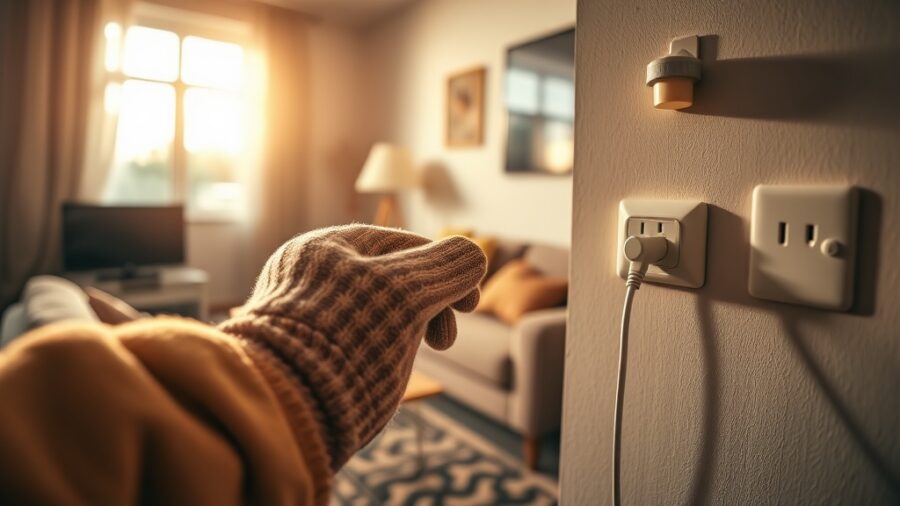
Electrical Safety Home Tips: A Comprehensive Guide
When it comes to maintaining a safe living environment, electrical safety home tips are paramount. With the increasing reliance on electronic devices, understanding the risks that accompany them has never been more crucial. This article will delve into essential safety practices, common electrical hazards, and preventative measures that every homeowner should adopt to ensure a secure household.
Electrical safety is not merely a precaution; it is a necessity. Each year, thousands of homes experience electrical fires, resulting in property loss and, more tragically, injuries or fatalities. By being proactive and informed, homeowners can minimize these risks significantly. From regular inspections to proper appliance usage, this guide aims to equip you with the knowledge to safeguard your home.
In this article, we will explore various aspects of electrical safety, including common hazards, the importance of inspections, and effective strategies for childproofing your home. By the end, you will have a comprehensive understanding of how to maintain electrical safety within your premises.
Understanding Common Electrical Hazards
Identifying Electrical Risks
Understanding the common electrical hazards is the first step in ensuring your home is safe. According to the National Fire Protection Association (NFPA), electrical failures or malfunctions are responsible for over 50,000 fires annually in the United States. These incidents underscore the importance of recognizing potential risks in your home.
Common electrical hazards include:
- Overloaded Circuits: Too many devices plugged into a single outlet can cause overheating and fires.
- Exposed Wires: Damaged cords or loose connections can lead to electric shocks or short circuits.
- Moisture Intrusion: Water and electricity are a dangerous mix, especially in bathrooms and kitchens.
Signs of Electrical Problems
Being aware of the signs indicating electrical problems in your home can prevent serious accidents. Look out for:
- Frequent Tripping of Circuit Breakers: This indicates an overloaded circuit or a short circuit.
- Flickering Lights: This could signify a loose connection or a more serious electrical issue.
- Burning Smell: If you detect a burning odor, it may indicate overheating wires or appliances.
Importance of Regular Electrical Inspections
Why Inspections Are Essential
Regular electrical inspections are a fundamental aspect of home safety. They help identify potential issues before they escalate into significant hazards. The Electrical Safety Foundation International (ESFI) recommends having a licensed electrician conduct an inspection every three to five years, depending on the age of the home and the condition of its electrical system.
During an inspection, electricians will check various components, including:
- Wiring and Outlets: Ensuring they meet current safety standards.
- Grounding Systems: Confirming that they function correctly to prevent electric shocks.
- Electrical Panels: Checking for signs of wear, overheating, or corrosion.
Preparing for an Electrical Inspection
To maximize the effectiveness of your electrical inspection, it is essential to prepare adequately. Here are some tips:
- Document any issues: Write down any electrical problems you’ve noticed, such as flickering lights or tripped breakers.
- Clear access: Ensure that the electrician can easily access your electrical panel and outlets.
- Ask questions: Engage with the inspector about any concerns you have regarding your home’s electrical safety.
Safe Use of Electrical Appliances
Best Practices for Appliance Safety
Using electrical appliances safely is crucial to preventing fires and injuries. The Consumer Product Safety Commission (CPSC) estimates that faulty appliances contribute to over 25,000 house fires each year. Here are some best practices:
- Follow Manufacturer Instructions: Always read and adhere to the user manuals provided with appliances.
- Unplug When Not in Use: This not only saves energy but also reduces the risk of overheating or short circuits.
- Avoid Overloading Outlets: Plugging too many devices into one outlet can lead to overheated wires.
Regular Maintenance and Upkeep
Regular maintenance of electrical appliances is essential for ensuring their safe operation. Here are some maintenance tips:
- Inspect Cords: Regularly check for fraying or damage and replace them if necessary.
- Clean Appliances: Dust and debris can accumulate in and on appliances, potentially leading to overheating.
- Schedule Professional Service: For larger appliances, consider having them serviced by a professional technician periodically.
Childproofing Your Home Against Electrical Risks
Understanding the Risks to Children
Children are naturally curious, which can lead them to explore electrical outlets and appliances. According to the ESFI, over 2,400 children are injured each year in electrical-related incidents. Therefore, childproofing is essential to keep young ones safe.
Common electrical risks for children include:
- Exposed outlets: Children may stick objects into outlets, leading to electric shocks.
- Cords and Cables: Children can trip over or chew on cords, posing serious safety threats.
Effective Childproofing Strategies
To childproof your home effectively, consider the following strategies:
- Use Outlet Covers: Install safety caps on all unused outlets to prevent children from inserting objects.
- Secure Cords: Use cord organizers or covers to keep electrical cords out of reach.
- Educate Your Children: Teach children about electrical safety and the dangers of playing with electrical devices.
Emergency Preparedness for Electrical Issues
Creating an Emergency Plan
Having a well-thought-out emergency plan is key to mitigating the impact of electrical emergencies. According to the NFPA, most electrical fires occur during the winter months, making preparedness especially important during this time. Here’s how to create an effective plan:
- Identify Emergency Contacts: Have a list of emergency contacts, including electricians and fire departments.
- Establish a Meeting Point: Designate a safe location for family members to gather in case of an emergency.
- Practice Drills: Conduct regular drills to ensure everyone knows what to do in case of an electrical fire or shock.
What to Do in an Electrical Emergency
Knowing how to respond during an electrical emergency can save lives. Here are critical steps to take:
- Do Not Use Water: If there’s an electrical fire, do not use water to extinguish it; instead, use a fire extinguisher rated for electrical fires.
- Turn Off Power: If safe to do so, turn off the main power supply to prevent further hazards.
- Seek Professional Help: Always call a licensed electrician if you suspect an electrical issue.
Conclusion and Key Takeaways
Ensuring electrical safety in your home is a continuous process that requires vigilance and proactive measures. By understanding common electrical hazards, the importance of regular inspections, and safe appliance usage, you can significantly reduce risks. Additionally, childproofing your home and having an emergency plan in place can further enhance safety.
Key takeaways from this guide include:
- Conduct regular electrical inspections every three to five years.
- Adhere to best practices when using electrical appliances.
- Implement childproofing measures to protect young children.
- Create and practice an emergency plan for electrical issues.
Frequently Asked Questions
1. How often should I have my electrical system inspected?
It is recommended to have your electrical system inspected every three to five years, depending on the age and condition of your home.
2. What should I do if I see sparks coming from an outlet?
If you see sparks from an outlet, immediately unplug any devices from that outlet and turn off the power supply. Contact a licensed electrician for further inspection.
3. Are outlet covers necessary for all homes with children?
Yes, outlet covers are essential in homes with children to prevent them from inserting objects into outlets, which could lead to electric shocks.
4. How can I prevent my circuits from overloading?
To prevent circuit overload, avoid plugging multiple high-wattage devices into a single outlet and consider having a professional electrician install additional circuits if necessary.
5. What should I do in case of an electrical fire?
In the event of an electrical fire, do not use water to extinguish it. Instead, use a fire extinguisher rated for electrical fires and call the fire department immediately.
Recap
- Electrical safety is crucial for preventing fires and injuries.
- Regular inspections can identify potential hazards before they escalate.
- Safe appliance usage can significantly reduce risks in the home.
- Childproofing measures are essential for homes with young children.
- Having an emergency plan in place can save lives during electrical incidents.