
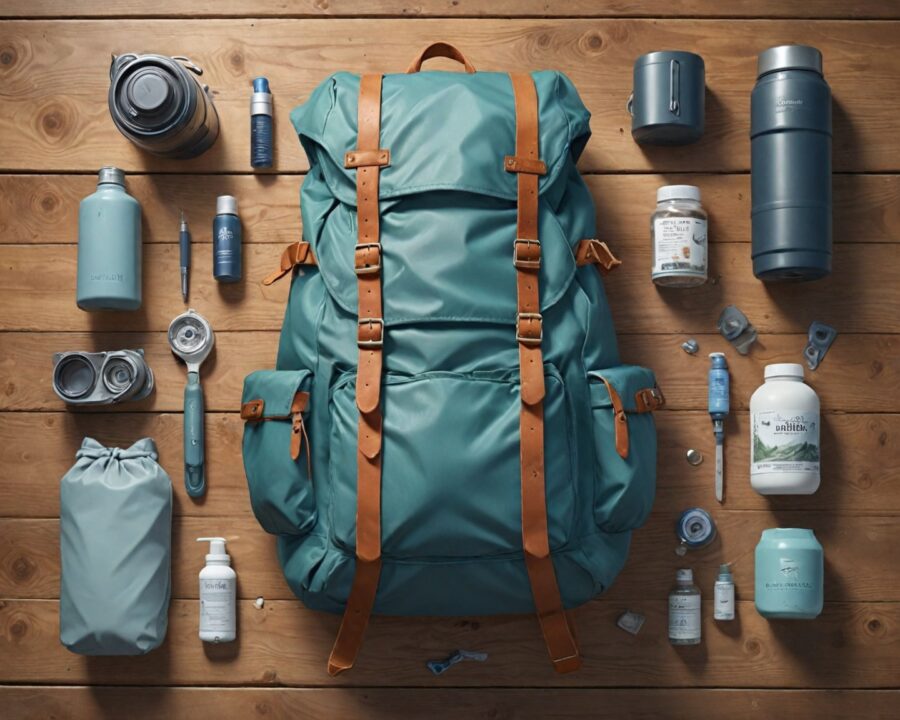
Introduction to Travel Backpack Essentials
Traveling can evoke a sense of freedom and adventure, but preparation is key to ensuring a smooth journey. Whether it’s a business trip, a weekend getaway, or a month-long expedition, the contents of your travel backpack can make or break your travel experience. Packing the right items minimizes stress, enhances comfort, and ensures readiness for unexpected situations. This guide will focus on the essential items every traveler should consider while packing their travel backpack for any trip.
Backpack intricacies may vary based on individual preferences and the nature of the journey itself. However, some essentials transcend these differences, providing universal utility to travelers across the globe. From clothing and toiletries to tech gadgets and emergency kits, having a comprehensive, well-thought-out packing strategy can significantly enrich your traveling narrative. This article aims to pave the way for efficient packing through the understanding of necessities, offering valuable tips for both novice and seasoned travelers.
Why Choosing the Right Backpack Matters
When embarking on any journey, the backpack you choose acts as more than just a container for your belongings; it serves as the backbone of your travel experience. Selecting the appropriate backpack can enhance mobility, provide better organization, and increase comfort throughout your trip. The investment in a good backpack pays dividends by safeguarding your gear and augmenting your efficiency on the road.
Backpacks come in various shapes and sizes, and the design should correspond with your travel style and destination. For instance, a lightweight daypack might be suitable for urban explorers, while a sturdier, more compartmentalized design may be necessary for a trek through the mountains. Features such as padded straps, ventilation, and weather resistance add layers of utility, preventing mishaps such as back strain or damage due to unforeseen weather conditions.
Another critical factor when choosing a backpack is the ease it offers in organization. A well-designed backpack with multiple compartments allows you to categorize your items, making it easier to access what you need without rummaging through everything. This is particularly useful for keeping your essentials such as travel documents, electronic devices, or a water bottle within easy reach.
Clothing Essentials for Different Climates
Packing clothing essentials requires an adaptable approach, as climates can dramatically vary depending on your destination and the time of year. A strategic selection not only mitigates discomfort but also conserves valuable space in your backpack.
For warm climates, lightweight, breathable materials are key. Pack moisture-wicking fabrics that allow airflow and reduce sweating. Essential items might include a sun hat, sunglasses, and light-colored clothing. Consider bringing a light scarf or wrap that can serve multiple purposes, from sun protection to an impromptu picnic blanket.
In contrast, gear for colder destinations requires thoughtful layering. Start with a moisture-wicking base layer, topped with insulating mid-layers such as fleece or wool, followed by a waterproof and windproof outer shell. Accessories such as gloves, hats, and thermal socks are equally vital to preserve body heat and ensure comfort.
For intermediate climates, versatility is king. Opt for clothing that can be layered according to the temperature fluctuations throughout the day. Convertible pants, versatile shoes, and a dual-purpose jacket that can handle wind and light rain are excellent choices. Moreover, packing strategies like using compression bags can save space, ensuring you have room for these multi-layered sets.
Must-Have Toiletries and Personal Care Items
Keeping up with personal hygiene while traveling is imperative for both comfort and health. While the urge to pack all your usual toiletries is natural, space is a premium in a travel backpack. An efficient toiletries kit focuses on necessity and portability, ensuring you’re covered without overpacking.
Start with the basics: travel-sized containers for shampoo, conditioner, and body wash save both space and weight. Include a toothbrush, toothpaste, deodorant, and a small brush or comb. It’s wise to pack a foldable toothbrush that can be compactly stored and a multi-use soap that can function for hair, face, and body.
In addition to these basics, think about the environments you’ll be in. Include items like sunscreen and insect repellent for outdoor or tropical destinations. If your travels include dry or cold areas, a good moisturizer for face and hands can prevent uncomfortable dryness. Women might also consider a compact makeup kit if needed, but aim for minimalism to save space.
Furthermore, organizing these items in a transparent, waterproof bag makes airport security checks smoother and ensures protection against leaks that could tarnish other belongings. This elementary planning ensures you remain refreshed and prepared for every day of your adventure.
Tech Gadgets and Accessories for Travelers
Travelers today have the advantage of technology to enhance their journeys. From capturing memories to staying connected or even working remotely, tech gadgets are more than just luxury— they can be essential. However, choosing the right devices is crucial to avoid unnecessary weight and bulk.
Foremost among these is the smartphone, a multipurpose tool that can act as a camera, navigation device, and communication hub. Pair it with portable charging solutions like a lightweight power bank or a solar charger, especially useful if your travels take you off the beaten path. Additionally, packing a universal travel adapter ensures your devices can be charged anywhere around the world.
Consider bringing a tablet or a compact laptop for entertainment, work, or advanced communication needs. For those keen on photography, a small DSLR or mirrorless camera may be critical, coupled with extra memory cards and a portable, adjustable tripod.
Not to be overlooked are noise-canceling headphones or earphones, which can transform a noisy flight or train ride into a more enjoyable and less stressful experience. Finally, include a small tech organizer bag or pouch to keep cables, chargers, and small devices tidy and accessible.
First-Aid Kit and Emergency Supplies
A well-stocked first-aid kit is indispensable for addressing minor injuries and ailments during travel. While we hope never to need it, being prepared for emergencies provides security and peace of mind. Personalize your kit to suit your destination, planned activities, and any pre-existing health conditions.
At a minimum, your kit should contain adhesive bandages, antiseptic wipes, pain relievers, and any personal prescription medications in a labeled container for easier identification and customs checks. Including an antidiarrheal and antihistamine is wise to counter common travel-related health issues.
Beyond medications, consider tools like a small pair of scissors, tweezers, and medical tape. For wilderness or outdoor adventures, include emergency items such as a whistle, waterproof matches, and a thermal blanket. It’s also advisable to incorporate basic medical instructions or a small manual to handle common issues like cuts or blisters.
Remember to check the contents of your first-aid kit before each trip, restocking any supplies that are running low or have expired. Tailoring your emergency supplies to specific trip requirements will keep you ready for whatever may arise.
Snacks and Hydration Solutions for the Road
Proper nutrition and hydration need not be compromised while traveling. Packing smart snacks and hydration solutions supports energy and alertness, especially during long travel segments or when healthy food options are scarce.
Non-perishable, nutrient-dense snacks like trail mix, granola bars, or dried fruit can provide a quick energy boost without occupying much space. For longer trips or remote locations, consider packing items with a mix of protein and carbohydrates to sustain you between meals, such as jerky or nut butter packets.
Maintaining hydration is vital, particularly when flying or in hot climates. A collapsible water bottle is a must-have travel essential that saves space and allows you to refill wherever potably safe water is available. For areas where water safety is a concern, consider bringing a portable water purifier or sterilization pen.
Managing your snacks and drinks in your backpack requires clear organization. Keep them in one or two specific compartments to prevent them from getting crushed or leaking onto other items. This logistical approach ensures ease of access and maintains cleanliness throughout your trip.
Organizational Tools to Keep Your Backpack Tidy
Maintaining order in your travel backpack is an art form that elevates the travel experience by making finding and accessing your items straightforward. Packing efficiently not only saves time but can make your trip considerably easier, allowing more focus on the journey itself.
Packing cubes are among the most lauded organizational tools for travelers. By segmenting clothing into cubes by type or outfit day, you can quickly grab what you need without disrupting the rest of your pack. Some prefer compression bags, which also conserve space by minimizing bulk, particularly useful for outerwear and larger garments.
Utilizing smaller zip-lock bags to separate toiletries, tech gadgets, and paperwork can prevent small items from becoming lost in your pack. Color-coded bags can help further differentiate categories quickly. A small quick-access pouch for travel documents, currency, and daily essentials can be incredibly efficient.
Behind the curtain of these techniques is the philosophy that everything has its place. This organization brings tranquility to the pandemonium of travel and adds efficiency to your journeys by centralizing and systematizing your packing strategy.
Common Mistakes to Avoid When Packing
Packing a backpack for travel can sometimes be viewed as an art form, but even experienced travelers can fall prey to common mistakes. Knowing what to avoid not only lightens your load but also improves your overall travel experience.
One of the most frequent errors is overpacking, driven by the “what if” mindset. Travelers often pack items they rarely, if ever, use, resulting in a bloated backpack. A pre-trip list of essentials prioritizing multifunctional and versatile items can combat this impulse, ensuring you bring only what you need.
Neglecting to check local weather and customs can also lead to packing errors. Carrying clothing unsuitable for the climate or items restricted in certain cultures can cause discomfort or even legal issues. Thus, critical research beforehand enables a more seamless integration into the local context.
Finally, failure to test your fully packed backpack can result in unpleasant surprises. Carrying your loaded backpack for a brief walk around the house or neighborhood helps reveal if it’s too heavy or unbalanced, offering a chance to adjust before your journey begins. This small step can prevent larger packing woes further down the line.
Final Checklist and Tips for Efficient Packing
To streamline the packing process and ensure thorough preparation, a final checklist can be an invaluable tool. This list serves as the ultimate reference to ensure nothing essential is forgotten and your backpack is optimally organized.
- Backpack: Comfortable, of suitable size, and with considered compartments
- Clothing: Appropriate layers for destination climate outlook
- Toiletries: Travel-sized and essential, in a waterproof bag
- Tech Gadgets: Strategically selected, with chargers and a travel adapter
- First-Aid Kit: Comprehensive yet compact, based on personal and trip needs
- Snacks and Water: Ideally nutritious, portable, and easily accessible
- Organizational Tools: Packing cubes and smaller bags for efficient access
- Travel Documents & Currency: Passport, visa, insurance, and local currency prepared
Additional packing tips include rolling clothes rather than folding to save space, wearing bulkier items on travel days, and keeping a reusable tote bag for unexpected purchases. Aligning these tactics with the checklist keeps you on top of your packing game, ready for any situation your trip may encompass.
Frequently Asked Questions (FAQs)
What is the ideal size for a travel backpack?
The ideal backpack size depends on the type and duration of your trip. For short trips, 25-30 liters should suffice, while longer journeys may require 40-50 liters. Always aim for the smallest size that accommodates your essentials to avoid unnecessary weight.
How can I ensure my backpack is comfortable to carry for extended periods?
Selecting a backpack with adjustable, padded shoulder straps and a supportive, ventilated back panel is key. Ensure the backpack properly fits your torso length and adjust the straps to distribute weight evenly.
Are packing cubes really worth it?
Yes, packing cubes can greatly enhance organization by compartmentalizing items, reducing clutter, and making it easier to find specific items. They also help with compressing clothing, maximizing space in your backpack.
What should I pack in my carry-on for a long flight?
In your carry-on, include essentials such as travel documents, a change of clothes, toiletries, medications, tech gadgets, snacks, and a reusable water bottle. Items that keep you comfortable and entertained, like a neck pillow and books or tablets, are also recommended.
Can I bring liquid toiletries in my carry-on?
Yes, but they must adhere to TSA regulations requiring liquids to be in containers of no more than 3.4 ounces (100 milliliters), stored in a single quart-sized clear plastic bag.
How can I prevent my backpack contents from getting wet if it rains?
Consider packing items in waterproof bags or dry bags within your backpack. Many modern backpacks come with built-in rain covers, but you can also purchase a separate cover for additional protection.
Is it better to roll or fold clothes within a travel backpack?
Rolling clothes is generally more efficient as it saves space and reduces wrinkles. It’s also easier to stack and access clothes when they’re rolled.
What are the essentials for a tech-savvy traveler?
Essentials for tech-savvy travelers include a smartphone, portable charger, universal travel adapter, laptop or tablet, lightweight headphones, and a compact tech organizer to keep cables and gadgets in order.
Recap of Key Points
This article has elucidated the necessities of packing a travel backpack, emphasizing the importance of selecting the right backpack, tailoring clothing to different climates, and organizing toiletries and tech gadgets wisely. The role of first-aid kits and emergency supplies was highlighted, stressing the need for readiness in unforeseen scenarios. Snacks and hydration solutions were discussed as crucial for maintaining energy, while organizational techniques underscored the significance of efficiency. Common pitfalls like overpacking were explored alongside a comprehensive checklist, fortifying you with strategies for a successful travel experience.
Conclusion
Packing a travel backpack is more an art than a science, requiring a balance between preparedness and versatility. By understanding which essentials to include, travelers can streamline the packing process, minimize stress, and focus on the joy of discovery and exploration.
Effective packing transforms your travel experience from cumbersome to liberating, affording you the comfort and confidence to navigate new environments seamlessly. By weaving together the right gear, organizational strategies, and mindfulness about your needs, you equip yourself for virtually any travel situation.
Ultimately, a well-packed travel backpack is a reflection of thoughtful preparation and the desire to embrace the world with open arms. Enjoy every moment of your journey, knowing you’re equipped to face both the expected and the unexpected, ensuring memories not hindered by logistical hurdles but enriched by well-executed planning.